Tuscany and Umbria: Cycling in the Heart of Italy
 7 nights from €1024
 4.45
4.45An evocative tour through the Etruscan and Roman heartlands.
Magnificent scenery marks these regions. Shaped by the forces of nature and the building of civilizations through history, Umbria and Tuscany boast a mix of stunning landscapes as well as Etruscan and Roman architecture.
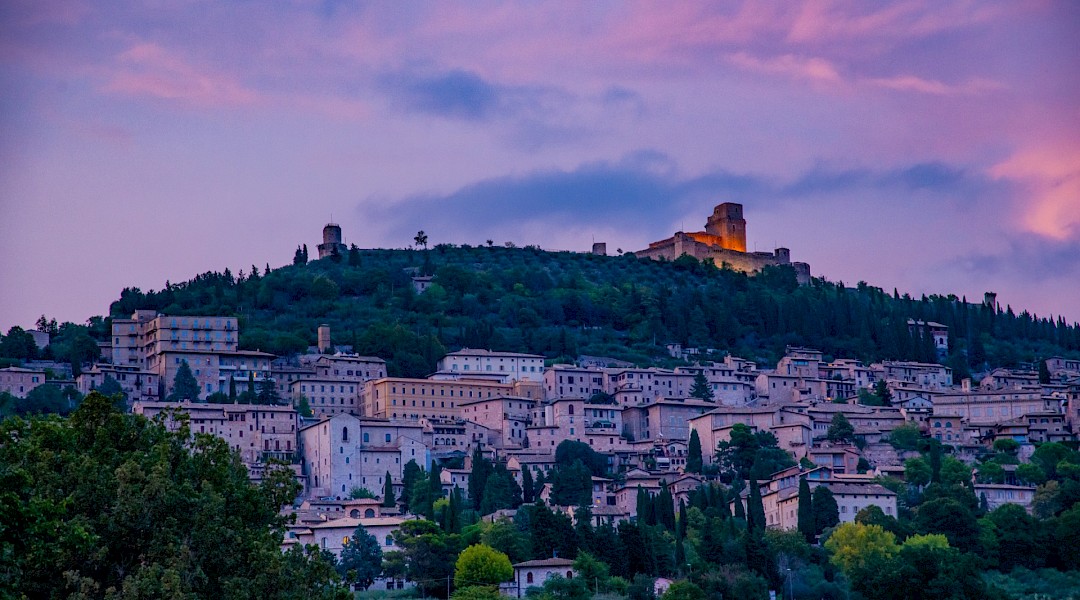
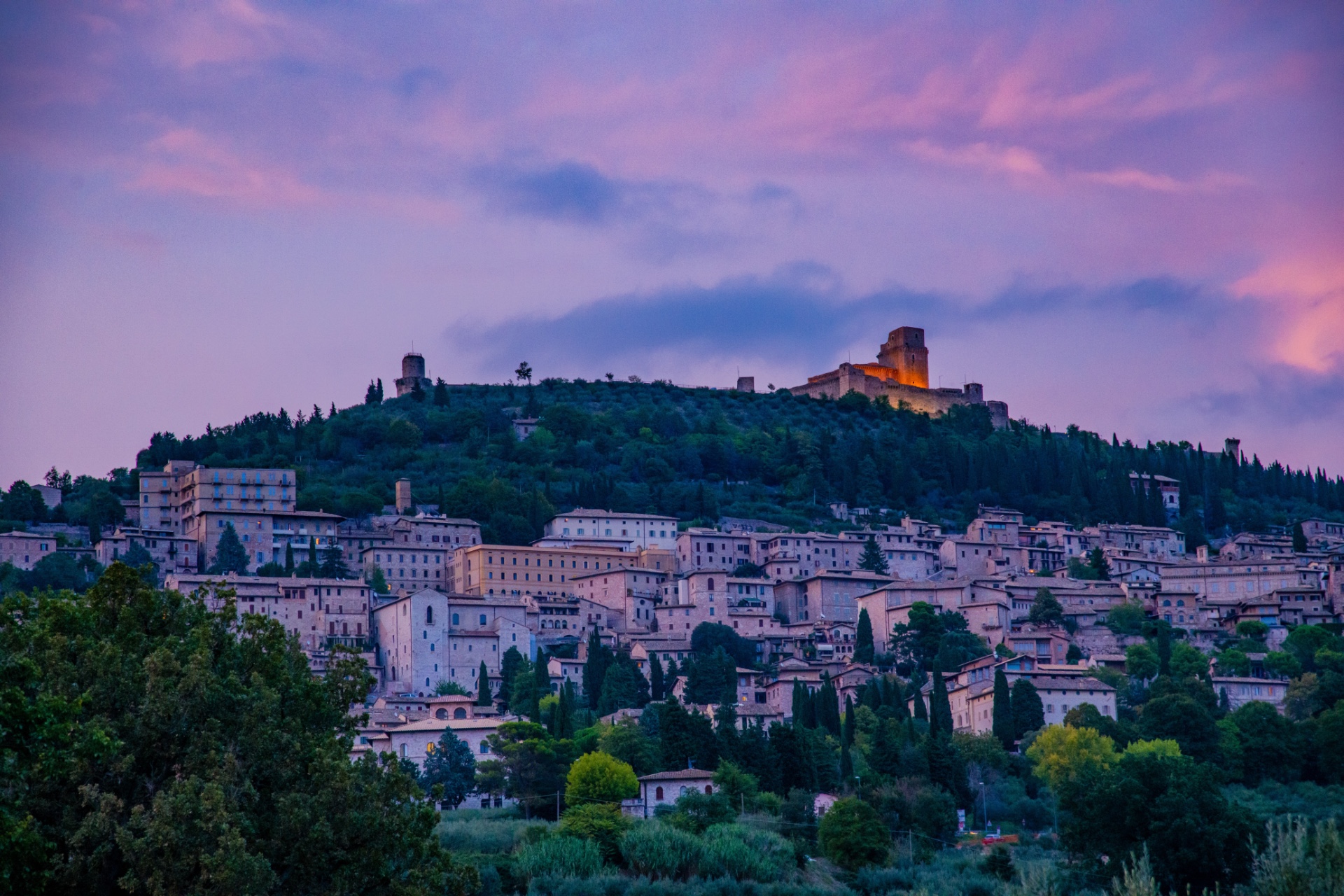
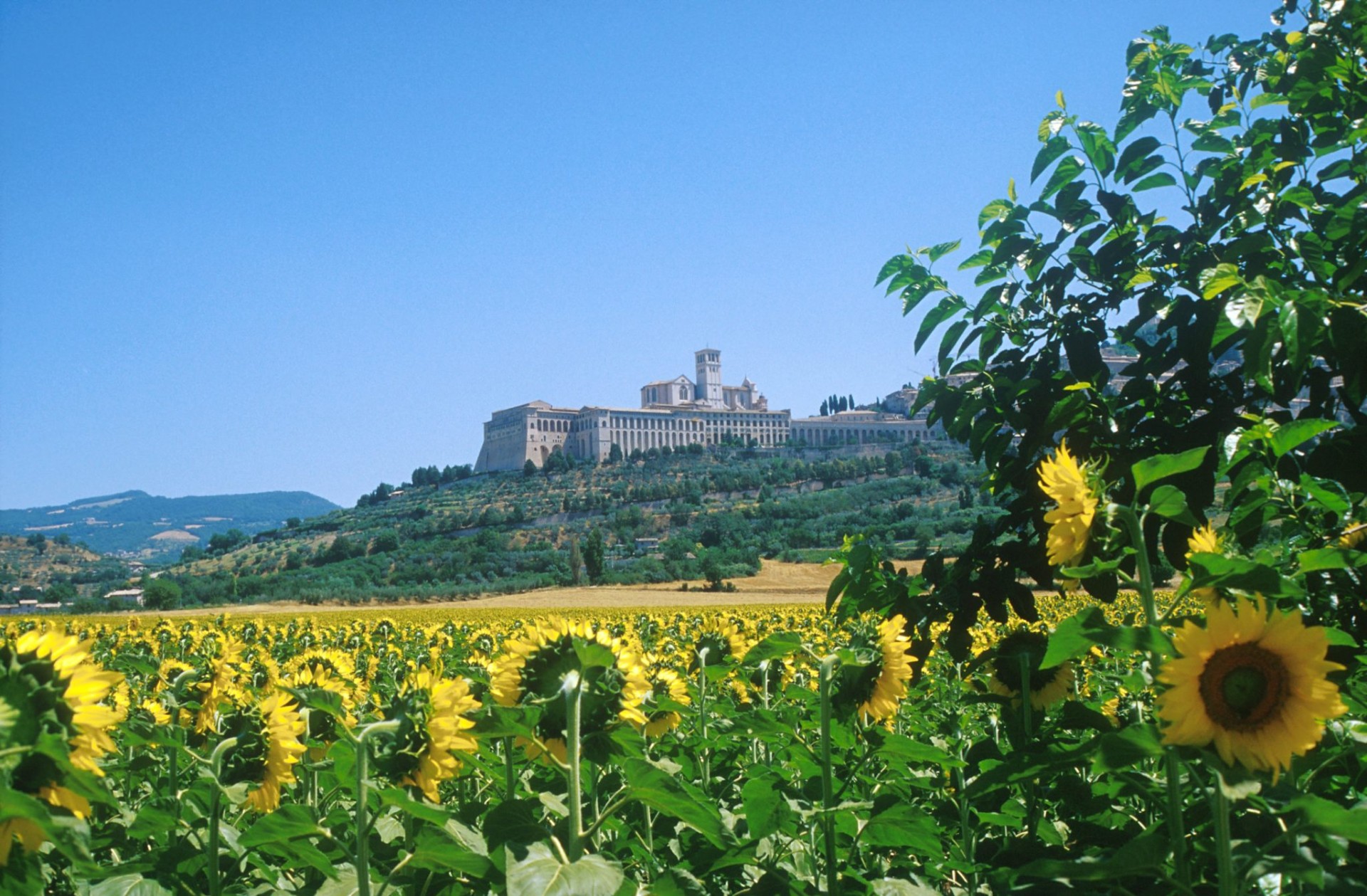
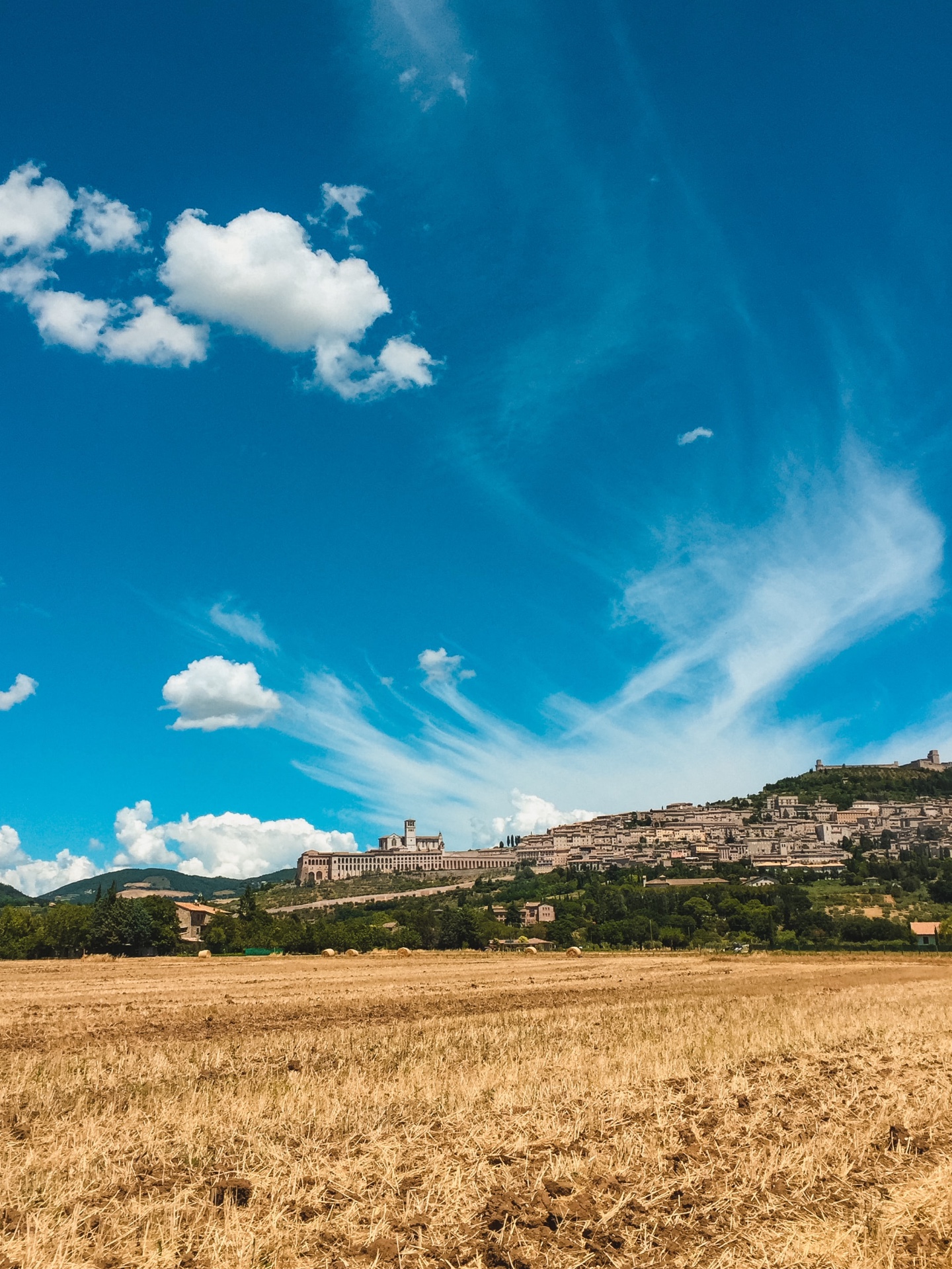
Beginning in the most atmospheric and mystical town of Umbria, Assisi, you’ll pedal in a setting of palpable harmony, where the fruit of millennia of civilizations have left thick layers of memories and timeless masterpieces.
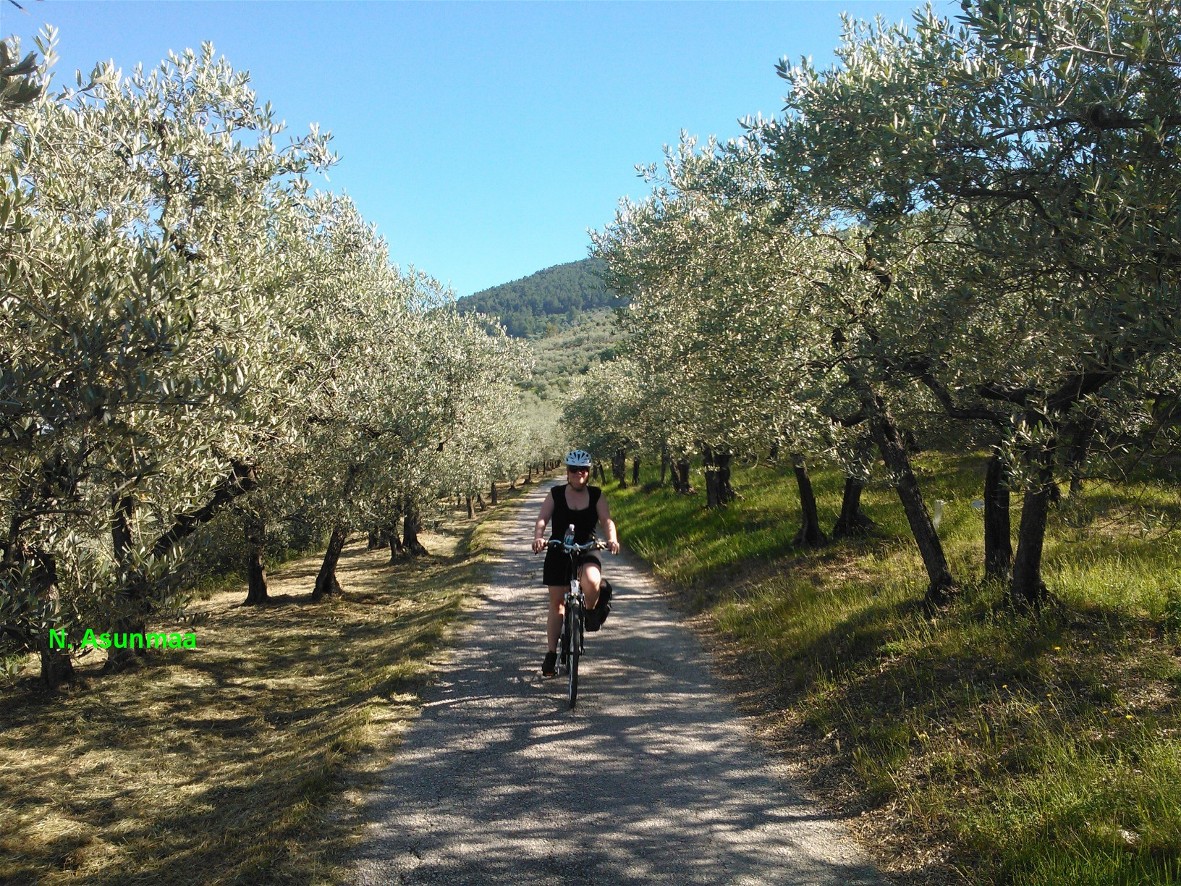
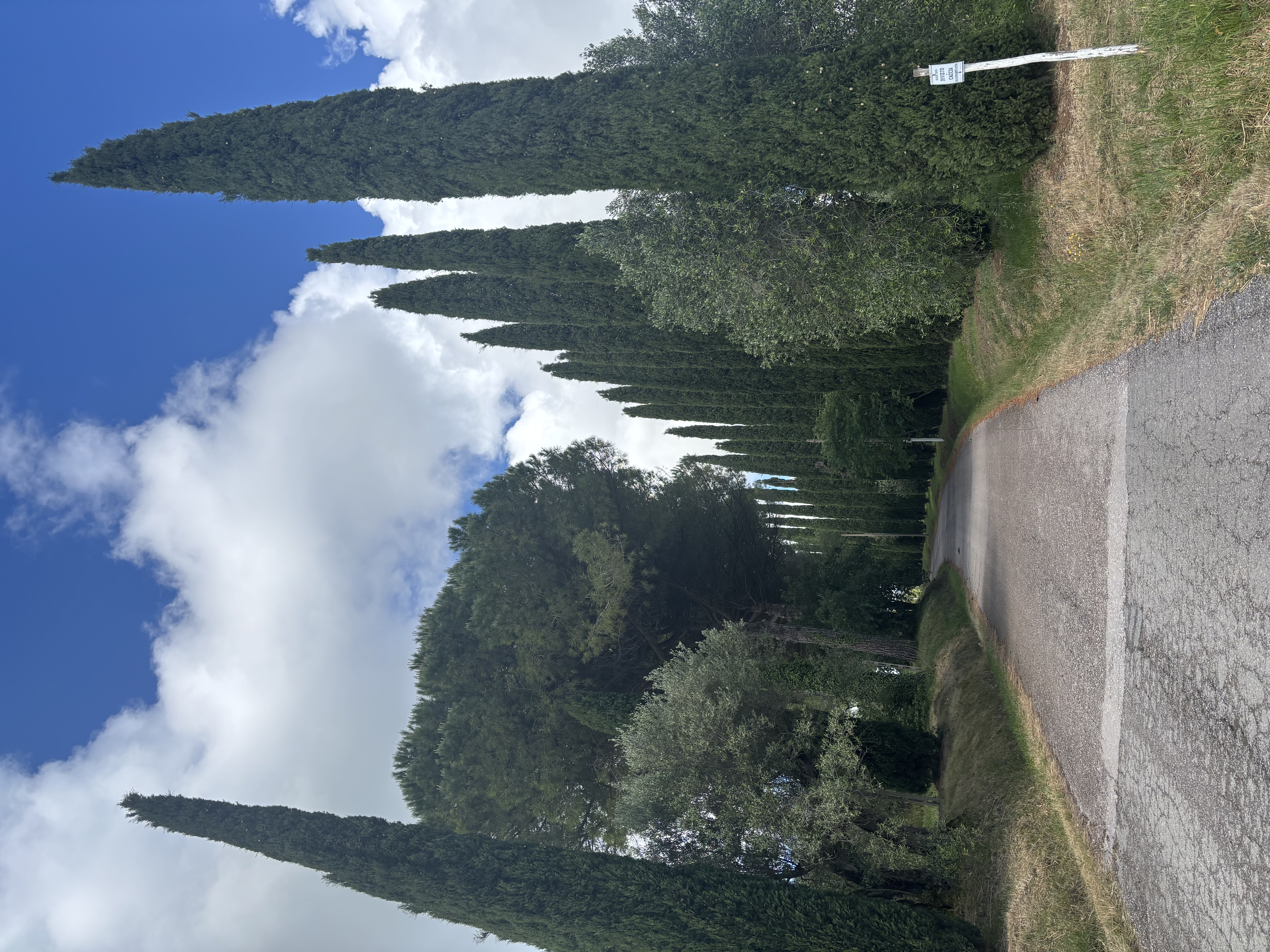
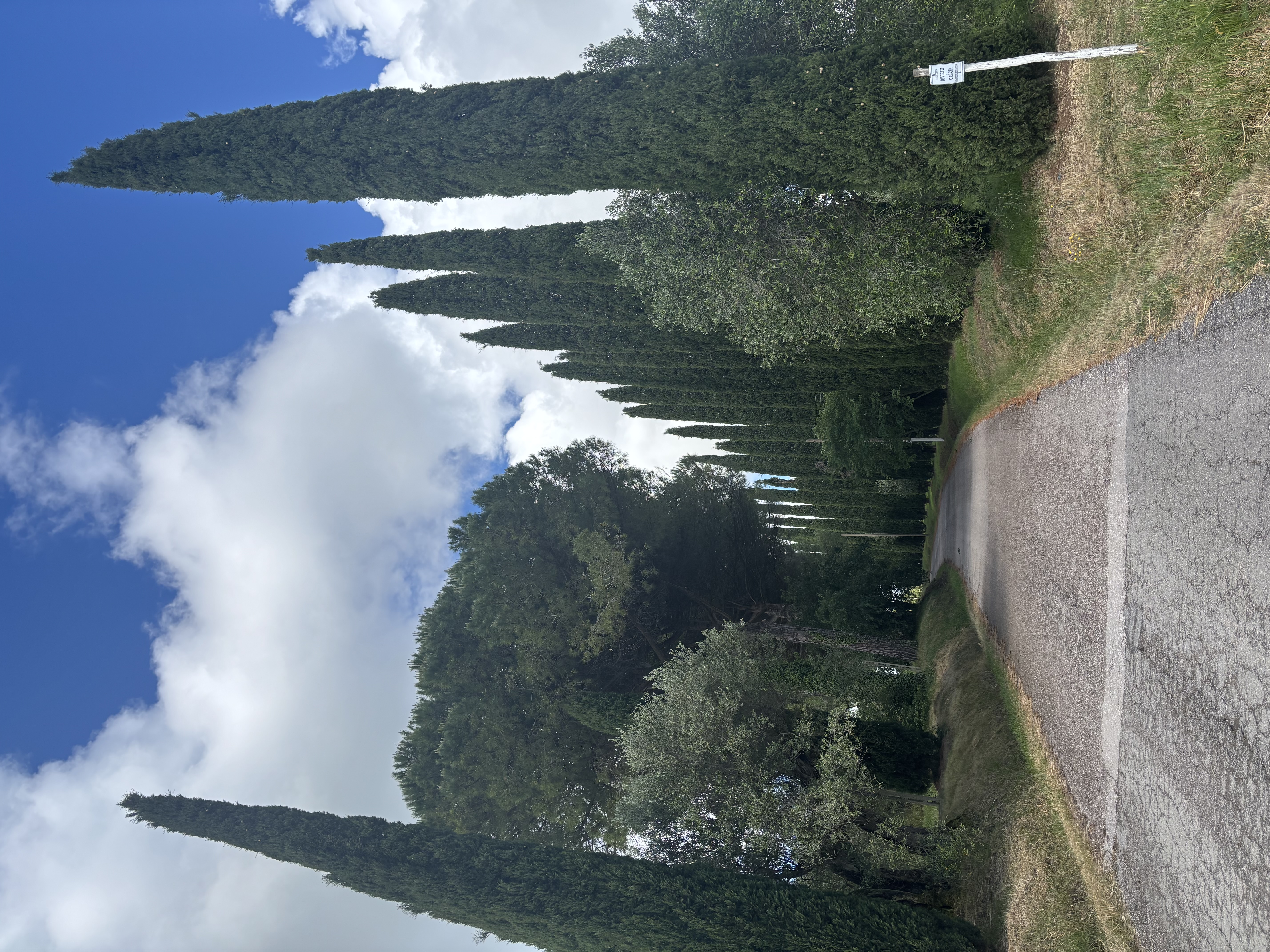
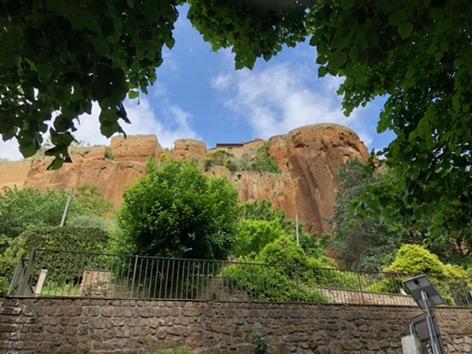
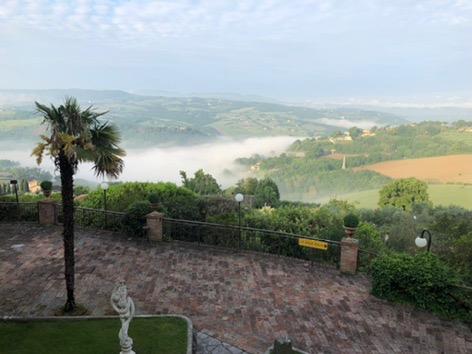
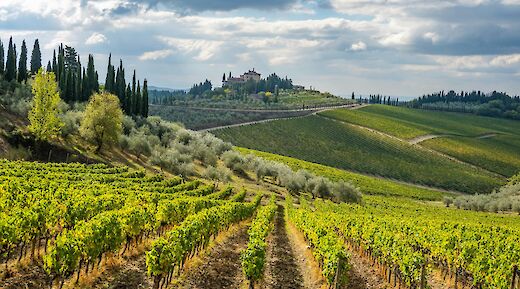
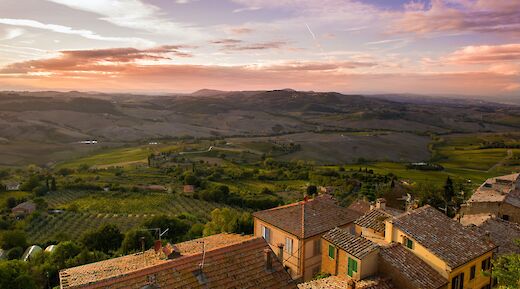
Tuscany and Umbria are lands of magnificence, where a single fresco can capture thousands of different dimensions and moods. You’ll encounter paths set between rolling hills, rich with vineyards and olive groves. Water courses through lush fields, and intensely blue lakes sit outside medieval villages. Roman and Etruscan remains of incomparable value decorate the landscape. By the end of this tour, after crossing through these two regions, one thing will be clear: humankind and nature can achieve a balanced fusion.

Loved it!!!
“The biking was spectacular! We did the seven day tour but next time we would do the 9 day because there are more stops. Our guide Paolo was fantastic. The hotels were also great!!’”
—Rita S
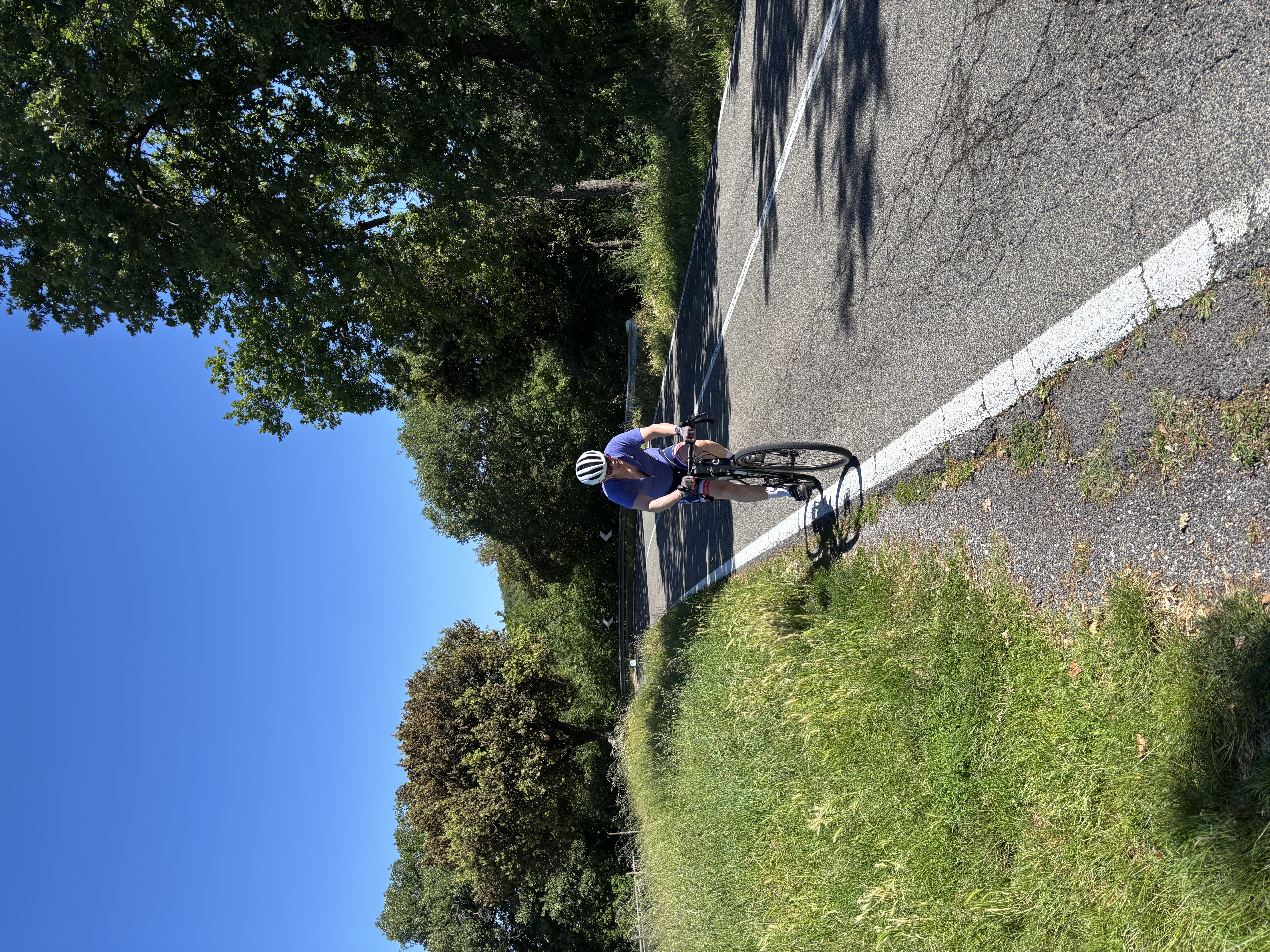
Loved it!!!
“The biking was spectacular! We did the seven day tour but next time we would do the 9 day because there are more stops. Paolo was fantastic. The hotels were also great!!’”
—Rita S
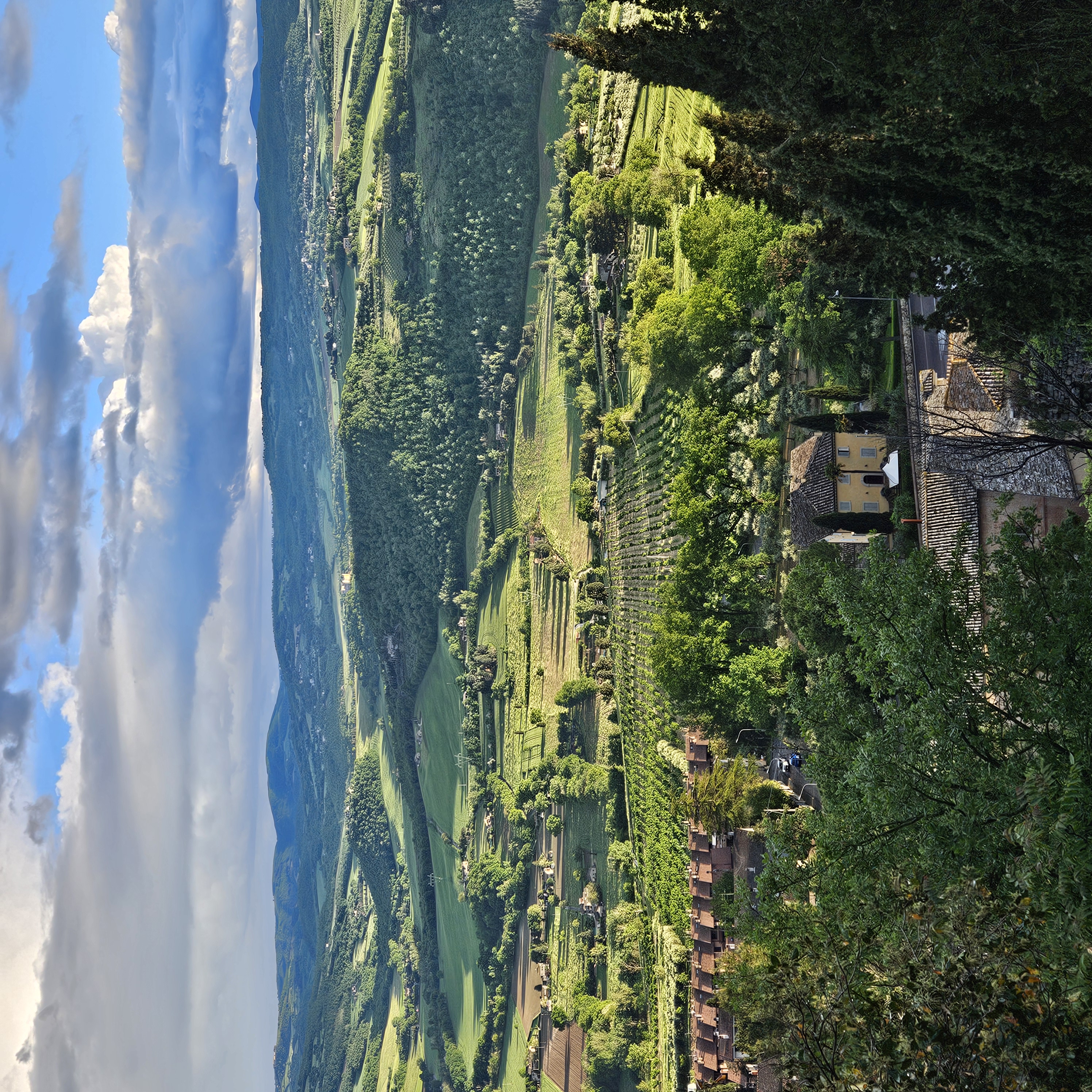
Challenging but worth it!
“Gorgeous views over every hill and string every bend. Challenging even on ebikes but spectacular views.”
—Mary-lou Huculak
Daily Program
Day 1: Arrival
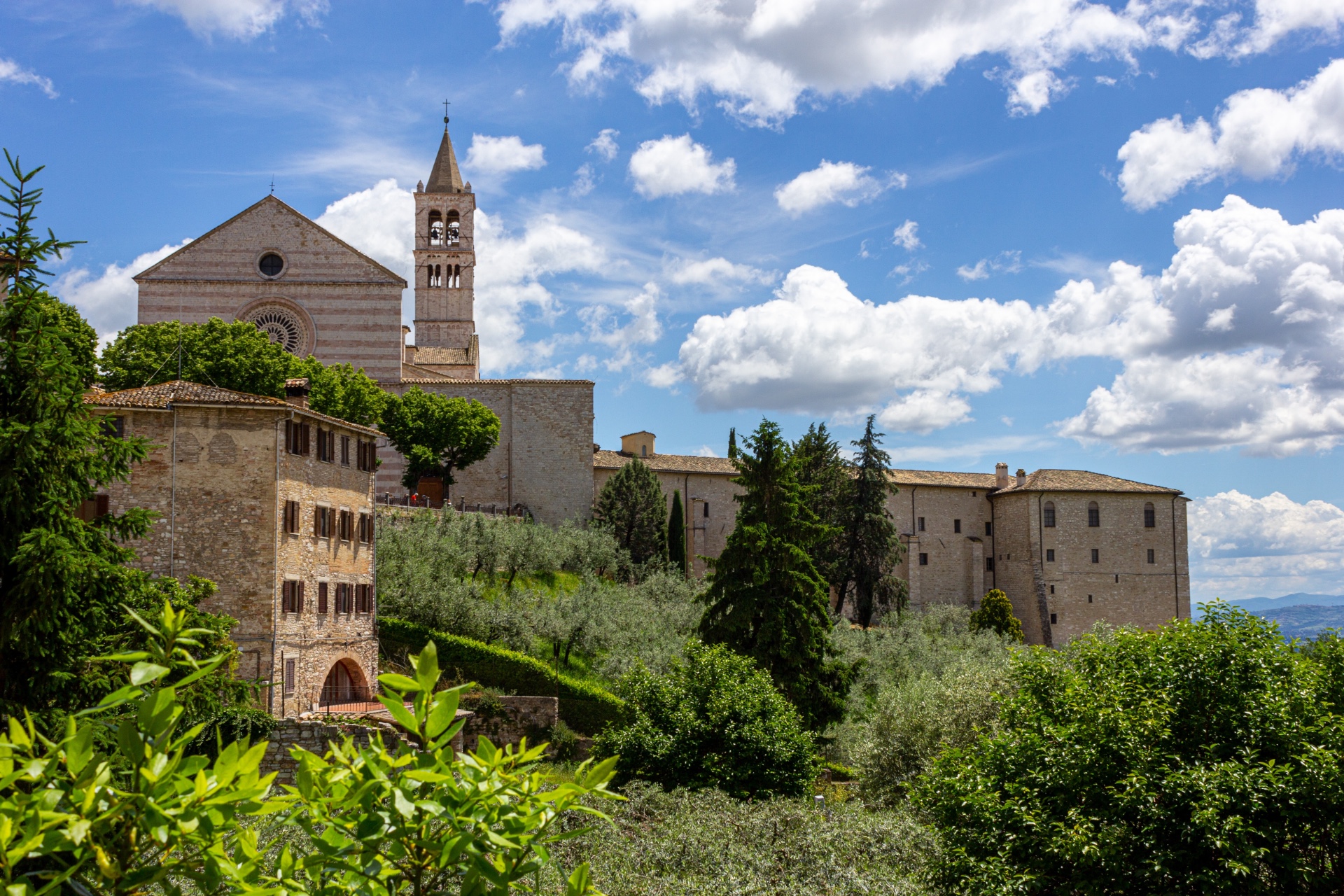
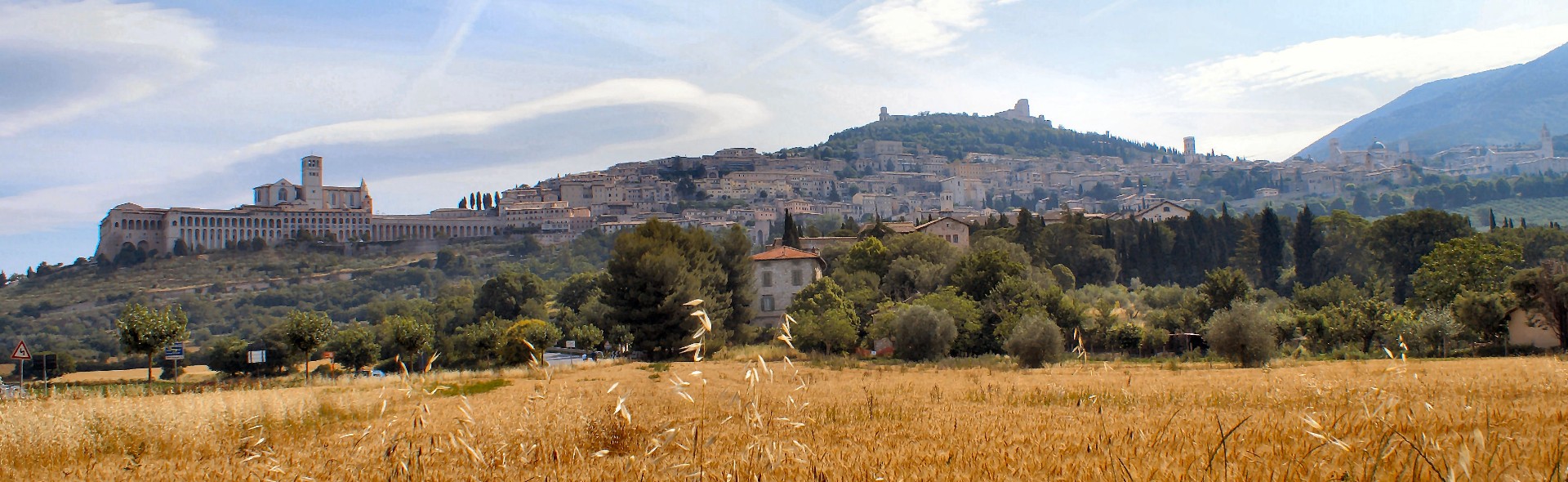
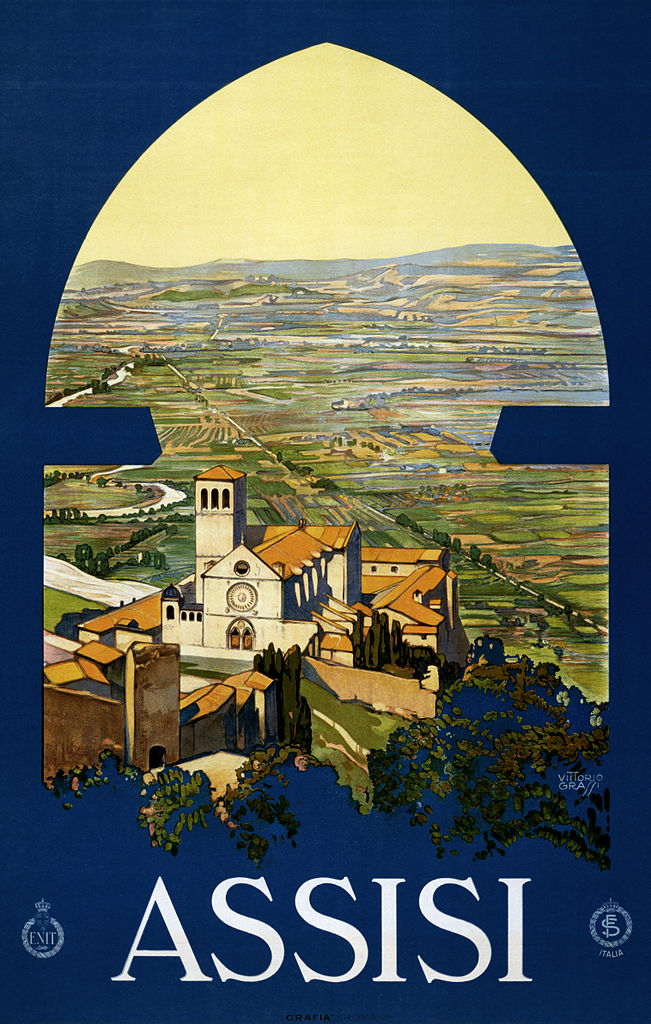
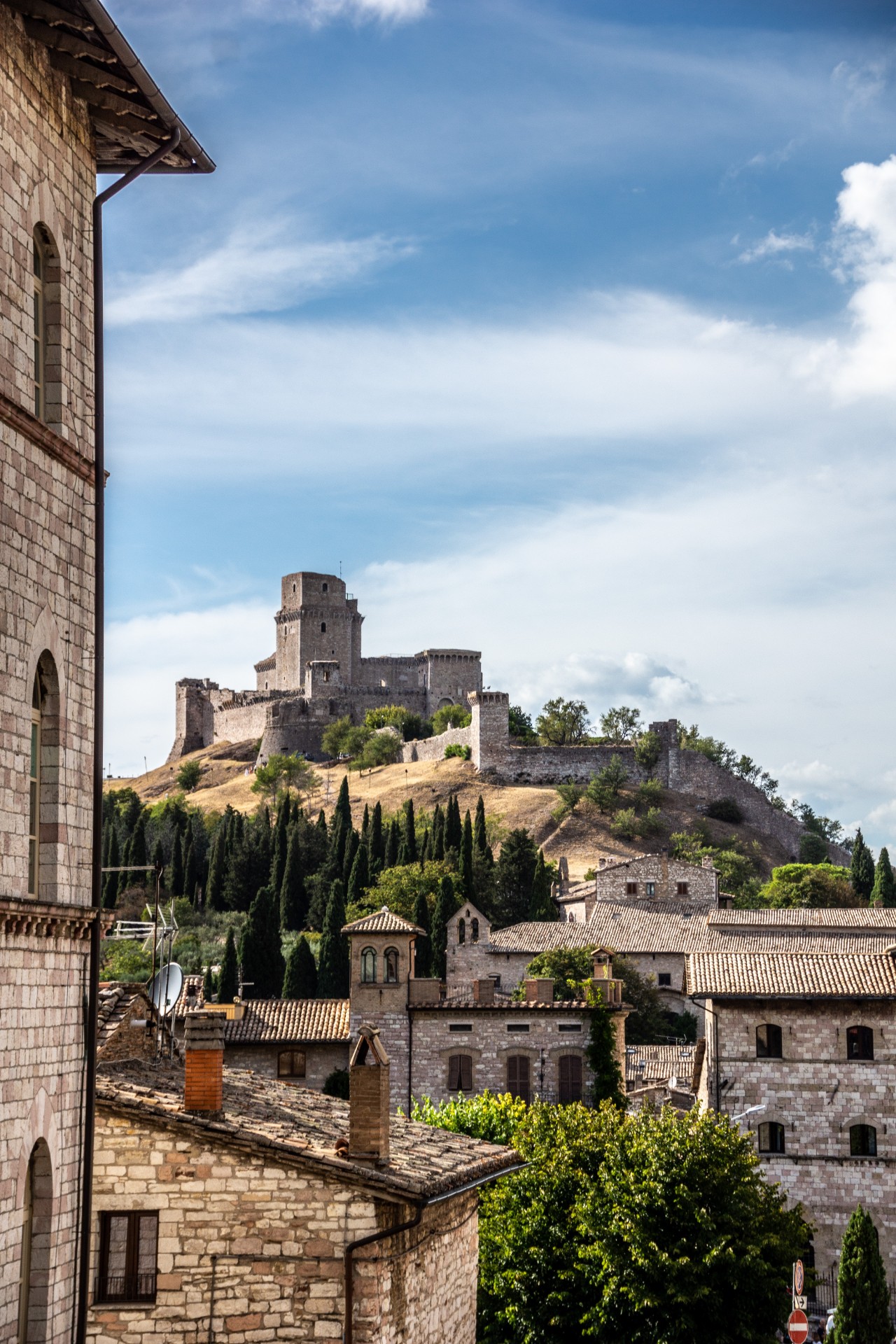
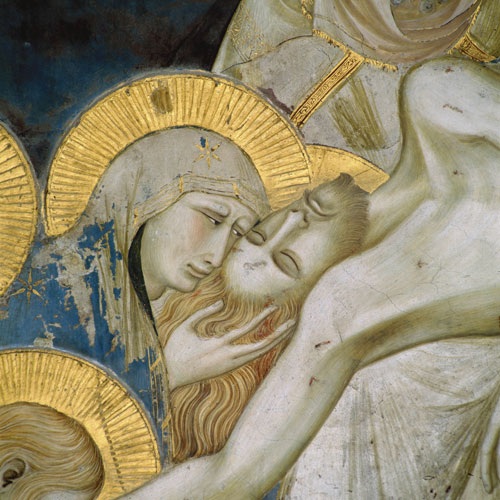
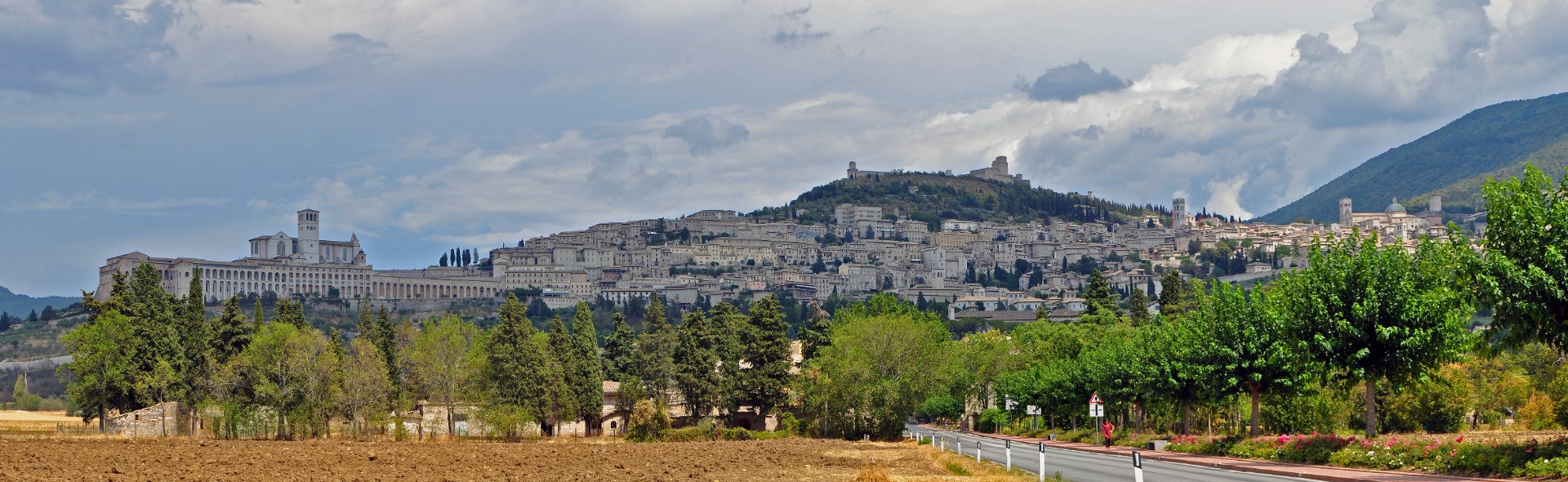
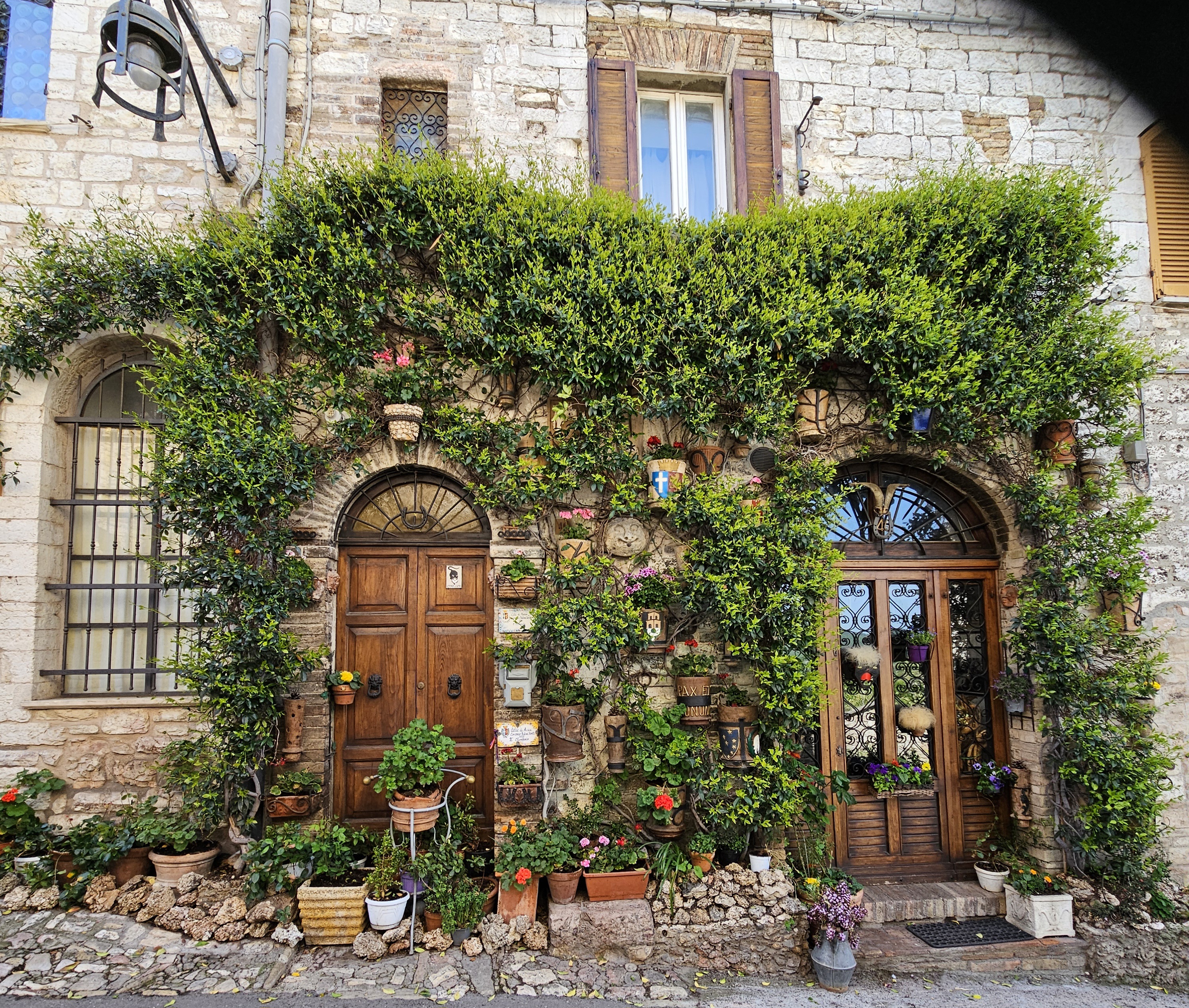
On the first day you arrive in Assisi, a medieval town of global renown which is rich in both famous and lesser-known artistic treasures. Embraced within its old town walls on the slopes of Mount Subasio, Assisi is a magical place and the fact that it has hardly changed since ancient times has preserved its charm. You cannot miss the opportunity to admire the Basilica of St. Francis, an architectural masterpiece which consists of two churches, one above the other, and is brimming with frescos by great masters such as Giotto, Cimabue and Simone Martini.
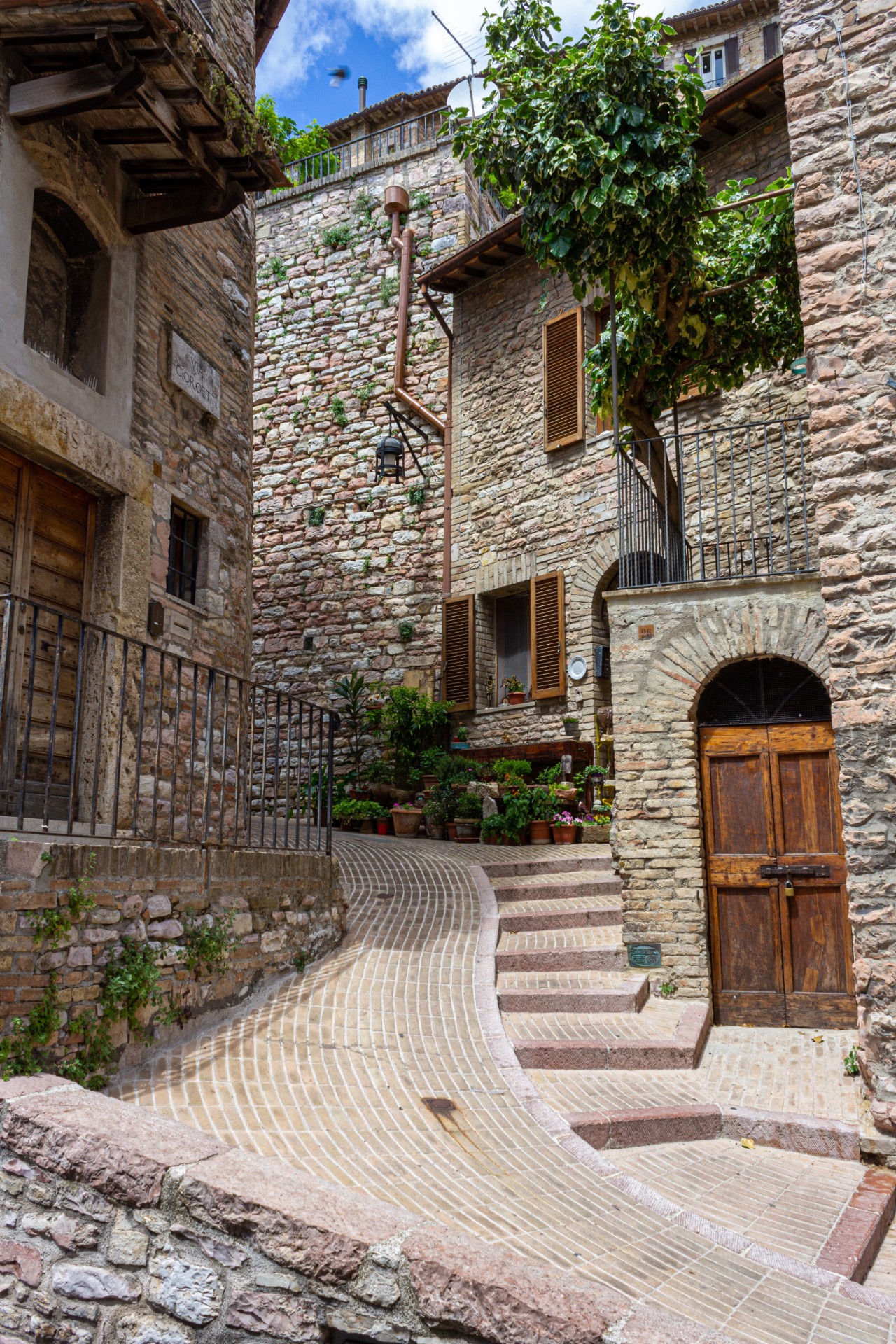
To fully appreciate this historical town, however, it is also worth visiting historical sites dating back to the Roman period, such as the Roman Forum with its archaeological remains and the Temple of Minerva. Wander the narrow streets and allow yourself to be enchanted by the beauty of all the town's buildings, both sacred and secular. At the end of the day: route briefing and bike setting.
Overnight in Assisi
Day 2: Assisi – Ponte San Giovanni
19 miles/31 km
Following the paths and roads of a part of the 'Valle Umbra' valley, dominated by hills thick with vineyards and olive groves, you arrive at Ponte S. Giovanni. Here you can visit the Ipogeo dei Volumni, which is an Etruscan tomb site discovered in 1840 and now classified as one of the most important monuments of the Etruscan period. This site, along with many other findings, is part of the Palazzone Archaeological Park.
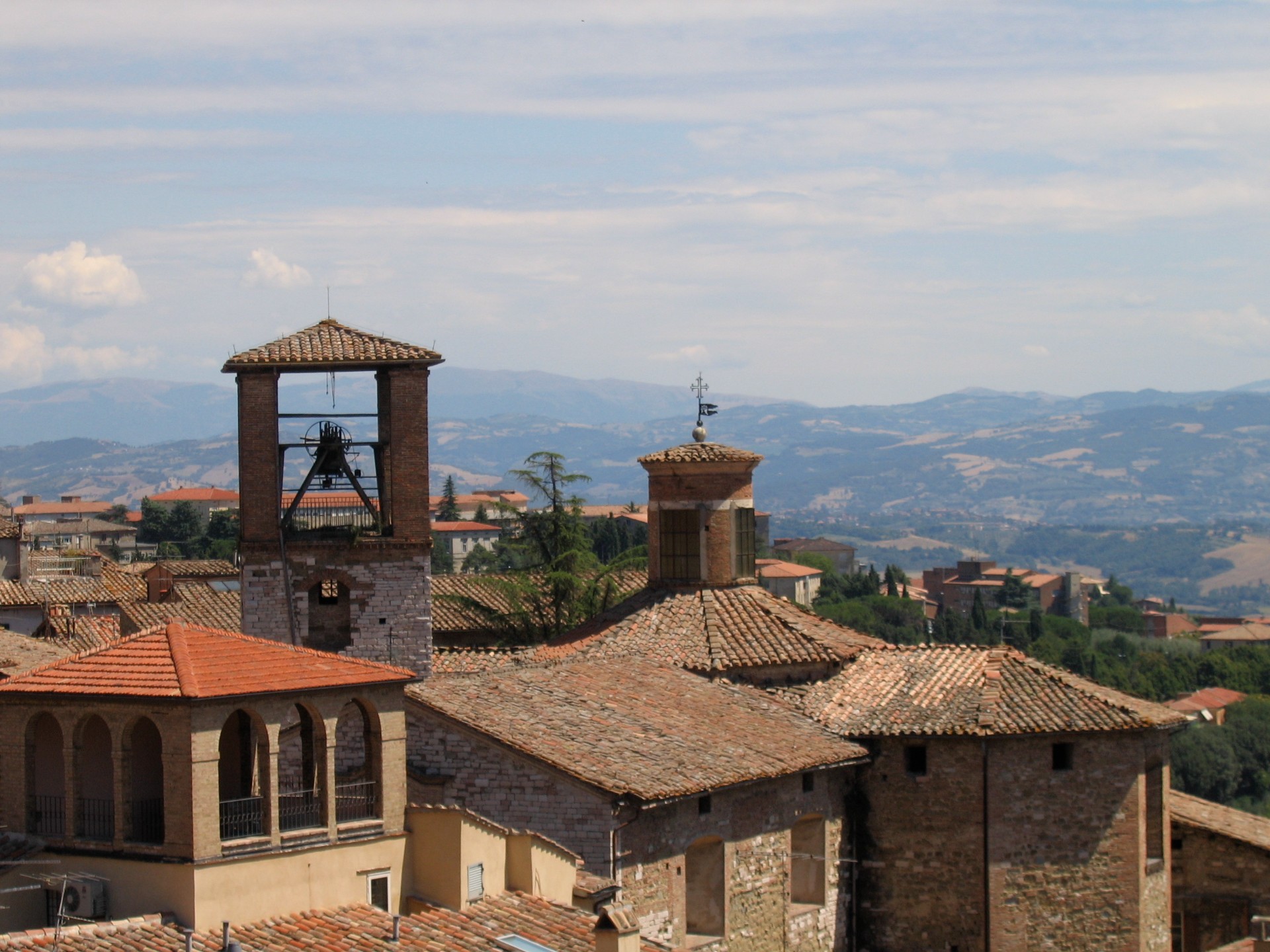
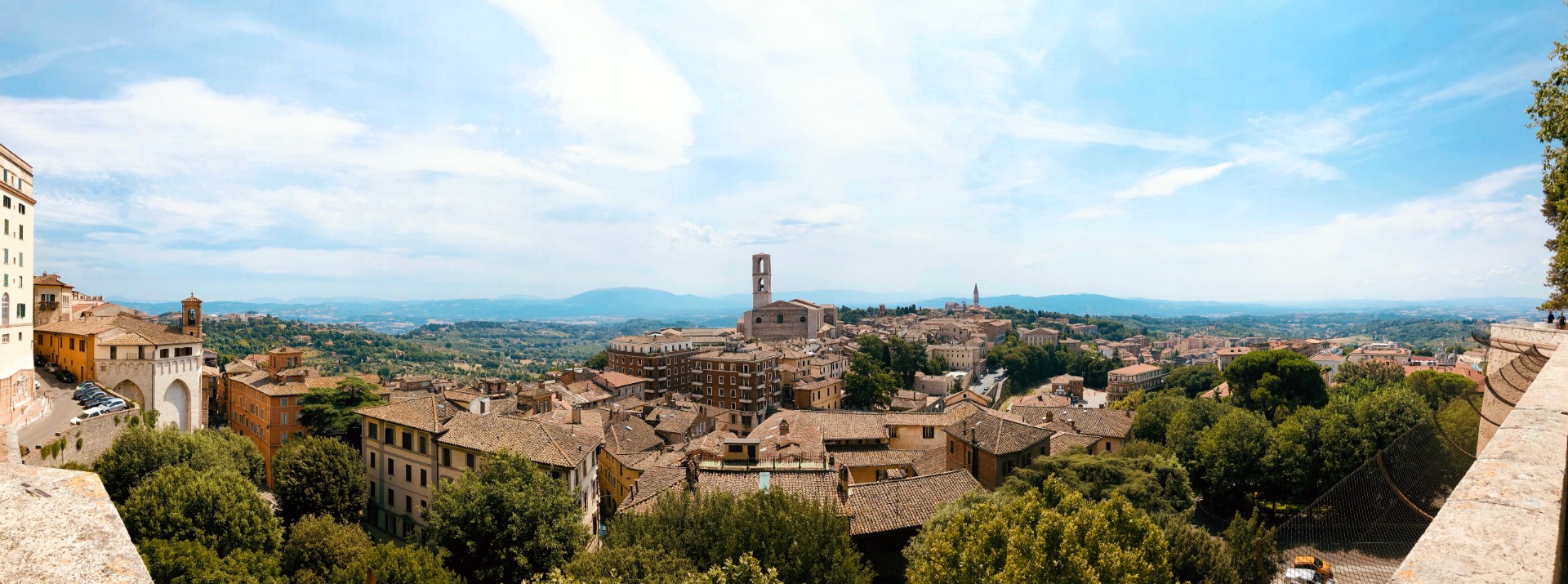
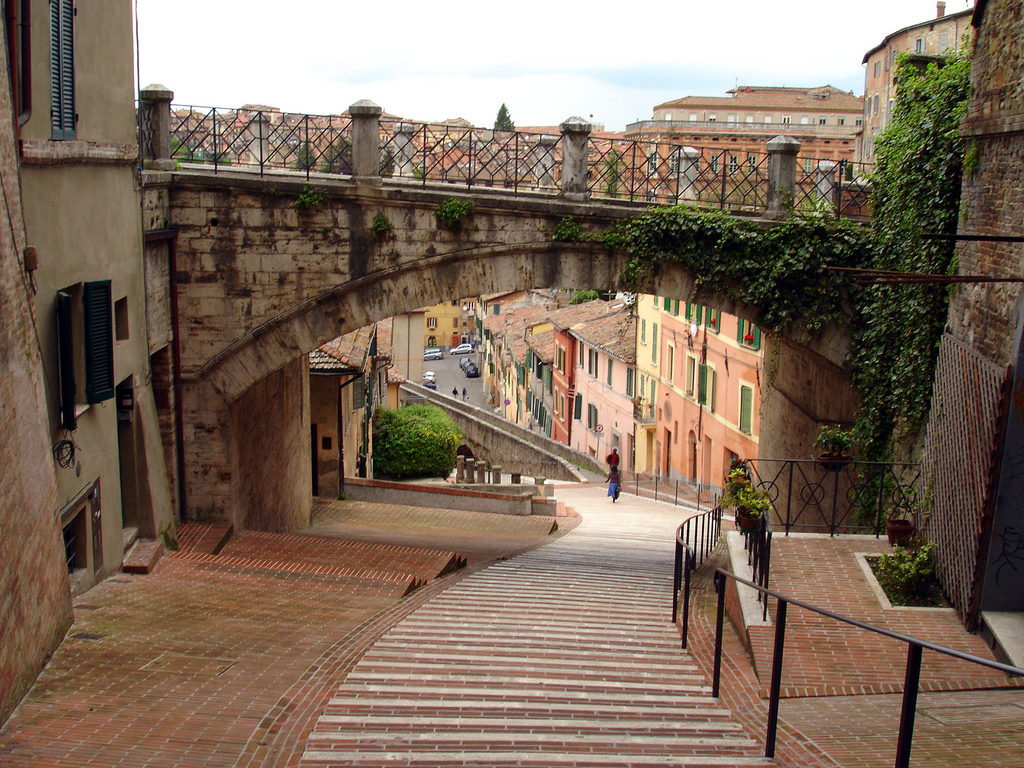
From Ponte San Giovanni you can also visit Perugia, taking the train for Sant'Anna station. In just a few minutes you are in the heart of Etrusca Perusia (Perugia) and you can appreciate the extraordinary Etruscan civilization by visiting the Etruscan Well (Pozzo Etrusco) and the necropolis in the suburbs as well as stopping to admire the old town walls and arches. Perugia is an eclectic and particularly beautiful city, rich in culture, architectural monuments, events, shops and characteristic wine bars where you can taste the famous Umbrian wines.
Overnight in Ponte San Giovanni
Day 3: Ponte San Giovanni – Passignano
40 miles/64 km
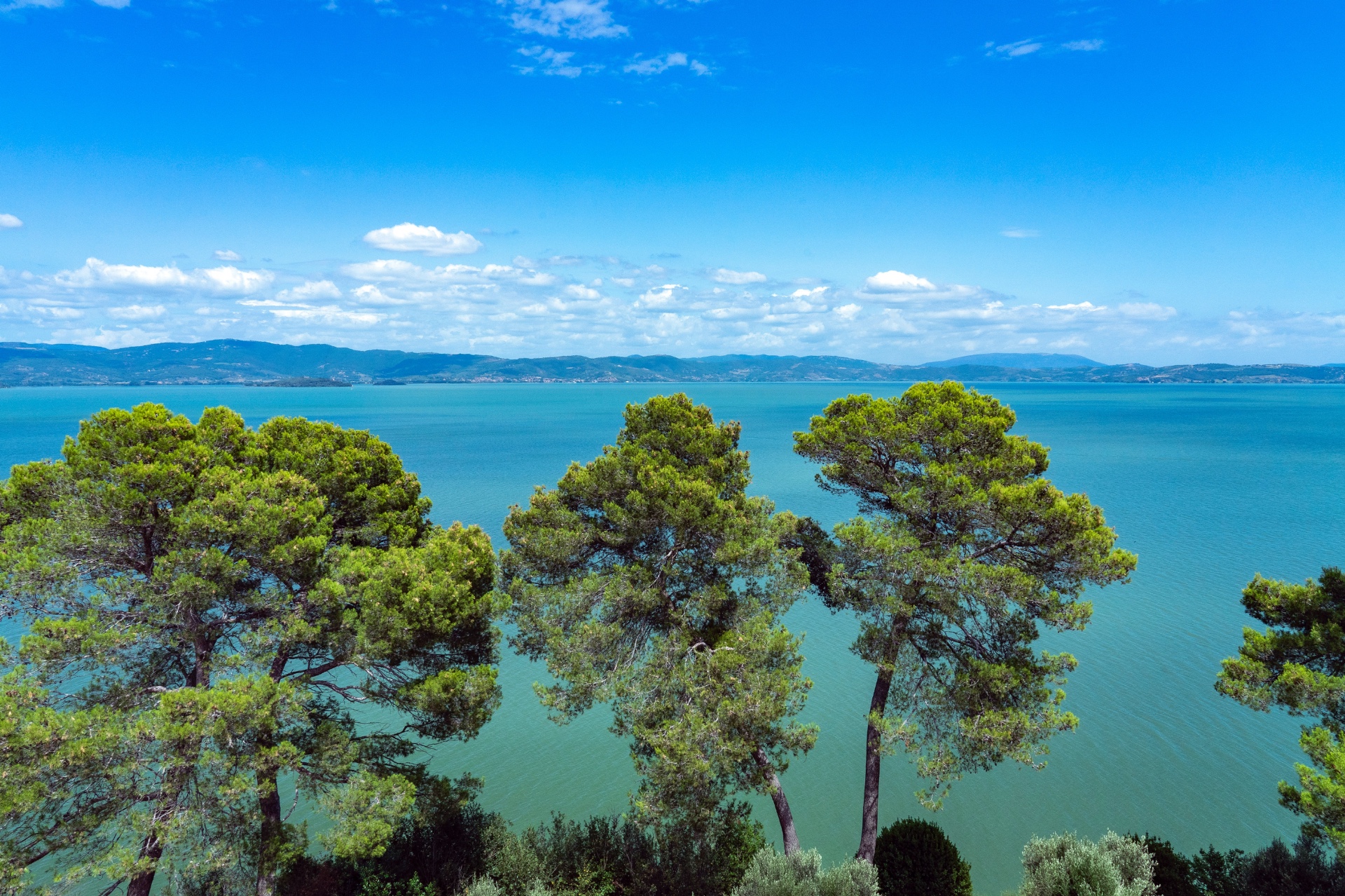
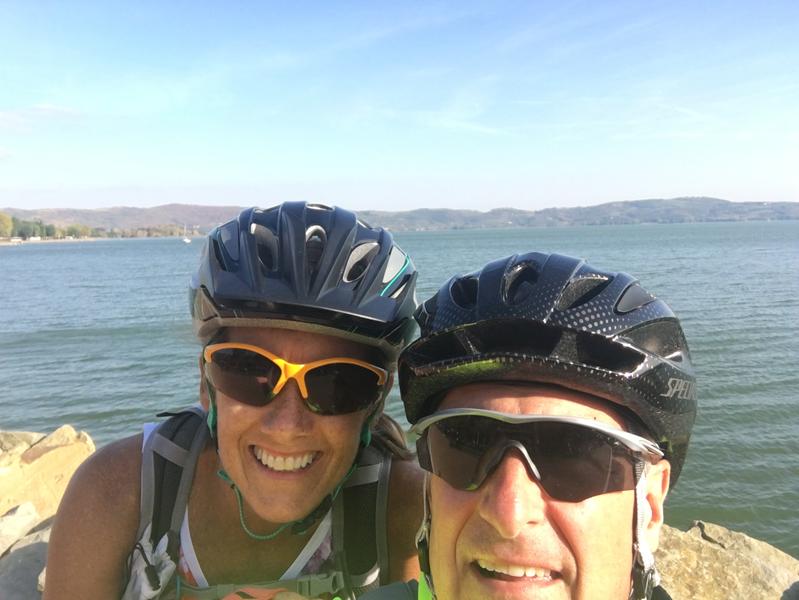
To reach Passignano you cycle along paths and roads which enjoy a panorama of the rolling green hills sloping down to the shores of Lake Trasimeno. Passignano is on the gently sloping northern shores, where the lake meets the rocks. The town is often referred to as l'isola felice (“the happy island”) because it is a meeting place for nature and history, art and folklore, peace and vitality.
It was along these north shores, between Malpasso and Passignano, that the epic battle between the Carthaginians and the Romans took place; the battle which marked the beginning of the legendary 20-year war between Hannibal and the Romans.
Overnight in Passignano
Day 4: Passignano – Cortona – Castiglione del Lago
32 miles/51 km
In the morning you leave Passignano to head for Castiglione del Lago, a charming village at the western shore of Lake Trasimeno. Your journey through Tuscany begins here, in the farmlands of the Val di Chiana, with the fragrance of its orchards.
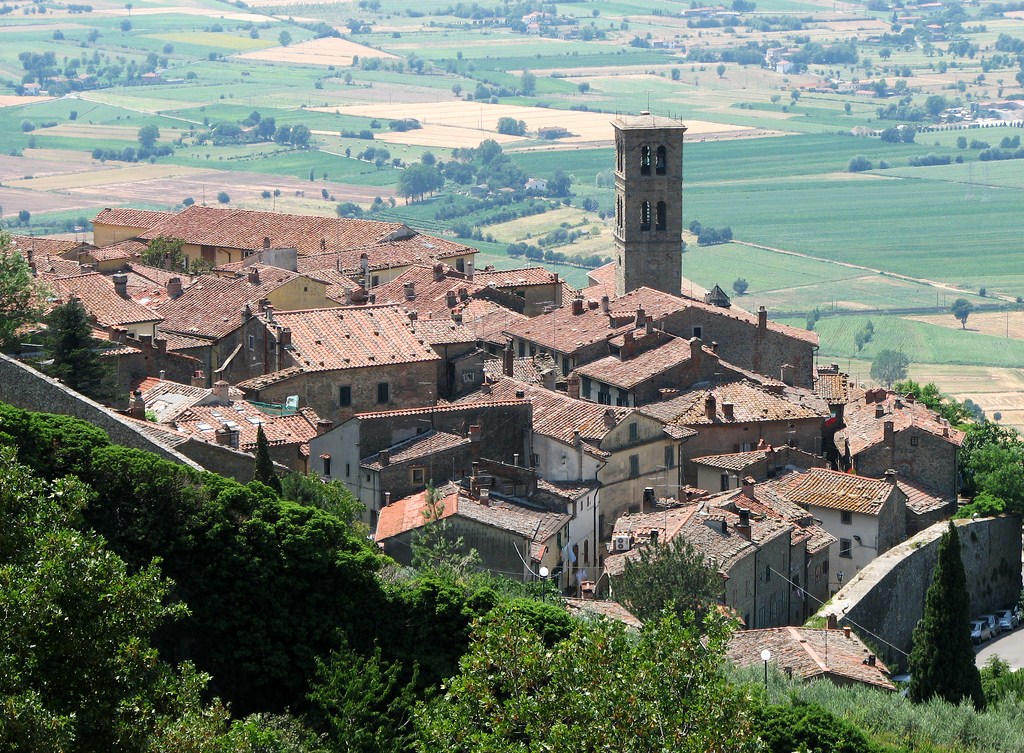
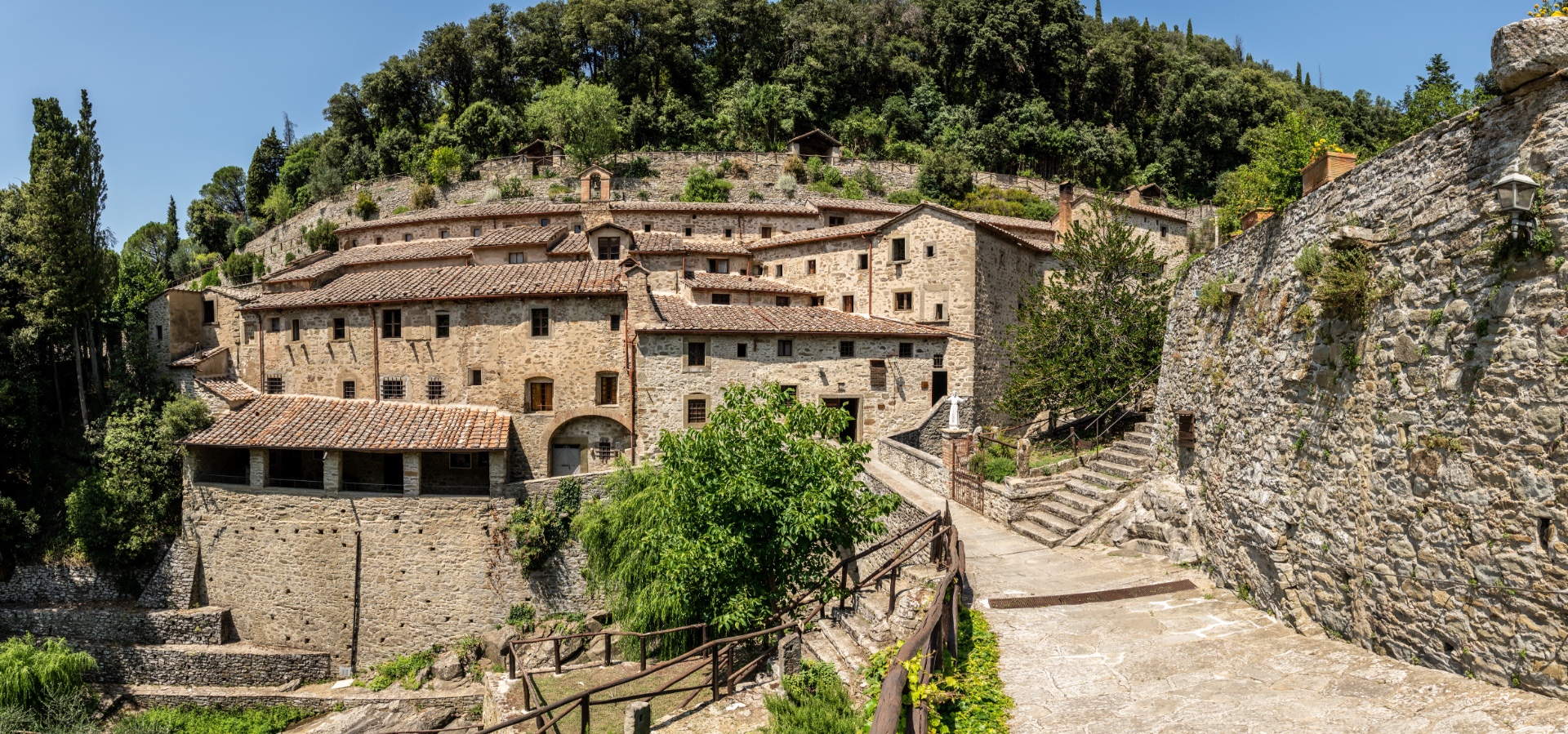
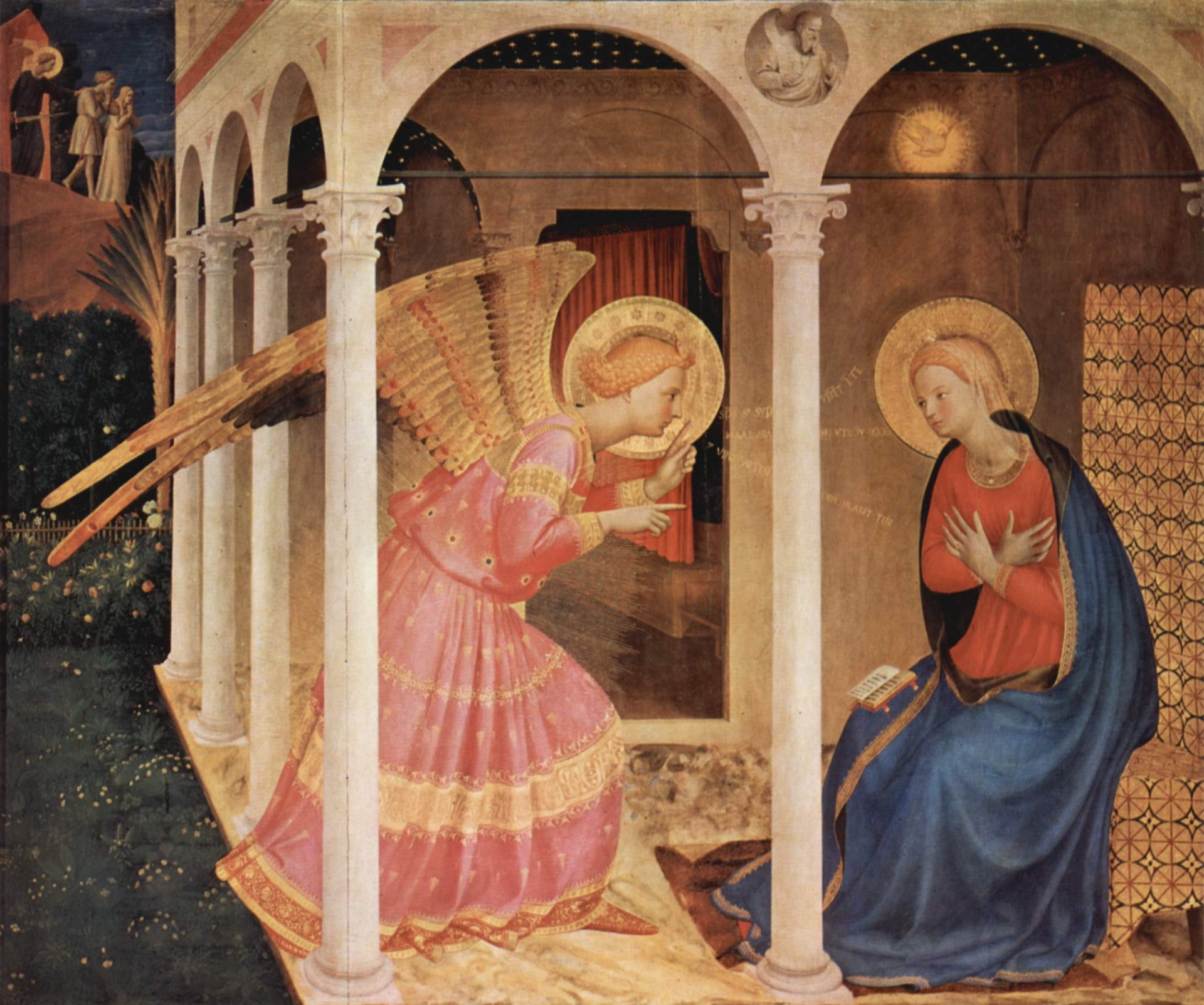
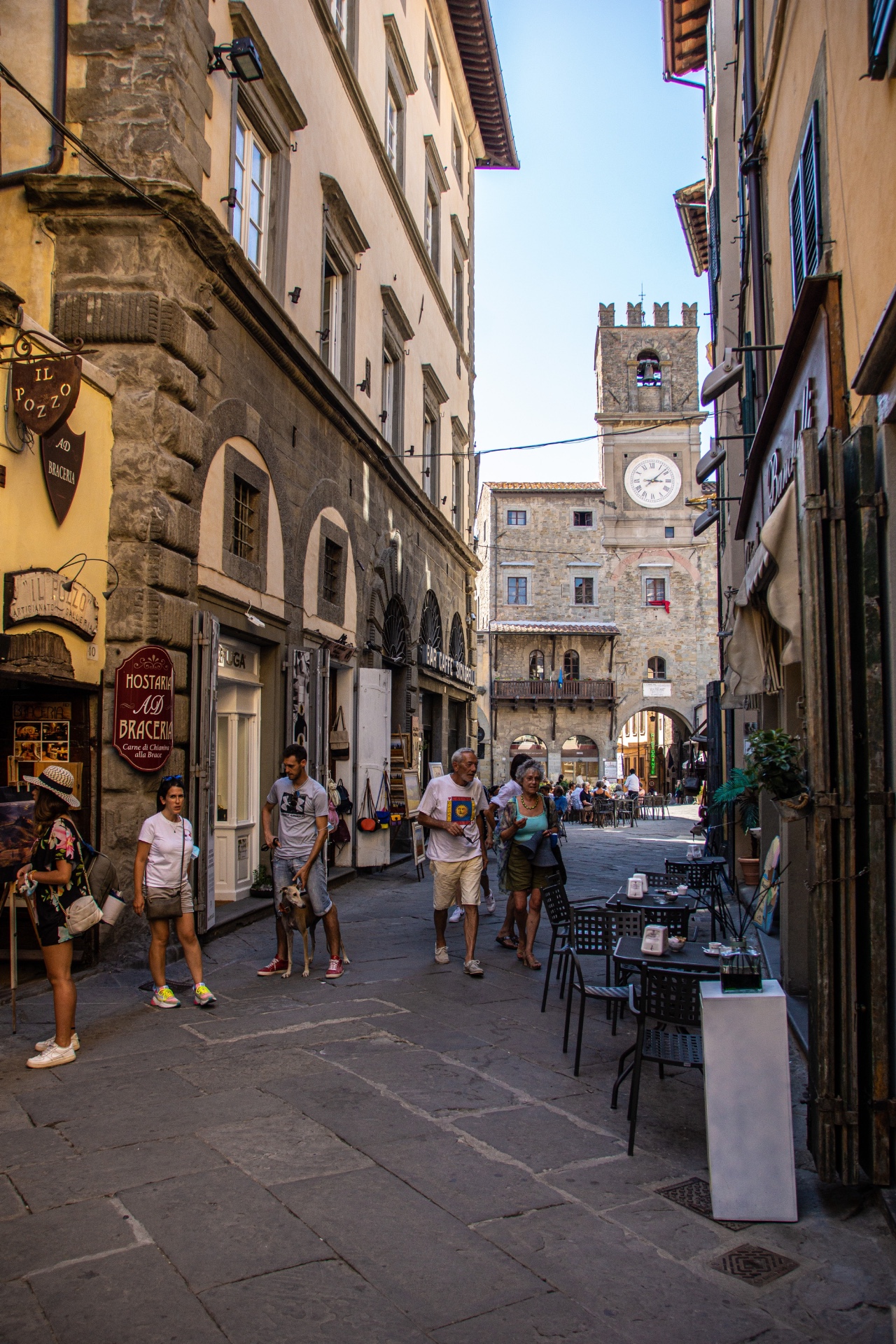
Your route, in fact, crosses a number of 'food trails' - cheese, fruit, olive oil, wine and Chianina beef - adding flavor to the list of attractions alongside history, art, human resourcefulness and water. Your Etruscan journey continues through legends and mysteries, ancient town walls and necropolis such as those of Cortona. This town is an important cultural and artistic center for the valley, well worth exploring and enjoying in all of its aspects, and something of interest can be found here for everyone: enthusiasts of history and art, lovers of nature and adventure, those keen on sport and fitness, food and wine experts and those interested in fashion and shopping.
Castiglione del Lago is built on a promontory and from the old center; you have a nice view over the lake and its islands. Evidence can be found in the town of both Etruscan and Roman origins and there is the 6th century castle Rocca Leone, built by Emperor Frederick II. The town is a real meeting place for nature and history, art and folklore, peace and vitality. From Castiglione del Lago you can visit Isola Maggiore, one of the three islands in Lago Trasimeno. It has less than 100 permanent residents who live in homes dating back to the 15th century.
Overnight in Castiglione del Lago
Day 5: Castiglione del Lago – Orvieto
43 miles/70 km OR 45 miles/73 km with detour to Chiusi
The first part of this stretch offers you some wonderful atmospheric scenery. You pedal immersed in the green landscape slight hilly landscape of the surrounding areas of Lake Trasimeno and will have a glimpse of Lago di Chiusi.
You can decide to make a detour and visit Chiusi, which rises on a hill on the southern side of the Valdichiana. Between 7th and 5th century B. C. Chiusi got to its greatest splendor under King Porsenna’s domination. Among the most interesting monuments to see in Chiusi we point out: the Cathedral, the Chiesa di San Francesco, the Bishop’s Palace, the Museo della Cattedra, the remains of the Fortress and Porsenna’s labyrinth.
You then climb up to Città della Pieve, where are several important monuments from the 13th to 17th centuries. The town is the homeland of Perugino, the Maestro of Raphael. The city retains some of his most important works. Pedaling along a route with short rises and dips until you reach Orvieto, an ancient town rich in art and culture. It is worthwhile to book an extra night in this lovely town.
Overnight in Orvieto
Day 6: Orvieto – Todi
28 miles/45 km
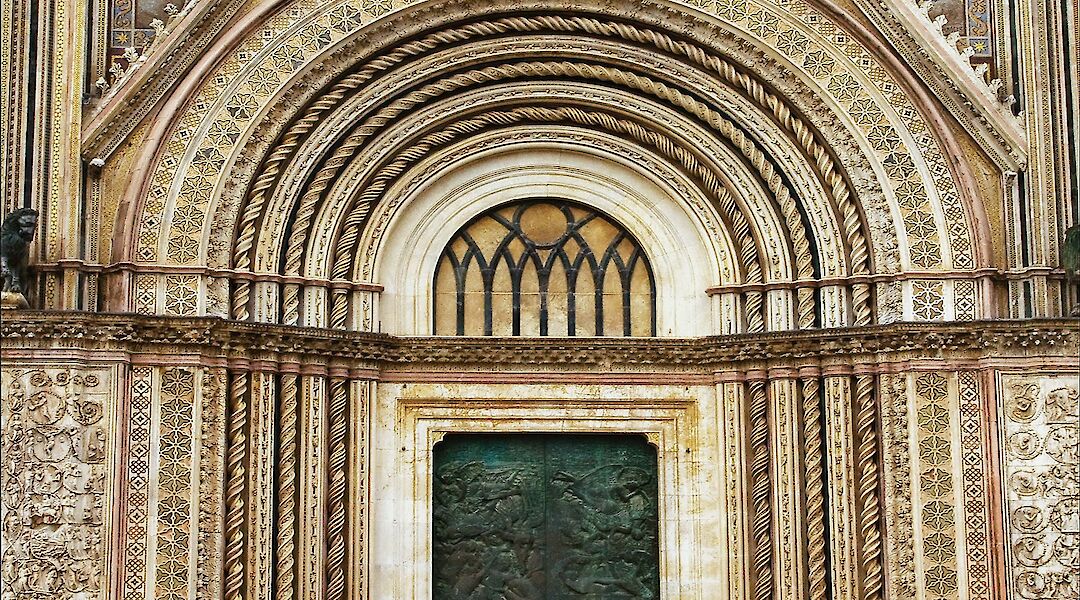
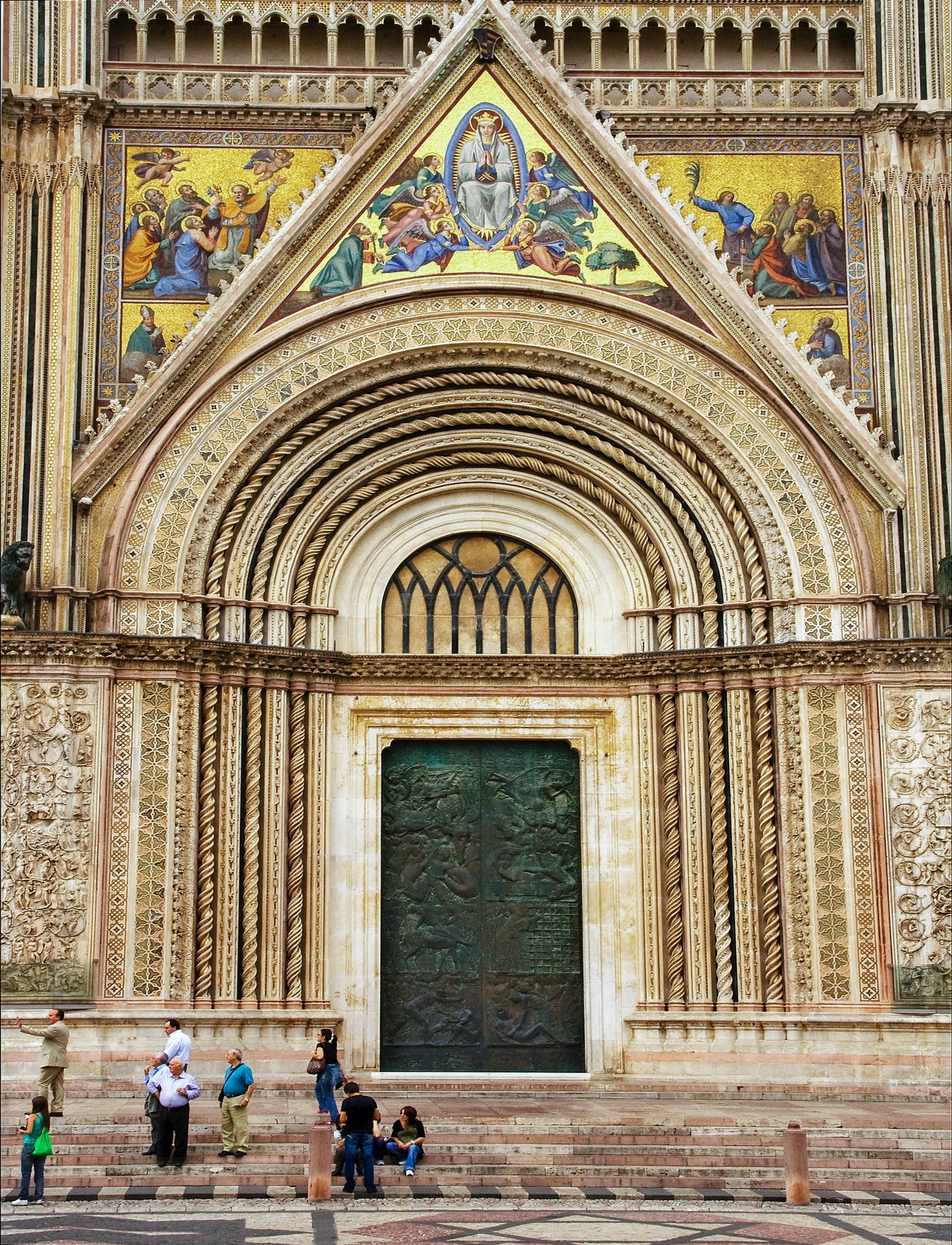
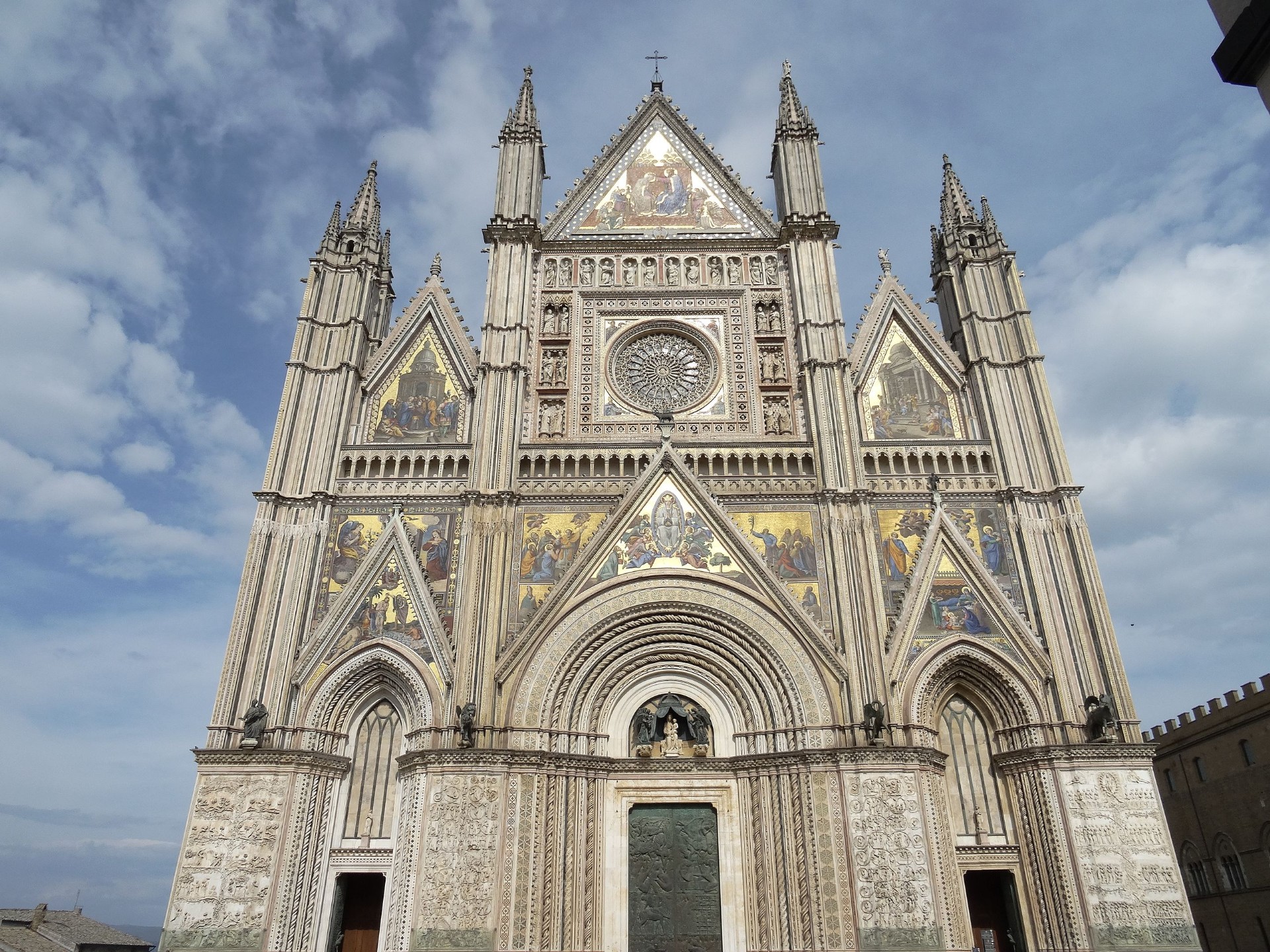
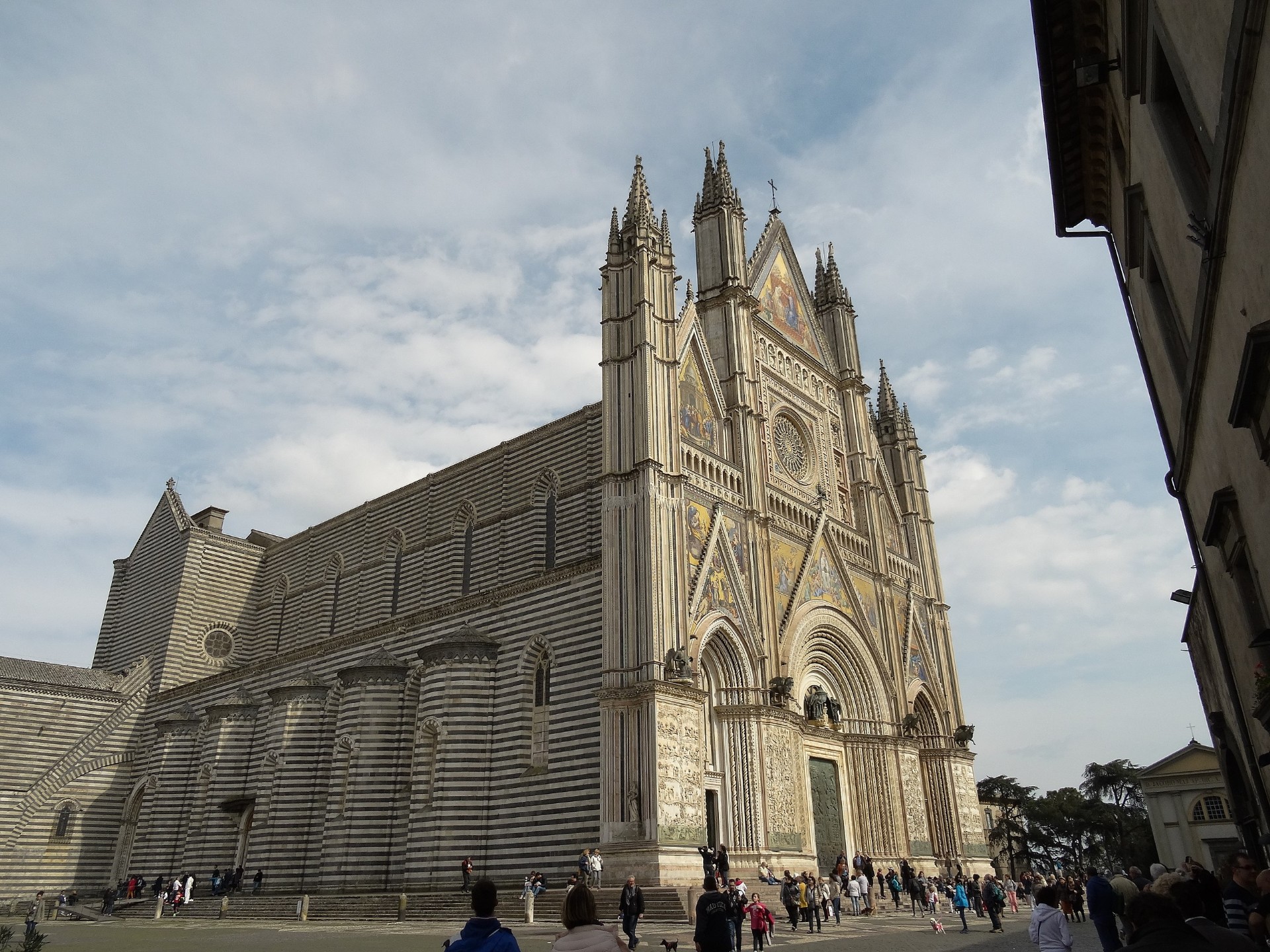
Before leaving the splendid Umbrian town of Orvieto don't forget to visit the Duomo, a masterpiece of Italian Gothic architecture. Its façade is decorated with magnificent bas-reliefs and sculptures designed by the Sienese architect Lorenzo Maitani. Also not to be missed are the Pozzo di San Patrizio, a great work of hydro-engineering built by request of Pope Clement VII to ensure a water supply to the town in the case of a siege. He had taken refuge in Orvieto during the Sack of Rome in 1527.
In the saddle once more, you leave Orvieto to reach a panoramic road by Lake Corbara. Pedal slowly, enjoy all the shades of color nature offers you and stop to breathe the fresh air. If you are a keen historian remember that near here, where the Paglia and Tiber rivers meet, are the remains of what was an important river port in Roman times (The Roman Port of Pagliano).
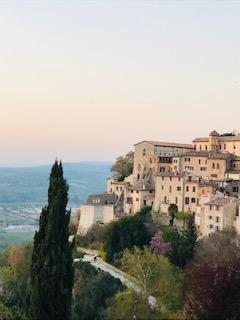
Today's ride finishes in Todi, which in 1992 Prof. Richard S. Levine of U.S. Kentucky University defined as “the most livable town in the world”. Todi is another Etruscan town, but was founded between the 8th and 7th centuries BCE by the Umbri (whose settlements were on the other side of the Tiber from the Etruscans) and named Tutere, which means 'boundary town'. In 340 BCE the town developed significantly when it was conquered by the Romans. It acquired the name Colonia Julia Fida Tuder (1st century BCE) and was granted the right to mint its own currency. The town's most beautiful Roman constructions were built after it became part of the Roman Clustumina tribe.
Overnight in Todi.
Day 7: Todi – Bevagna – Cannara – Assisi
34 miles/55 km
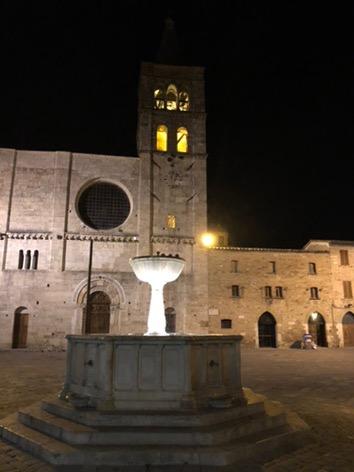
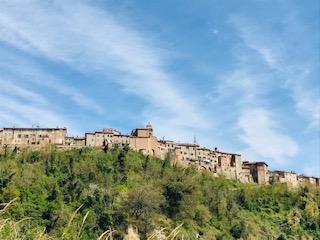
In the morning you leave Todi and pedal through a hilly landscape of farmed fields and vineyards to get to Bevagna.This charming medieval village, listed as one of the most beautiful villages in Italy, is rich in art, history and cultural events which celebrate folklore and traditions (such as the 'Mercato delle Gaite'). If you visit the village starting from the upper part you find some important Roman monuments dating back to the 1st -2nd century C.E.
You can see the remains of the Roman forum and of a Roman temple with half-columns and pilasters. Not far from this is the site of the Roman baths, of which the frigidarium remains. This is decorated with a very fine mosaic in black and white tiles with designs inspired by the sea. Walking along the narrow streets you come across the Roman theatre, of which evident and significant signs are still visible and which determines the curve of the houses built on the remains of this great civilization. The other buildings are of medieval and renaissance origin and demonstrate a perfect example of architectural harmony between the forces of municipal hegemony and ecclesiastical power.
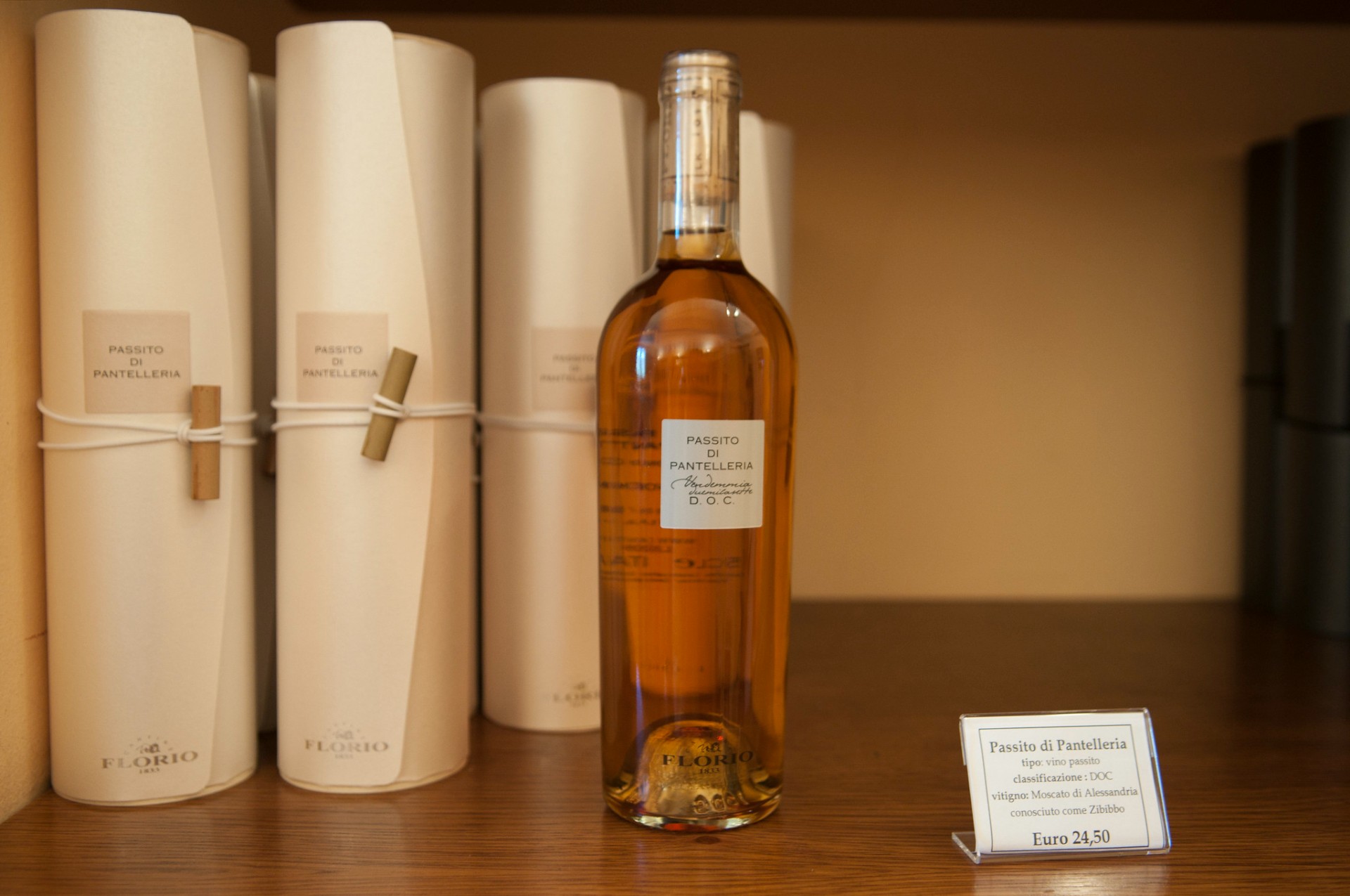
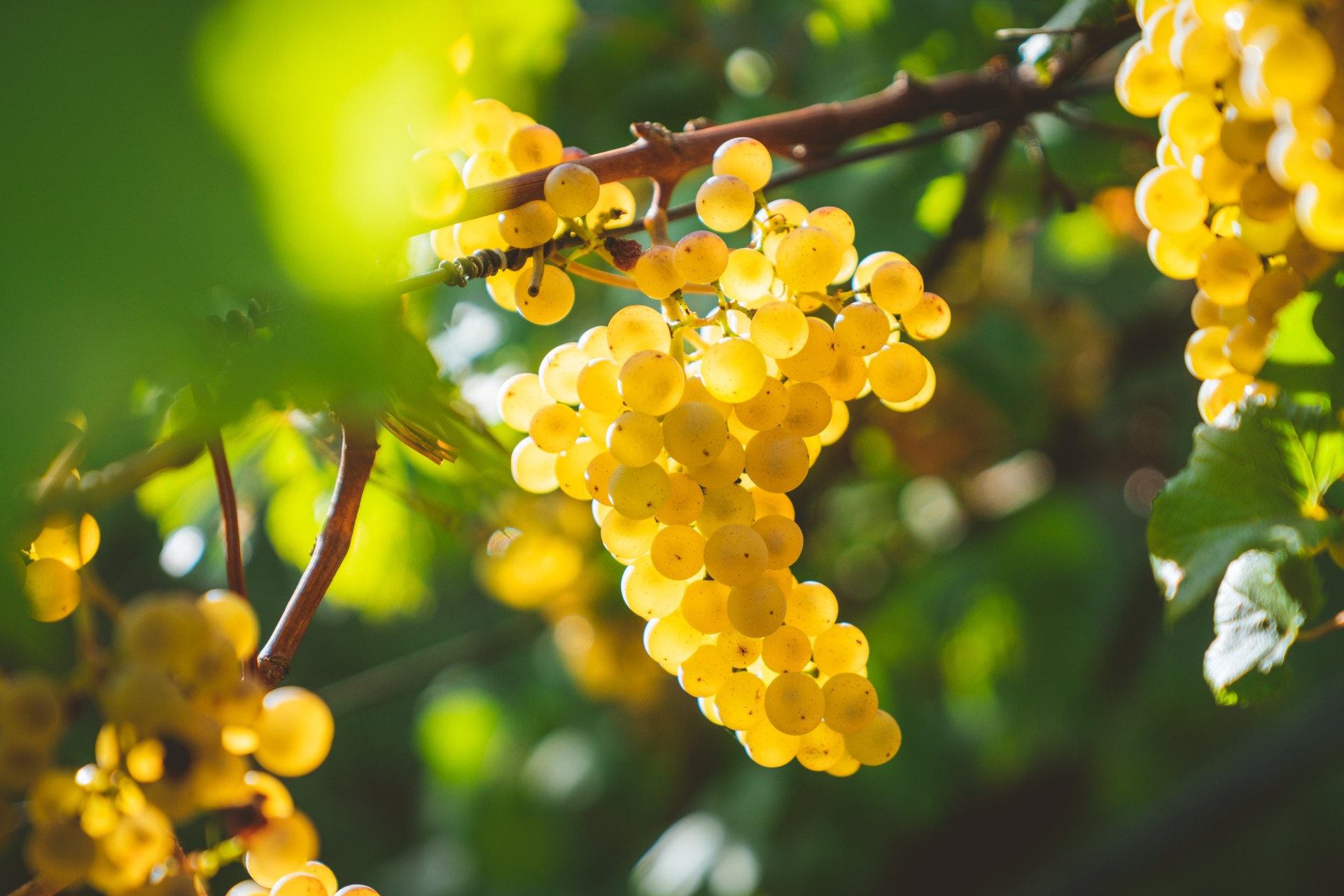
Leaving Bevagna you pass through lush, fertile land which belongs to the Sagrantino DOCG area. This is a wine with definite character and intense flavor, which is famous worldwide. Your route takes you to Cannara, which rises on the left bank of the Topino river and is situated almost at the center of the Valle Umbra in an area which in ancient times was wetland (known to the Romans as Lacus Umber). Cannara, in fact, derives its name from 'canna' (cane), an aquatic plant which still thrives today. Historians reckon that the first settlements in this marshy area were founded in around 1000 C.E.
You are now coming to the end of this evocative journey through the art, history and nature of the two unique and uncontaminated regions of Umbria and Tuscany. The last stretch of your trip brings you to Assisi.
Embraced within its old town walls, Assisi is a serene and atmospheric town which is a symbol of peace and harmony. It is a place of saints, churches, monasteries, and convents; buildings in which devotion and art live together in a symbiosis which few places have ever equaled. A grand example of this is the Basilica of St. Francis.
Nevertheless, in Assisi the secular buildings in the town also blend in perfectly with the religious architecture. Crossing the main square, Piazza del Comune, you can admire secular medieval buildings such as the Palazzo del Capitano del Popolo along with the Roman temple of Minerva, which has now become the Church of Saint Mary above Minerva. At the end of the town square, if you go into the Museo del Foro Romano, you are effectively turning back to pass under the present-day square. In the vaults here you can admire the original paving and the remains of impressive masonry and sculptures. The magic of this town can also be felt in the evening, sipping a glass of wine in one of the characteristic local wine bars, or at night when you wander the tastefully lit streets and alleys.
Overnight in Assisi.
Day 8: Departure from Assisi
Day 1: Arrival
On the first day you arrive in Assisi, a medieval town of global renown which is rich in both famous and lesser-known artistic treasures. Embraced within its old town walls on the slopes of Mount Subasio, Assisi is a magical place and the fact that it has hardly changed since ancient times has preserved its charm. You cannot miss the opportunity to admire the Basilica of St. Francis, an architectural masterpiece which consists of two churches, one above the other, and is brimming with frescos by great masters such as Giotto, Cimabue and Simone Martini.
To fully appreciate this historical town, however, it is also worth visiting historical sites dating back to the Roman period, such as the Roman Forum with its archaeological remains and the Temple of Minerva. Wander the narrow streets and allow yourself to be enchanted by the beauty of all the town's buildings, both sacred and secular. At the end of the day: route briefing and bike setting.
Overnight in Assisi
Day 2: Assisi – Ponte San Giovanni
19 miles/31 km
Following the paths and roads of a part of the 'Valle Umbra' valley, dominated by hills thick with vineyards and olive groves, you arrive at Ponte S. Giovanni. Here you can visit the Ipogeo dei Volumni, which is an Etruscan tomb site discovered in 1840 and now classified as one of the most important monuments of the Etruscan period. This site, along with many other findings, is part of the Palazzone Archaeological Park.
From Ponte San Giovanni you can also visit Perugia, taking the train for Sant'Anna station. In just a few minutes you are in the heart of Etrusca Perusia (Perugia) and you can appreciate the extraordinary Etruscan civilization by visiting the Etruscan Well (Pozzo Etrusco) and the necropolis in the suburbs as well as stopping to admire the old town walls and arches. Perugia is an eclectic and particularly beautiful city, rich in culture, architectural monuments, events, shops and characteristic wine bars where you can taste the famous Umbrian wines.
Overnight in Ponte San Giovanni
Day 3: Ponte San Giovanni – Passignano
40 miles/64 km
To reach Passignano you cycle along paths and roads which enjoy a panorama of the rolling green hills sloping down to the shores of Lake Trasimeno. Passignano is on the gently sloping northern shores, where the lake meets the rocks. The town is often referred to as l'isola felice (“the happy island”) because it is a meeting place for nature and history, art and folklore, peace and vitality.
It was along these north shores, between Malpasso and Passignano, that the epic battle between the Carthaginians and the Romans took place; the battle which marked the beginning of the legendary 20-year war between Hannibal and the Romans.
Overnight in Passignano
Day 4: Passignano – Cortona – Castiglione del Lago
32 miles/51 km
In the morning you leave Passignano to head for Castiglione del Lago, a charming village at the western shore of Lake Trasimeno. Your journey through Tuscany begins here, in the farmlands of the Val di Chiana, with the fragrance of its orchards.
Your route, in fact, crosses a number of 'food trails' - cheese, fruit, olive oil, wine and Chianina beef - adding flavor to the list of attractions alongside history, art, human resourcefulness and water. Your Etruscan journey continues through legends and mysteries, ancient town walls and necropolis such as those of Cortona. This town is an important cultural and artistic center for the valley, well worth exploring and enjoying in all of its aspects, and something of interest can be found here for everyone: enthusiasts of history and art, lovers of nature and adventure, those keen on sport and fitness, food and wine experts and those interested in fashion and shopping.
Castiglione del Lago is built on a promontory and from the old center; you have a nice view over the lake and its islands. Evidence can be found in the town of both Etruscan and Roman origins and there is the 6th century castle Rocca Leone, built by Emperor Frederick II. The town is a real meeting place for nature and history, art and folklore, peace and vitality. From Castiglione del Lago you can visit Isola Maggiore, one of the three islands in Lago Trasimeno. It has less than 100 permanent residents who live in homes dating back to the 15th century.
Overnight in Castiglione del Lago
Day 5: Castiglione del Lago – Città della Pieve
19 miles/30 km
The first part of this stretch offers you some wonderful atmospheric scenery. You pedal immersed in the green landscape slight hilly landscape of the surrounding areas of Lake Trasimeno and will have a glimpse of Lago di Chiusi.
You can decide to make a detour and visit Chiusi, which rises on a hill on the southern side of the Valdichiana. Between 7th and 5th century B. C. Chiusi got to its greatest splendor under King Porsenna’s domination. Among the most interesting monuments to see in Chiusi we point out: the Cathedral, the Chiesa di San Francesco, the Bishop’s Palace, the Museo della Cattedra, the remains of the Fortress and Porsenna’s labyrinth.
You then climb up to Città della Pieve, where there are several important monuments from the 13th to 17th centuries. The town is the homeland of Perugino, the Maestro of Raphael. The city retains some of his most important works.
Overnight in Città della Pieve
Day 6: Città della Pieve – Orvieto
27 miles/43 km
Depart from Città della Pieve and begin pedalling along a route which rises and dips until you reach the first small town of Fabbro and then onward to Orvieto, an ancient town rich in art and culture.
Overnight in Orvieto
Day 7: Orvieto – Todi
28 miles/45 km
Before leaving the splendid Umbrian town of Orvieto don't forget to visit the Duomo, a masterpiece of Italian Gothic architecture. Its façade is decorated with magnificent bas-reliefs and sculptures designed by the Sienese architect Lorenzo Maitani. Also not to be missed are the Pozzo di San Patrizio, a great work of hydro-engineering built by request of Pope Clement VII to ensure a water supply to the town in the case of a siege. He had taken refuge in Orvieto during the Sack of Rome in 1527.
In the saddle once more, you leave Orvieto to reach a panoramic road by Lake Corbara. Pedal slowly, enjoy all the shades of color nature offers you and stop to breathe the fresh air. If you are a keen historian remember that near here, where the Paglia and Tiber rivers meet, are the remains of what was an important river port in Roman times (The Roman Port of Pagliano).
Today's ride finishes in Todi, which in 1992 Prof. Richard S. Levine of U.S. Kentucky University defined as “the most livable town in the world”. Todi is another Etruscan town, but was founded between the 8th and 7th centuries BCE by the Umbri (whose settlements were on the other side of the Tiber from the Etruscans) and named Tutere, which means 'boundary town'. In 340 BCE the town developed significantly when it was conquered by the Romans. It acquired the name Colonia Julia Fida Tuder (1st century BCE) and was granted the right to mint its own currency. The town's most beautiful Roman constructions were built after it became part of the Roman Clustumina tribe.
Overnight in Todi.
Day 8: Todi – Bevagna
21 miles/33 km
In the morning you leave Todi and pedal through a hilly landscape of farmed fields and vineyards to get to Bevagna.This charming medieval village, listed as one of the most beautiful villages in Italy, is rich in art, history and cultural events which celebrate folklore and traditions (such as the 'Mercato delle Gaite'). If you visit the village starting from the upper part you find some important Roman monuments dating back to the 1st -2nd century C.E.
You can see the remains of the Roman forum and of a Roman temple with half-columns and pilasters. Not far from this is the site of the Roman baths, of which the frigidarium remains. This is decorated with a very fine mosaic in black and white tiles with designs inspired by the sea. Walking along the narrow streets you come across the Roman theatre, of which evident and significant signs are still visible and which determines the curve of the houses built on the remains of this great civilization. The other buildings are of medieval and renaissance origin and demonstrate a perfect example of architectural harmony between the forces of municipal hegemony and ecclesiastical power.
Overnight in Bevagna.
Day 9: Bevagna – Montefalco – Assisi
23 miles/37 km
Leaving Bevagna you pass through lush, fertile land which belongs to the Sagrantino DOCG area. This is a wine with definite character and intense flavor, which is famous worldwide. Your route takes you to Montefalco a hilltop town, called "the balcony of the Valle Umbra", because of its stunning views over the Valley. You then descend into the valley and you pass Foligno, a lively town famous for its cosy restaurants and shopping. The route continues on through Spello, another well preserved medieval town.
You are now coming to the end of this evocative journey through the art, history and nature of the two unique and uncontaminated regions of Umbria and Tuscany. The final stretch of your trip brings you to Assisi. Embraced within its old town walls, Assisi is a serene and atmospheric town which is a symbol of peace and harmony. It is a place of saints, churches, monasteries, and convents; buildings in which devotion and art live together in a symbiosis which few places have ever equaled. A grand example of this is the Basilica of St. Francis.
Overnight in Assisi.
Day 10: Departure from Assisi



Hotels
These are sample hotels and may vary based on availability.
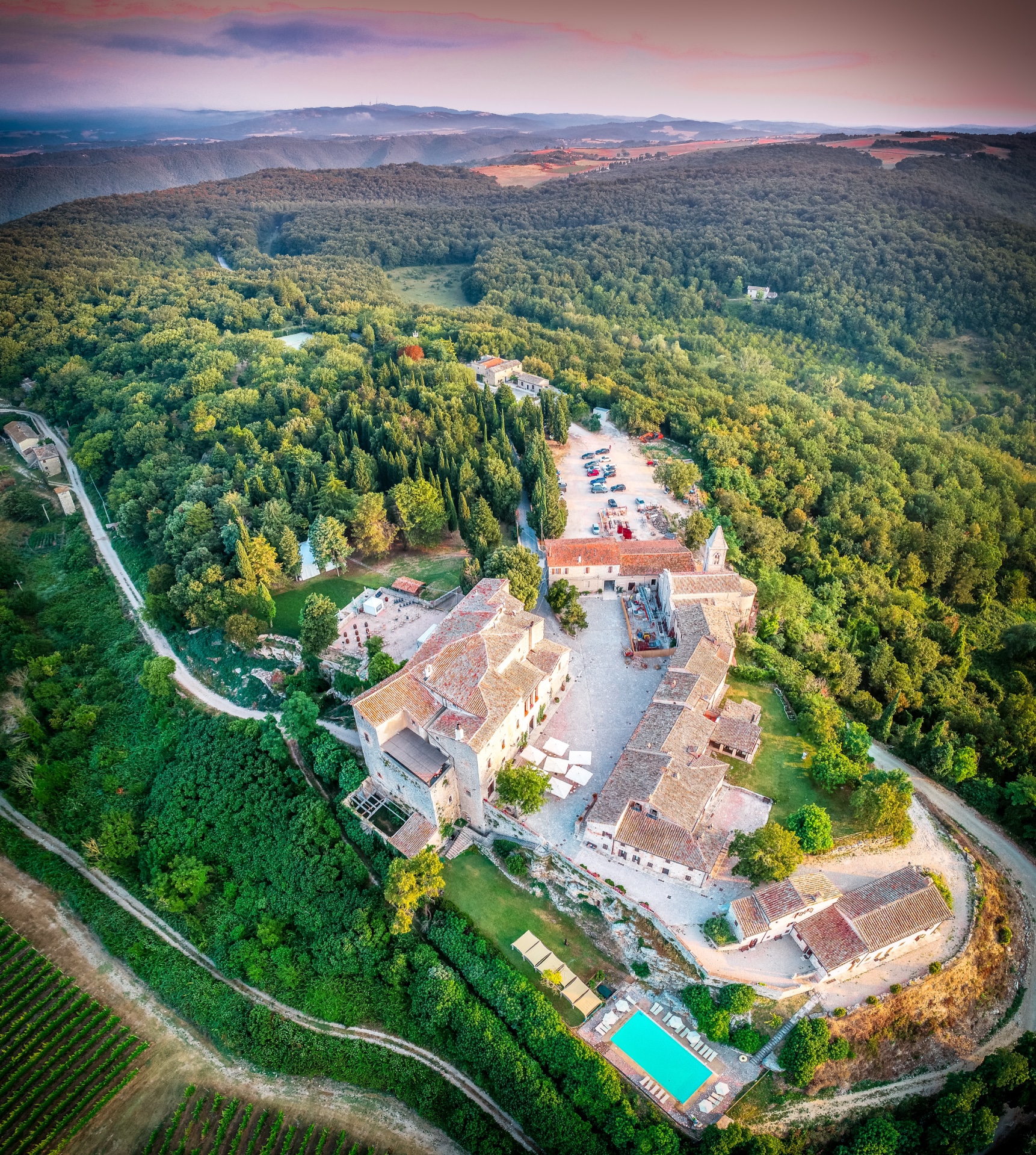
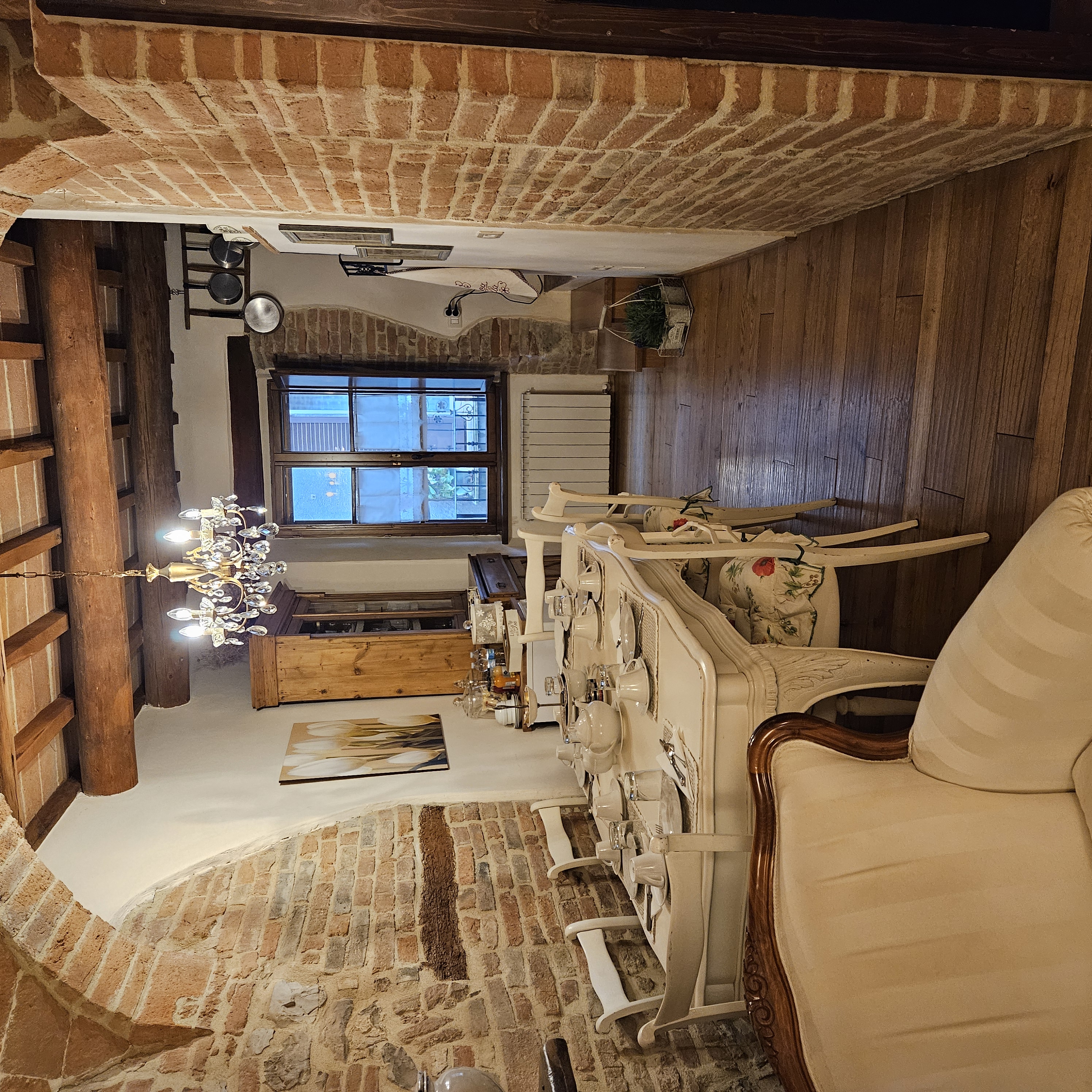
You will be accommodated in hotels, bed and breakfasts, and historic accommodations
4-star hotels or superior room upgrade
Assisi: Hotel Dal Moro Gallery (or Hotel la Terrazza, which is more centrally located in a superior room with surcharge)
Ponte San Giovanni/Perugia: Deco Hotel
Passignano: Hotel Lido
Castiglione del Lago: B&B Antica Gabella
Città della Pieve: Hotel Vannucci - 9-night itinerary
Orvieto: Hotel Palazzo Piccolomini
Todi: Hotel Bramante
Bevagna: B&B Porta Perugina - 9-night itinerary
3 and 4-star hotels
Assisi: Hotel la Terrazza
Ponte San Giovanni/Perugia: Deco Hotel
Passignano: Hotel la Vela
Castiglione del Lago: Hotel Aganoor
Città della Pieve: Hotel Vannucci - 9-night itinerary
Orvieto: Hotel Filippeschi
Todi: Hotel Villa Luisa
Bevagna: Hotel Palazzo Brunamonti - 9-night itinerary
Local hotel taxes are not included and are to be paid directly to each hotel (approximately €1-3 per person/night).
Interested in visiting other areas before or after your tour? Visit our hotels page to learn more about lodging options.
Bikes
Standard trekking bikes
Trekking bikes can be from different brands such as Trubbiani and Bottecchia. They have 3 x 8/9 gears depending on which bike is available at the time of booking.
Gravel bike
Topstone Carbon 3
Weight: 9.5 kg/20.9 lbs
Brakes: hydraulic disc
Tire Size: 45
Wheel Size: 700c
Saddle: Fizik Aliante Delta
Electrically-assisted bike
Lombardo Step-through or KTM Macina Sport or similar
Display: BOSCH Intuvia 100 Smart System
Brakes: Hydraulic Disc
Drive Unit: BOSCH Performance CX 36V 250W 85Nm Torque Smart System
Battery: BOSCH Powertube 625wh
*More about electrically-assisted bikes >
Accessories
Bike rentals will be equipped with the following at no additional charge:
- Pannier (trekking bike and e-bike only)
- Small bag under saddle (offered for gravel bike, not able to fit small size bike)
- Tool kit (spare inner tube and pump)
- Handle bar bag (one per party)
- Phone holder attachement (one per party)
- Odometer (one per party)
Bike Protection:
Bike protection can be purchased at the time of booking. You can read more about that HERE.
Pedals:
The bikes will have flat pedals. If you want to bring your own pedals, please bring your own shoes and also the necessary equipment to change the pedals.
Helmets:
Helmets are available (see pricing chart) and must be booked in advance. We recommend, for safety and hygiene reasons, that you bring your own helmet.
Dates & Prices
Questions about pricing or options? Call +1-215-613-0874 to talk to a Tour Advisor now.
Loading dates and prices…
Surface and terrain
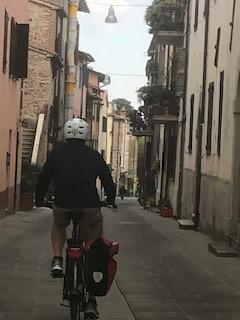
This tour will cycle through a hilly country side with daily distances between 22- 42 miles (35- 68 km). This is a tour for experienced cyclists in good condition (recommended for children 14 and older). The route follows quiet asphalted country roads or dirt roads. The total distance cycled over all the stages is 205 miles (330 km).
How to get there
Tour start and end
Nearest airport: Sant' Egidio Airport (PEG), Italy
Nearest train station: Assisi, Italy
Tips on getting to and from your tour
Loading reviews…
More About This Tour
 Related Bike Tours


Cycling and Cooking in Sardinia
 Italy
Italy 
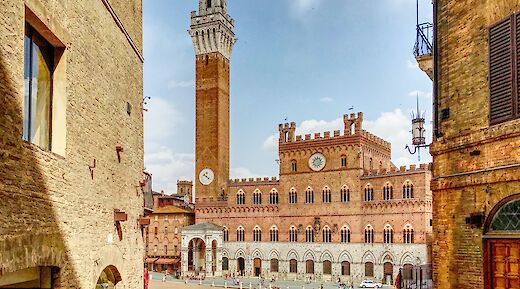

Cycling and Cooking in Tuscany
Italy 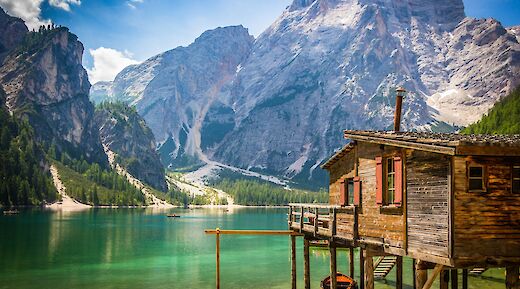
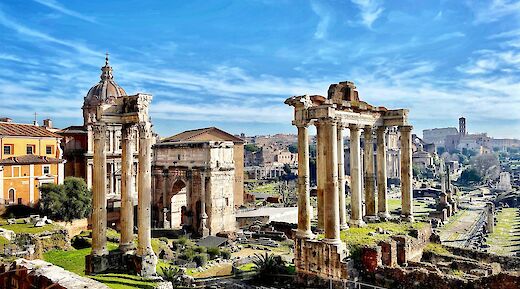
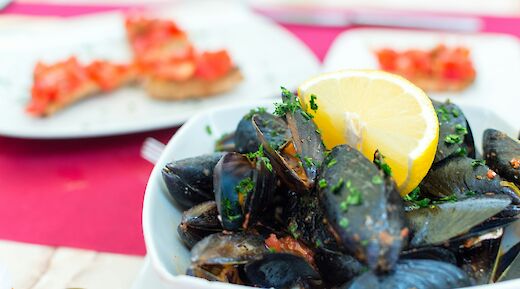
Custom and Private Bike Tours in Italy
Italy Related Day Tours
Chianti Classico Florence E-Bike Tour with Wine & Olive Oil Tasting
Florence 
Private Tuscany Sunset Bike Tour with Wine & Olive Oil Tasting
Florence 
Private Florence Bike Tour
Florence 
Classic Tuscany Bike Tour
Florence 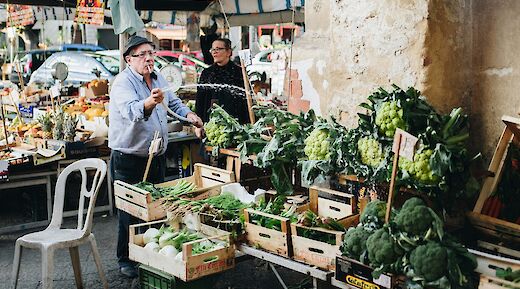
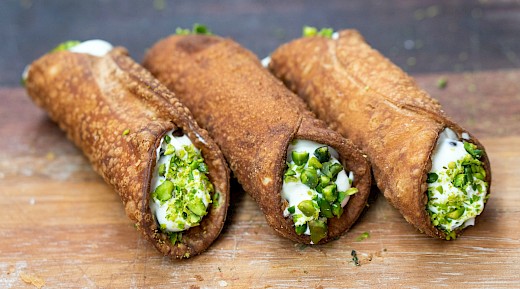

Street Food Bike Tour Palermo
Palermo 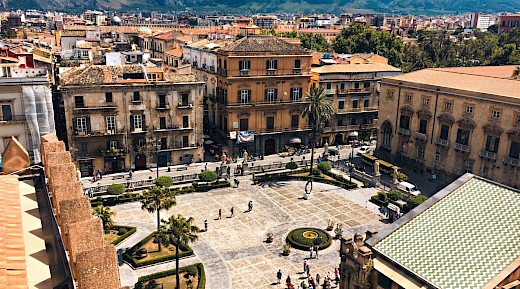
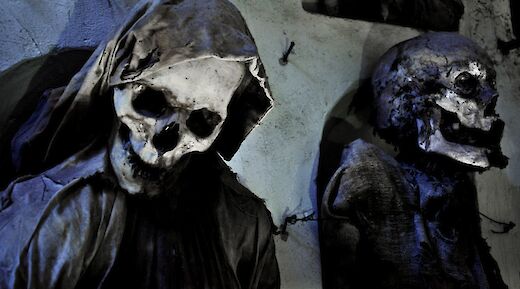
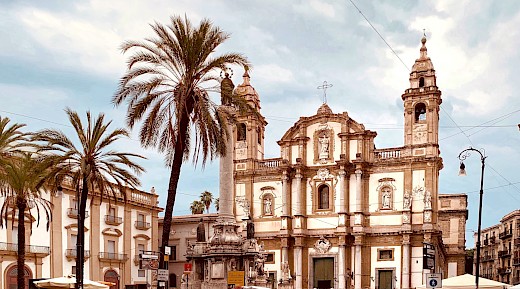
Capuchin Catacombs Bike Tour Palermo
Palermo