




Dolomites to Trieste via Lake Bled at the Foot of the Julian Alps
 7 nights from €984
 4.58
4.58Cycle from the Italian Alps to the Adriatic Coast through Mountains, Valleys, and Historic Towns
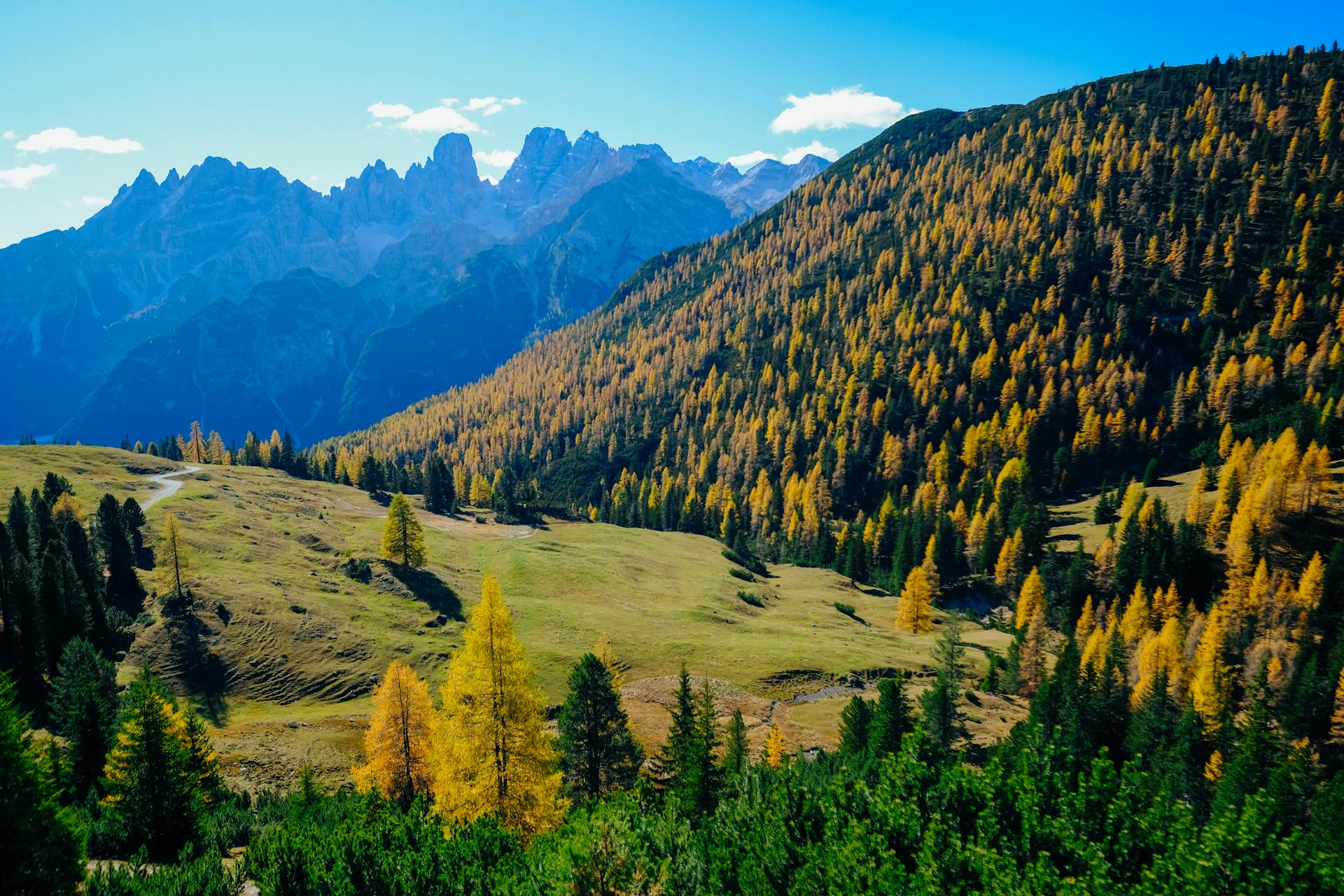
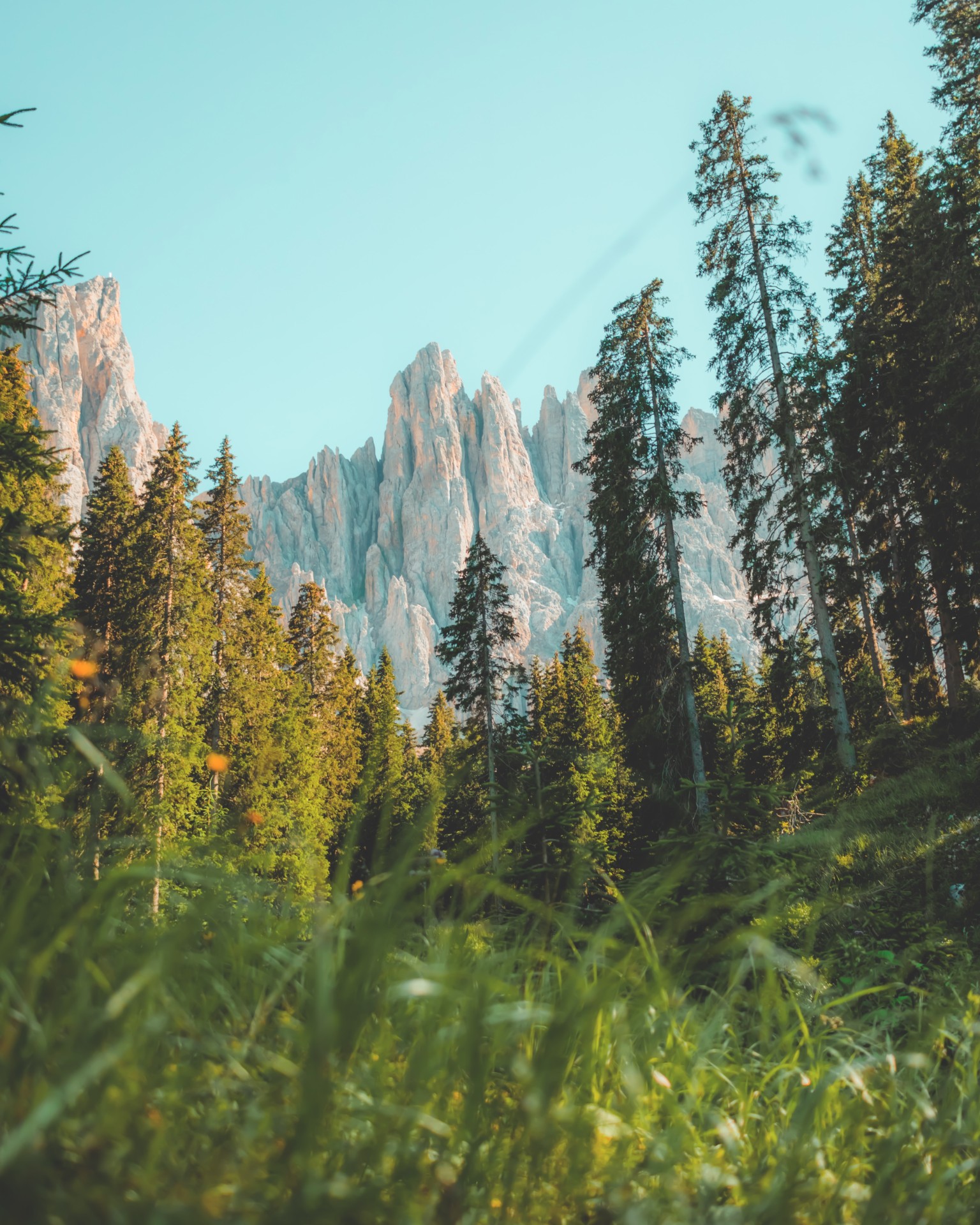
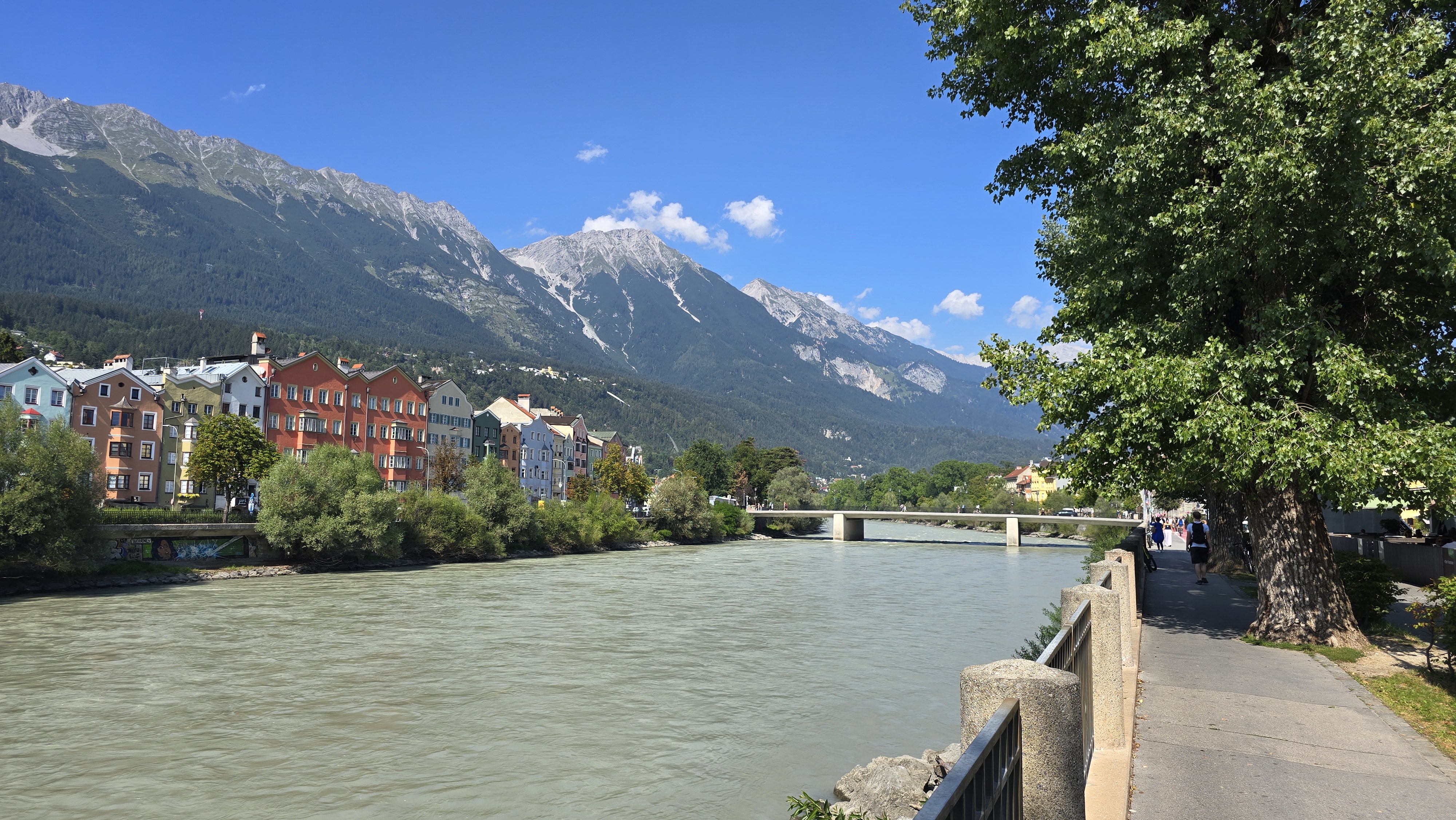
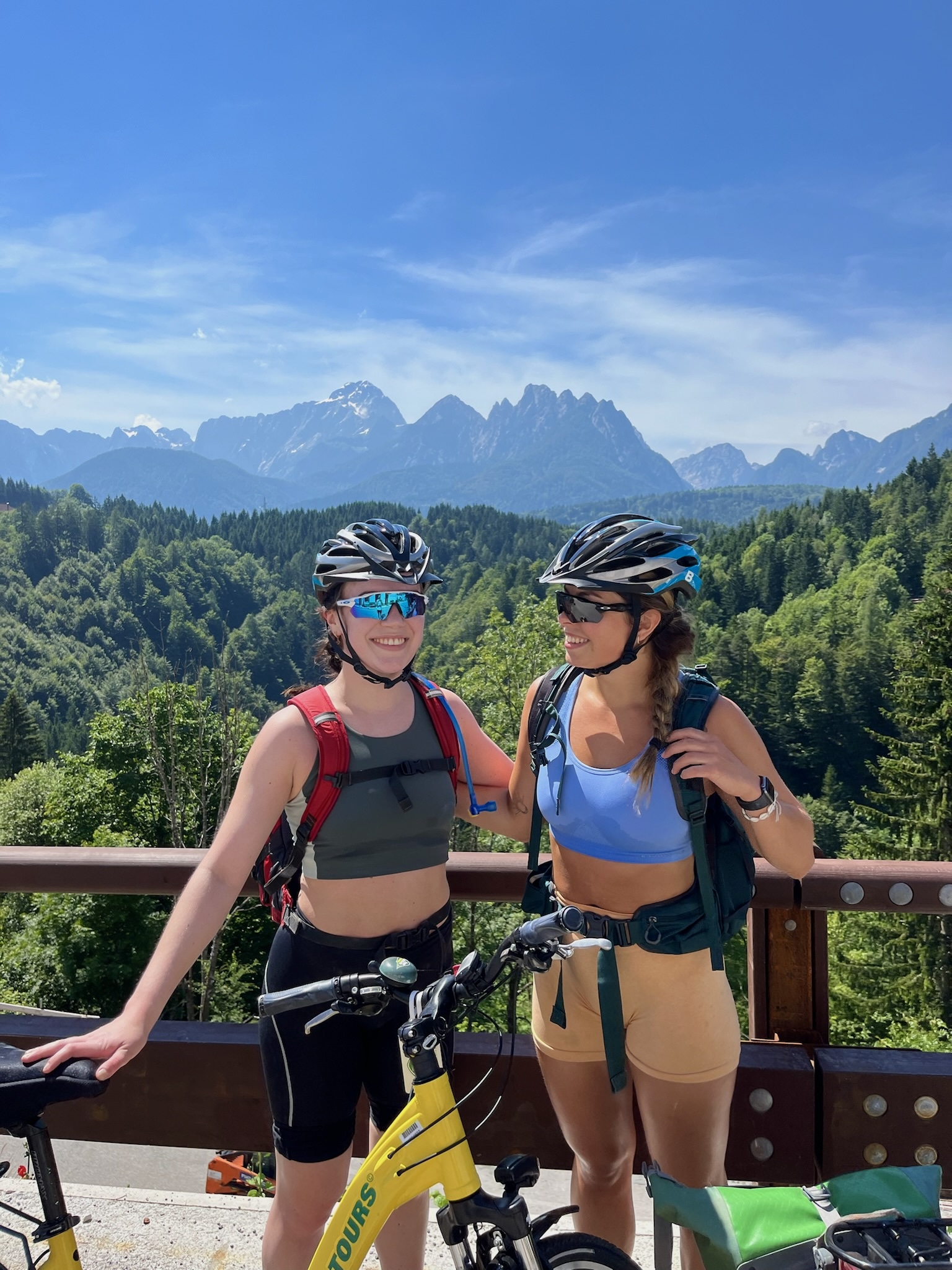
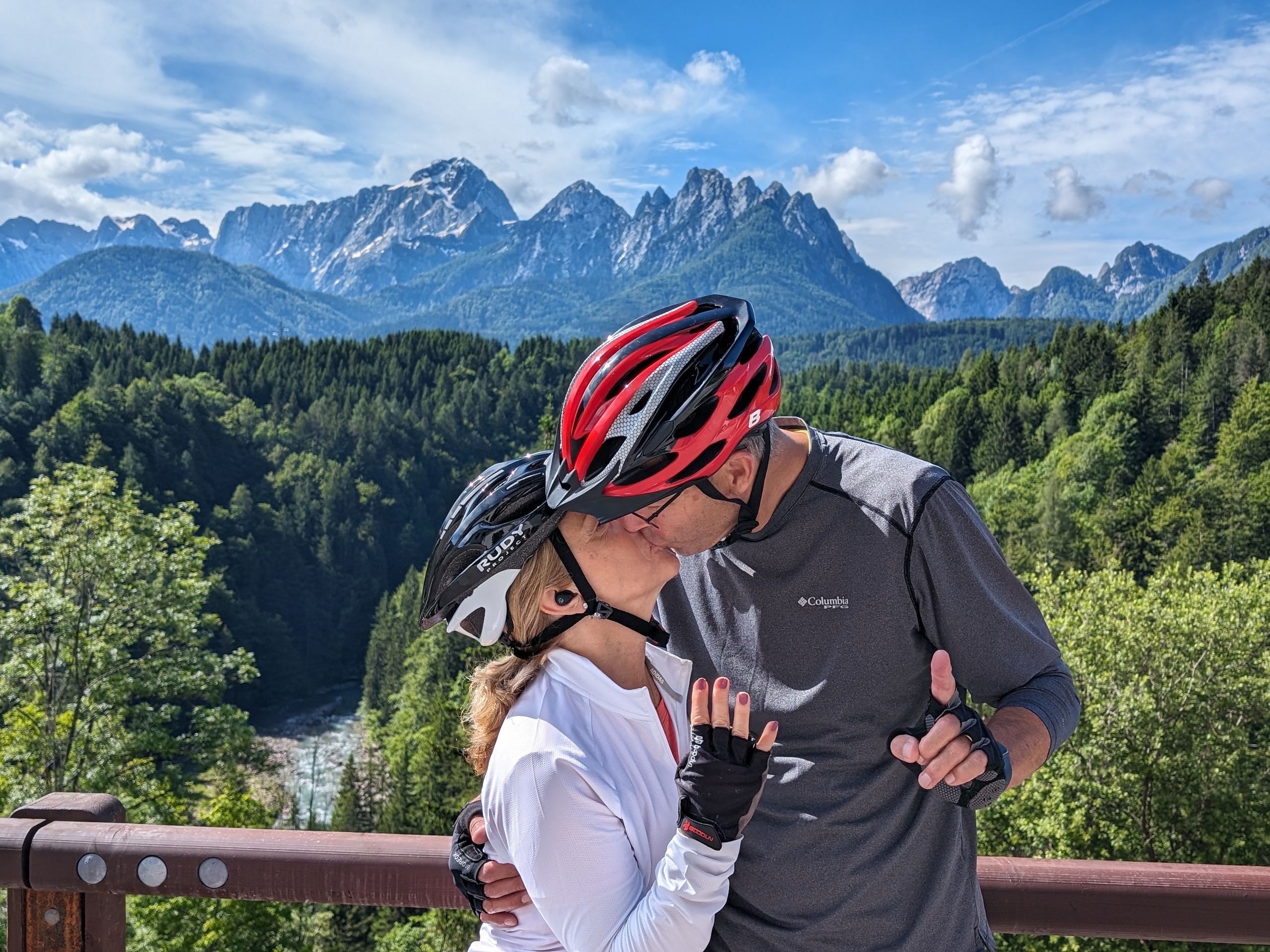
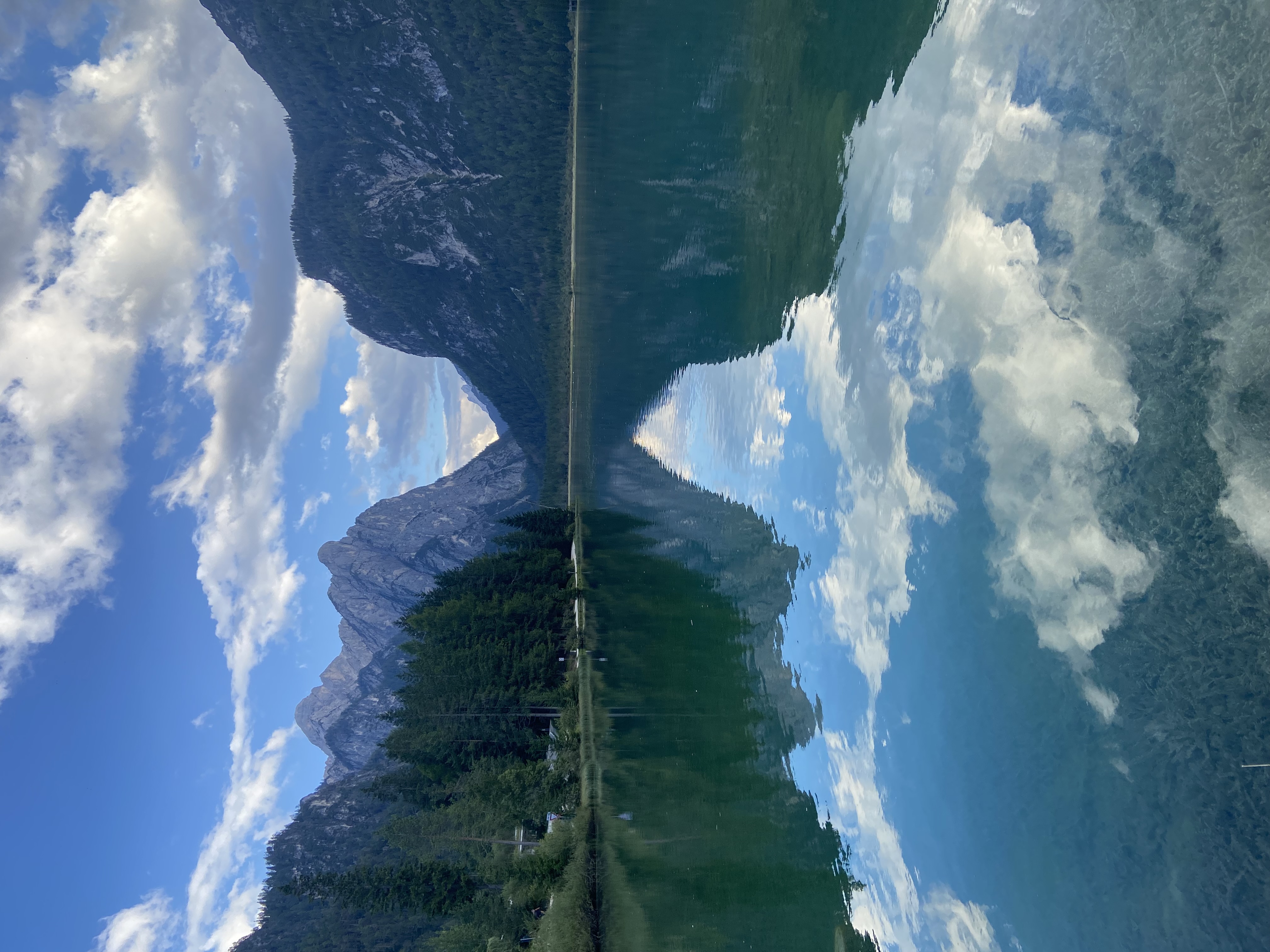
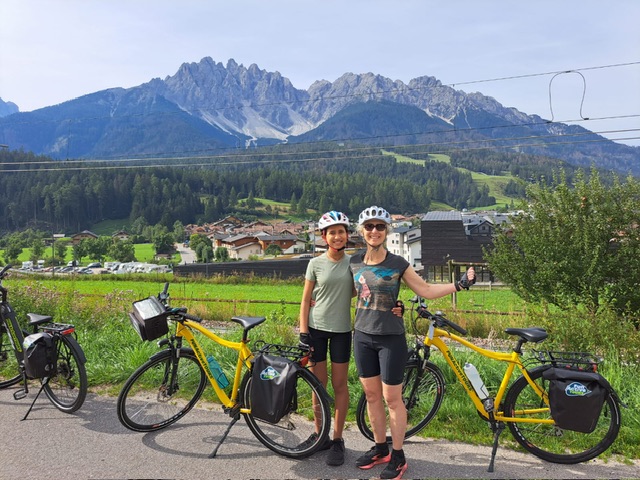
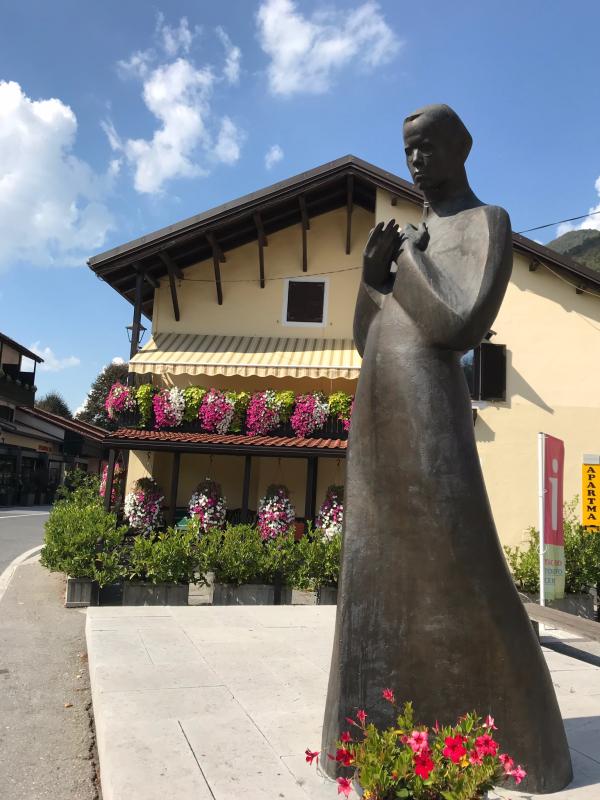
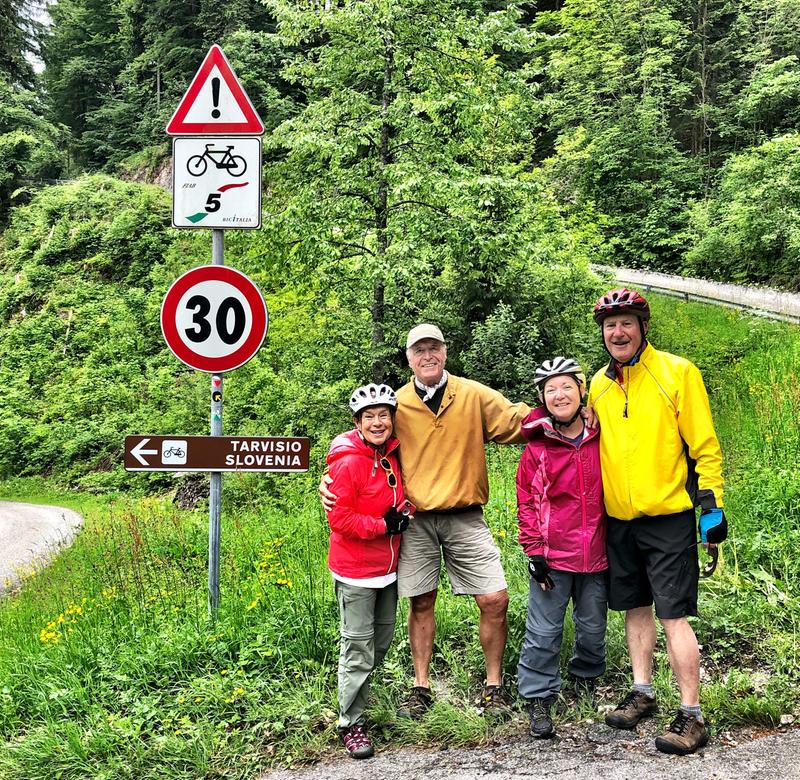
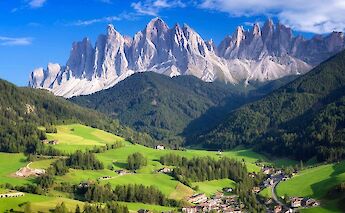
Your cycling journey to the Julian Alps begins in the northeastern Dolomites, where you follow the River Drau through the scenic Drau Valley on well-marked Austrian cycle paths. The route continues into the Gail Valley, surrounded by alpine peaks, before a short detour takes you to Tarvisio, an Italian border town known for its alpine market and historic pilgrimage church. From here, ride onwards into Slovenia, where mountain landscapes give way to gentle valleys.
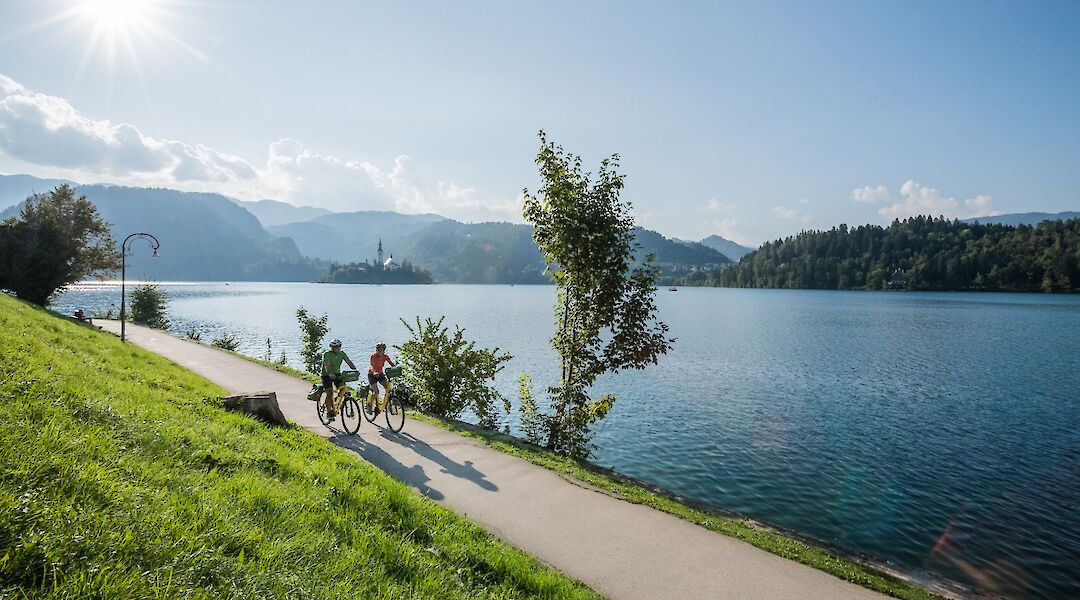
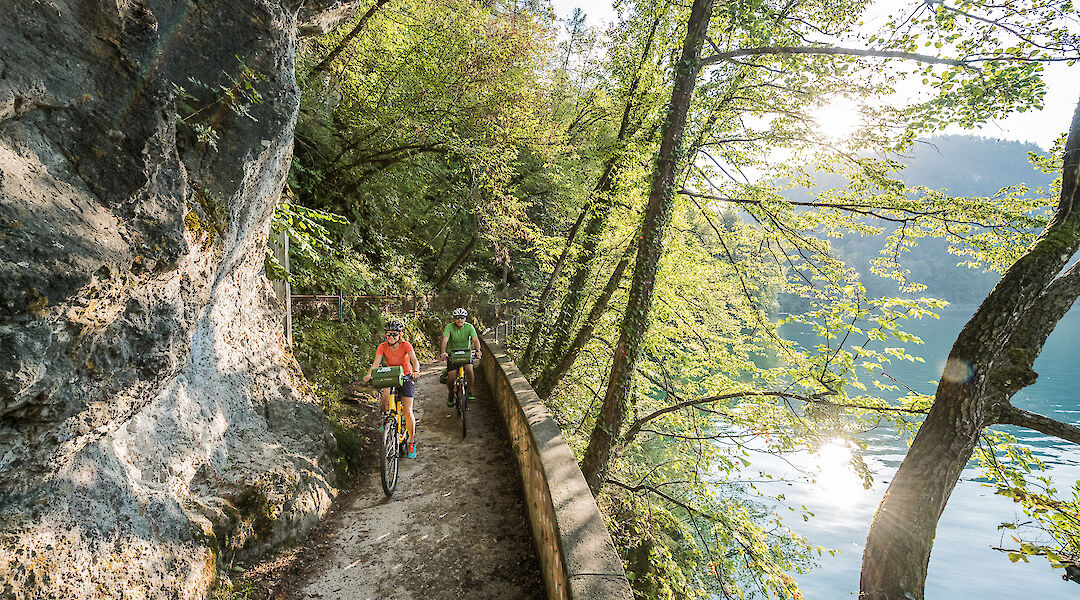
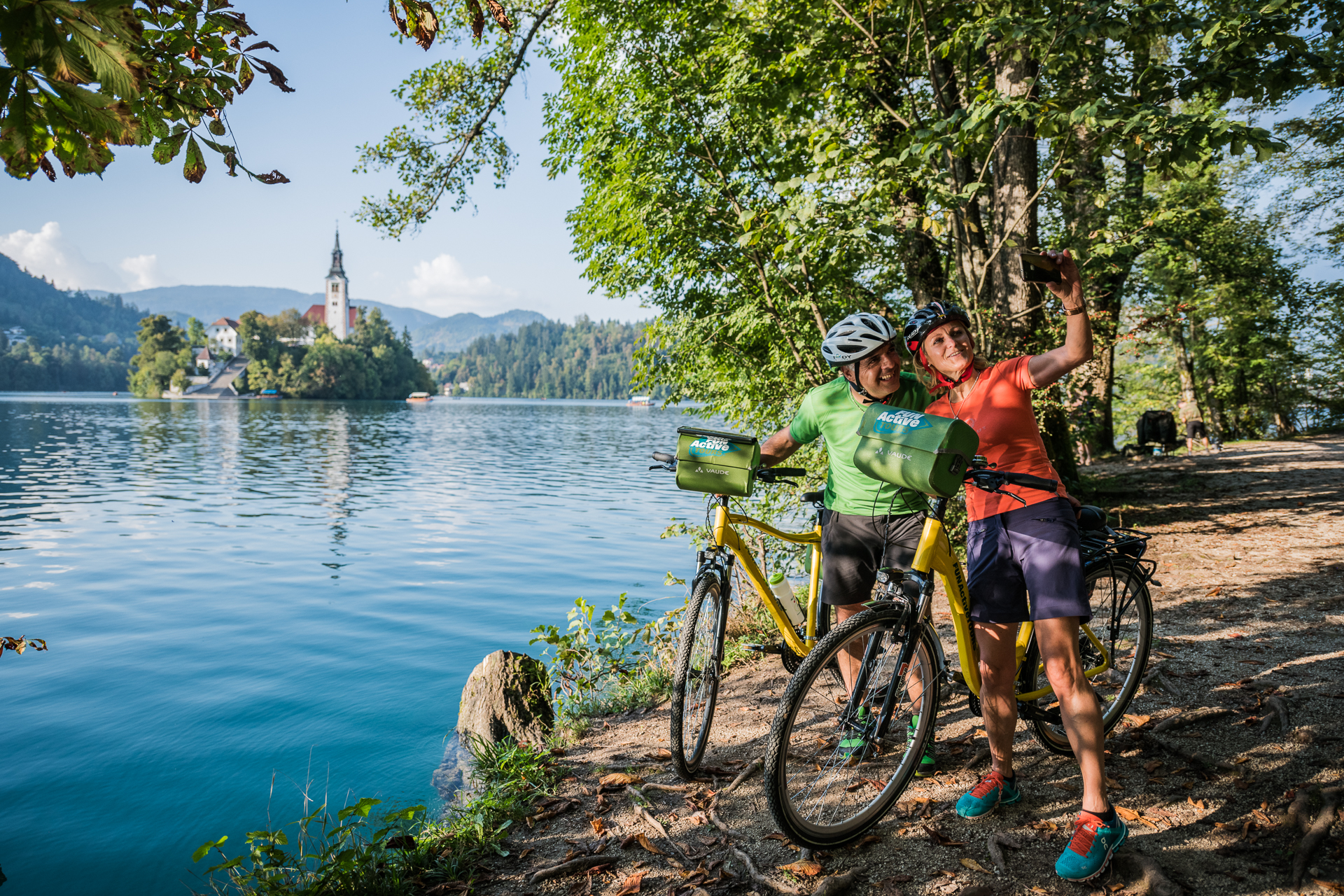
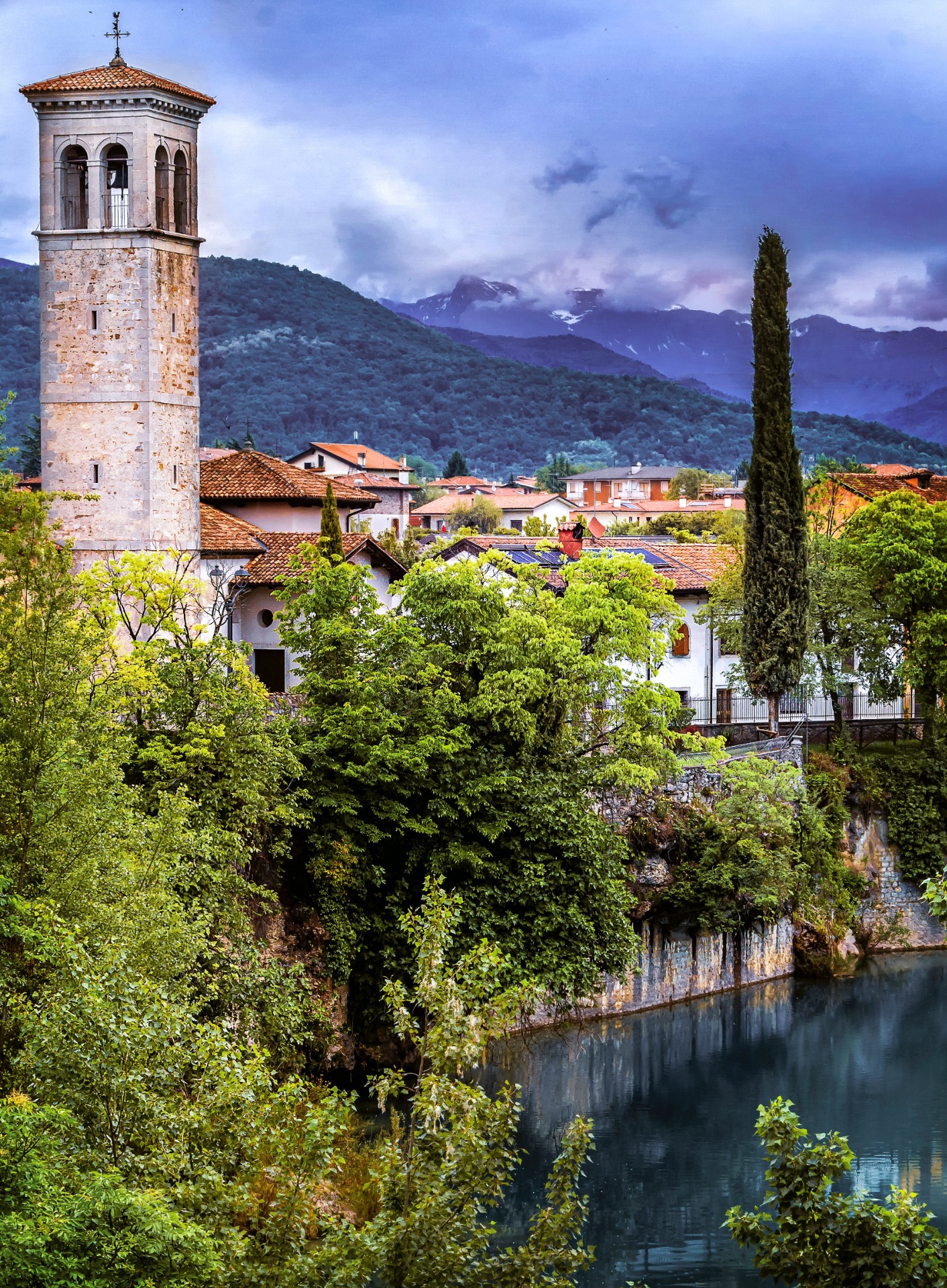
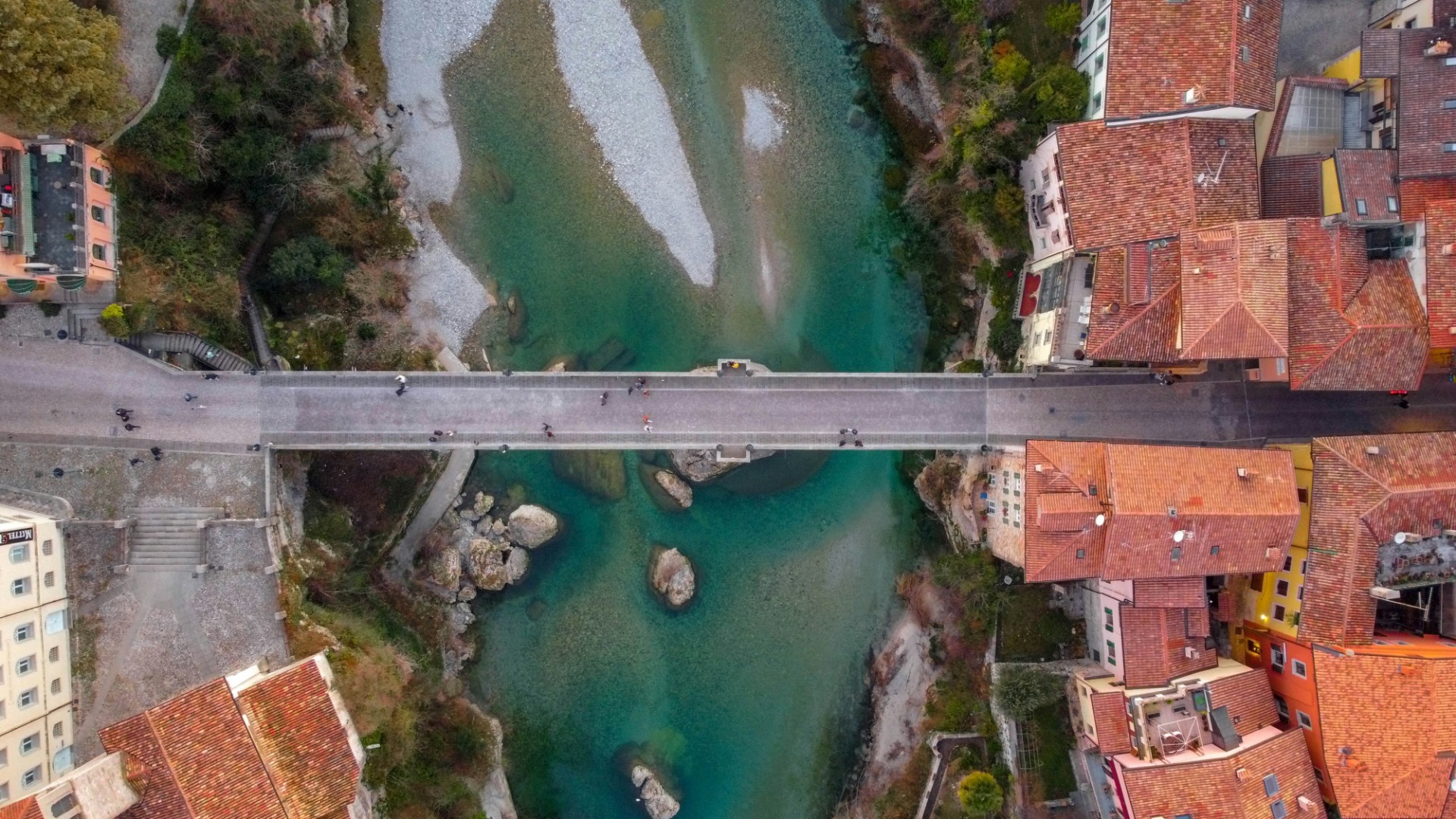
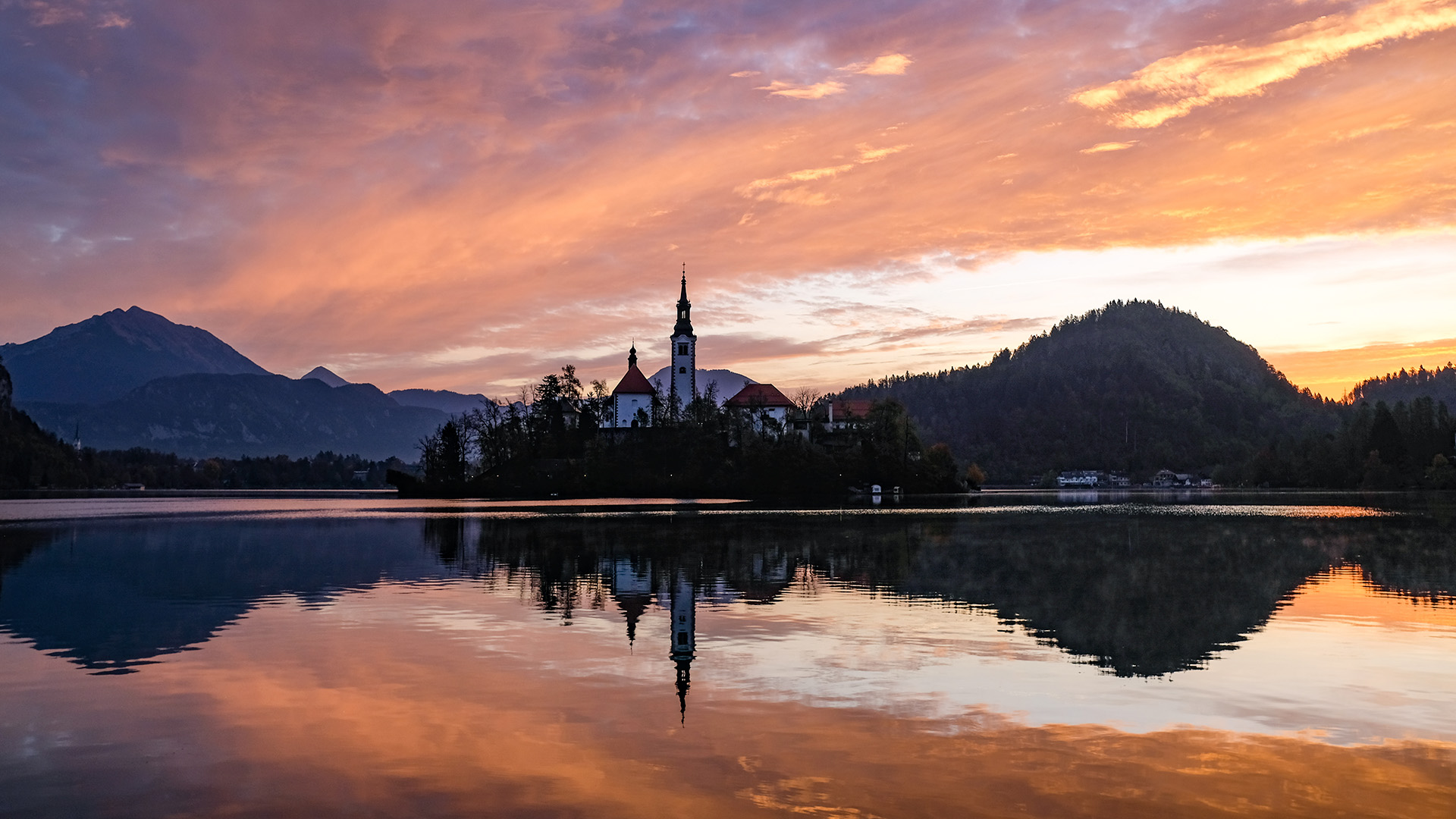
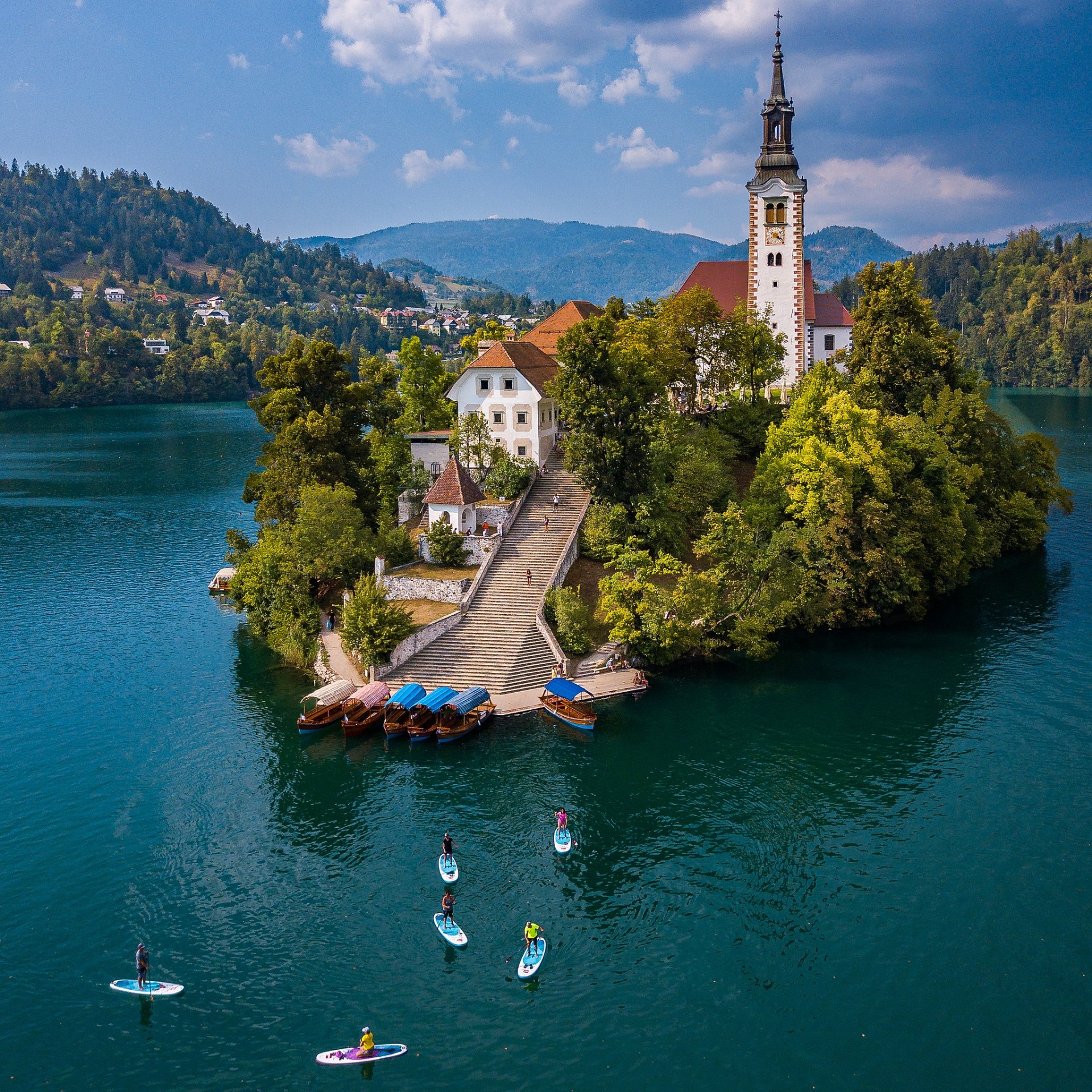
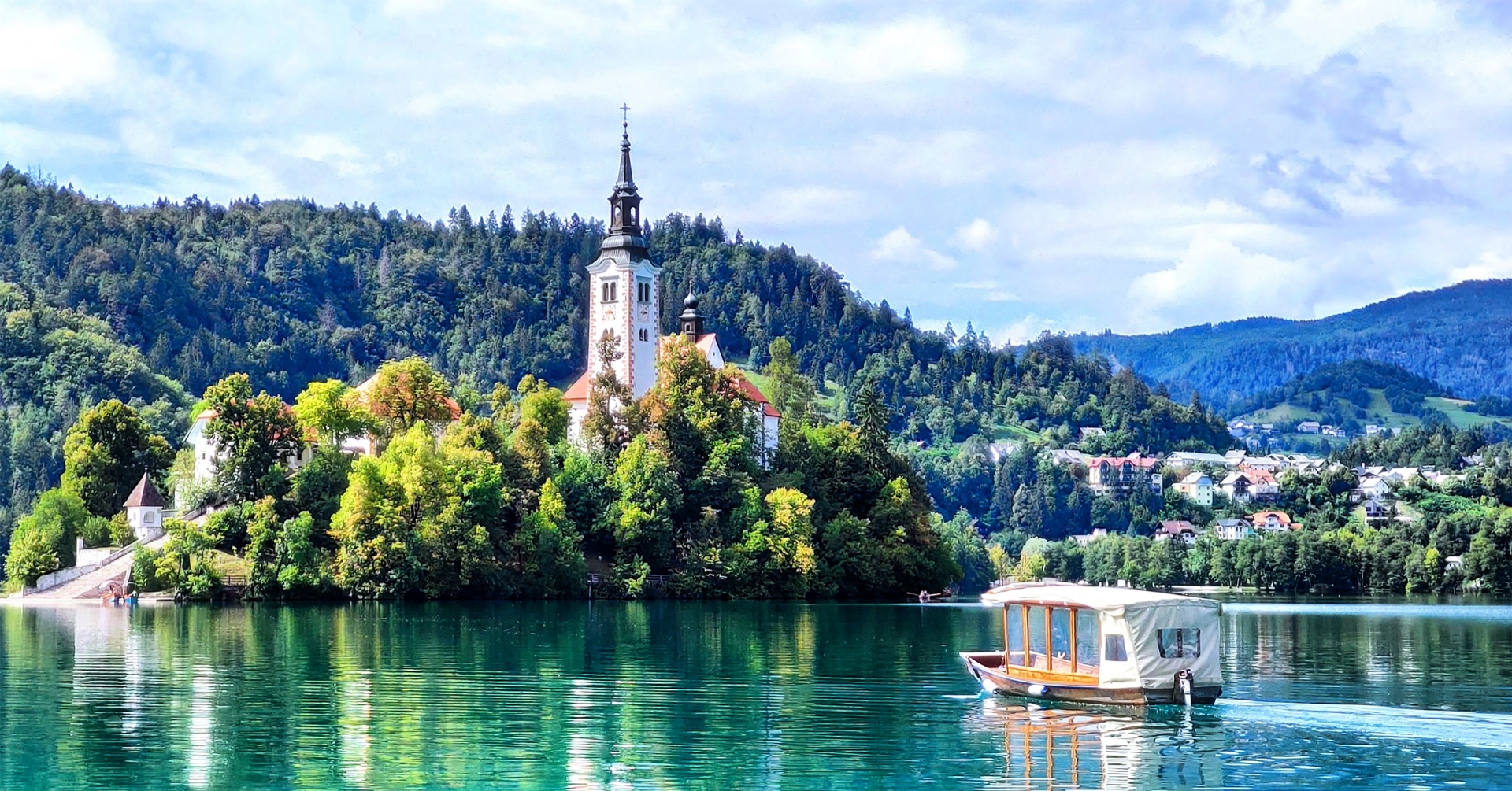
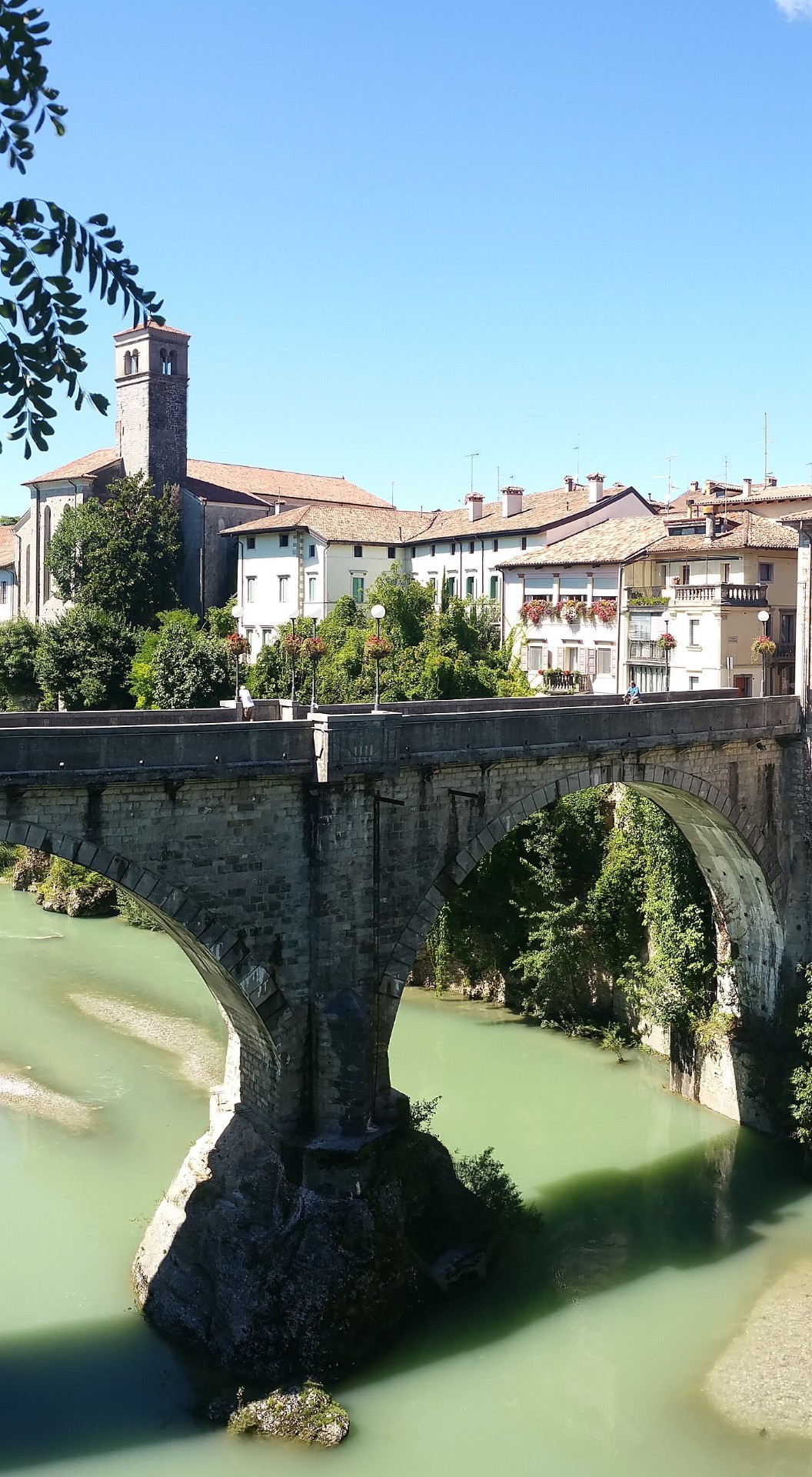
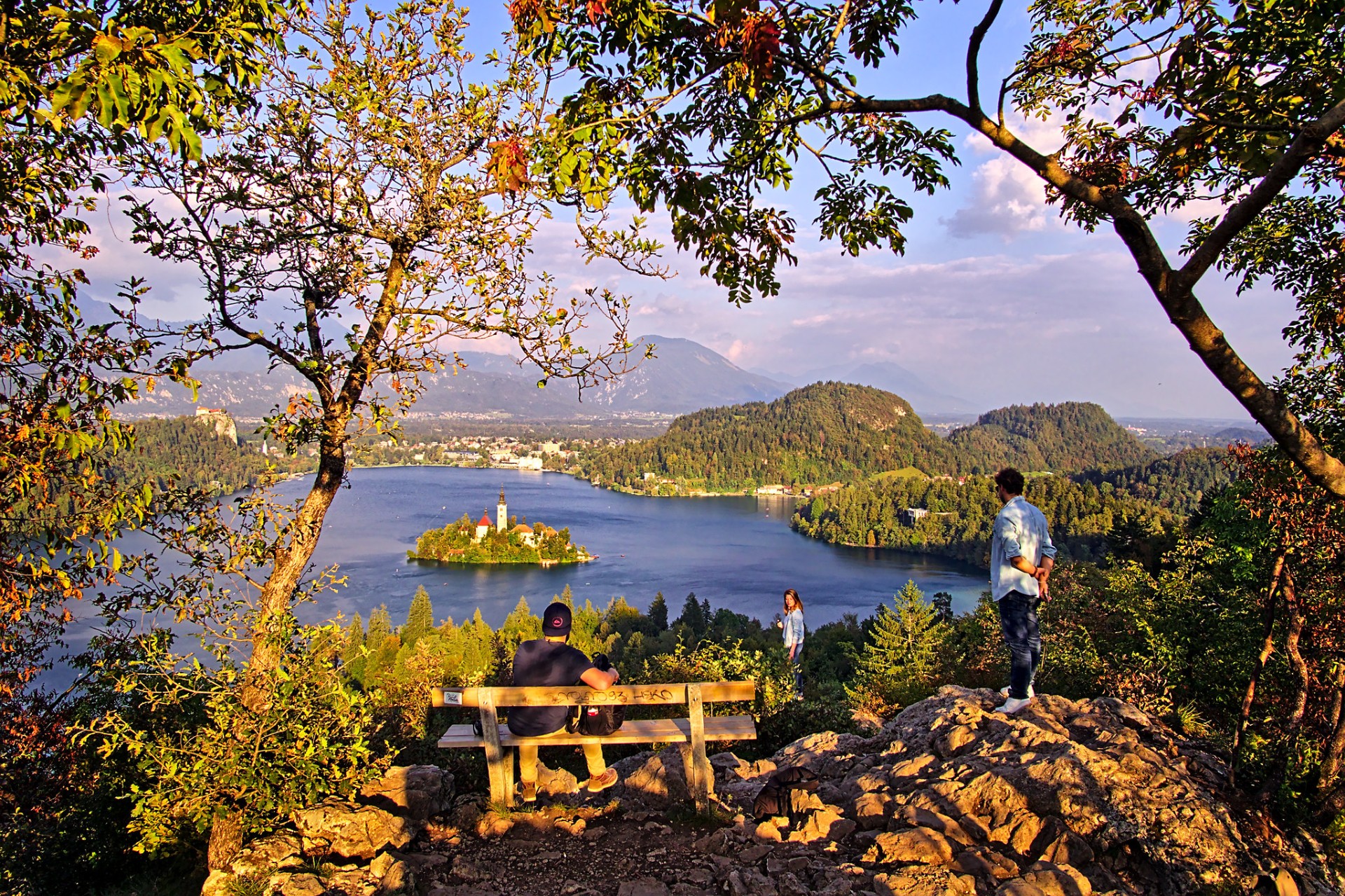
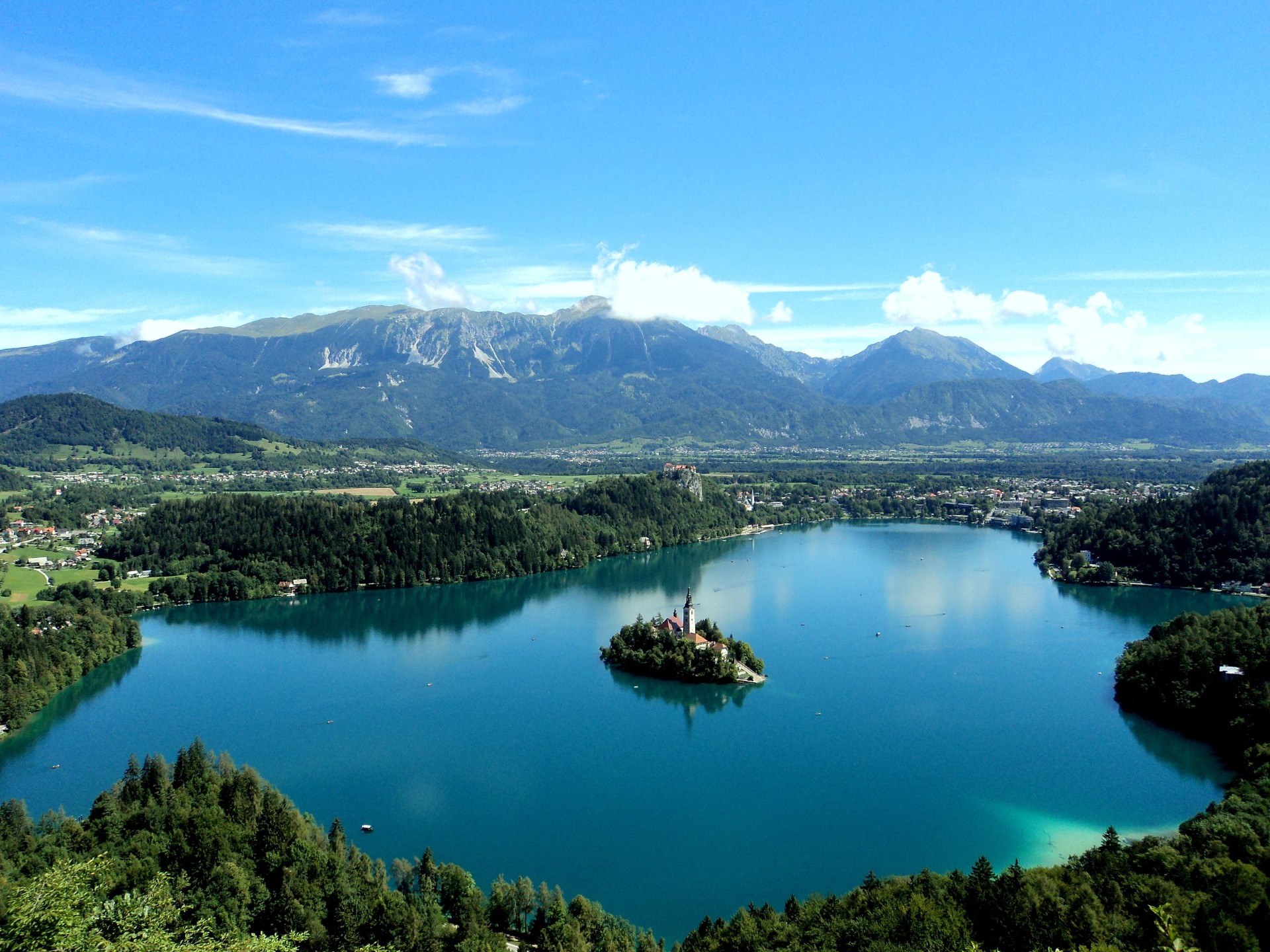
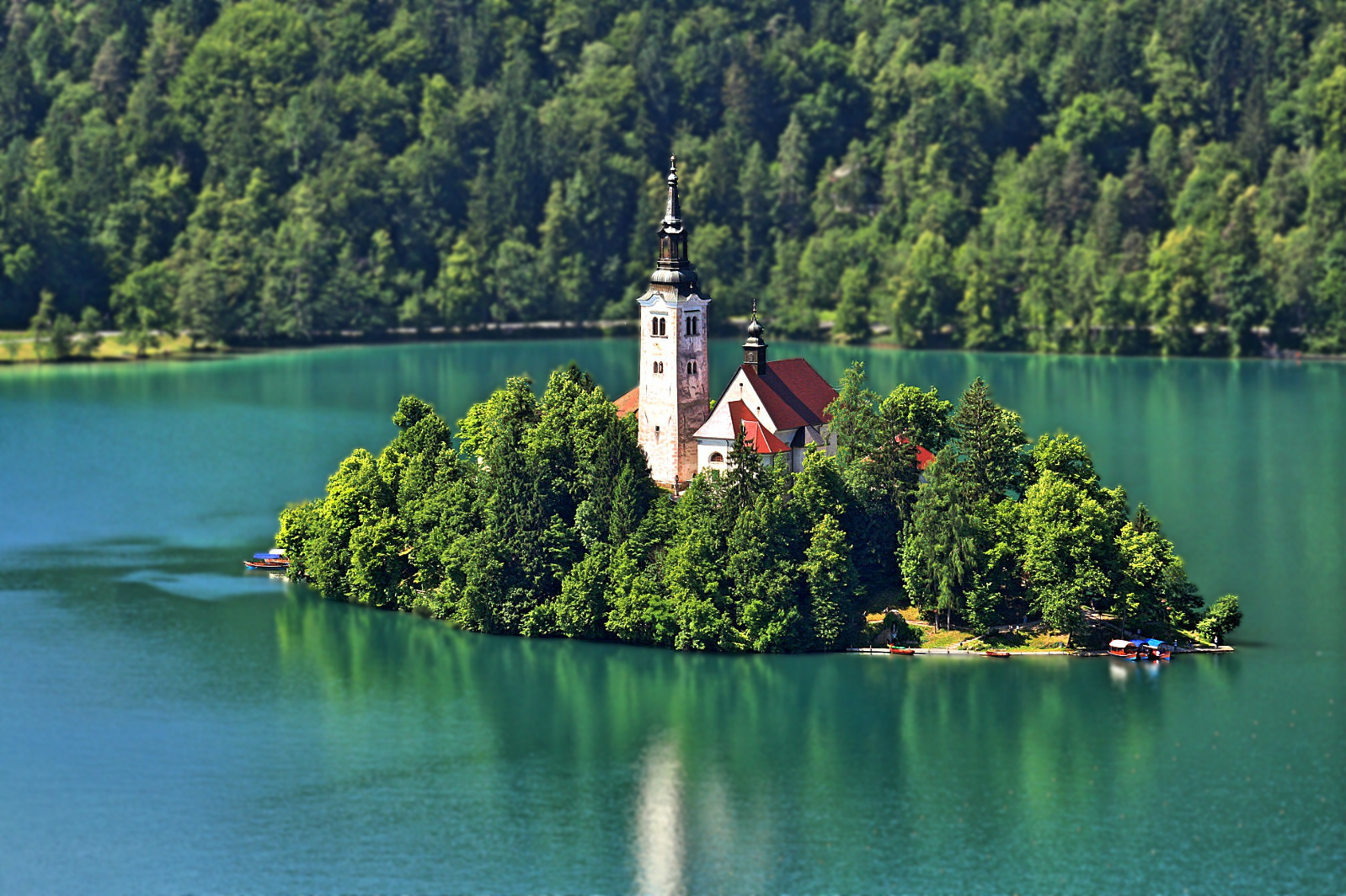
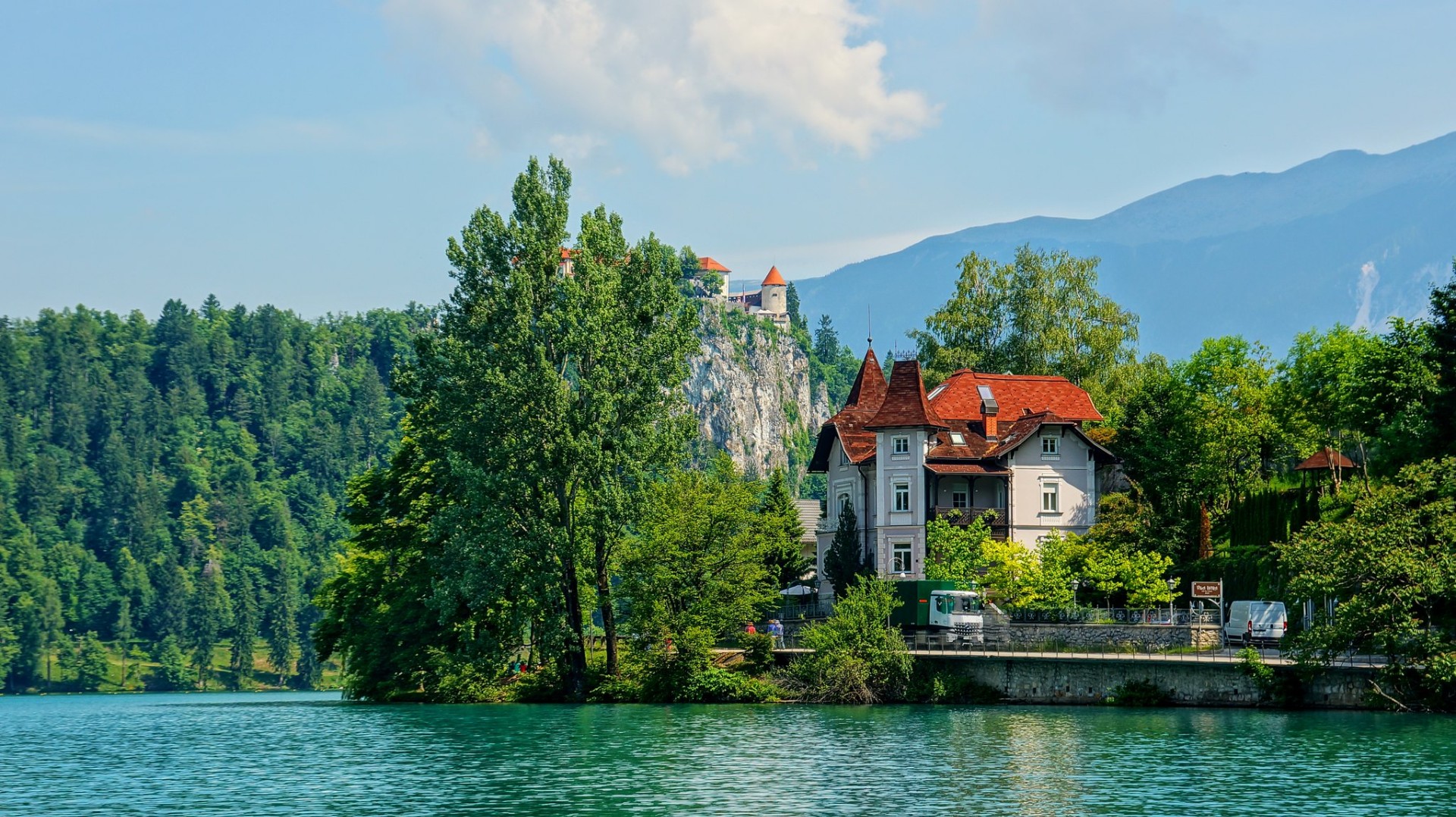
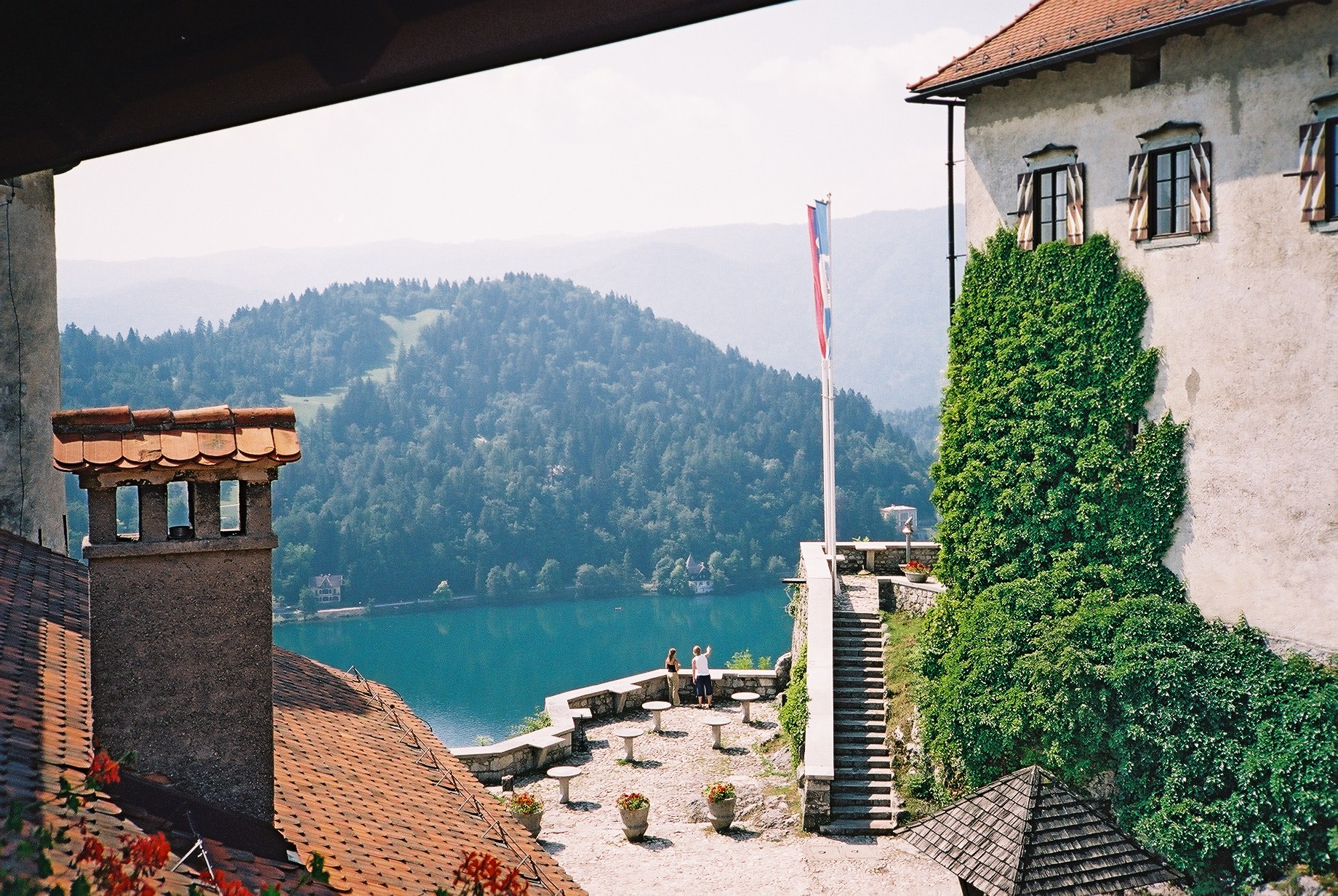
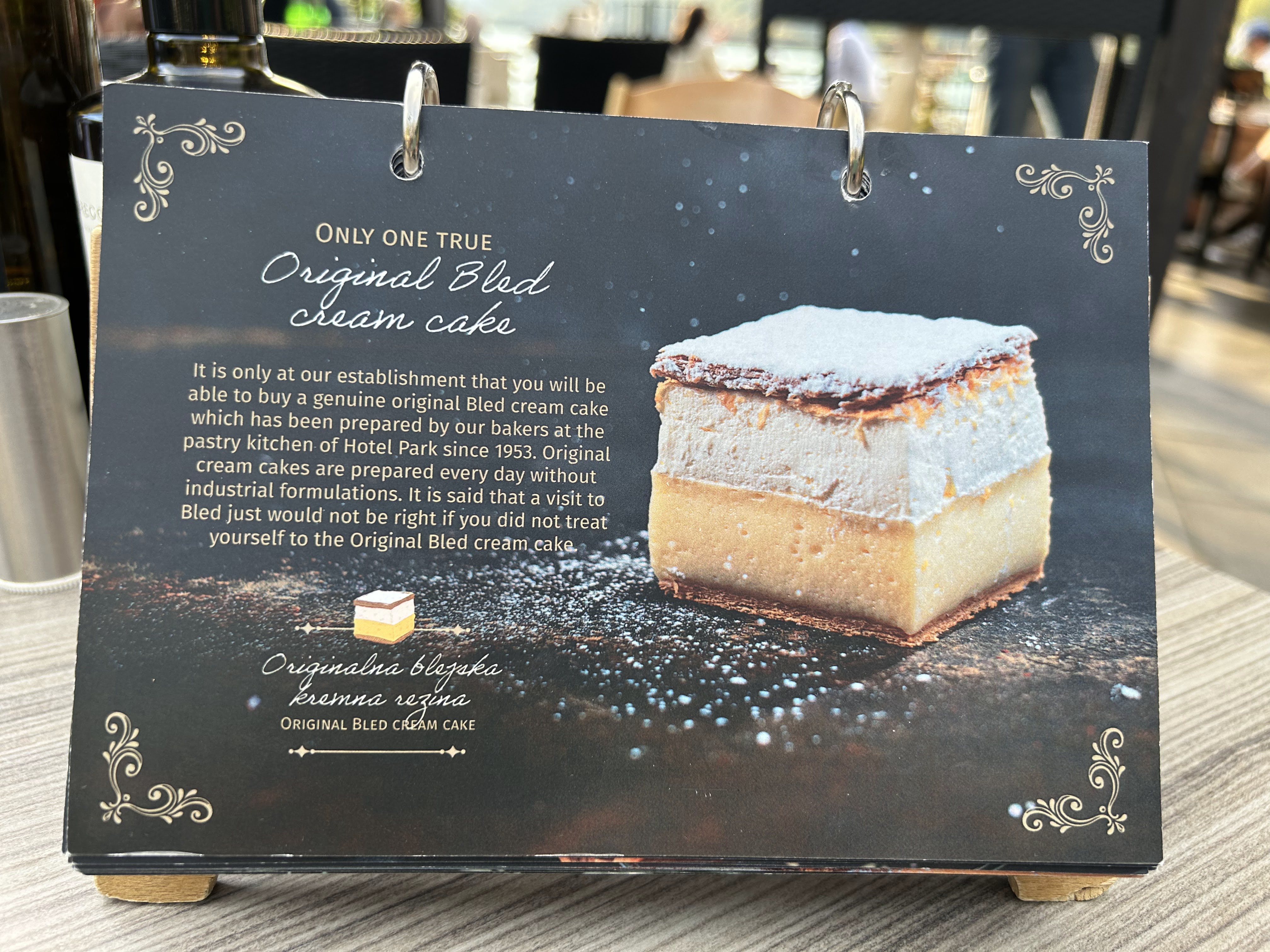
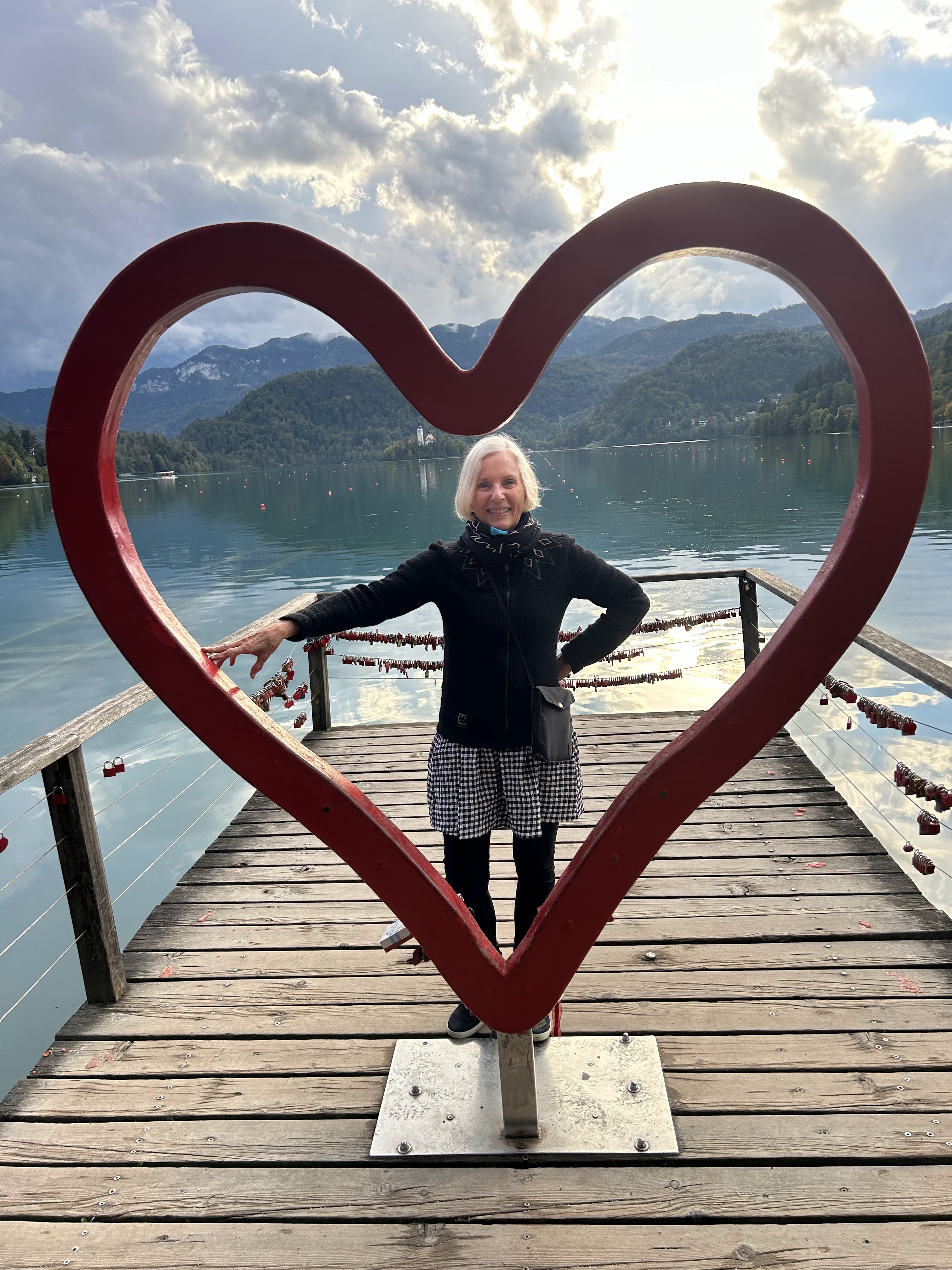
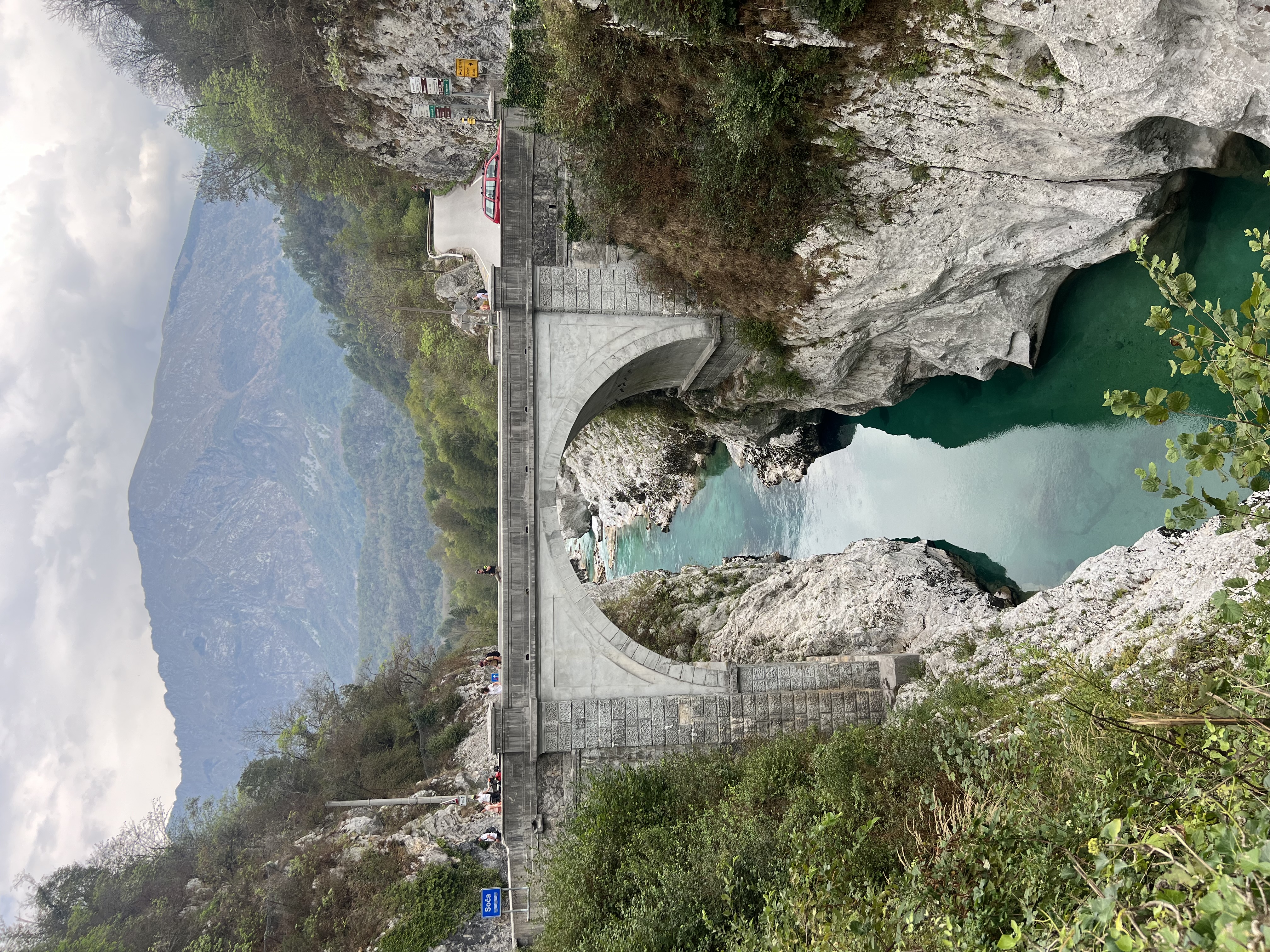
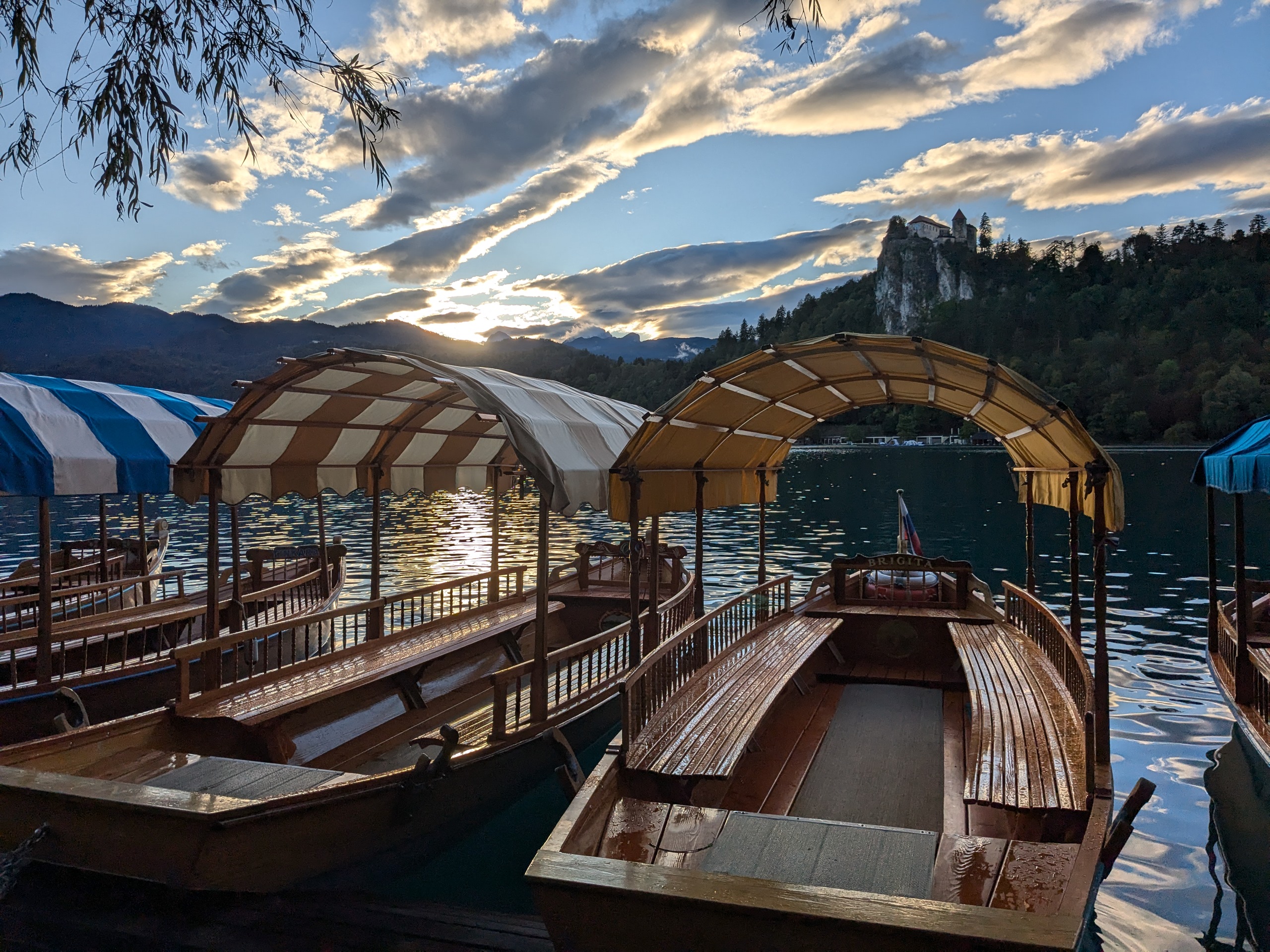
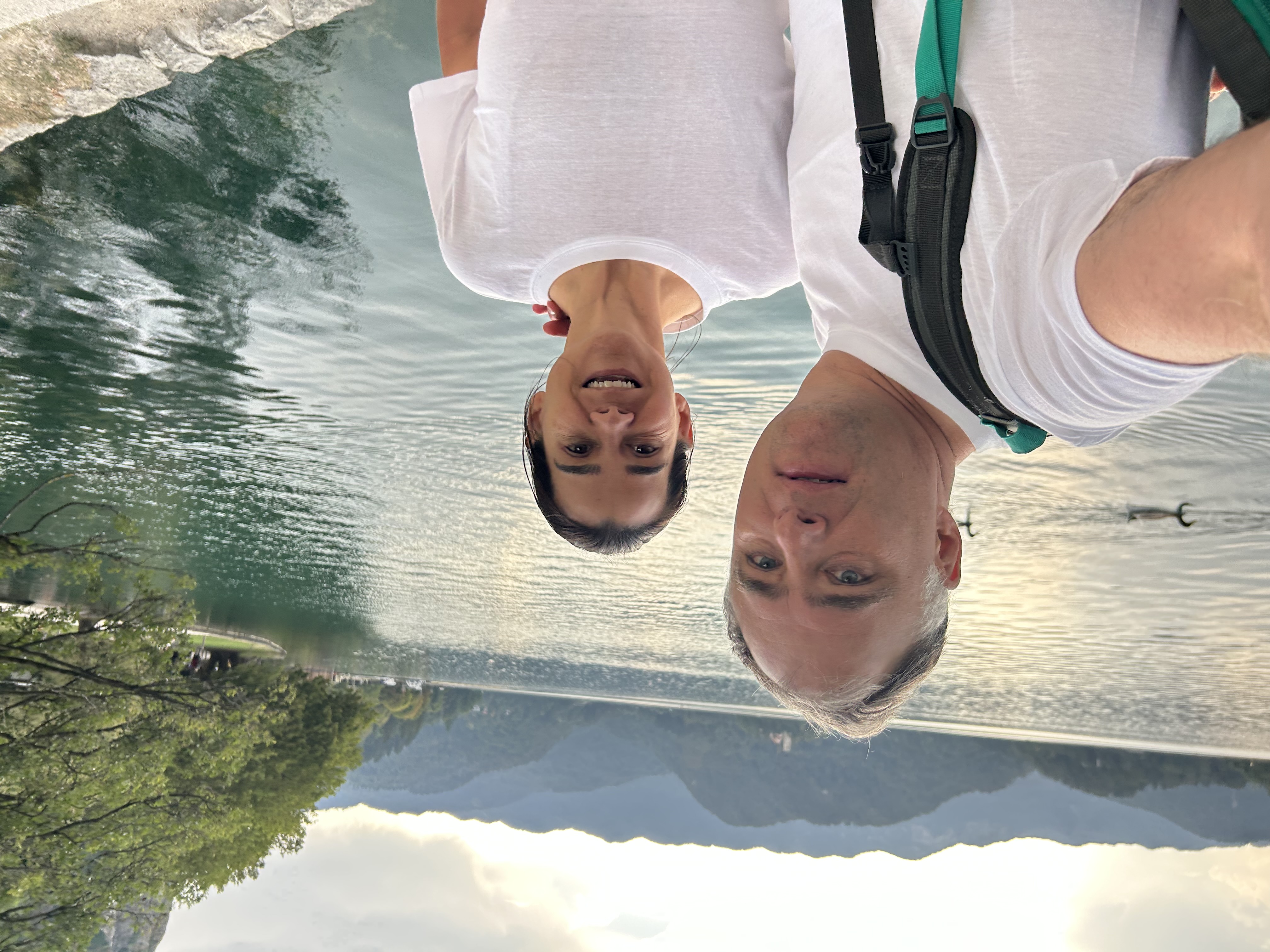
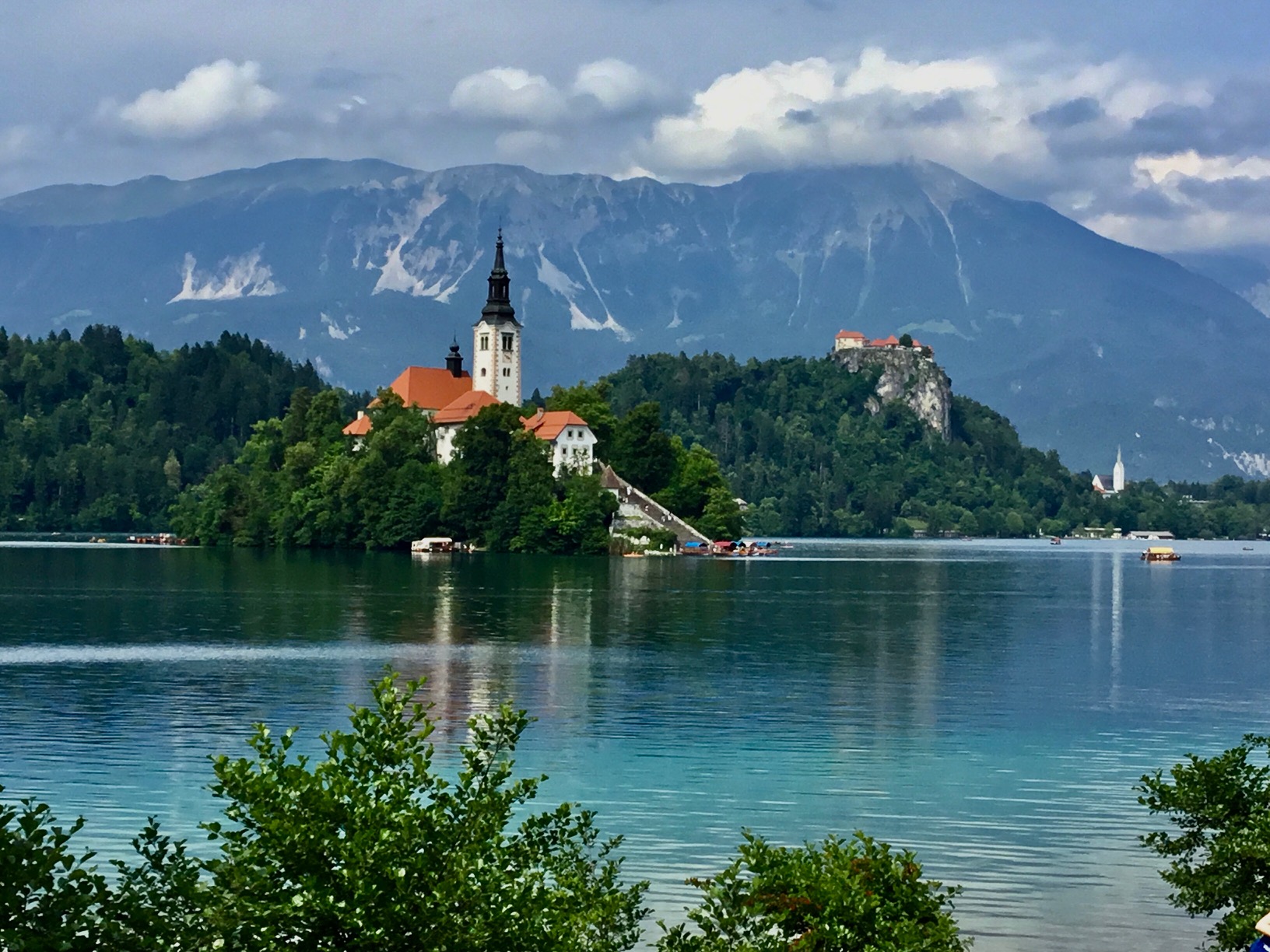
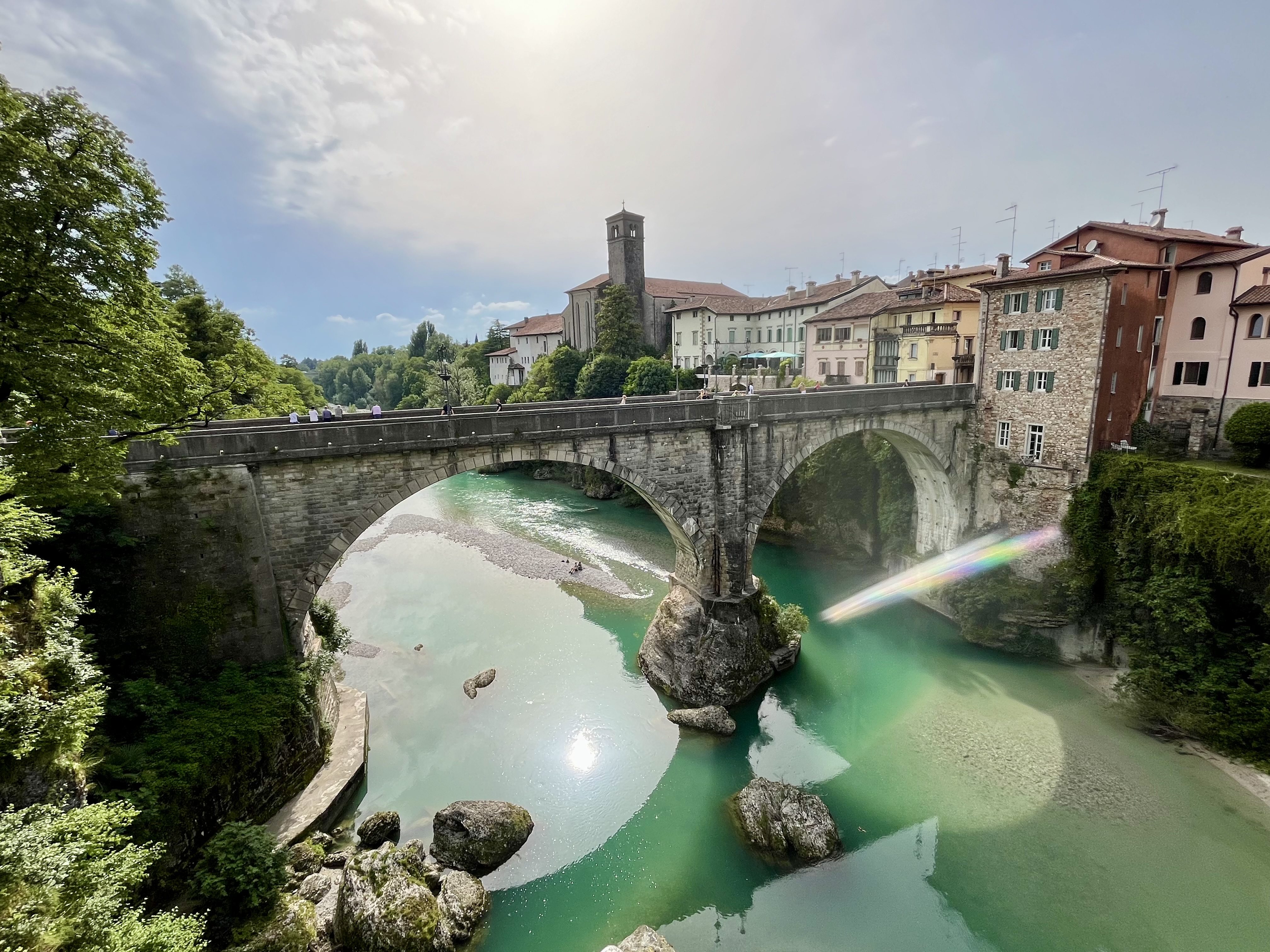
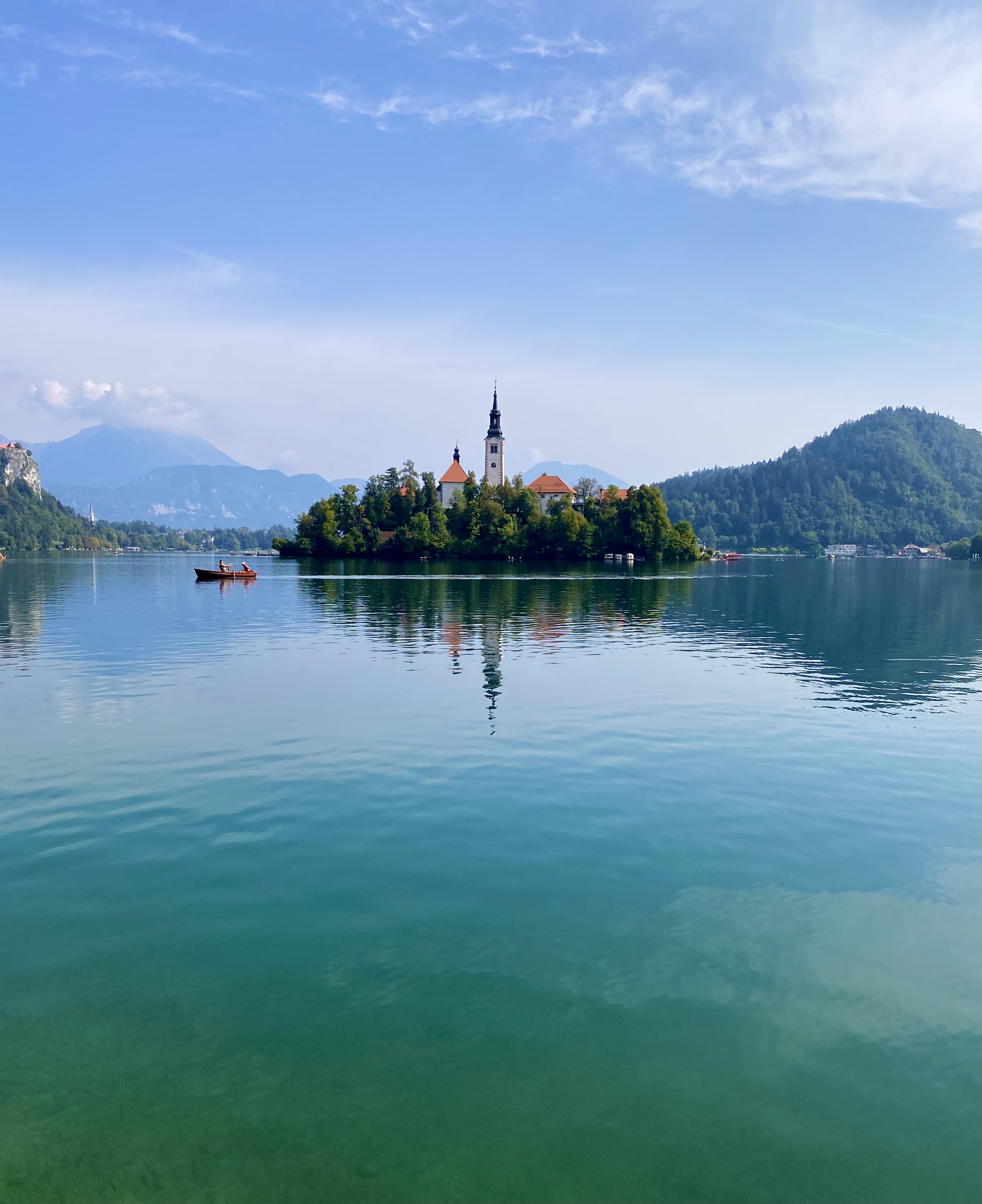
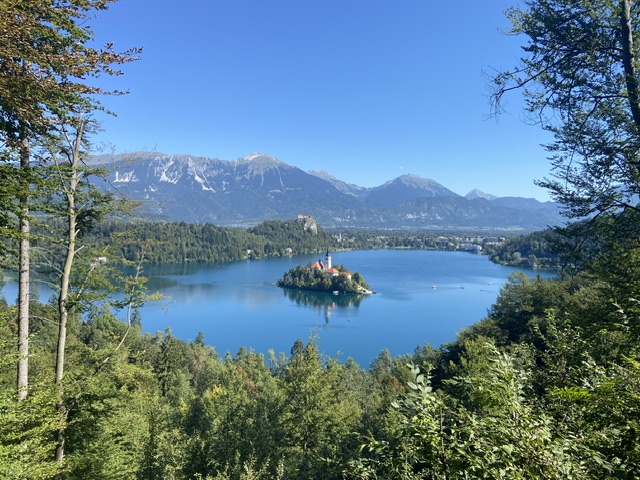
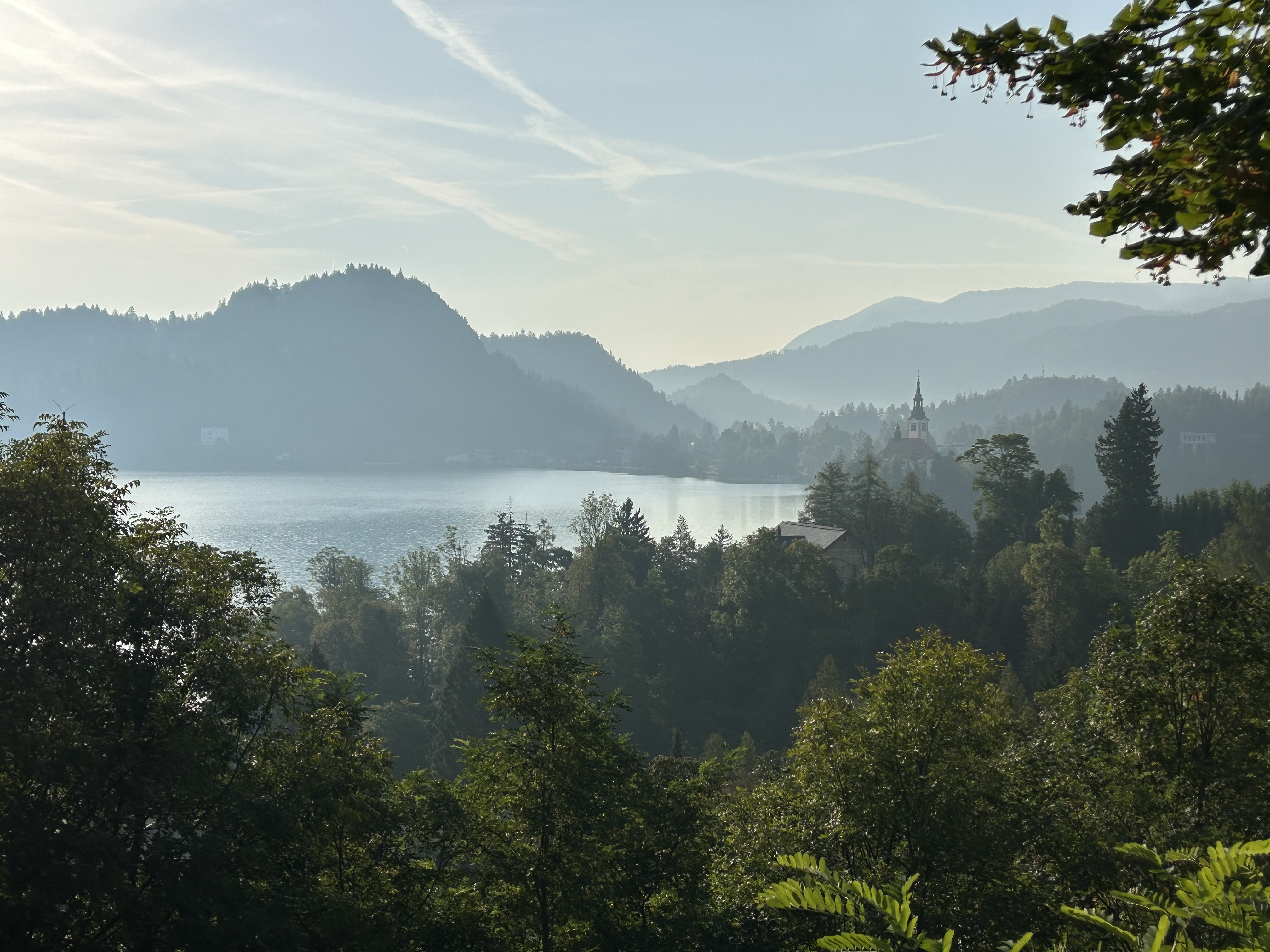
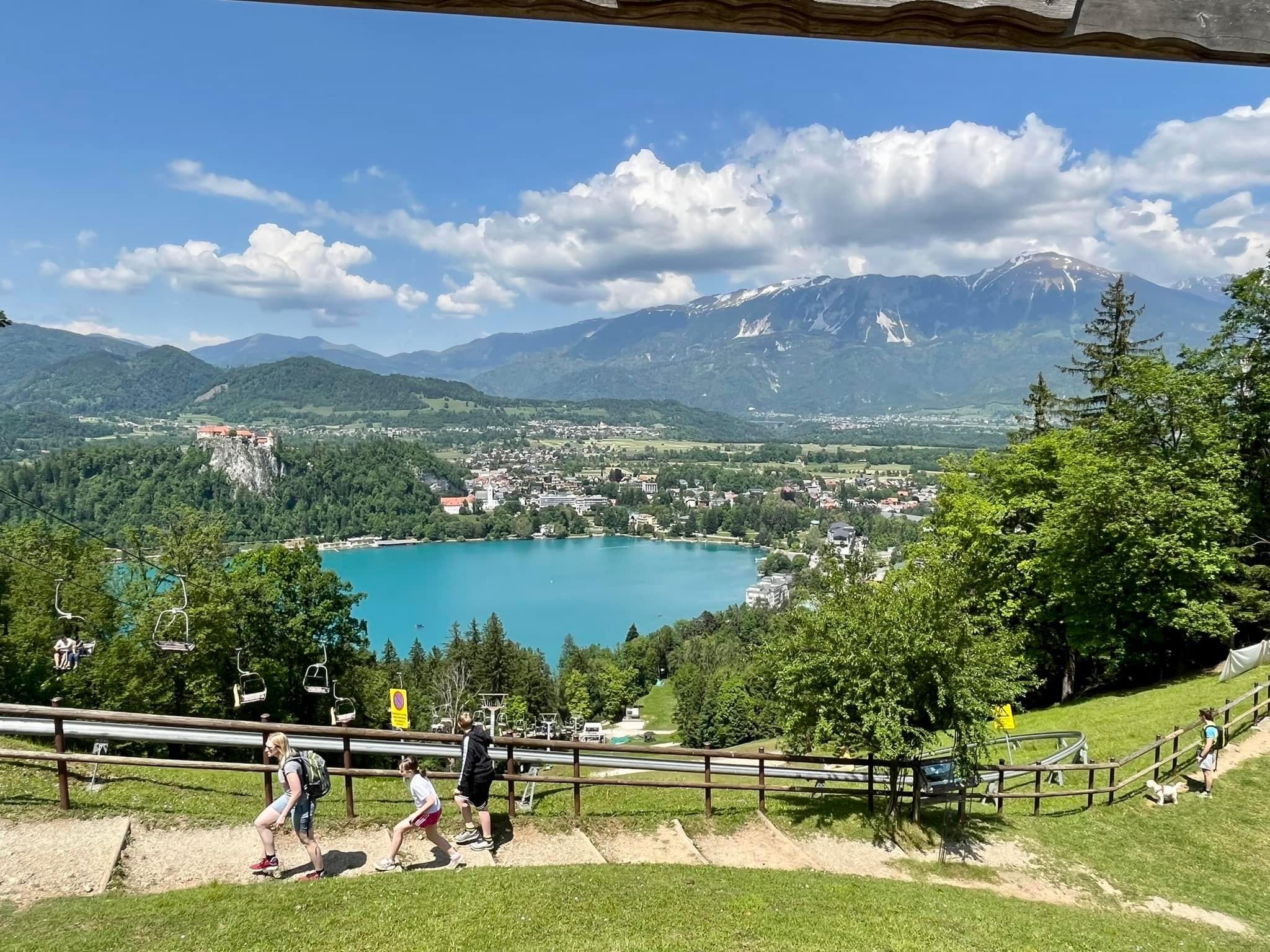
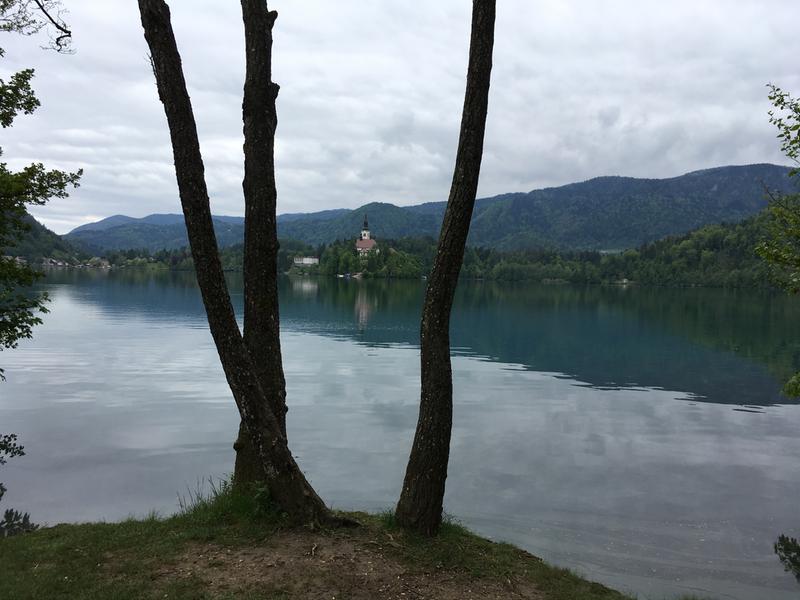
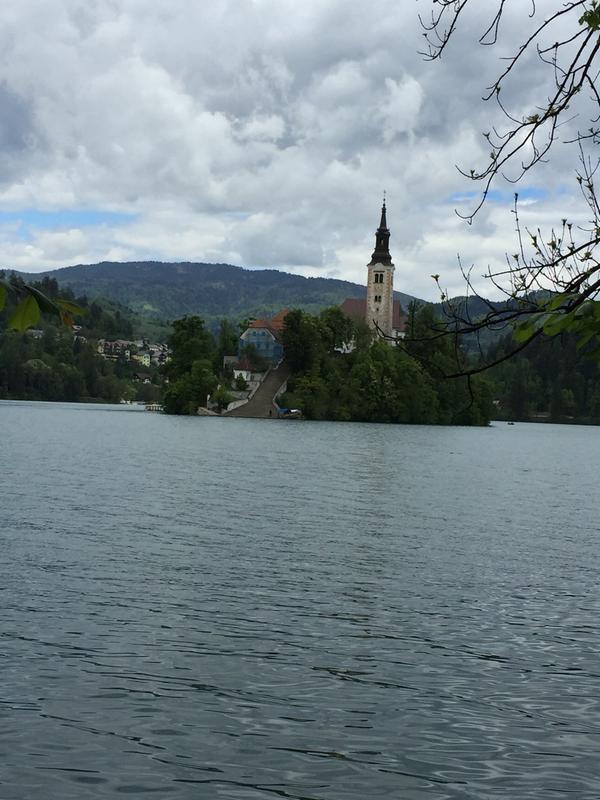
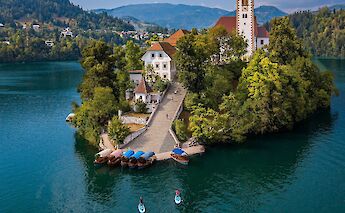
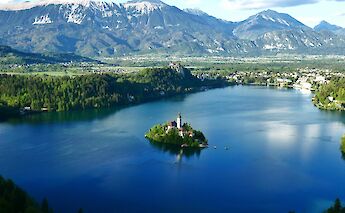
The highlight is Lake Bled, one of Slovenia’s most photographed destinations, with its island church, medieval Bled Castle, and panoramic views of the Julian Alps. After a well-earned rest here, transfer to the south side of the Alps and into Collio, the renowned wine-growing area of Friuli Venezia Giulia. Explore the historic town of Cividale del Friuli, a UNESCO World Heritage Site and former Lombard capital, with its famous Devil’s Bridge spanning the Natisone River.
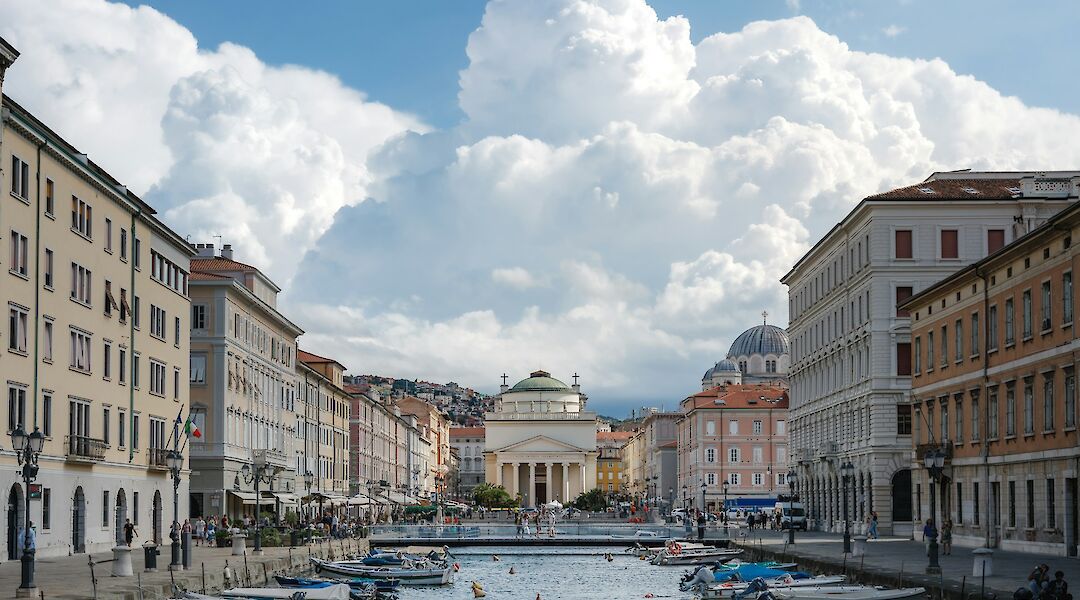
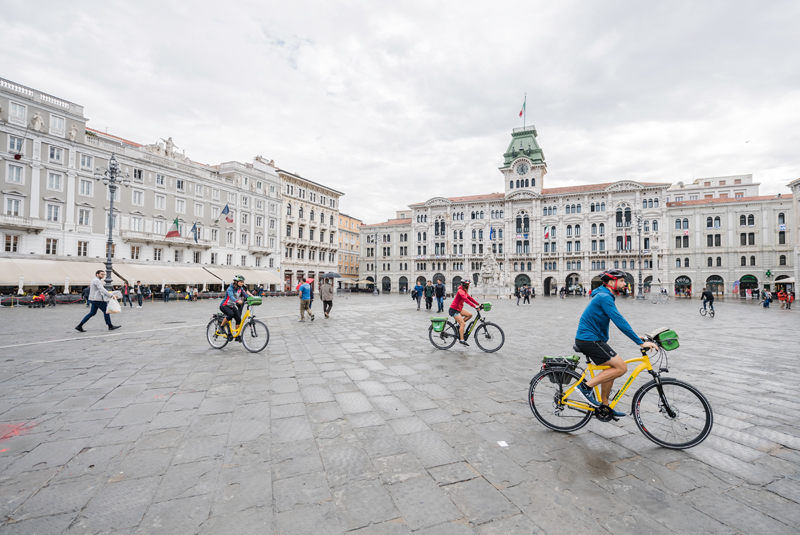
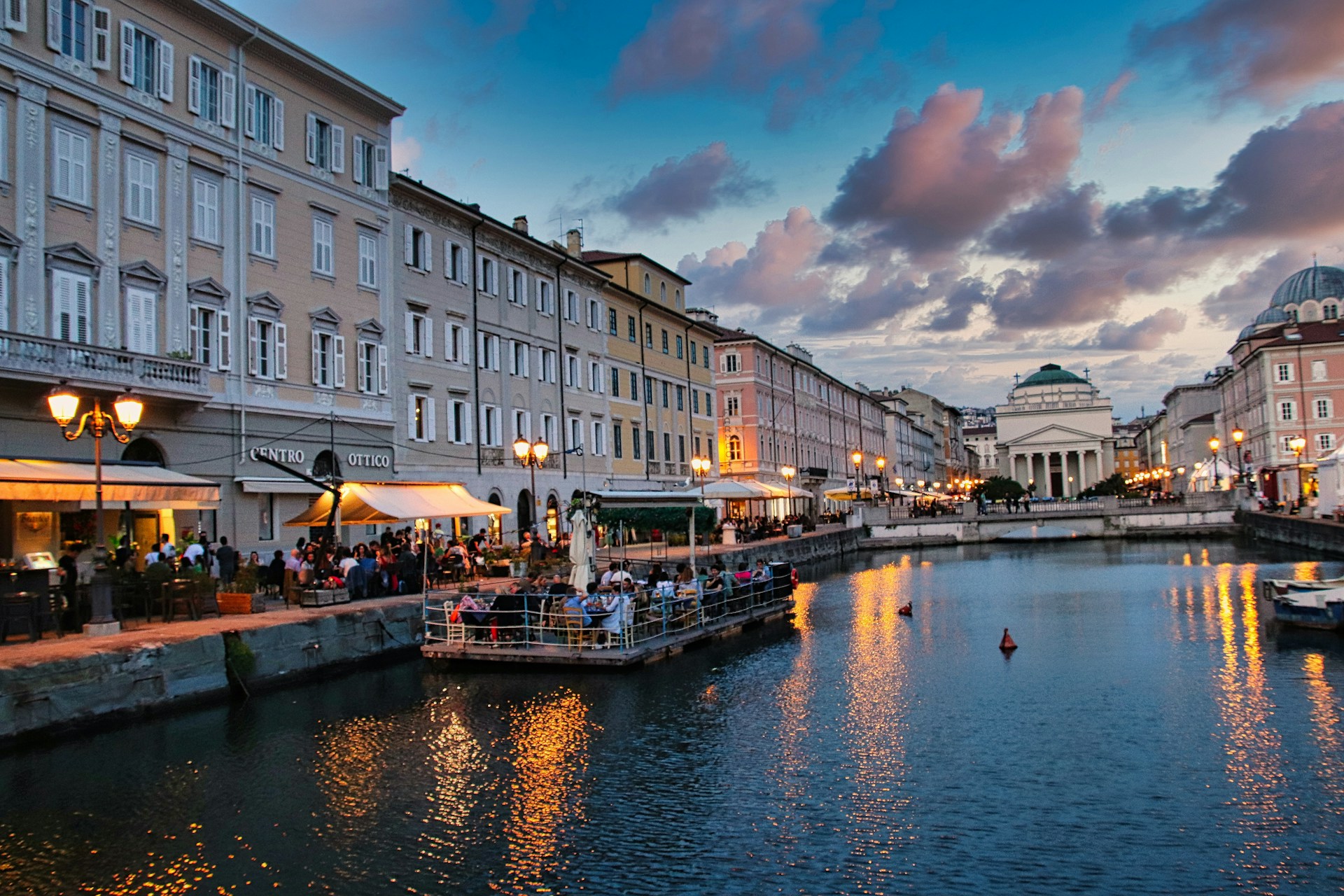
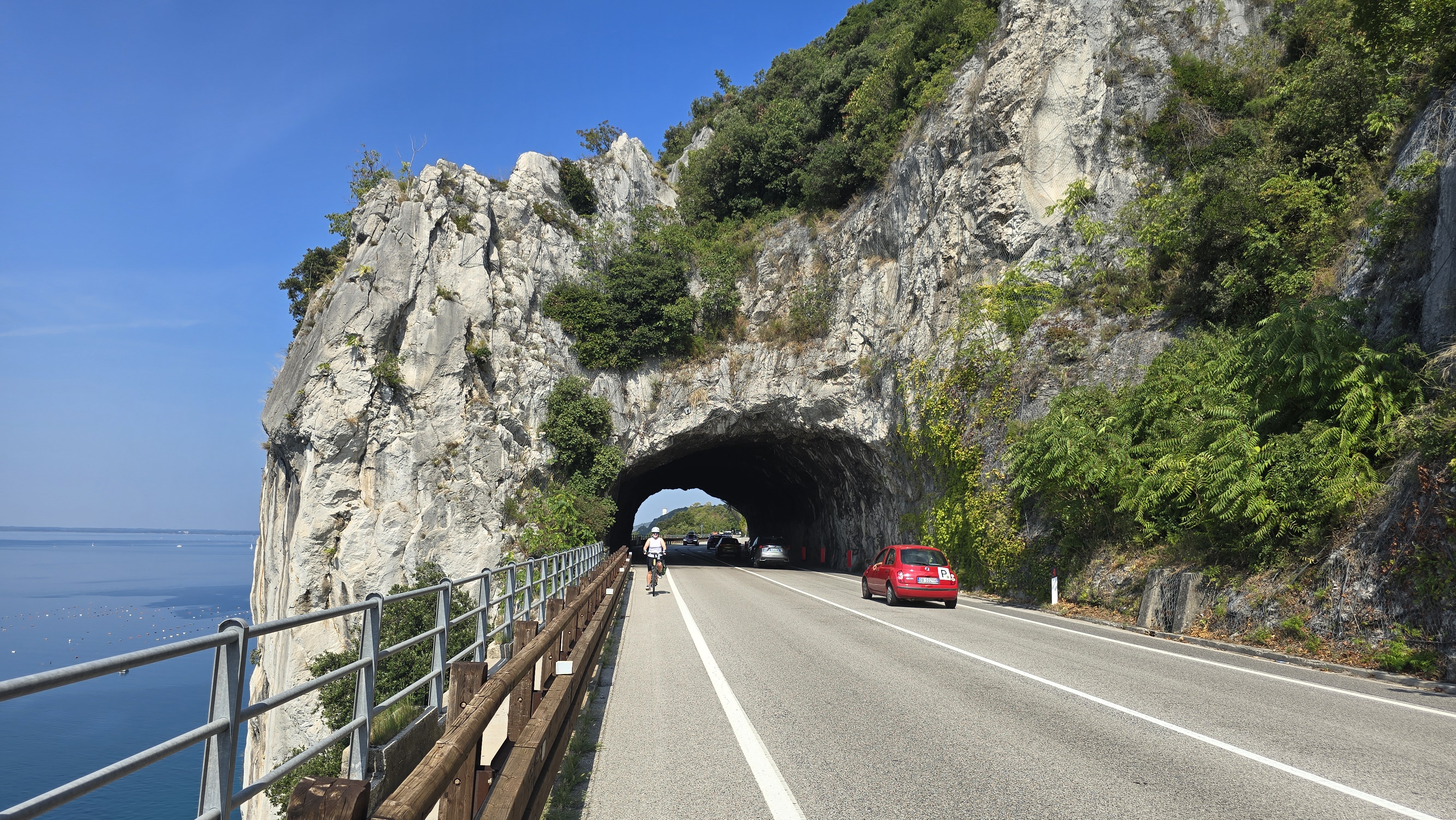
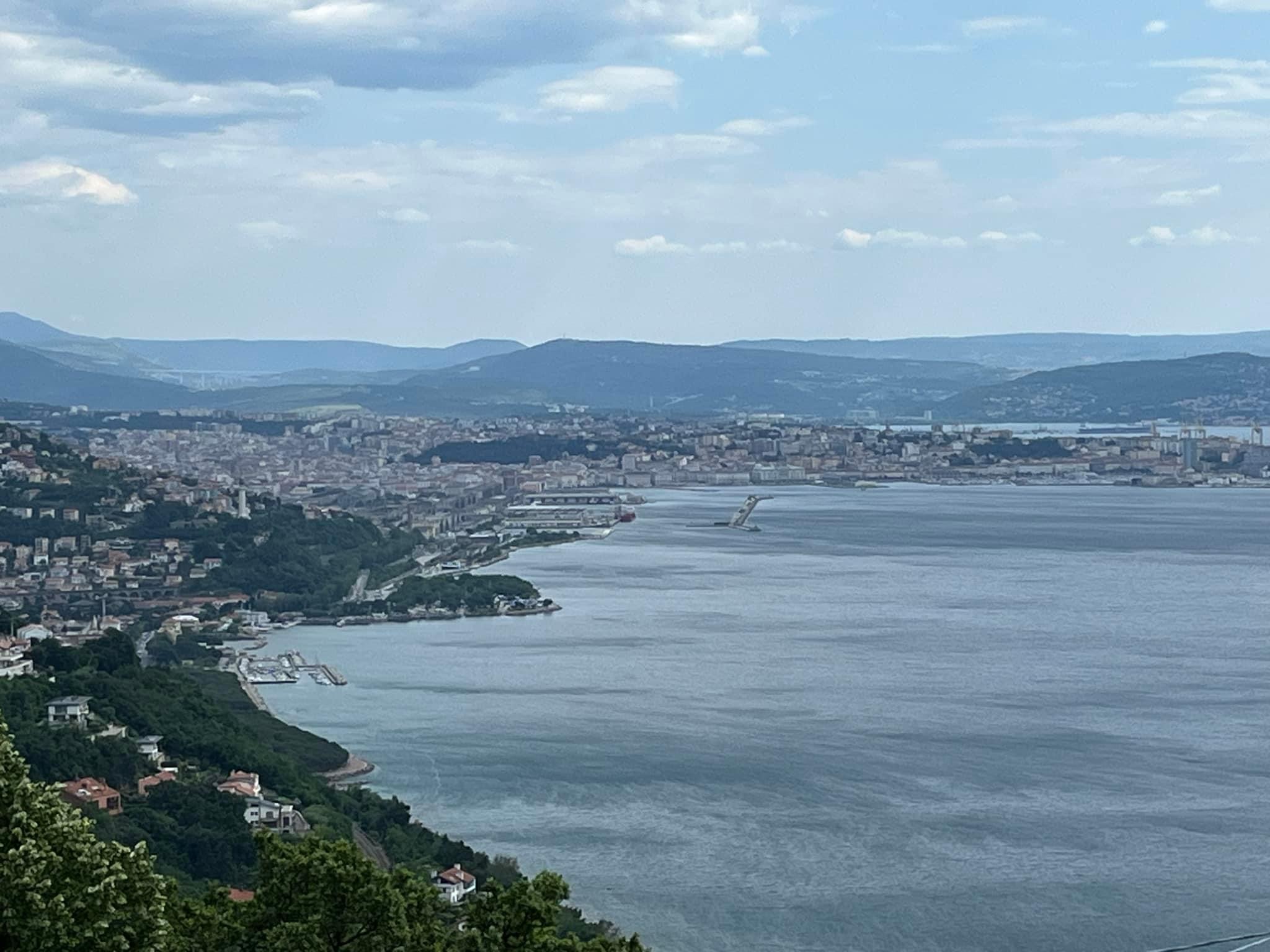
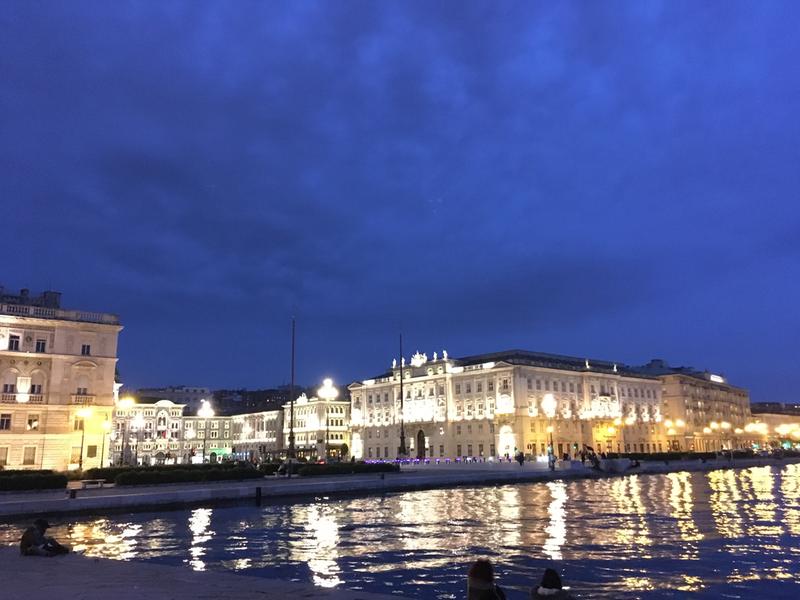
Your final stage is a spectacular ride along the Adriatic coastline to Trieste, the elegant former Habsburg port city. Here, grand squares, waterfront cafés, and a unique blend of Italian, Austrian, and Slovenian culture provide the perfect ending to your Dolomites-to-sea adventure.

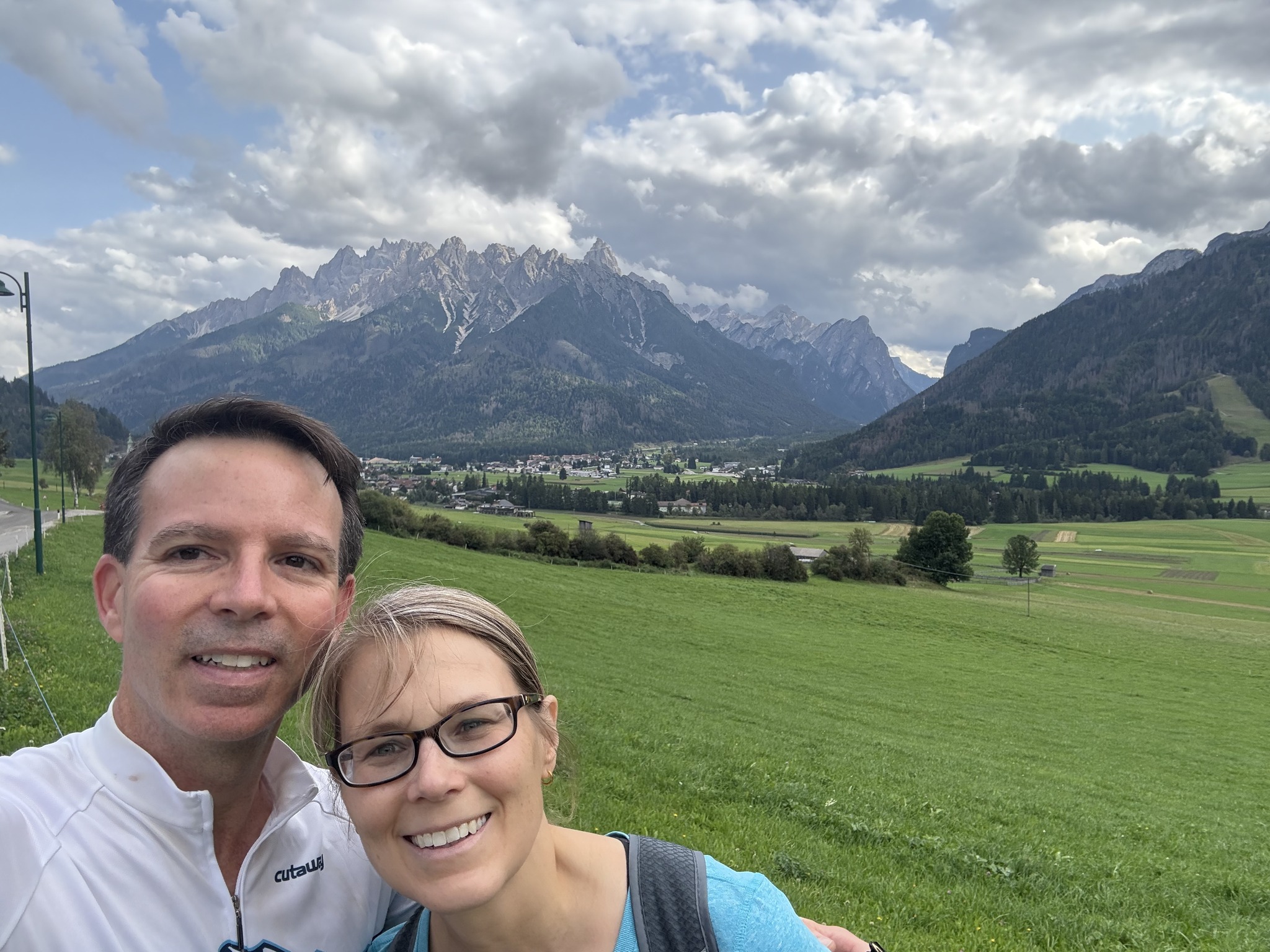
Great tour of 3 different countries!
“This was our second tour with biketours.com. While we did enjoy this itinerary, we preferred our first one, Switzerland Geneva to Lucerne. That being said, I was certainly happy…” Full Review
“This was our second tour with biketours.com. While we did enjoy this itinerary, we preferred our first one, Switzerland Geneva to Lucerne. That being said, I was certainly happy with this trip, the Dolomites region was great, I particularly liked Dobbiaco, Travisio, and Cividale. We had an extra day in Dobbiaco at the start of our trip, which was a good decision. We opted for only one day in Bled, which we also think was a good decision - the lake and town, while beautiful, are a little too touristy for our taste. The optional climbs, leaving Oberdrauberg and entering Bled, were not as difficult as we had imagined and we were glad to have done them. We also chose the hinterland route into Trieste, which was good. Some of the hotels where we stayed in were in cities that were quite small with not much to do, or in the case of Gradisca, was on busy roads and we had to get back on our bikes to get to a walk-able area of the city, which was not great. Especially once in the flat, wine regions of Italy, it felt like we were on more roads and gravel than bike paths than we would have liked. Regarding navigation, the app was excellent, we had no issues whatsoever. Do pack an extra battery bank to charge your phone. We also brought shoe covers for when it rained which we were grateful to have brought. Despite some caveats, overall a great trip!” Less
—Wade C.
Beautiful Scenery, 249 Miles Total
“Cividale del Friiuli, Bled, Udine, Trieste, beautiful cities. Special moments, the manager at the Aguntum Museum (near Lienz) gave an unforgettable welcome to our soggy group (it…” Full Review
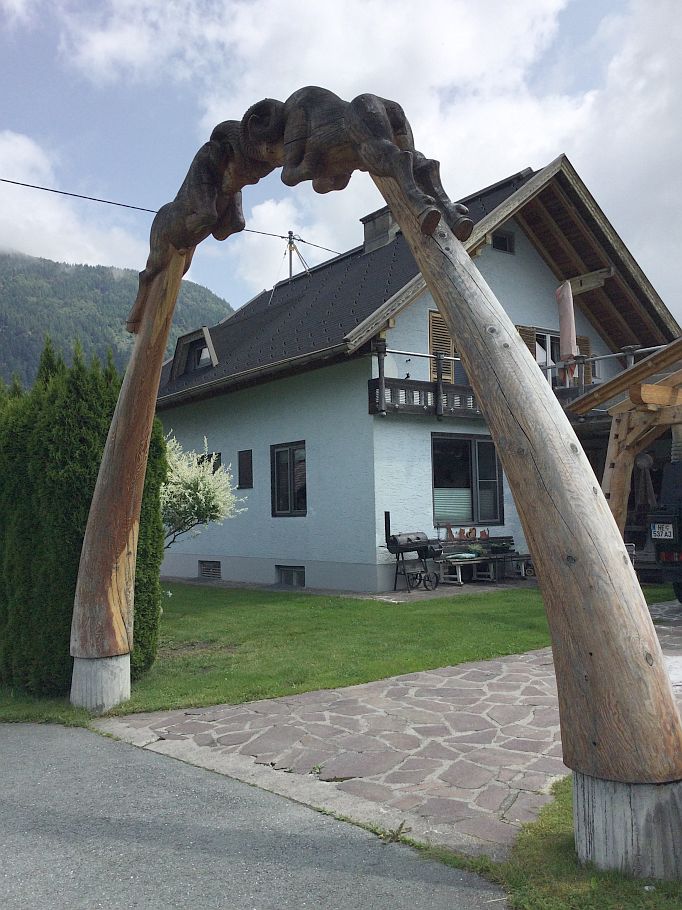
“Cividale del Friiuli, Bled, Udine, Trieste, beautiful cities. Special moments, the manager at the Aguntum Museum (near Lienz) gave an unforgettable welcome to our soggy group (it poured buckets the first day out) and Hannes Grimmer Holzdesign (near Reisach) - amazing wood carvings. Nice hotels overall. Only issues were an A/C outage at the Bled hotel, and "the outbuilding" at the Cividale del Friuli hotel - tiny rooms that were nicely appointed but it was a walk from the main hotel that posed a challenge for older bikers in our group with walking issues. Tour operator customer service was excellent - second tour with them, would definitely use them again. Ebikes were new with strong motors and the techs on site took care of changing the displays to English/miles for us. Recommend completing this tour by mid-June due to summer temps in Italy.” Less
—ShopTherapy
So many amazing places, so little time . . .
“Equipped with e-bikes, two panniers, one handlebar bag, a bike lock and a repair kit, we were ready to leave Toblach and head east. We had previously biked from Toblach to Lienz…” Full Review
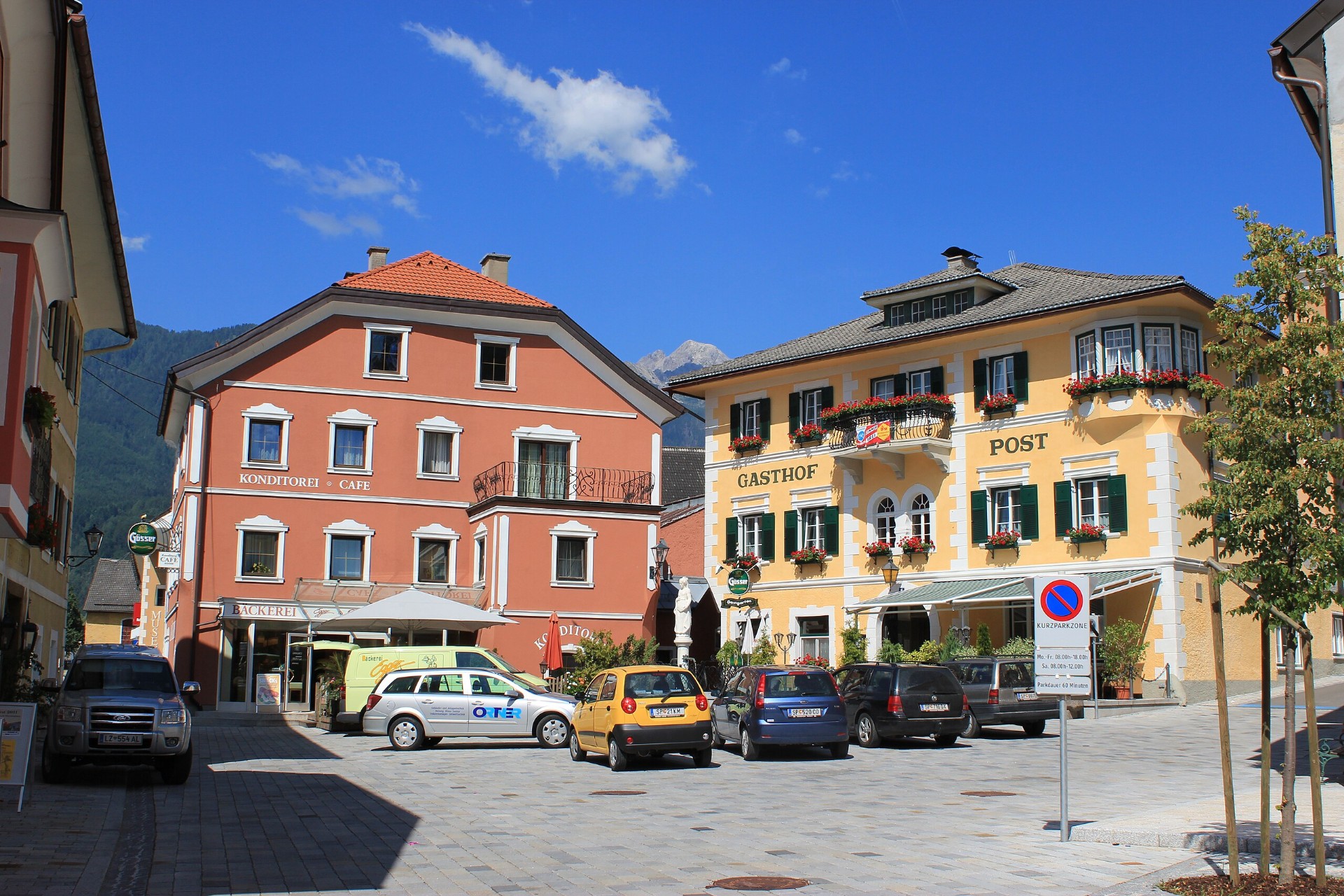
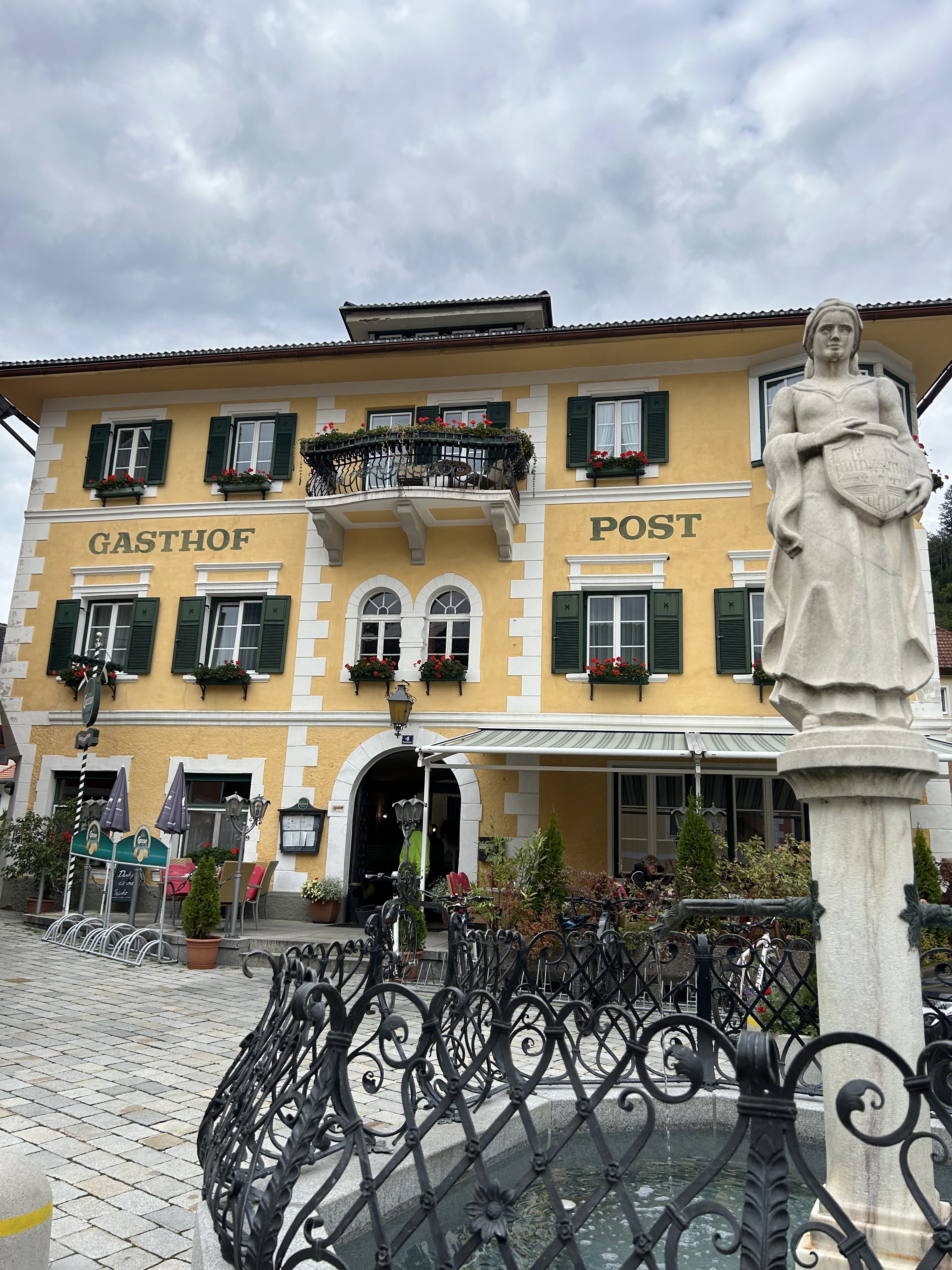
“Equipped with e-bikes, two panniers, one handlebar bag, a bike lock and a repair kit, we were ready to leave Toblach and head east. We had previously biked from Toblach to Lienz, so decided to take the train from San Candido to Lienz to save some mileage. The train in San Candido had steep narrow steps which we had to muscle the heavy e-bikes over, but in Lienz, the entry/departure is flat with the quais. From there is was a very pleasant ride to Oberdrauburg. Dinner at the Hotel Post was good (we were no longer on the dinner included plan) and bike storage was always in a covered area with outlets to charge the e-bikes (we carried the chargers in our panniers). The next morning we took a local bus (at the Oberdrauburg train/bus station) to the summit of the Gailberg Pass. From the bus window, I was glad we avoided the 7 km (4.2 miles) steep hairpin turn highway as it snaked it way to the summit. Arrived at Feistritz an der Gail at another Post Hotel where we enjoyed dinner and a good rest.
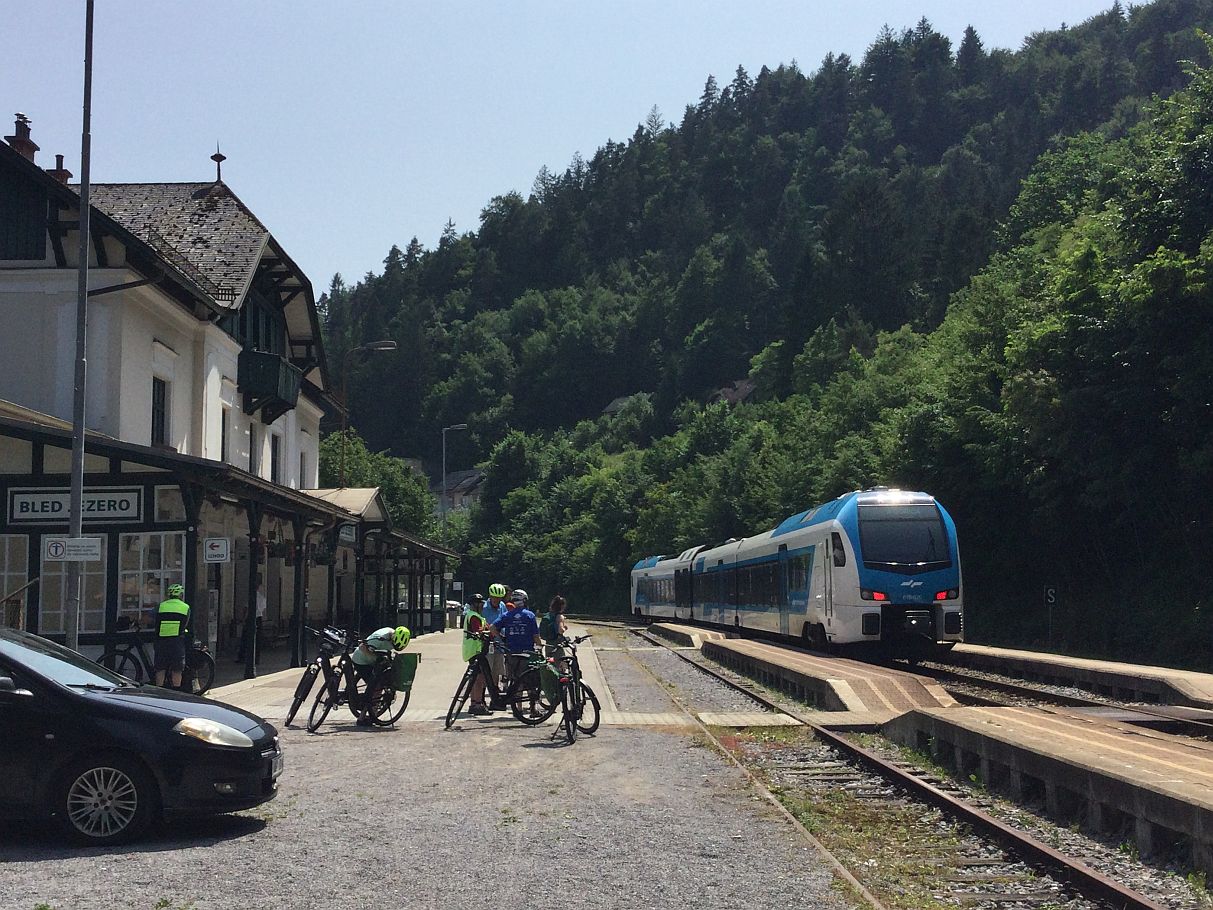
The next day we entered Slovenia and were pleasantly surprised at the quality of the bike paths, signage and bike refreshment places along the path. Again we opted to take the train from Jesenice to Bled to avoid some steep ascents, BUT the Slovenian regional trains are a sight to behold. Heavily graffitied and "vintage," we were thankful a young German exchange student helped us muscle the two e-bikes into an empty compartment at the back of the three wagon train. We purchased tickets for the ebikes on board (believe me when I say the trains may be old, but the ticket collectors are there for every single kilometer to collect bike fees, etc). Easier to get the bikes off than on, so when we arrived at Bled Jezero, we were relieved.
Cannot say enough good things about the Hotel Park and Bled. We opted for TWO nights and I would highly recommend consideration of same. Bled is just too beautiful to spend one short night. We reserved a wine tasting at a local restaurant (a ten minute walk from Hotel Park) and had reserved spots for the Vintgar Gorge the next morning. Easy to take the bikes to the entrance of Vintgar Gorge (again free parking). The 1 ½ hour hike in the Gorge is breath taking, but the 2 hour steep hike out (we didn't take a shuttle this time), was challenging.
Plans change and the train transfer turned into local partner taking the bikes/panniers/handlebar bag on a bike trailer and giving us tickets to a regional bus with instructions to get off at another train station 1+ hours away. Fortunately the train conductor was on the bus and assured us which station it was (everybody got off). Another couple got off two stops before us and a local rep made sure we gave him our luggage at that point. We got off at Kanal ob Soci for our ride into Gradisca d'Isonzo. We were high above the canal and it's a very industrialized zone. Perhaps the least scenic of all the days so far. At one point there was a ! sign with steps!! What? Yes, just around the corner was a series of steps and ramps to ascend a steep part of the trail. Figured out walk assist and managed to get the bikes up and over. That was a surprise.
There was some kind of HUGE market/celebration in progress with street blockages, tents, supply vans, etc. choking the streets of Gorizia. We counted ourselves lucky to have found our way out of this rather large metro area. Spent the night at Hotel Franz in Gradisca d'Isonzo and enjoyed a lovely meal at the hotel (seemed to be a local favorite).
Last day from Gradisca d'Isonzo was along the Coast highway. Had read reviews about traffic and such, but the bike lane was wide and the drivers respectful of cyclists. As we neared Trieste, more cars would be parked in the bike lanes, but we managed without incident. Upon arrival at the Trieste Centrale train station, we returned our bikes to a nearby partner location, emptied our panniers/handlebar bag into our backpacks and walked to our hotel near Trieste's pedestrian zone. Such a lively place come 7 p.m. Dined in a terrace cafe, had gelato, did some shopping and called it a successful tour. Thank you, Biketours.com for a great experience.” Less
—Marcie Bushnelll
Daily Program
Day 1: Arrival in Hochpustertal valley
Niederdorf/Villabassa or Toblach/Dobbiaco / Sillian
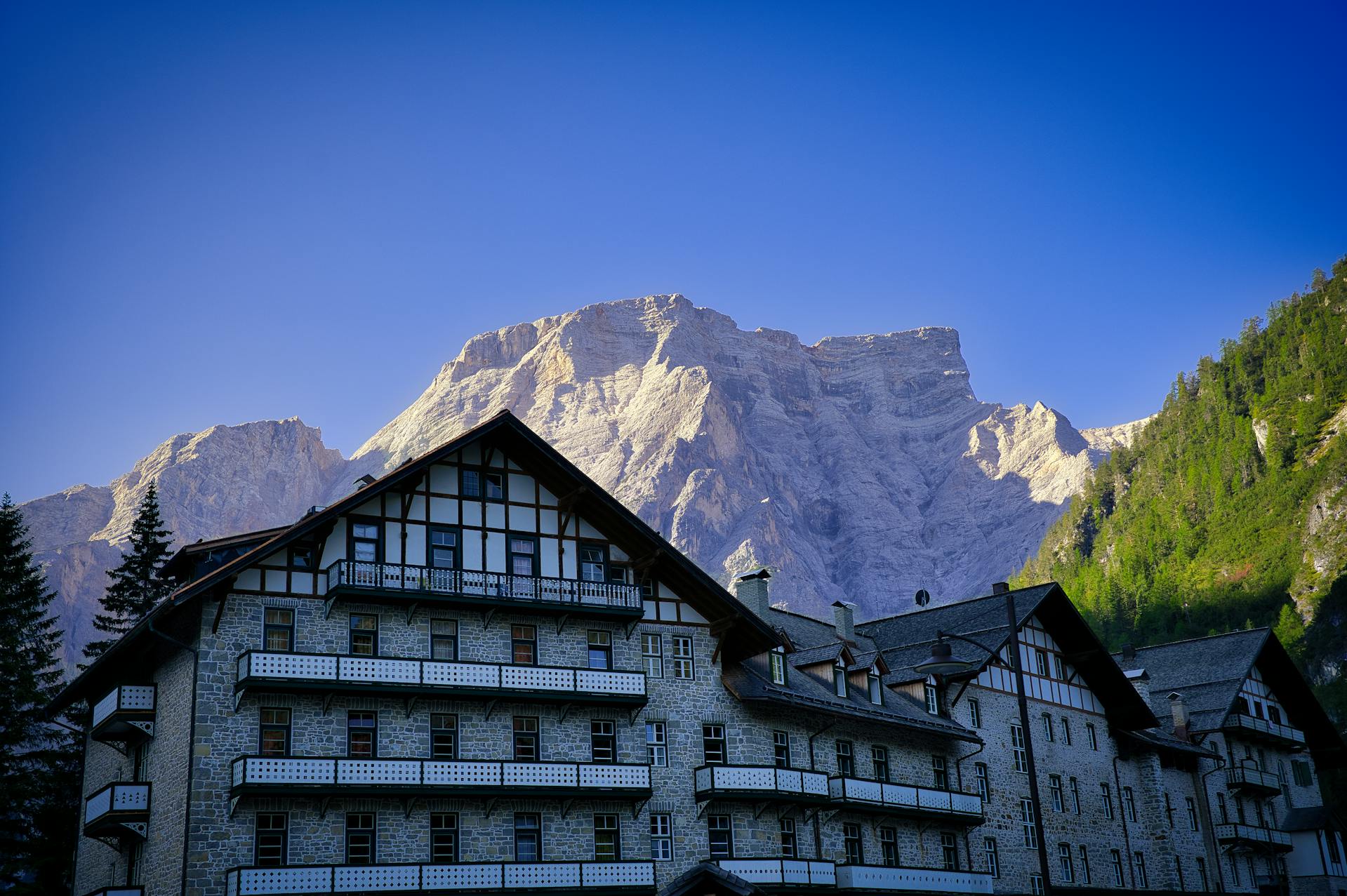
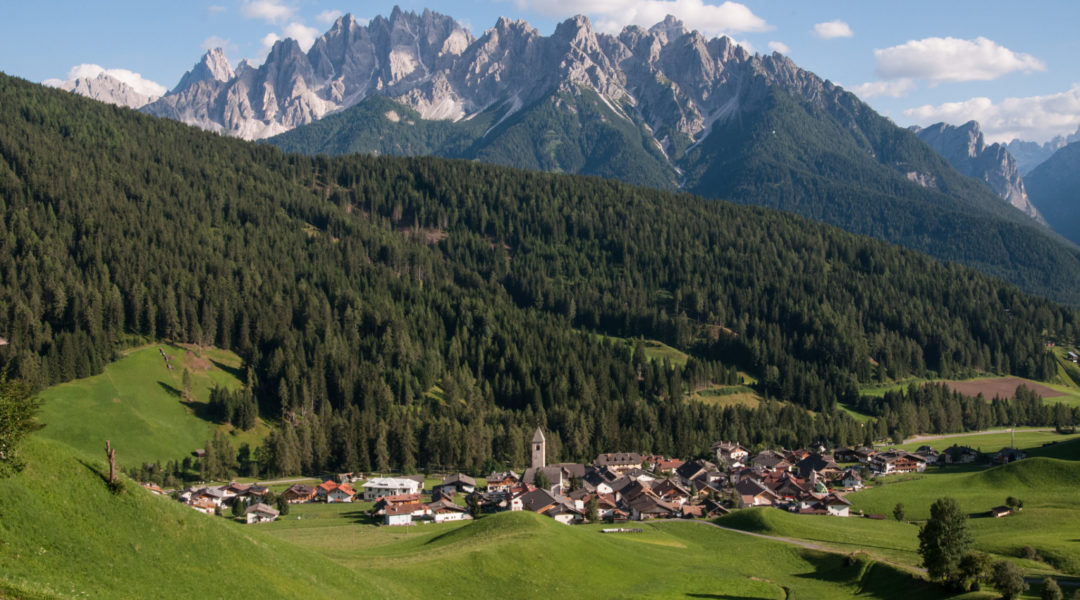
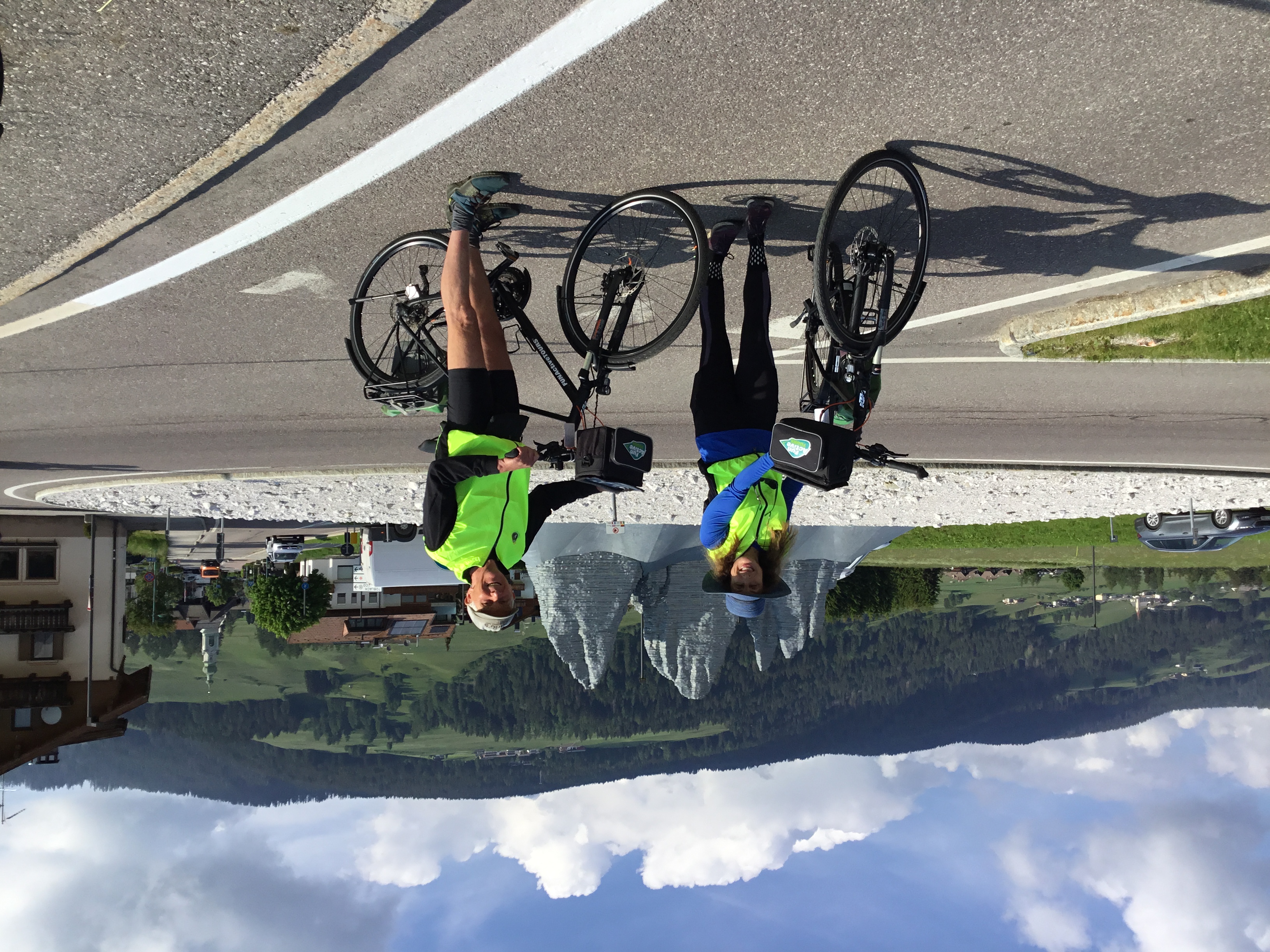
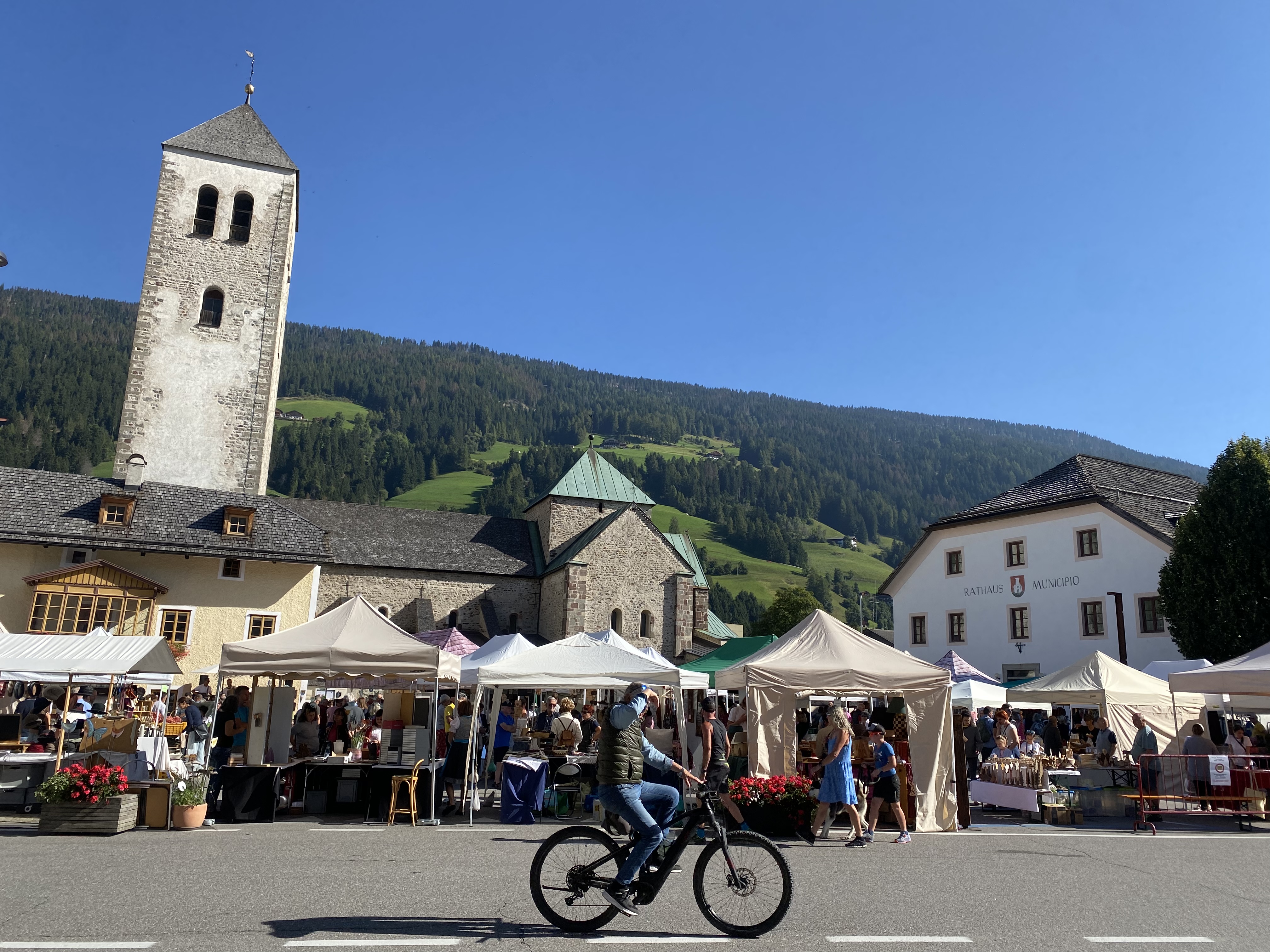
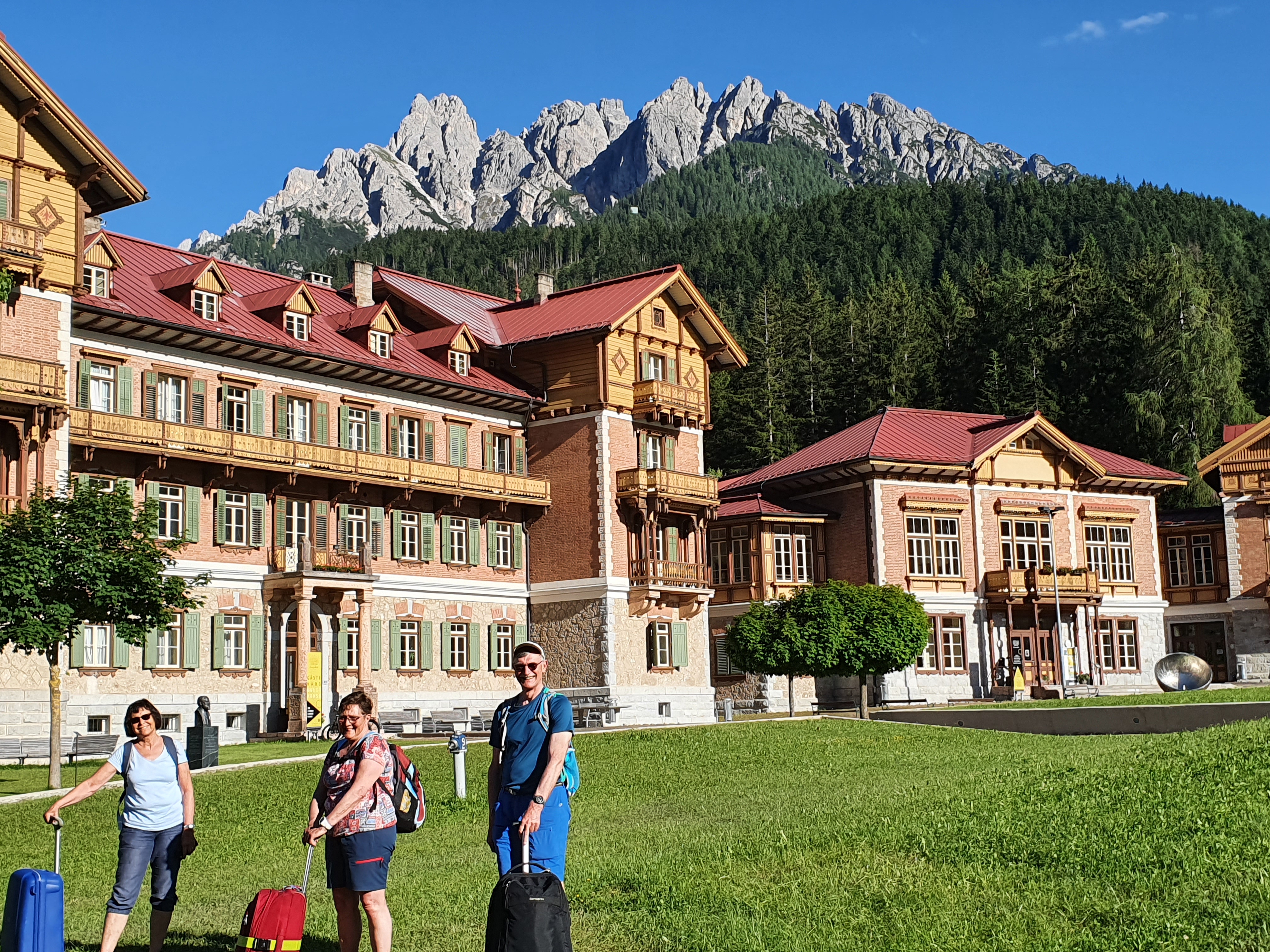
Arrive in the Hochpustertal Valley, a well-known starting point for long-distance cycling through the Alps and into the Adriatic region. Free, unguarded public parking is available nearby. Villabassa is known for its Kneipp water therapy park, while Dobbiaco has strong cultural ties to composer Gustav Mahler. If staying in Sillian, you’ll be right on the border of Austria and Italy. Use the rest of the day to get familiar with the surroundings and prepare for the journey ahead.
Overnight in Hochpustertal (Niederdorf/Villabassa or Toblach/Dobbiaco) or Sillian
Day 2: Hochpustertal/Sillian – Oberdrauburg/Kötschach-Mauthen
43-47 mi / 70-75 km from Hochpustertal or 37-40 mi / 60-65 km from Sillian
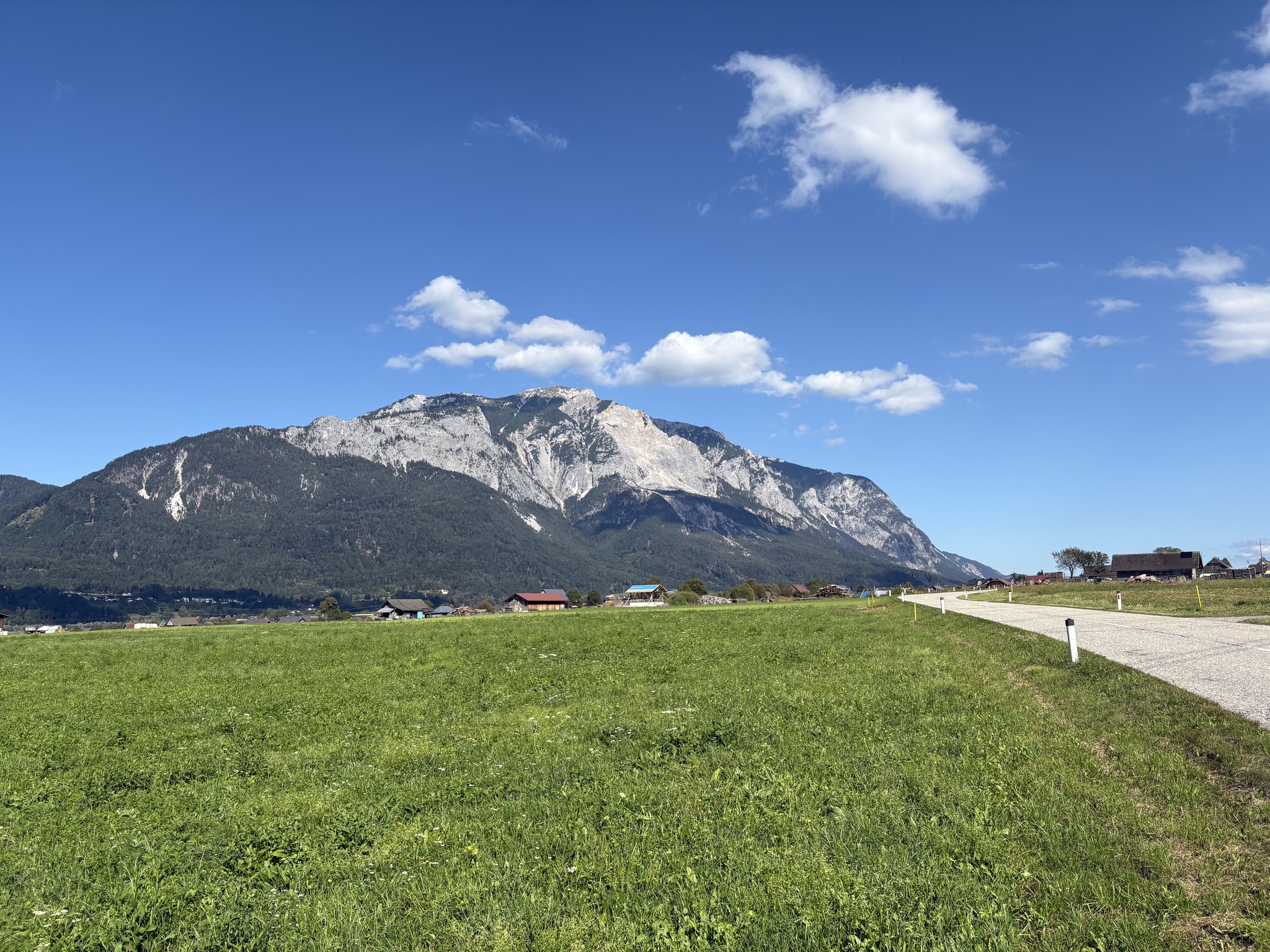
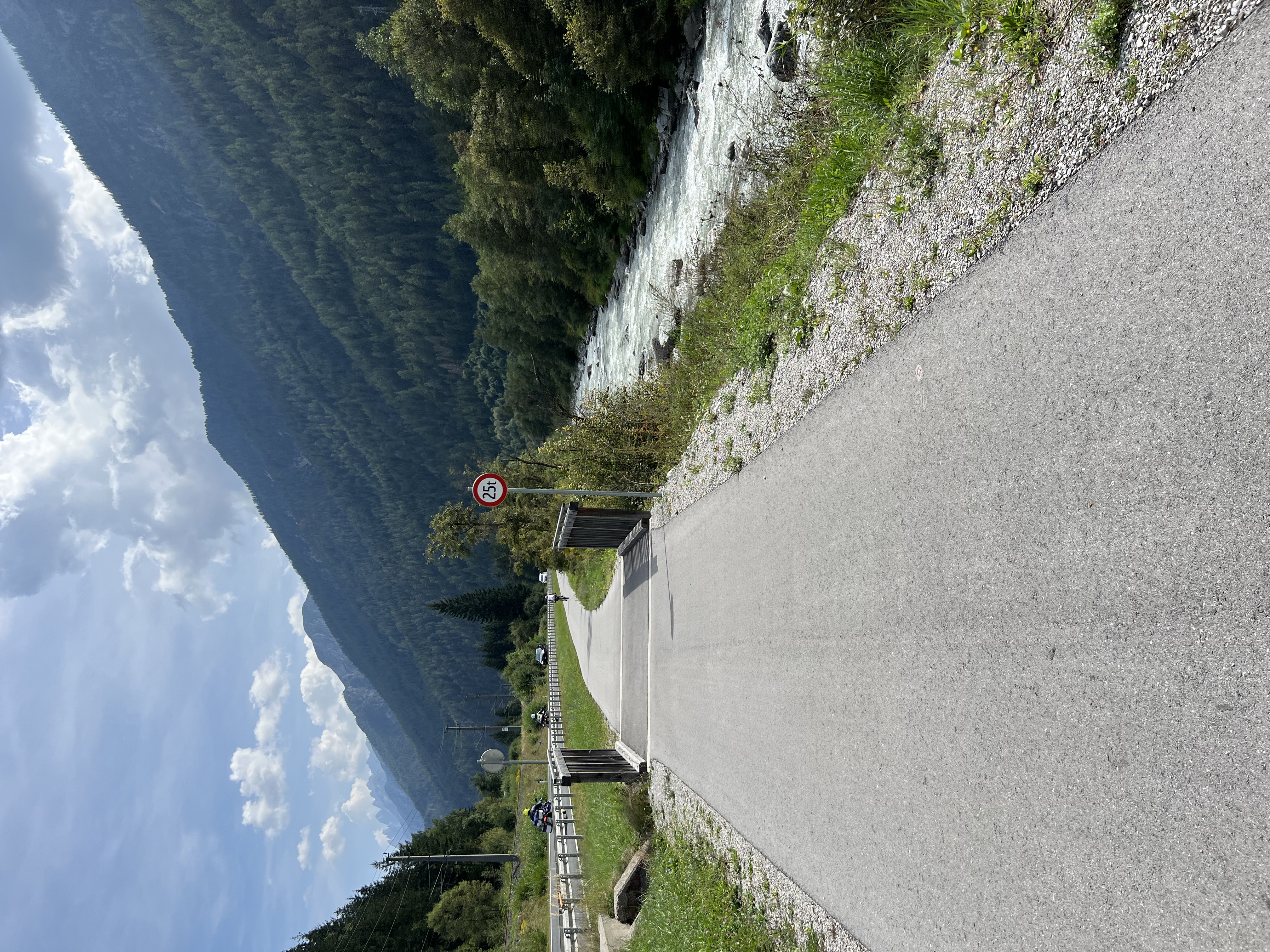
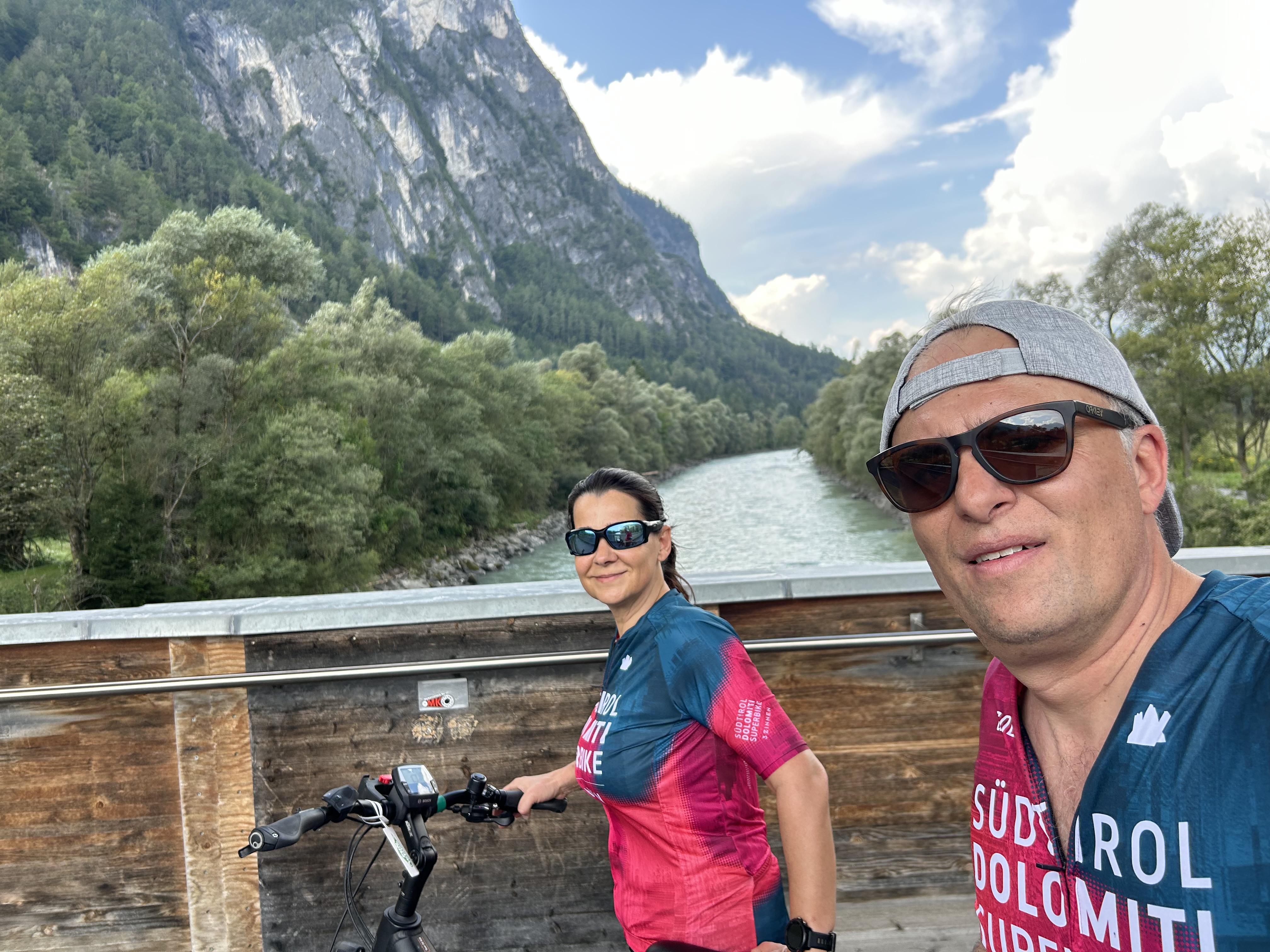
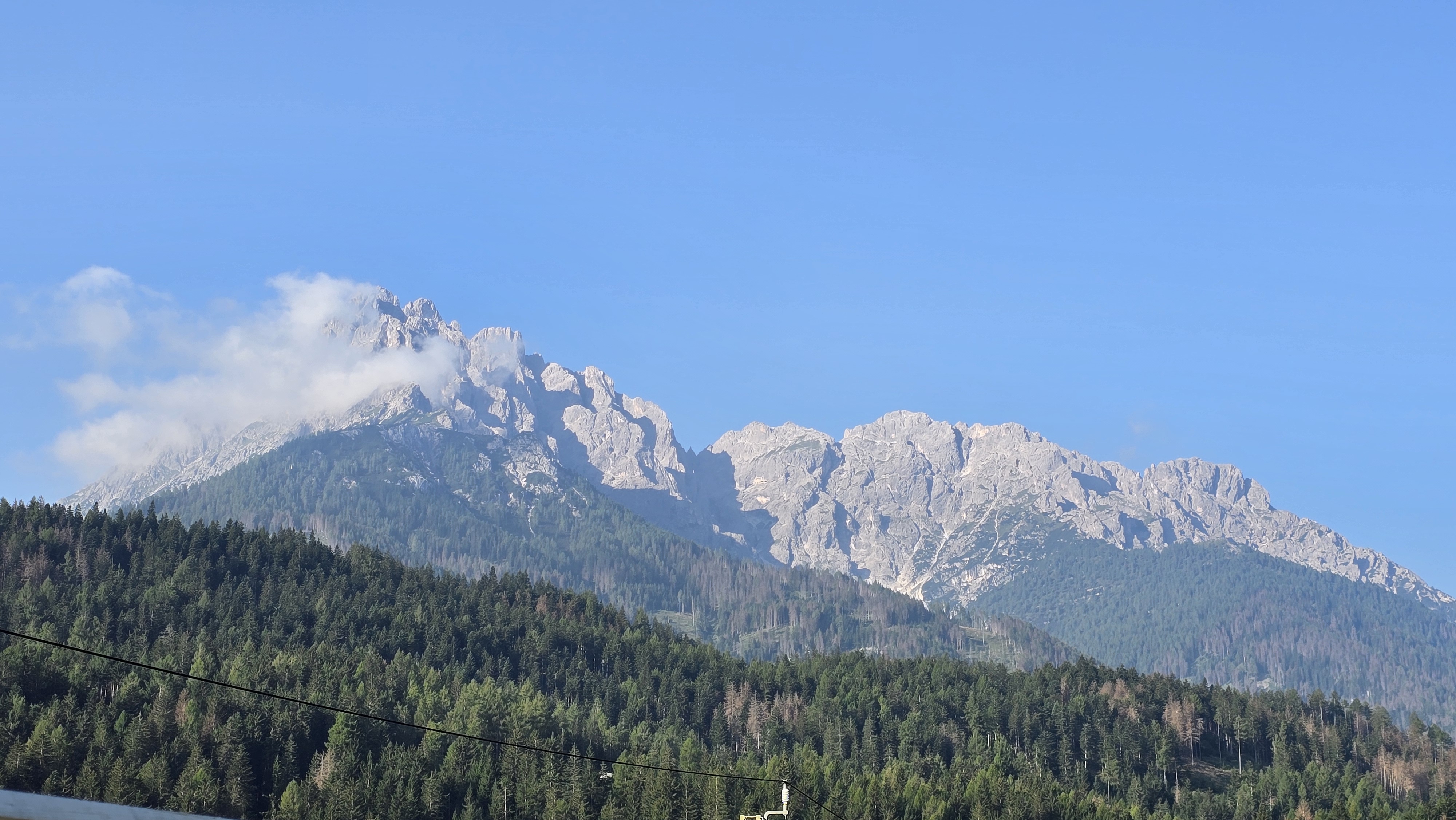
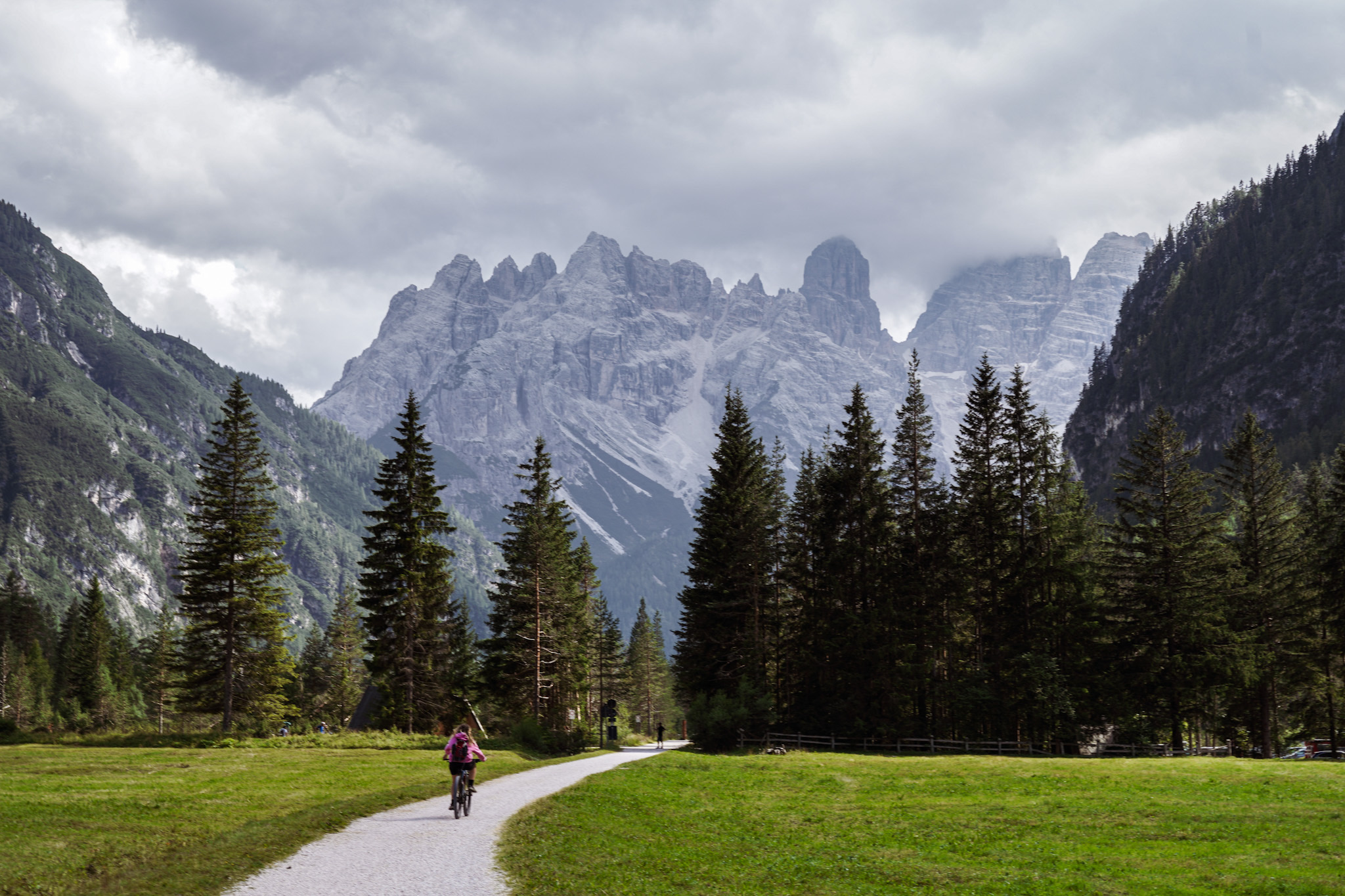
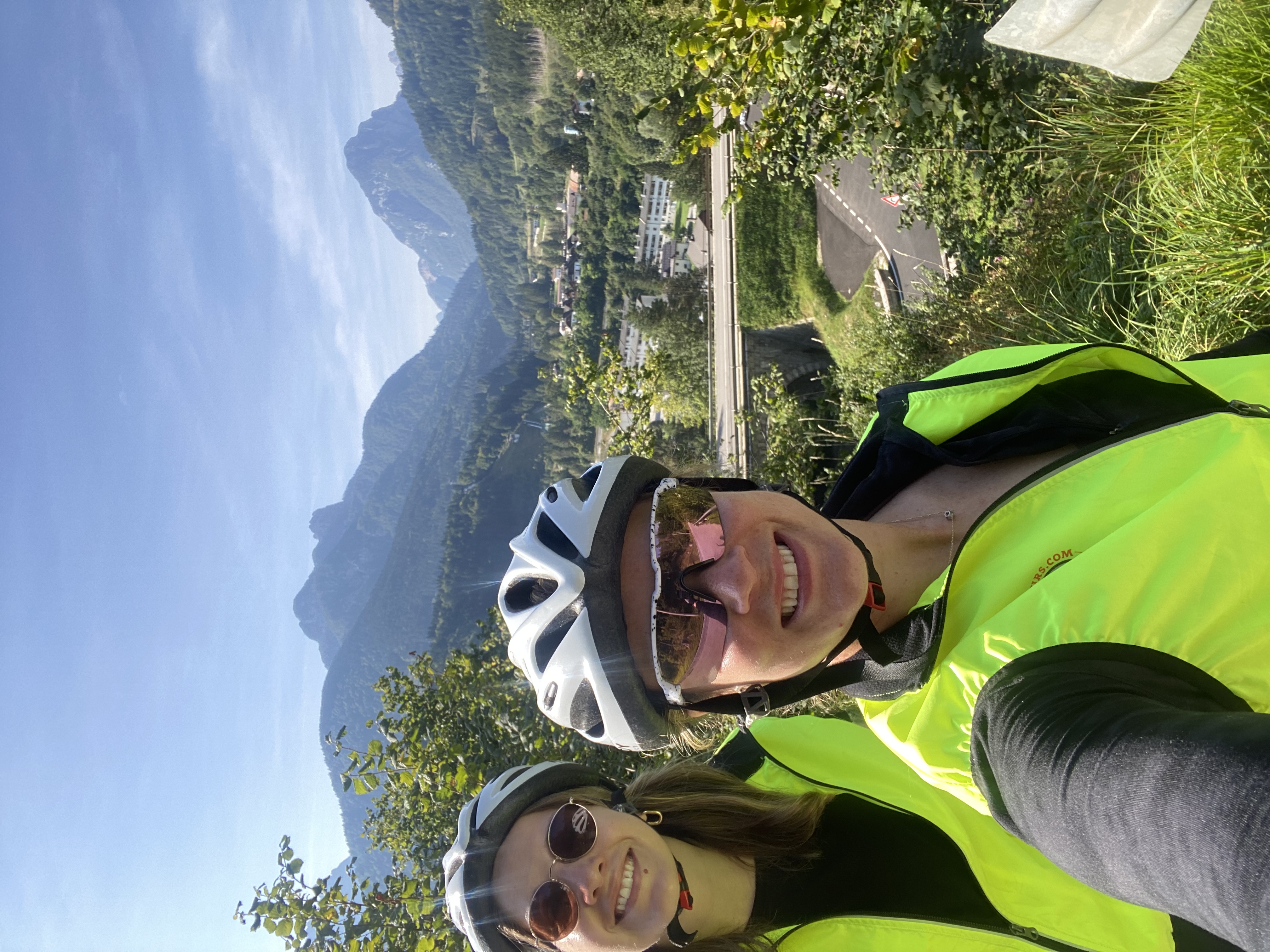
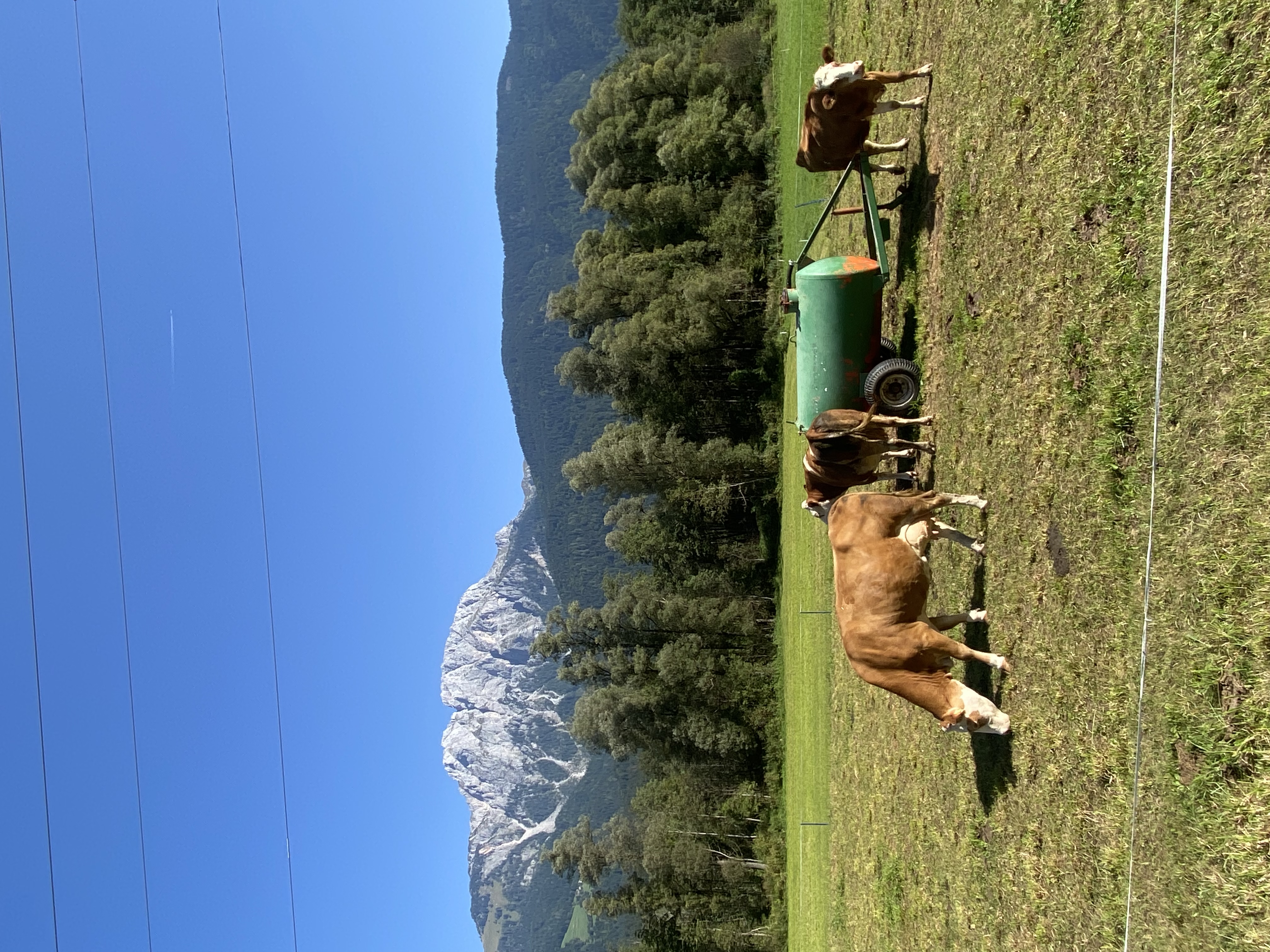
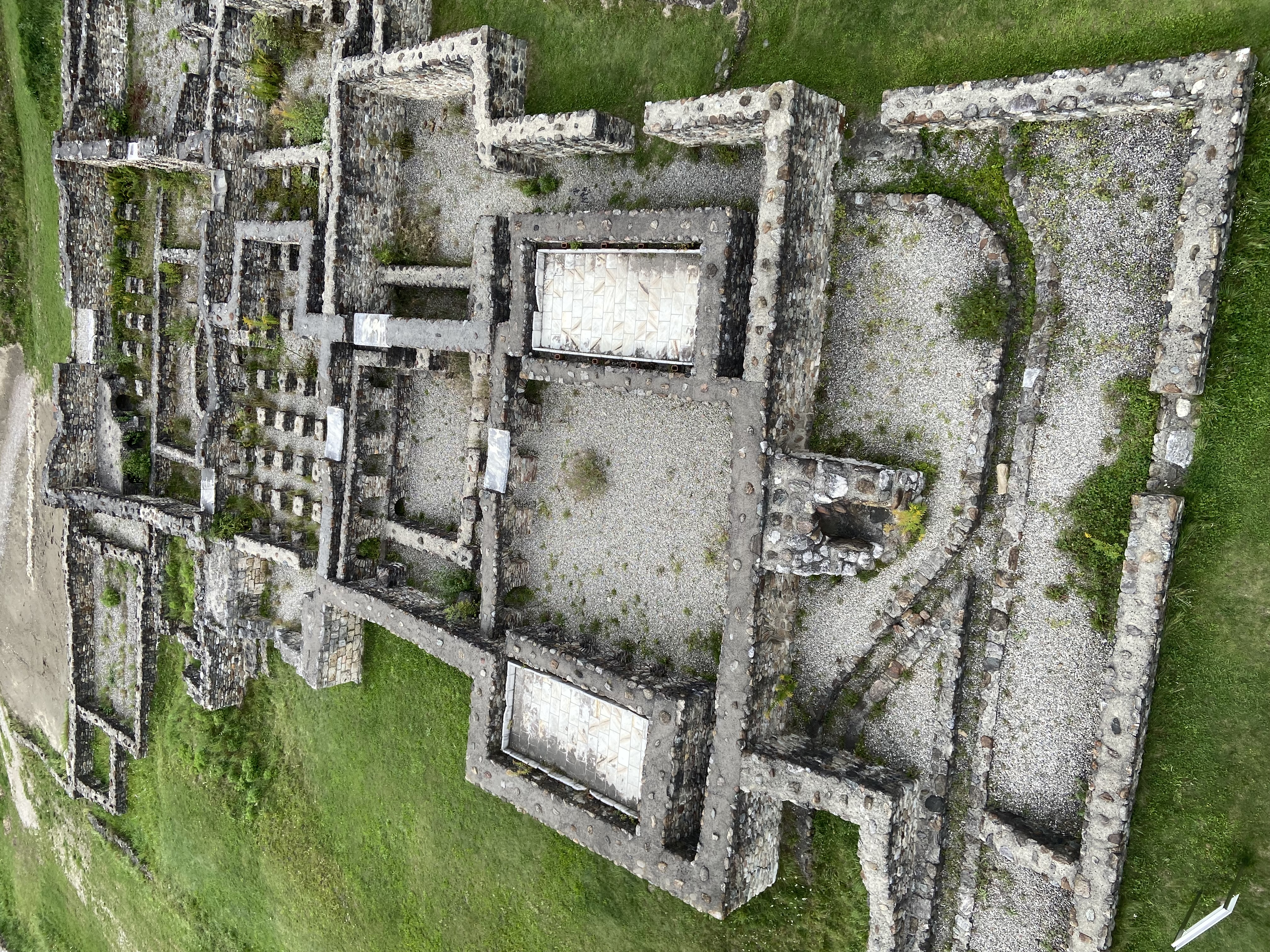
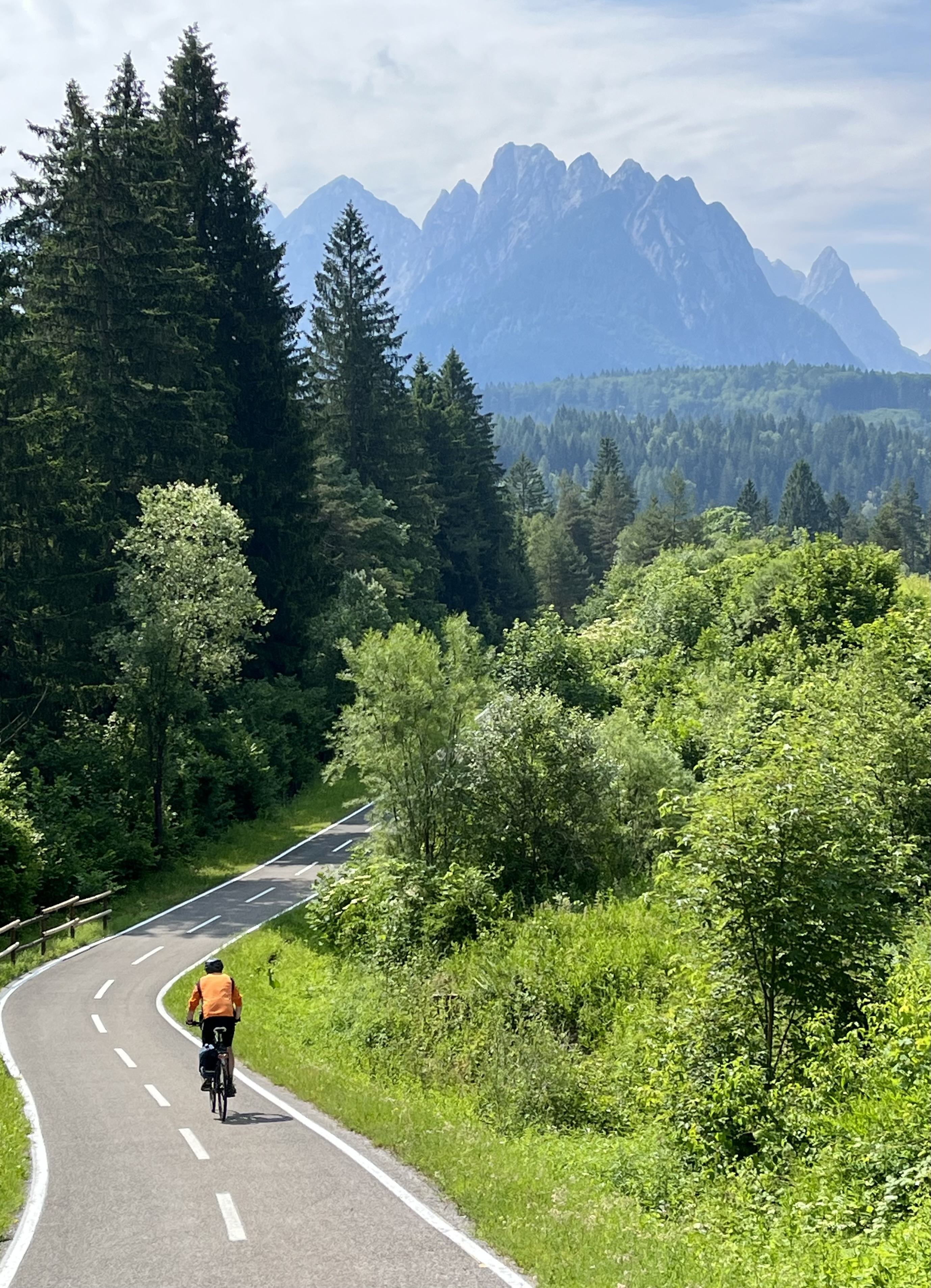
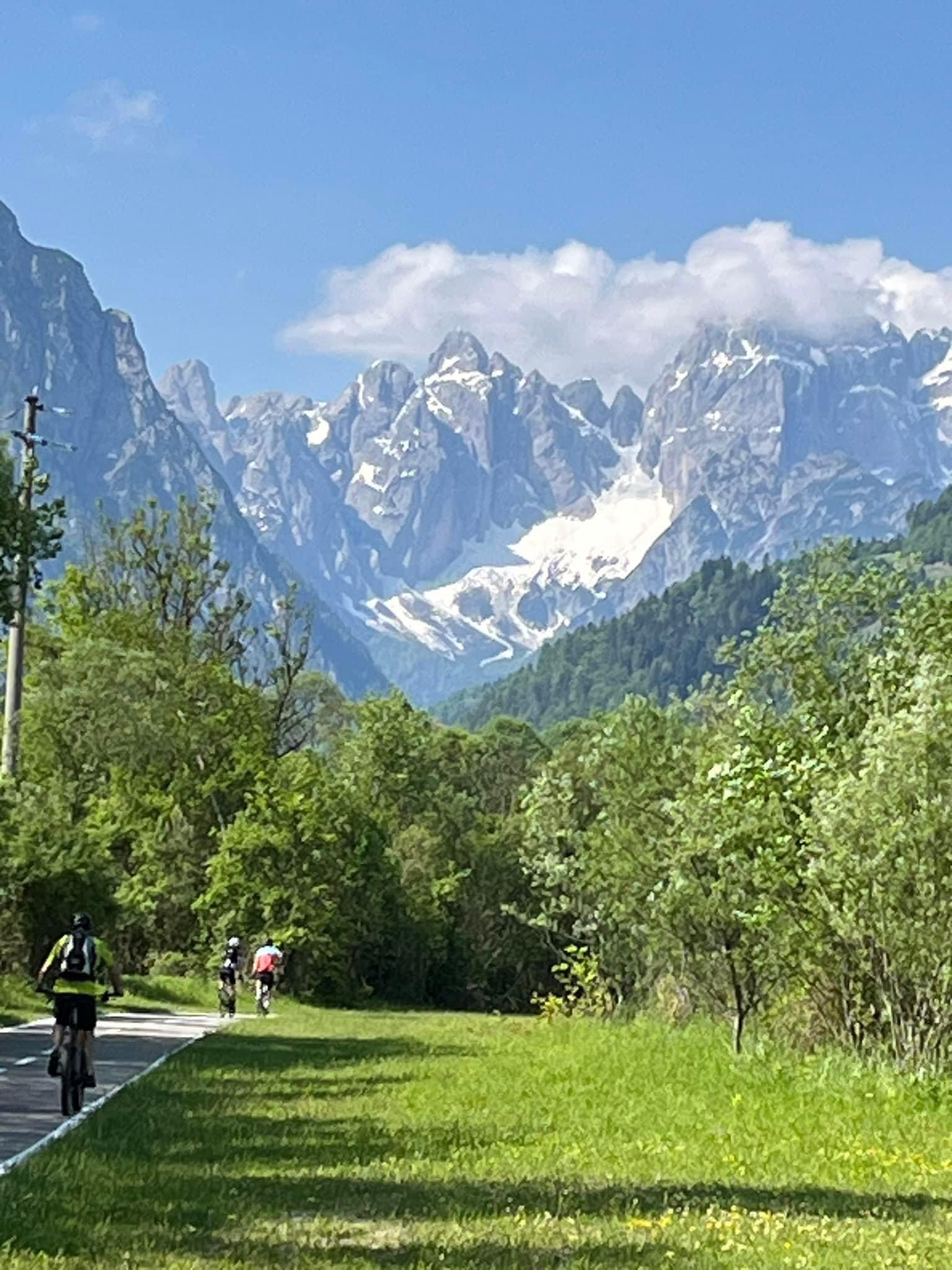
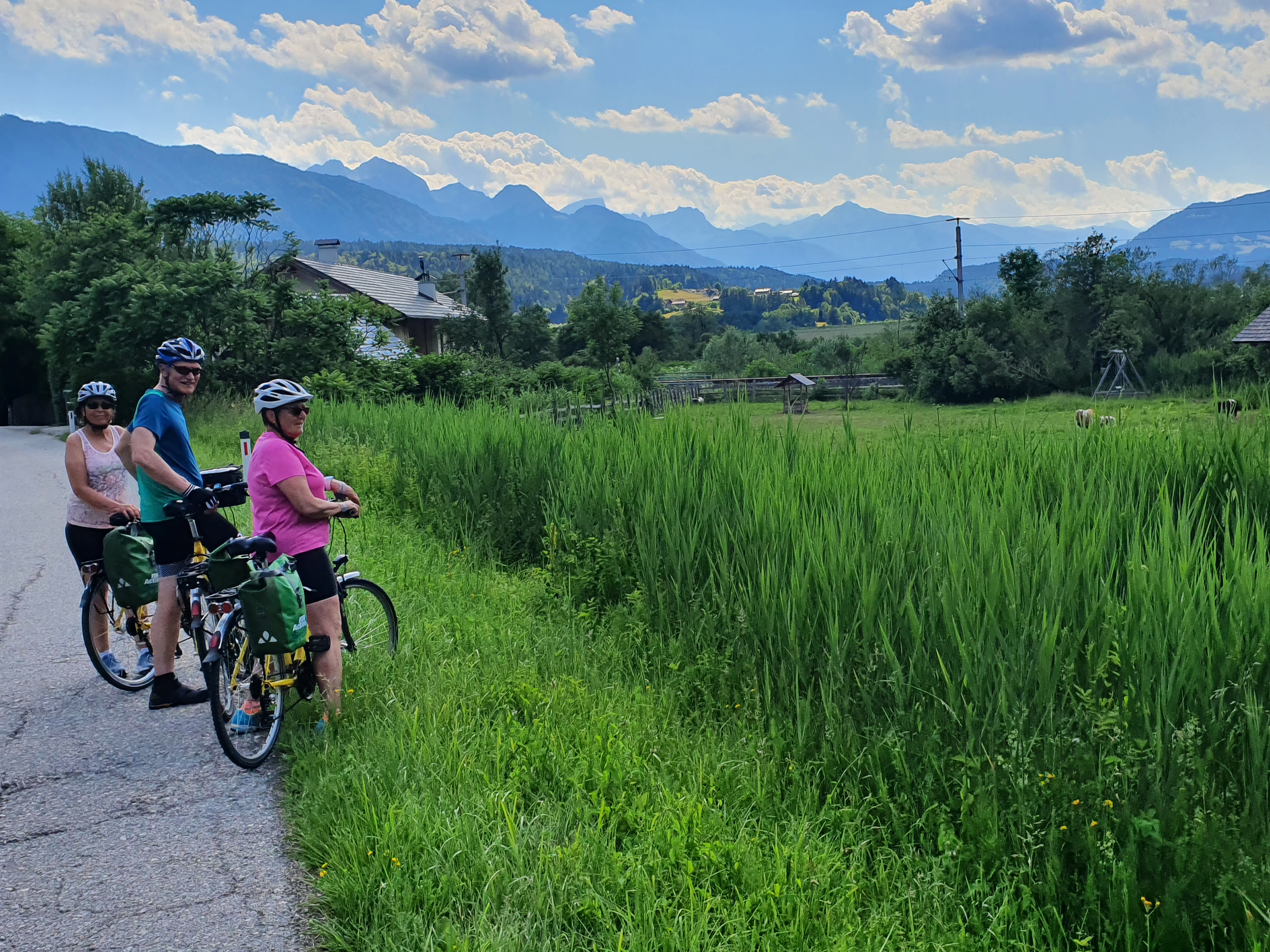
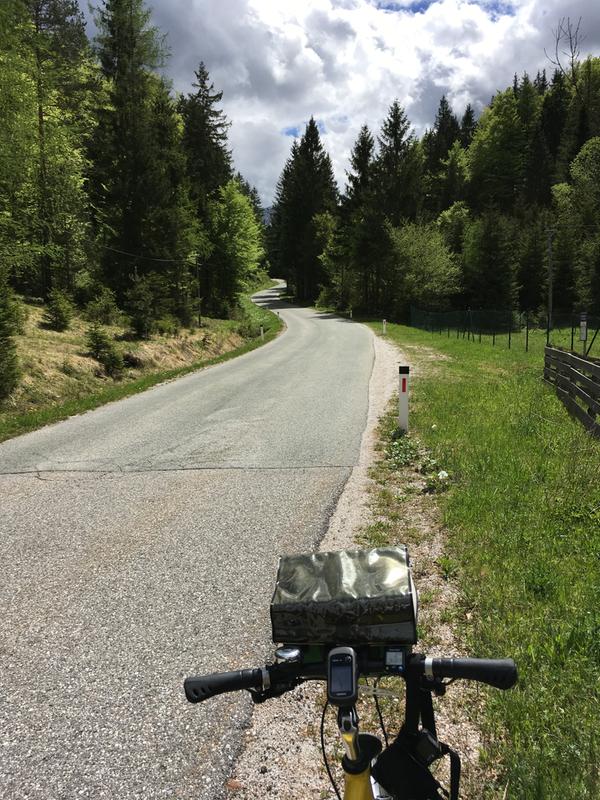
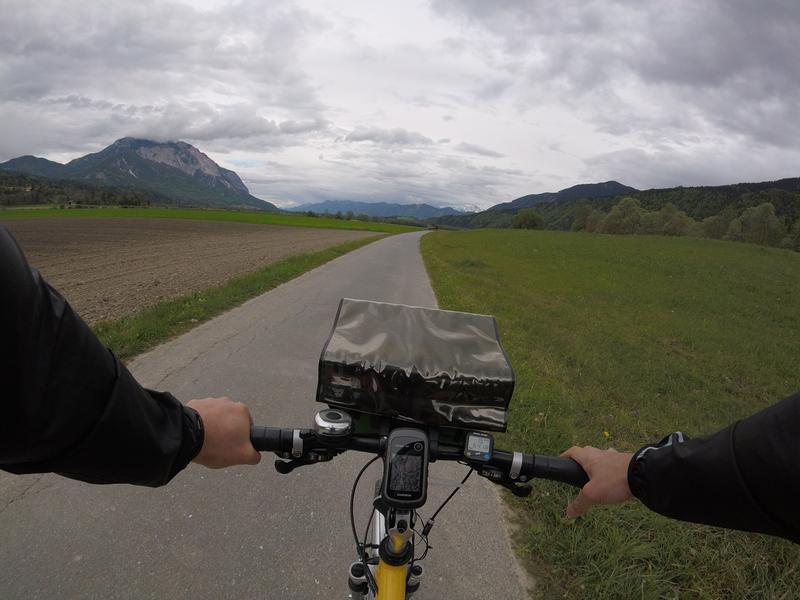
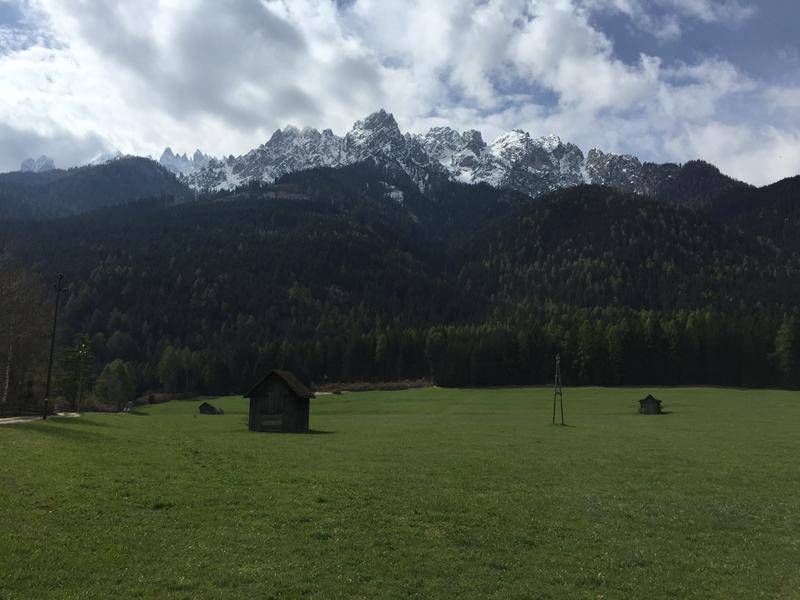
Your ride begins at the Toblacher Sattel, the watershed between the Rienz and Drau rivers. From here, follow the Drau cycle path through South Tyrol into East Tyrol, with the Dolomites providing a dramatic backdrop. Pass through the lively town of Lienz, a popular stop for cyclists, with its medieval center and riverside cafés. Continue along the valley to Oberdrauburg or Kötschach-Mauthen for the night.
Overnight in Oberdrauburg.
Day 3: Oberdrauburg/Kötschach Mauthen – Feistritz an der Gail/Tarvis
transfer to the Gailberg Pass + 40 mi / 65 km
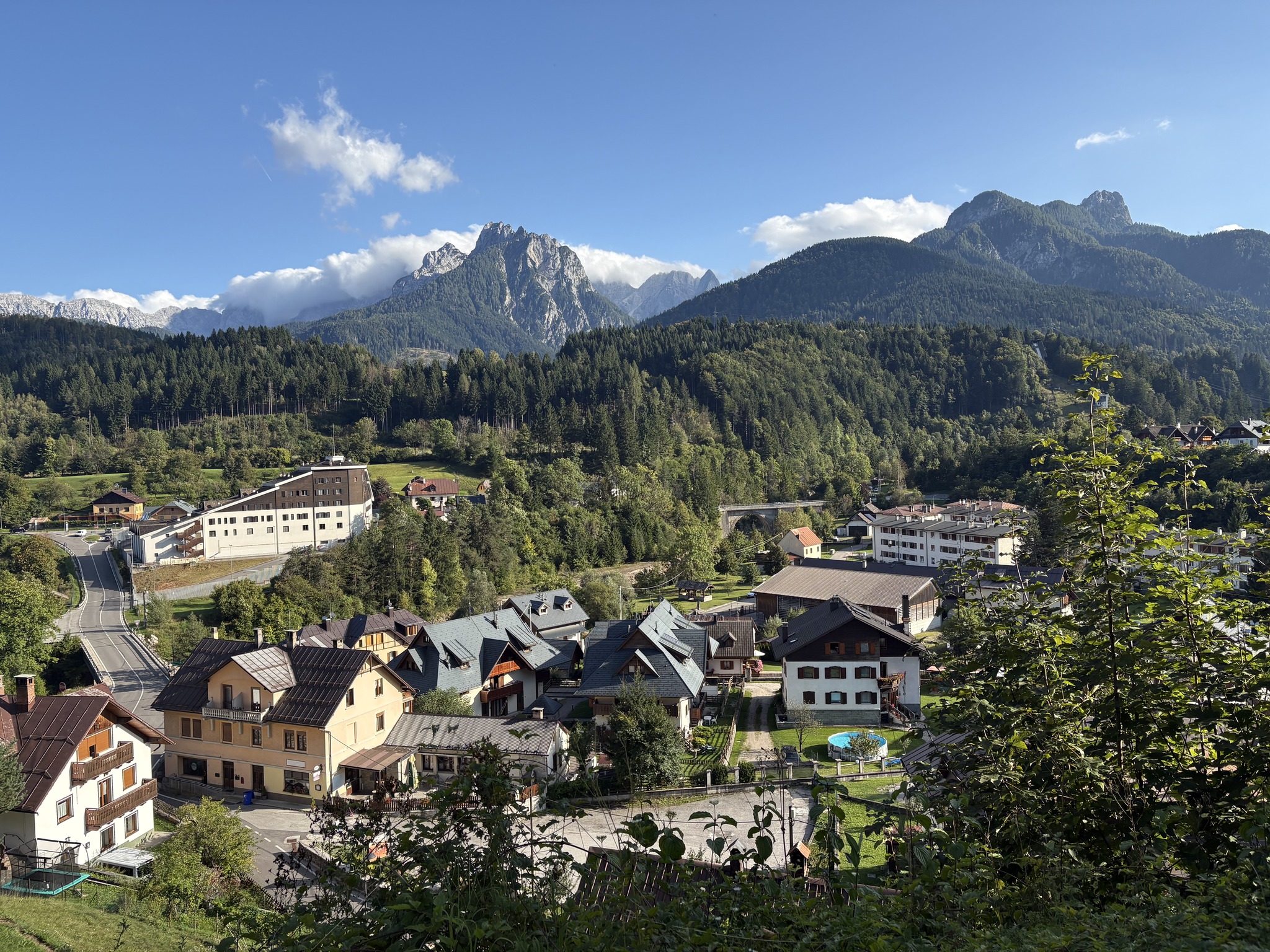
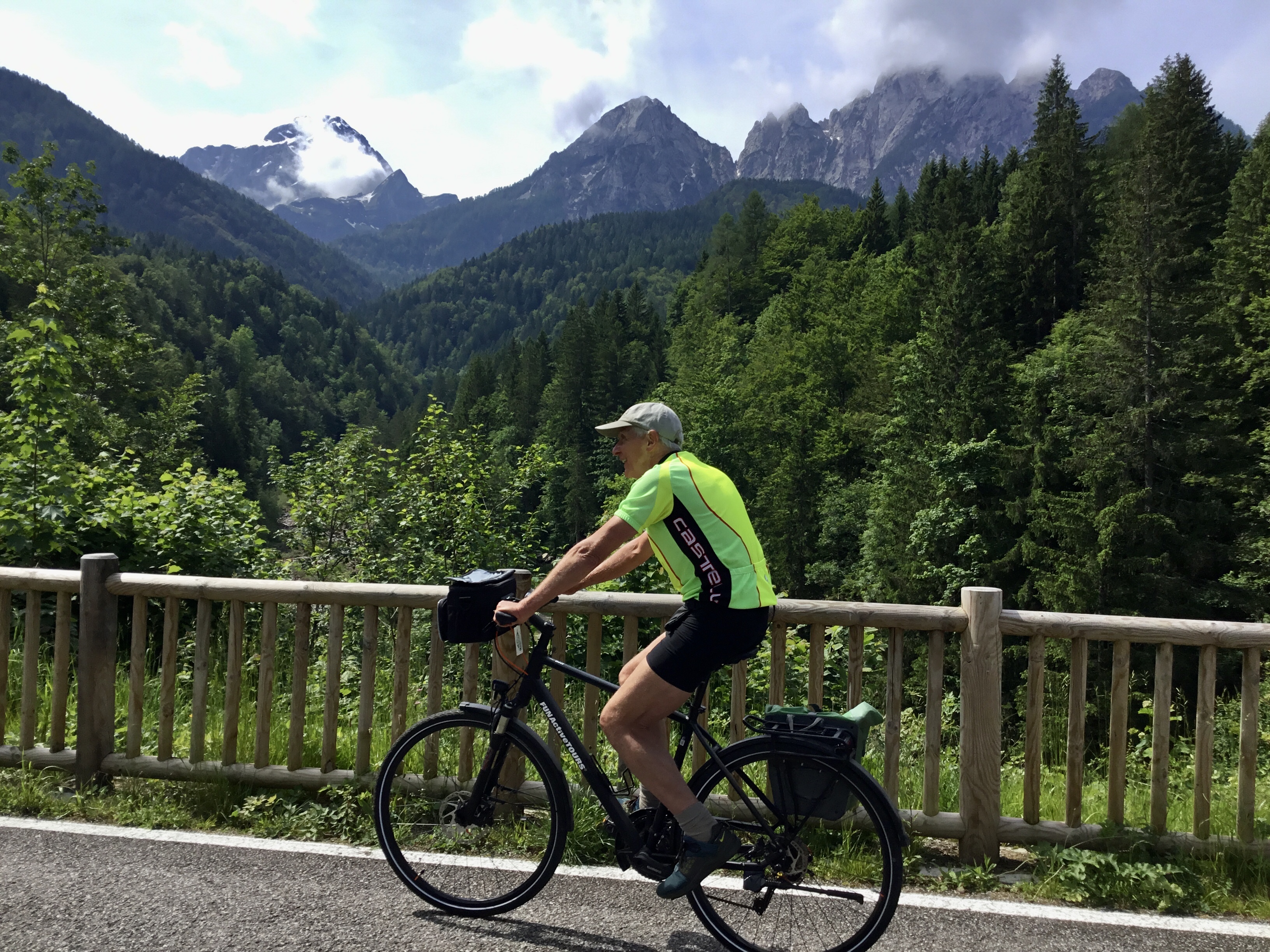
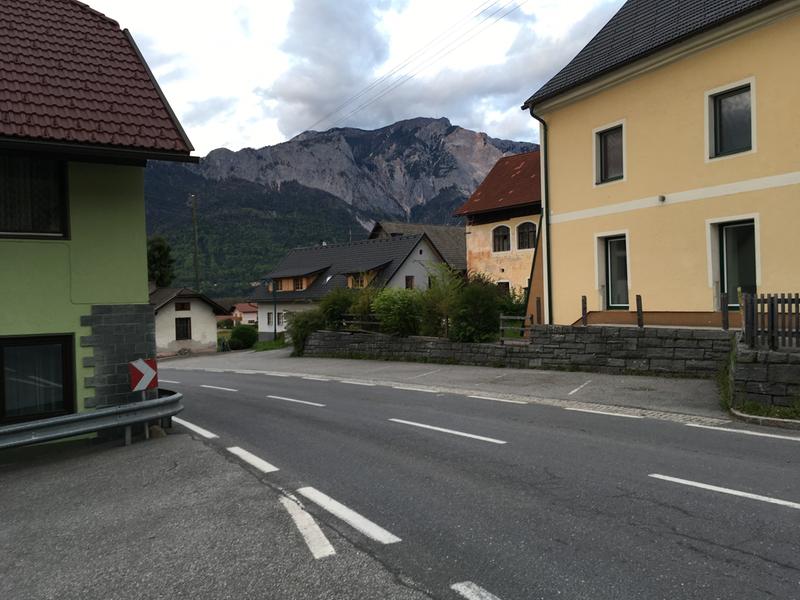
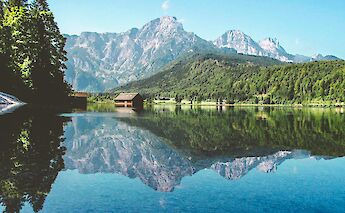
A short morning transfer takes you to the Gailbergpass (about 7 km, 350 m ascent by vehicle). From here, enjoy a downhill ride into Kötschach-Mauthen. The route continues on the Gailtal cycle path, which runs at the base of the Carnic Alps. Pass the town of Hermagor and take a break at Pressegger See, a warm alpine lake perfect for swimming or a snack. End the day in Feistritz an der Gail or Tarvis, near the meeting point of Austria, Italy, and Slovenia.
Overnight in Feistritz/Tarvis (Tarvisio).
Day 4: Feistritz an der Gail/Tarvis/Tarvisio – Bled
35-40 mi / 55-65 km
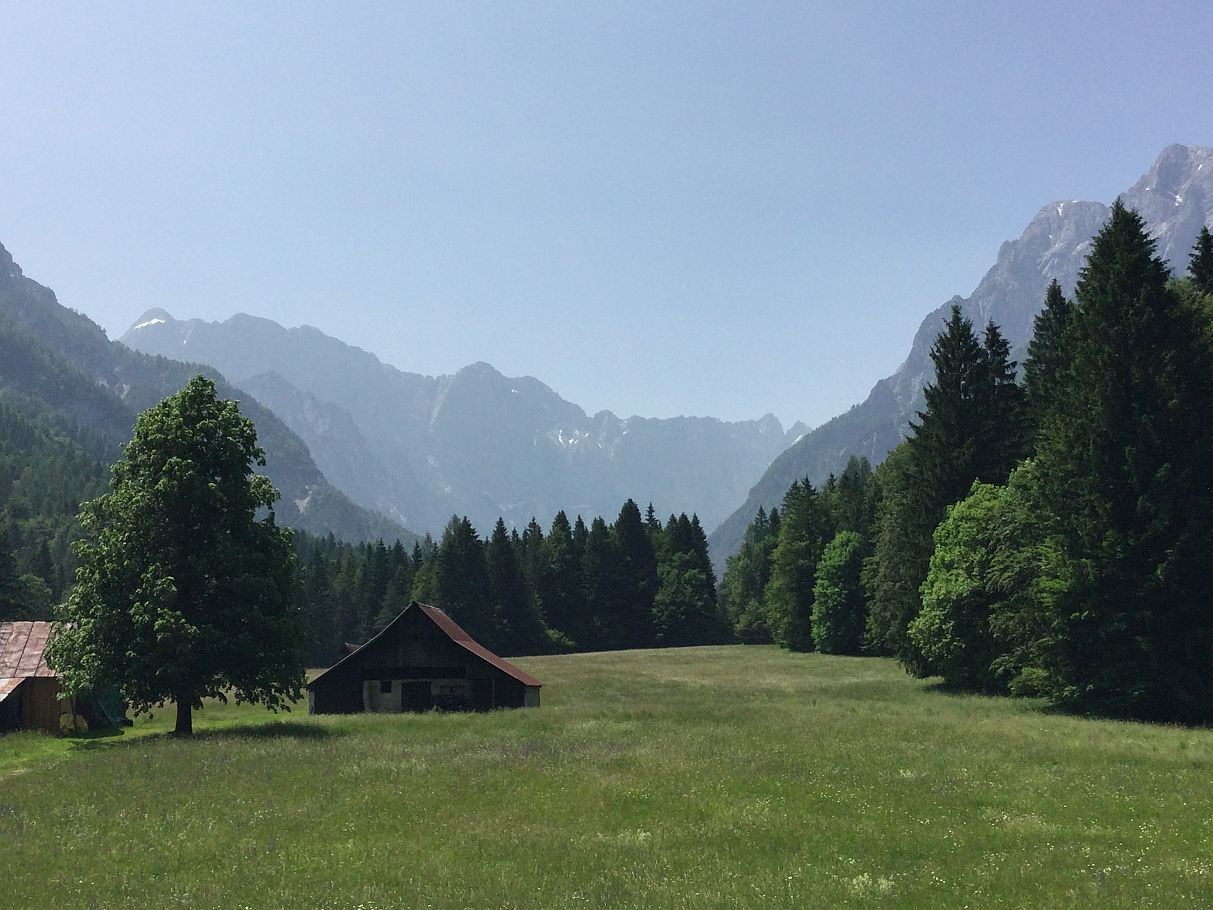
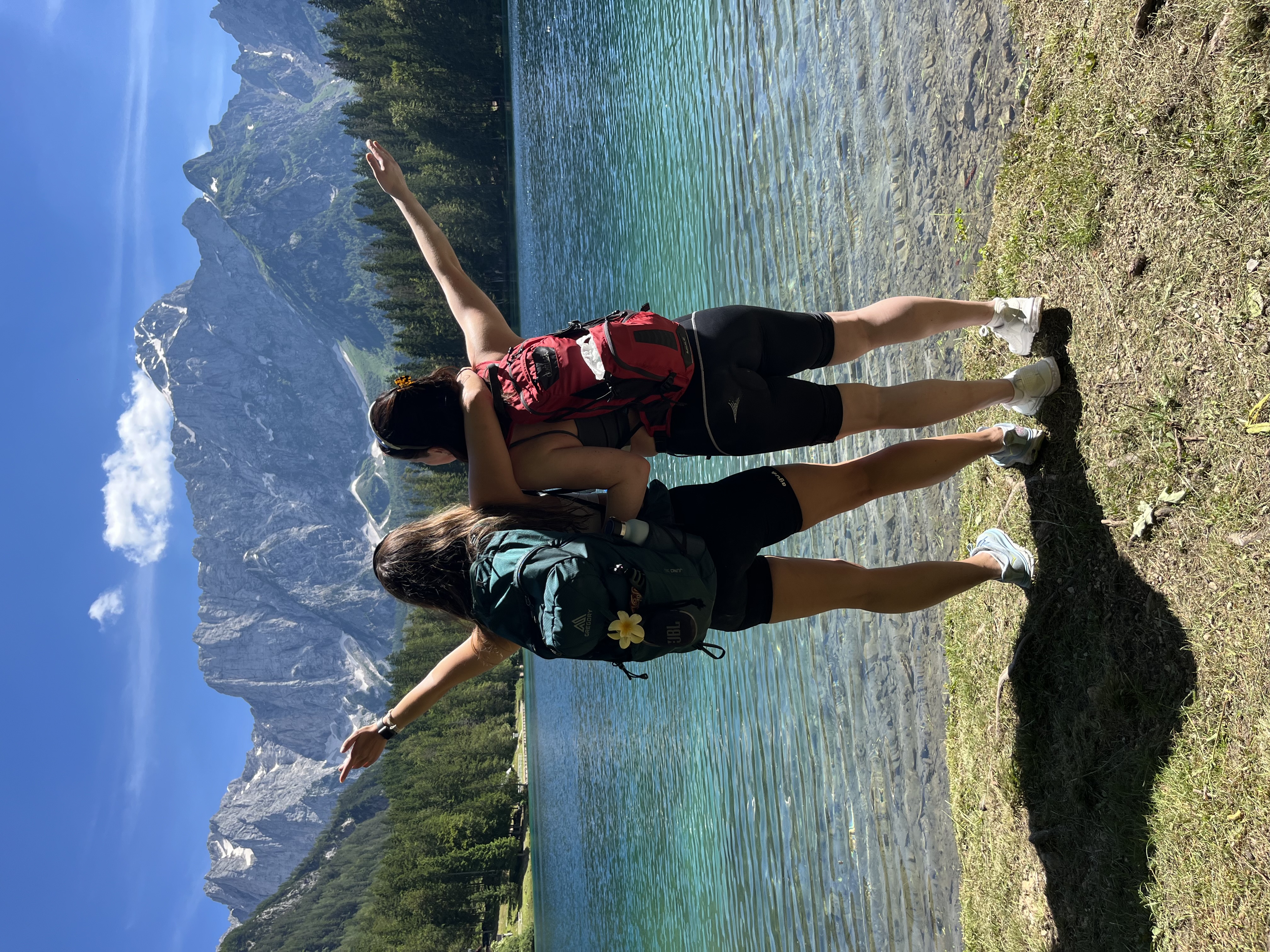
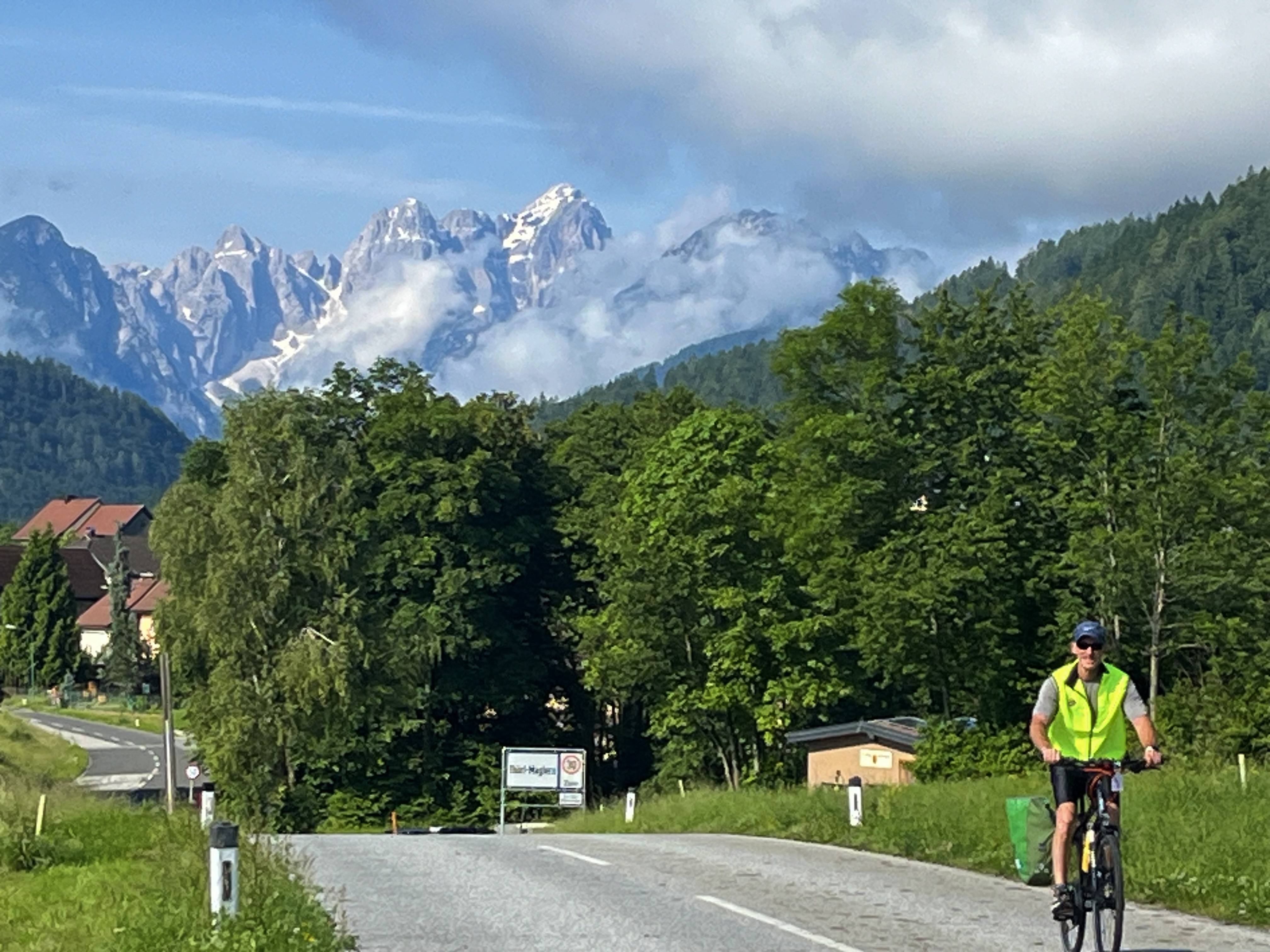
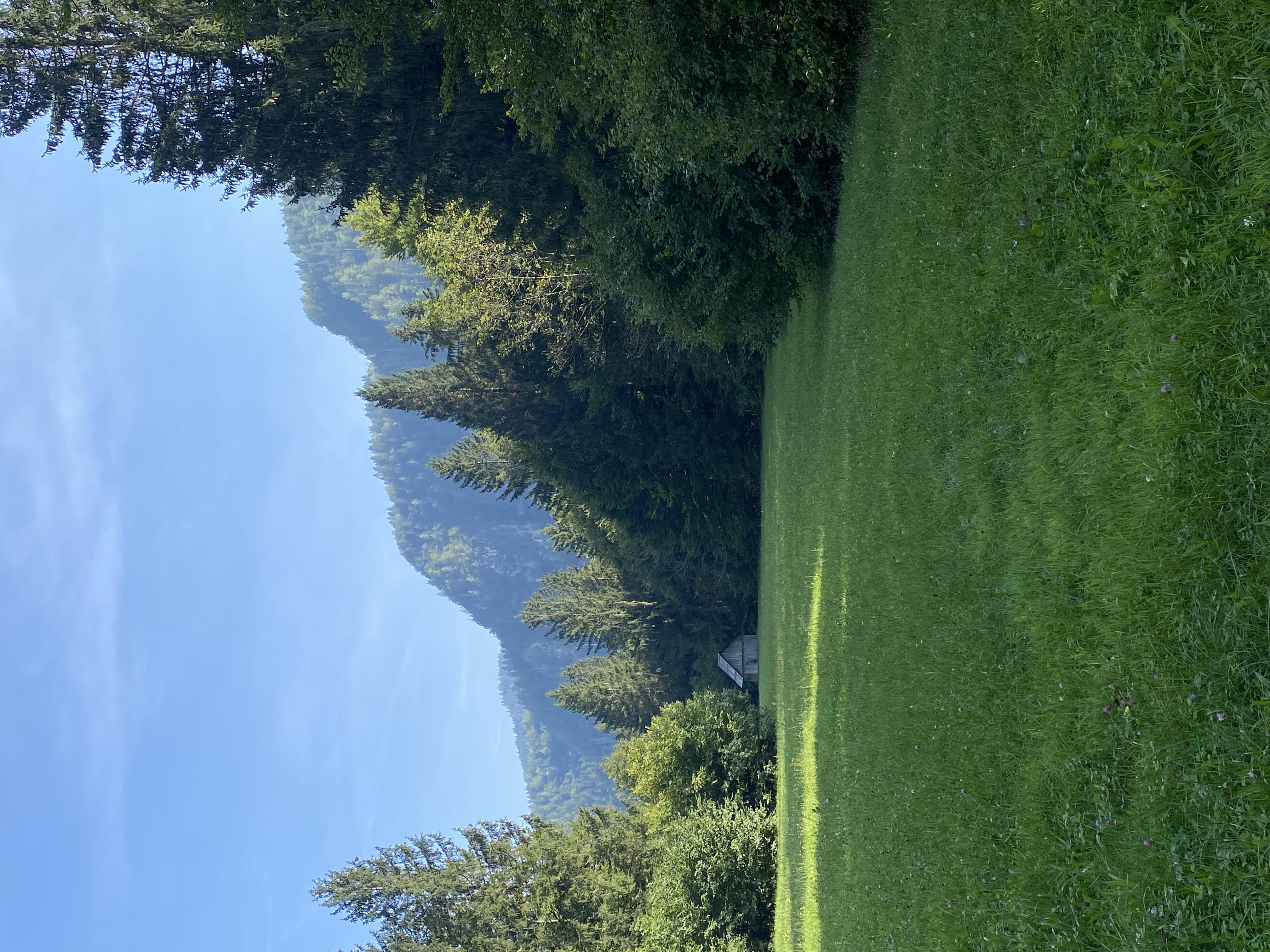
From Feistritz or Tarvis, cycle toward the Italian-Slovenian border and into Slovenia’s Julian Alps. The path passes the ski resort of Kranjska Gora, then descends through scenic valleys that remain relatively undiscovered by mass tourism. Arrive in Bled, famous for its lake, island church, and medieval castle perched on a cliff. For a shorter ride, take a regional train to skip around 10 km. You have the option to spend two nights in Bled instead of moving on the next day.
Overnight in Bled.
Day 5: Bled – Cividale del Friuli
train ride + 31 mi / 50 km **variation below
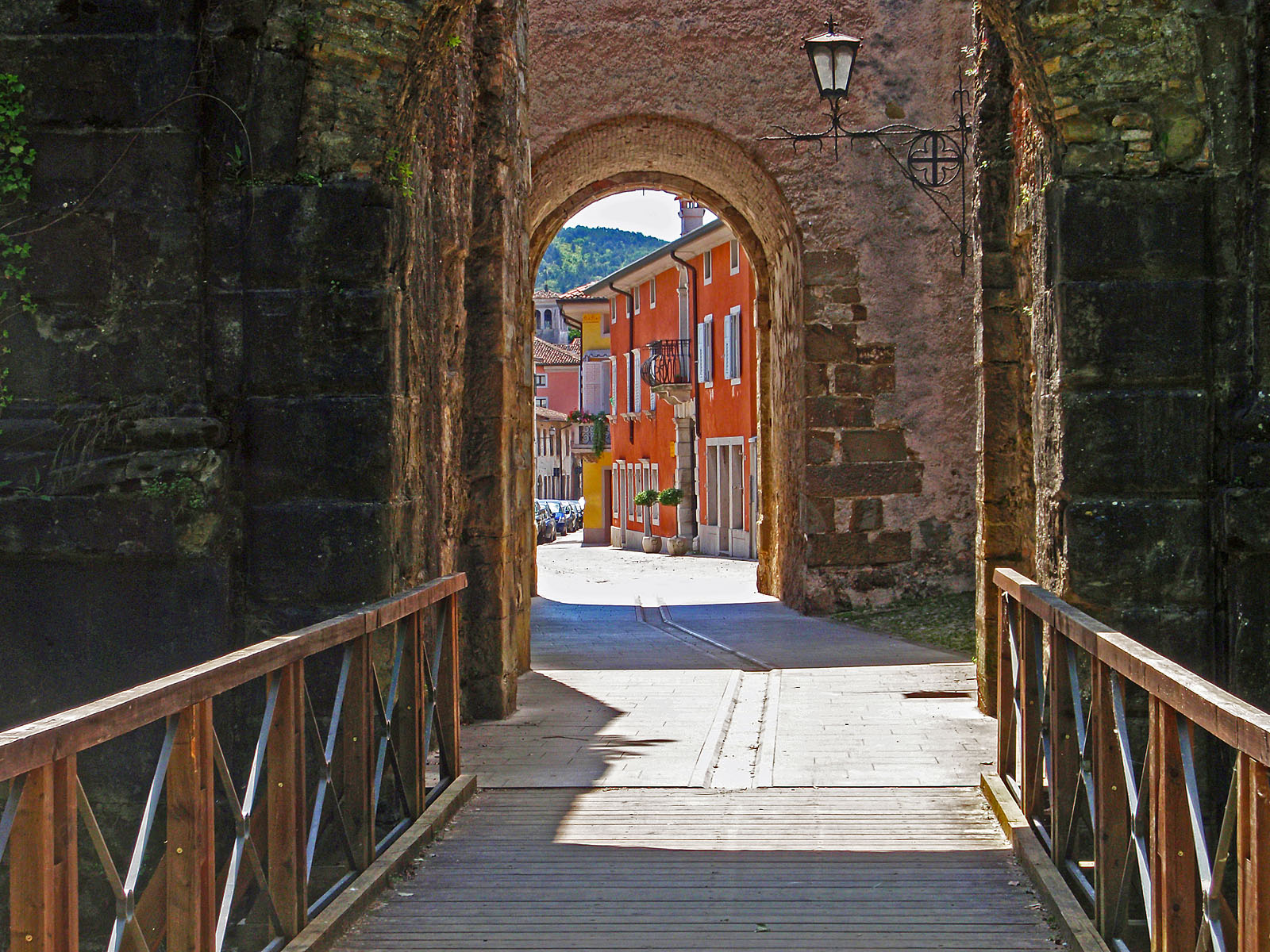
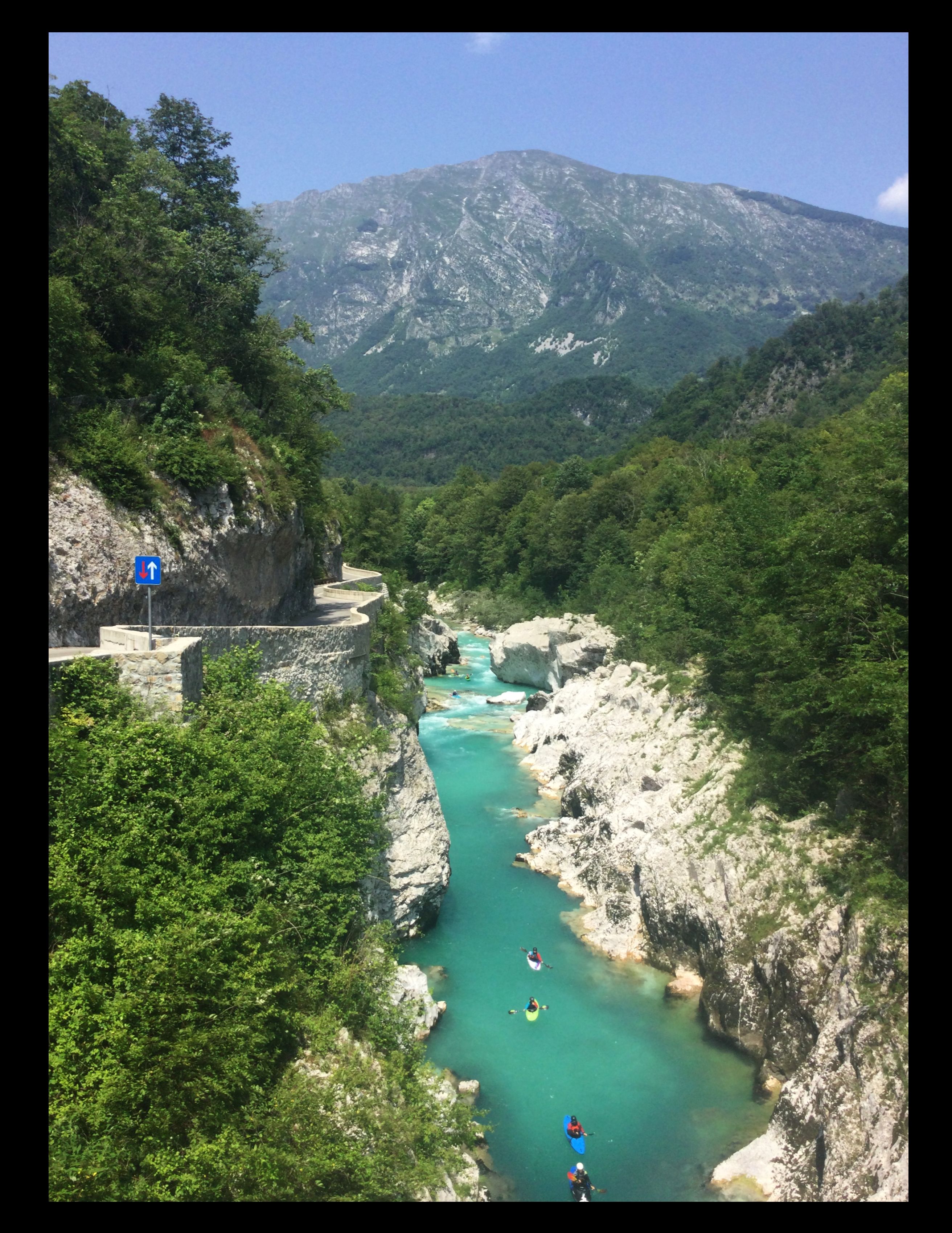
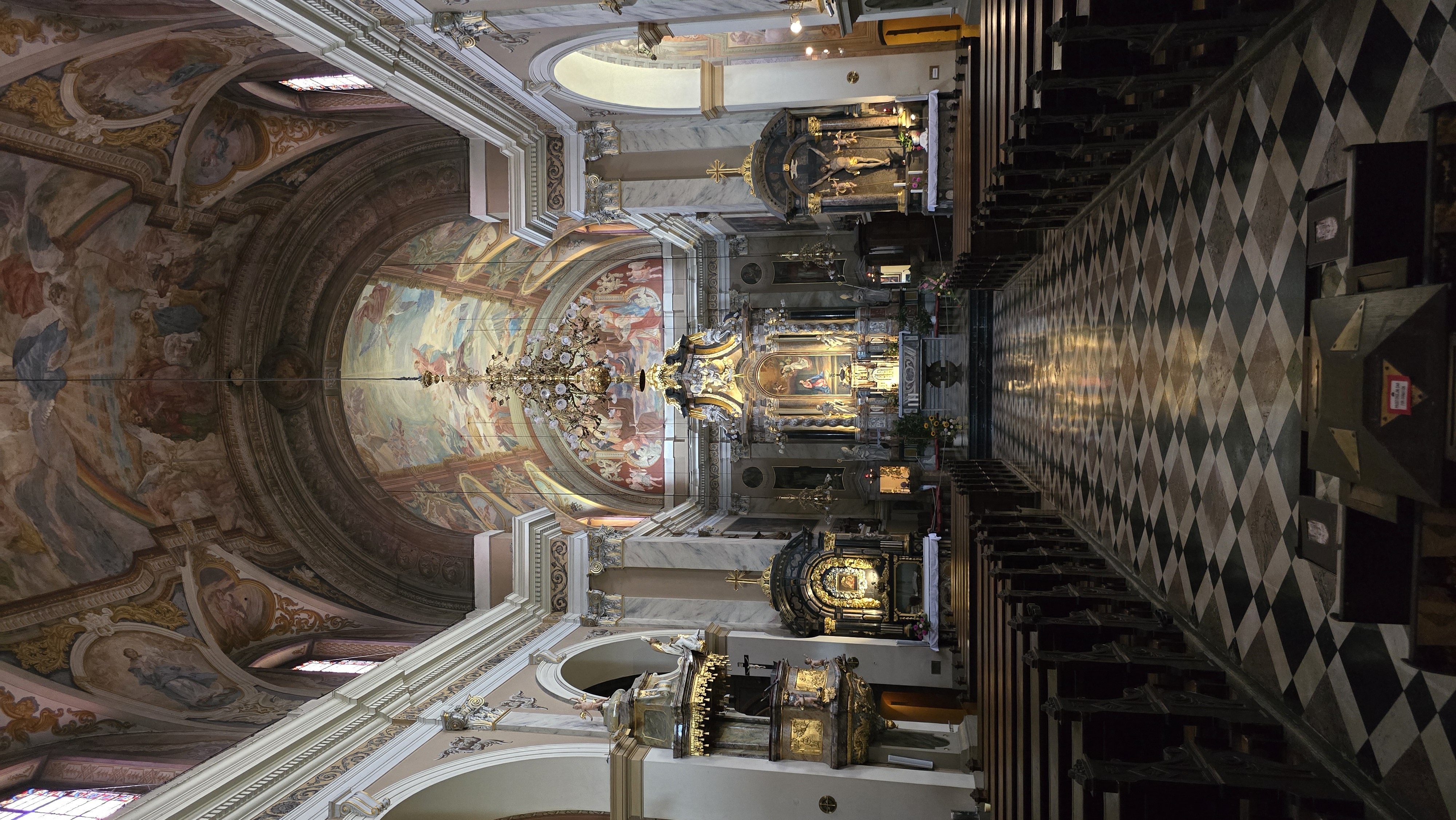
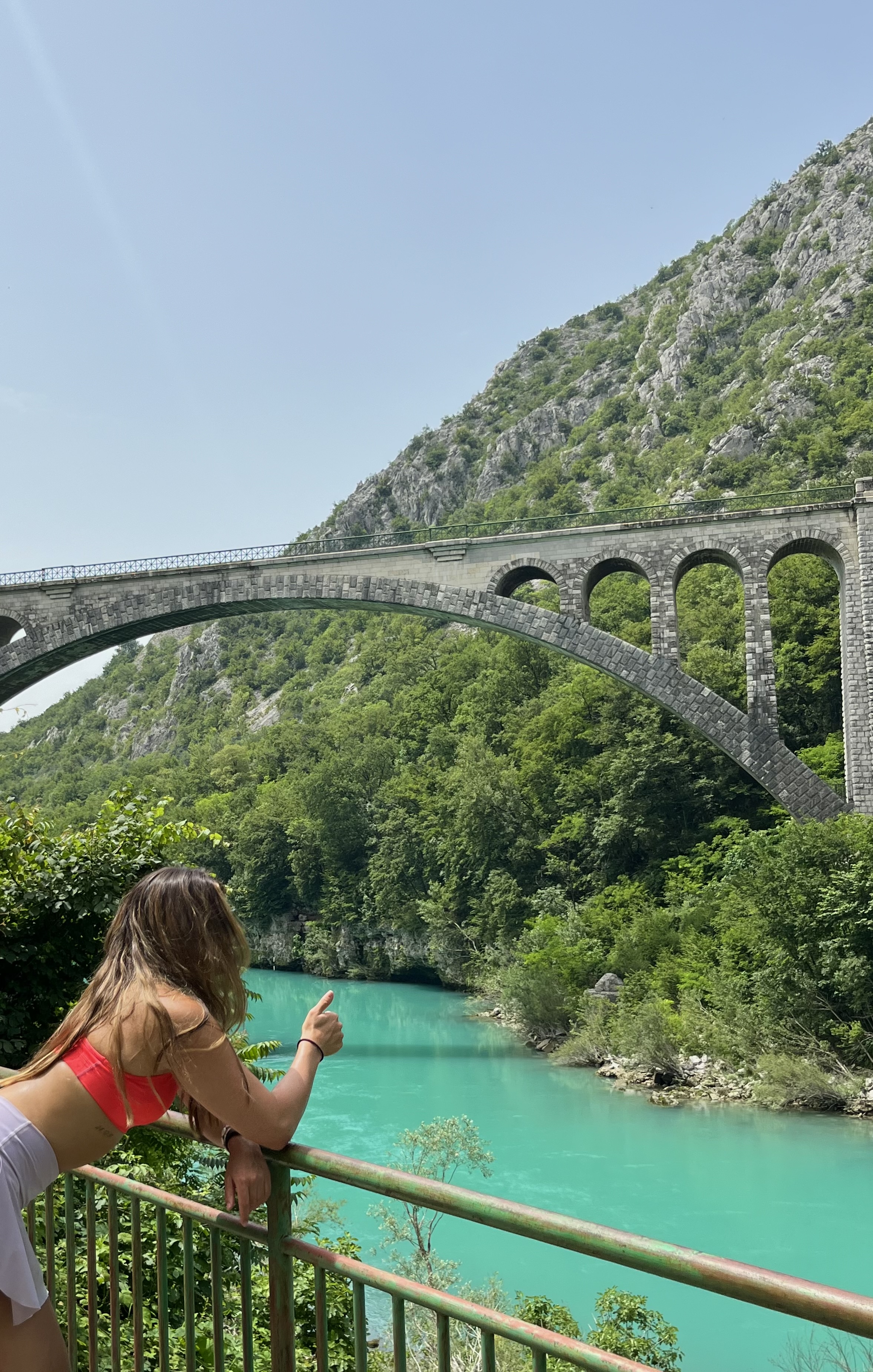
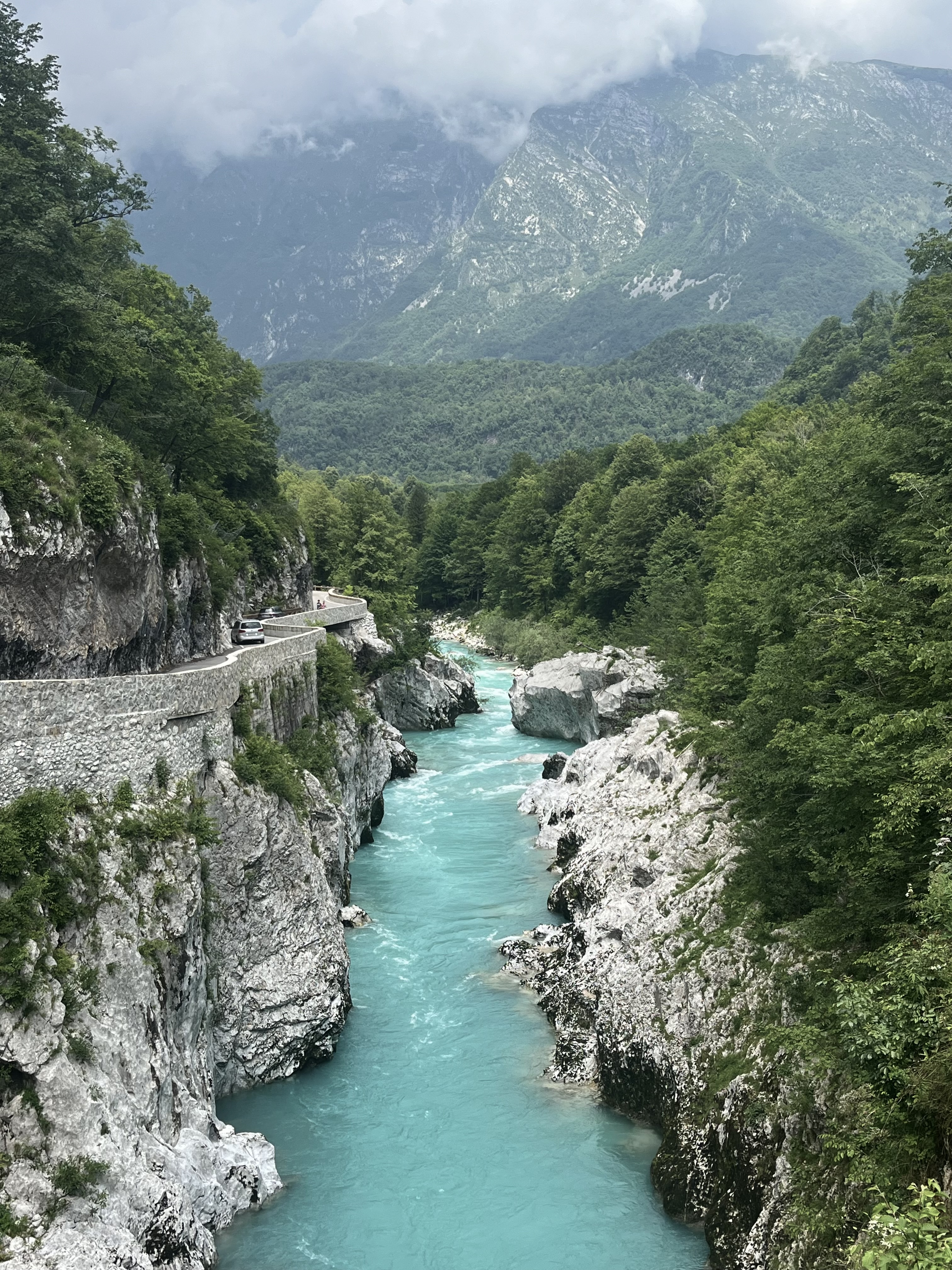
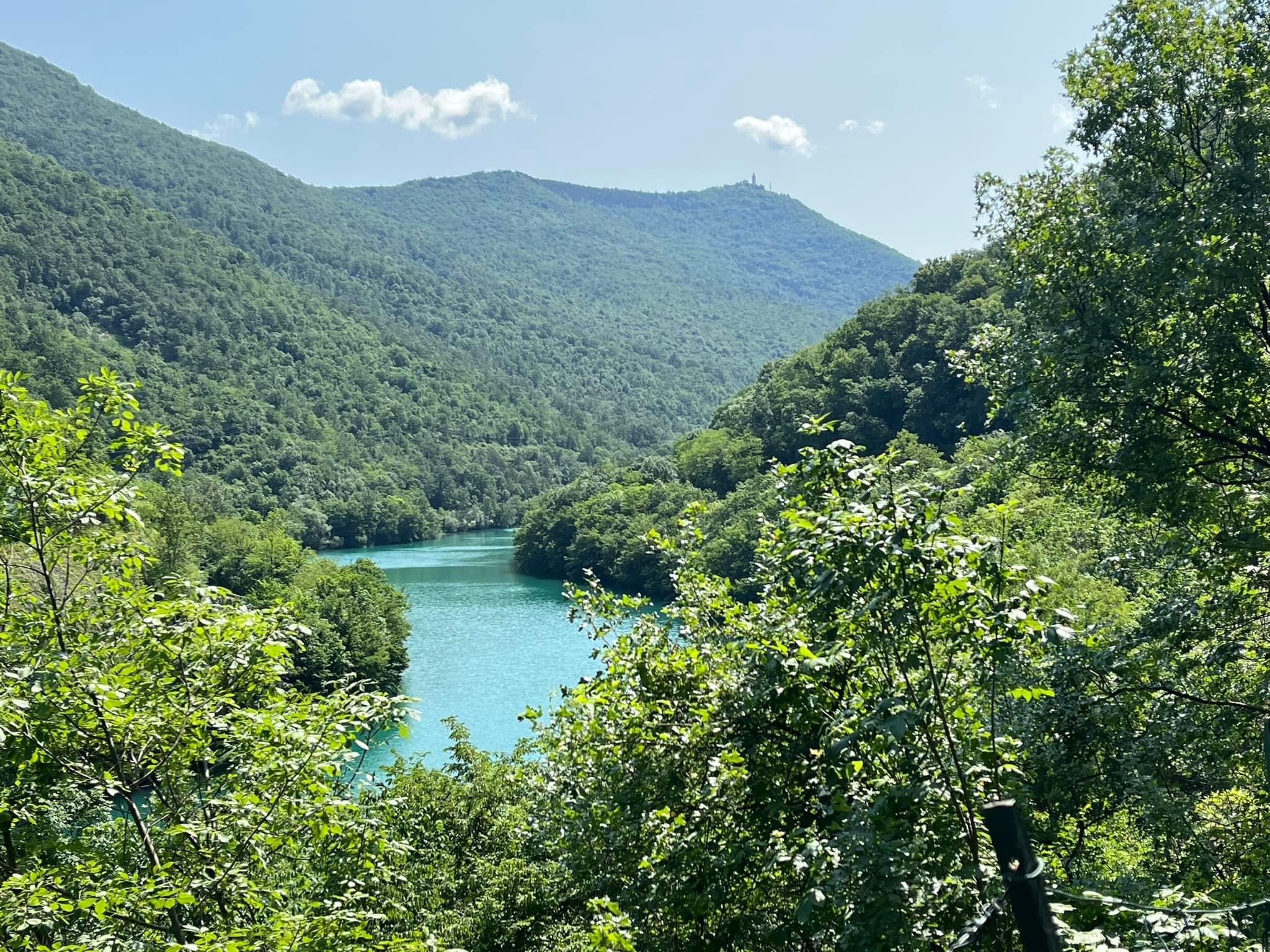
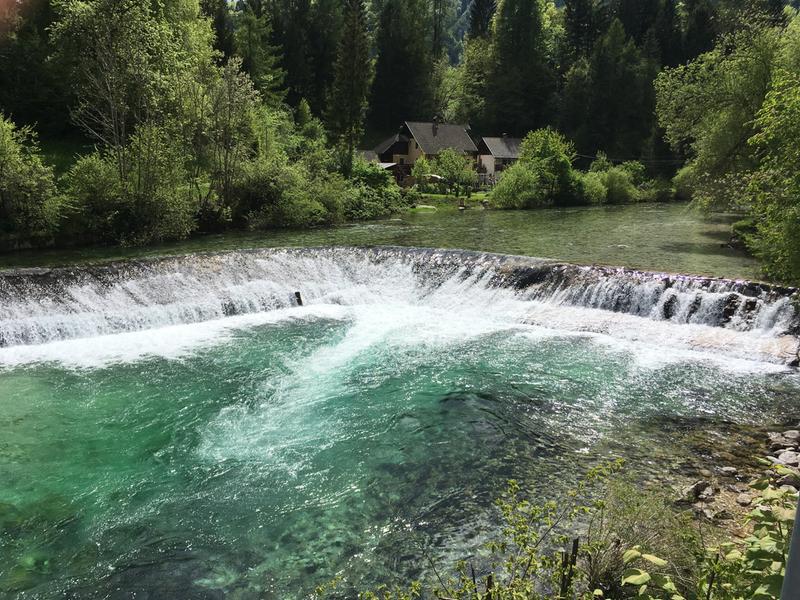
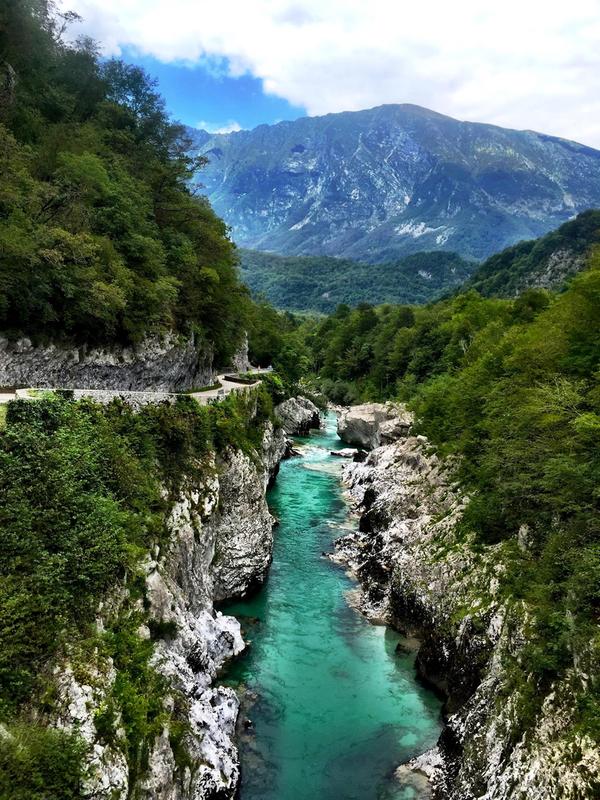
This morning, a train transfer takes you into the Soča Valley, known for its emerald-green river and popularity with kayakers and hikers. Stop in Kobarid, where museums and memorials tell the story of key First World War battles. Continue into Italy through a landscape dotted with vineyards and small towns. In the evening, explore Cividale del Friuli, a UNESCO-listed town with Lombard history, medieval streets, and the Devil’s Bridge over the Natisone River.
Overnight in Cividale del Friuli.
Day 6: Cividale del Friuli – Udine – Gradisca d'Isonzo
22 mi / 35 km or 40 mi / 65 km
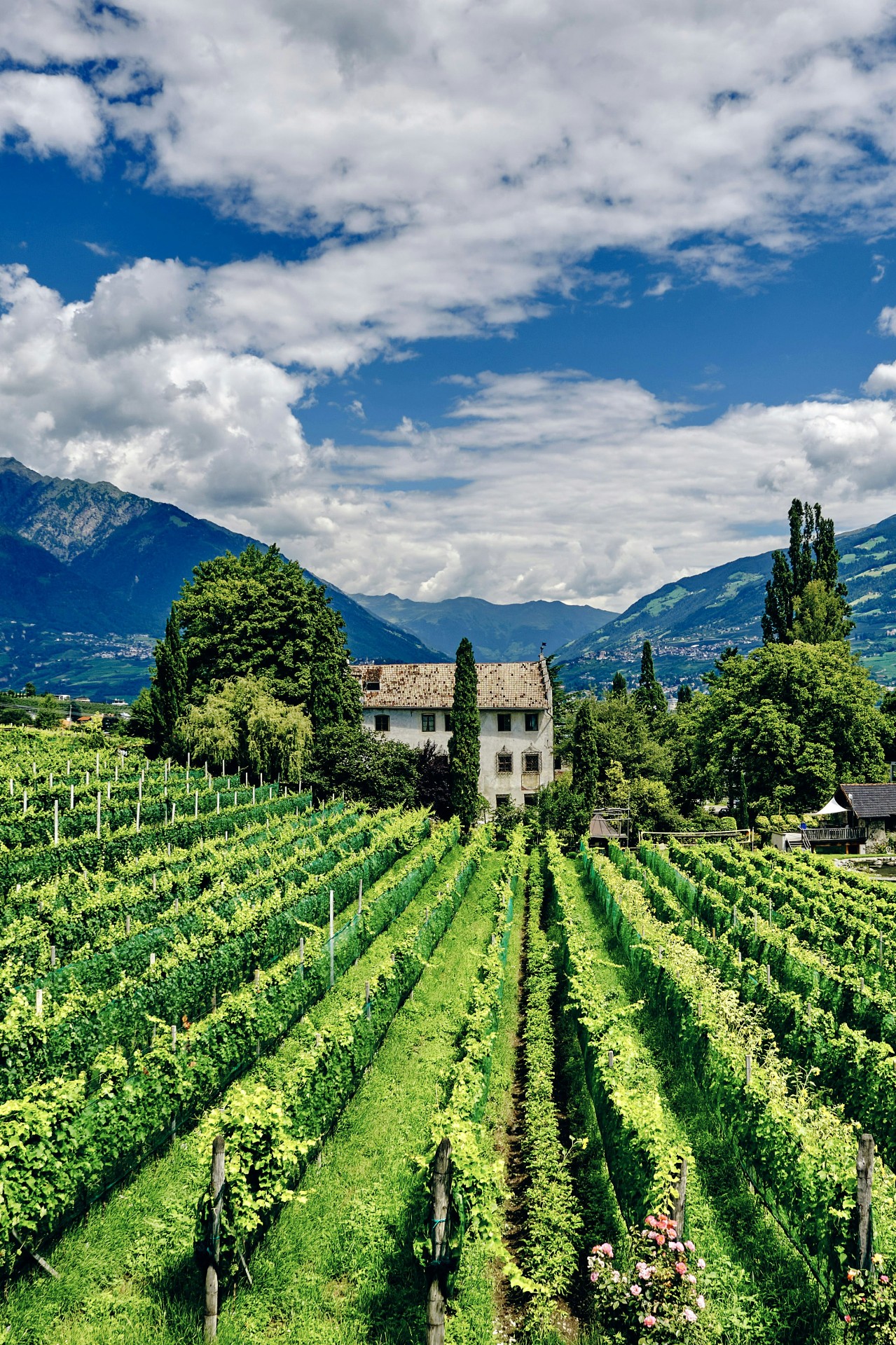
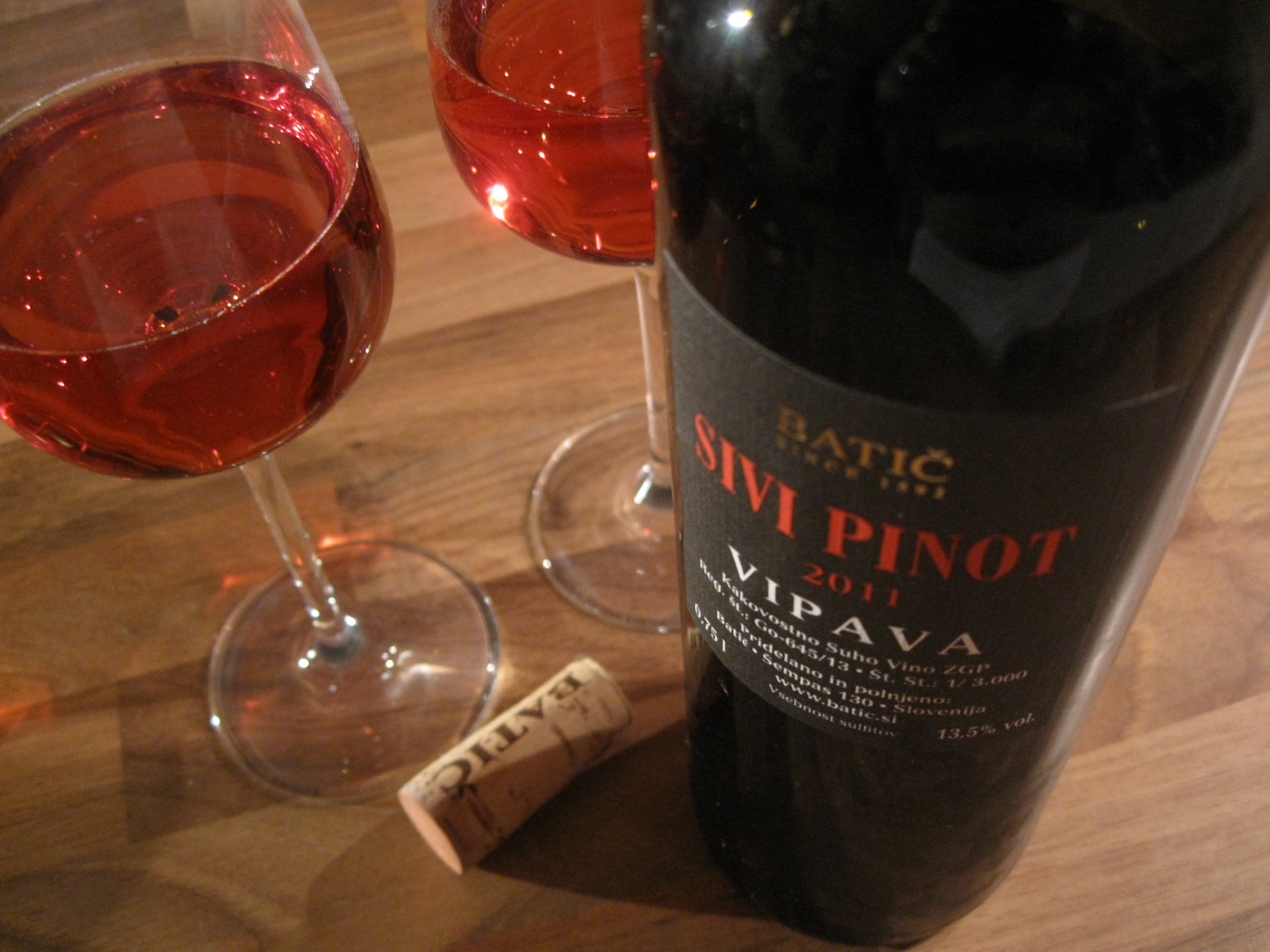
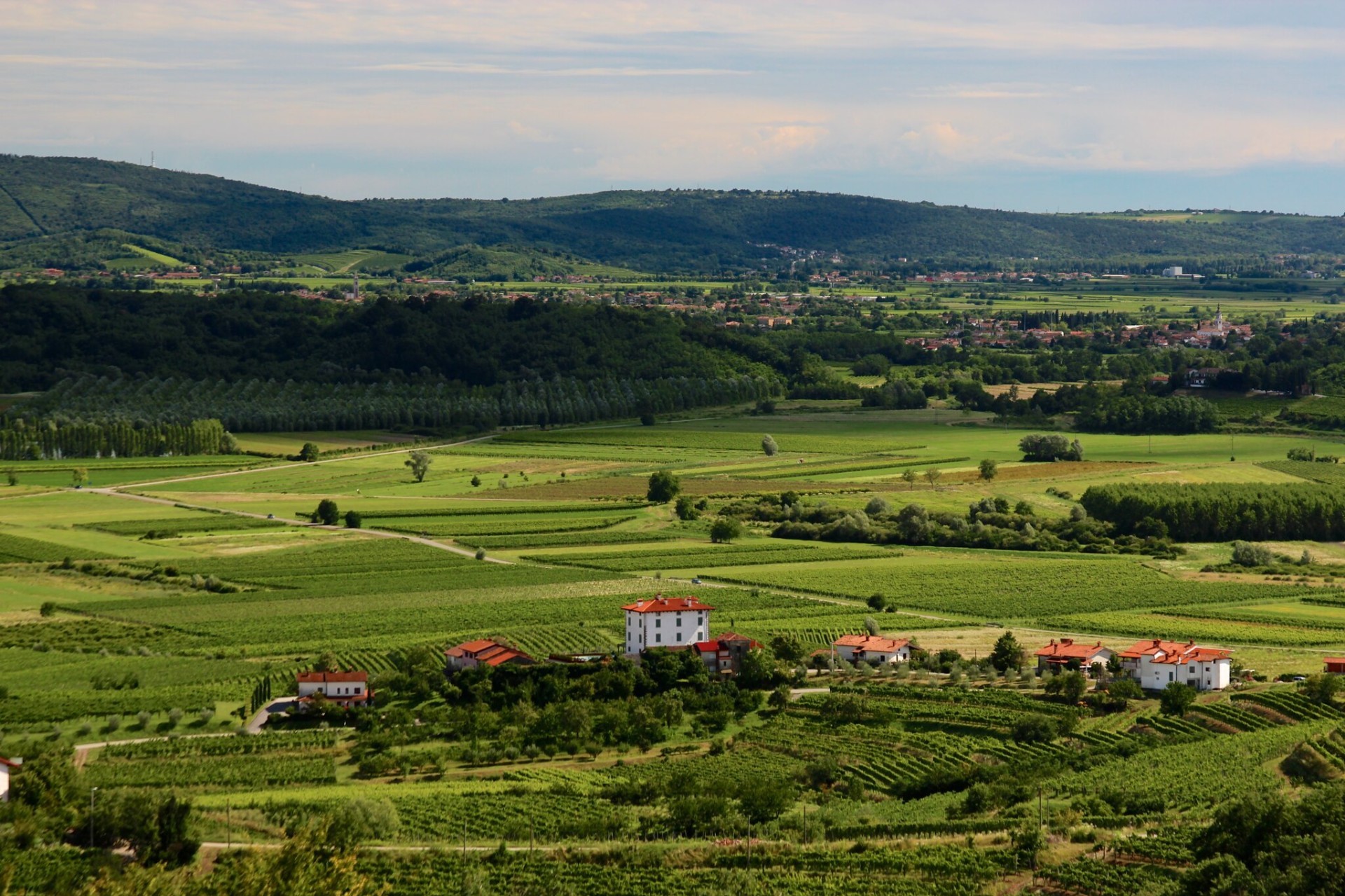
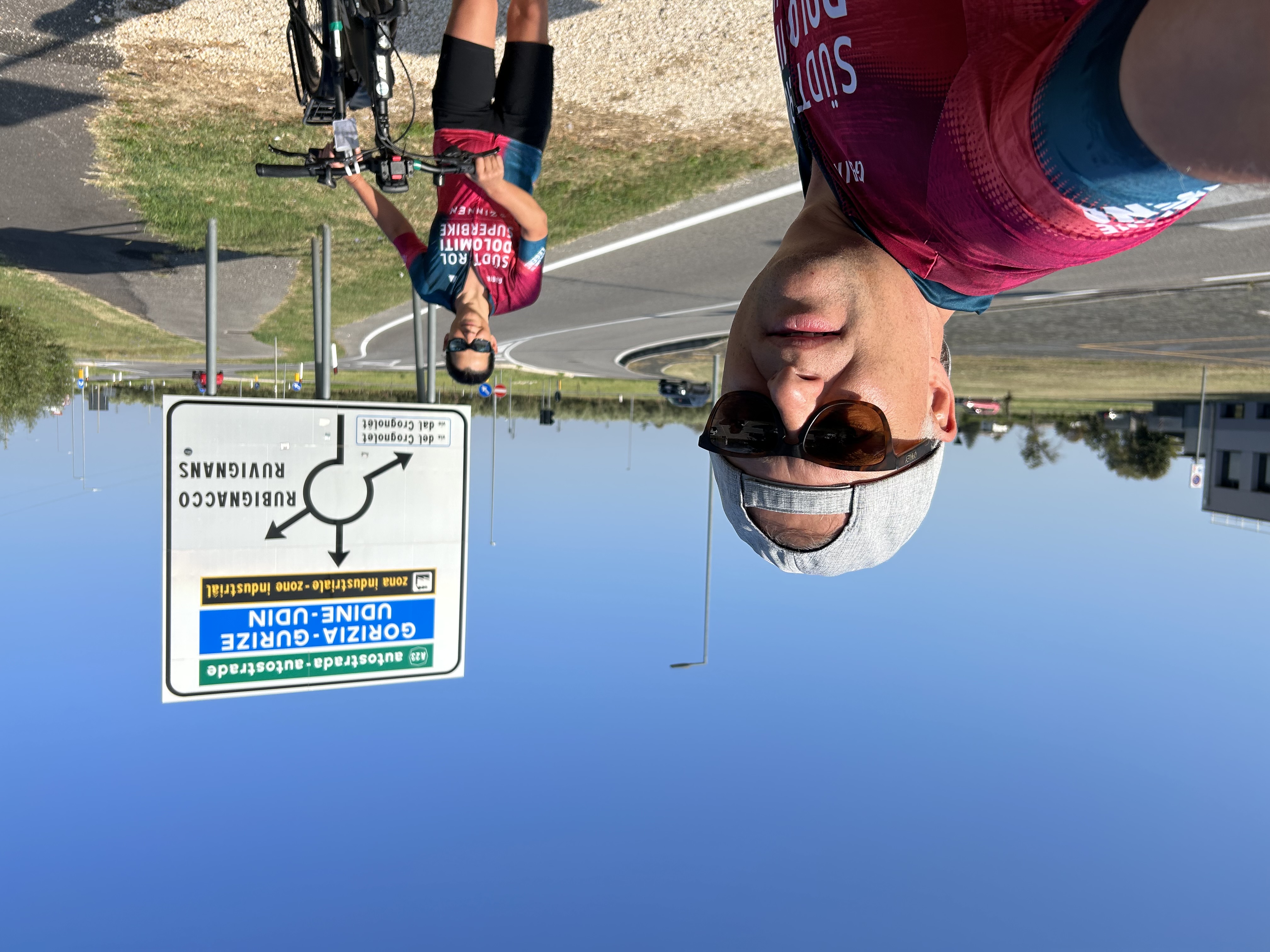
Ride through the Collio Goriziano, one of Italy’s top wine regions. Many wineries here offer tastings of Friulano, Ribolla Gialla, and other local varieties. The standard route leads directly to Gradisca d’Isonzo, a fortified Renaissance town. For a longer ride, detour to Udine, the cultural and economic hub of Friuli, with Venetian-style squares, a hilltop castle, and excellent cafés.
Overnight in Gradisca.
Day 7: Gradisca – Trieste
24 mi / 40 km
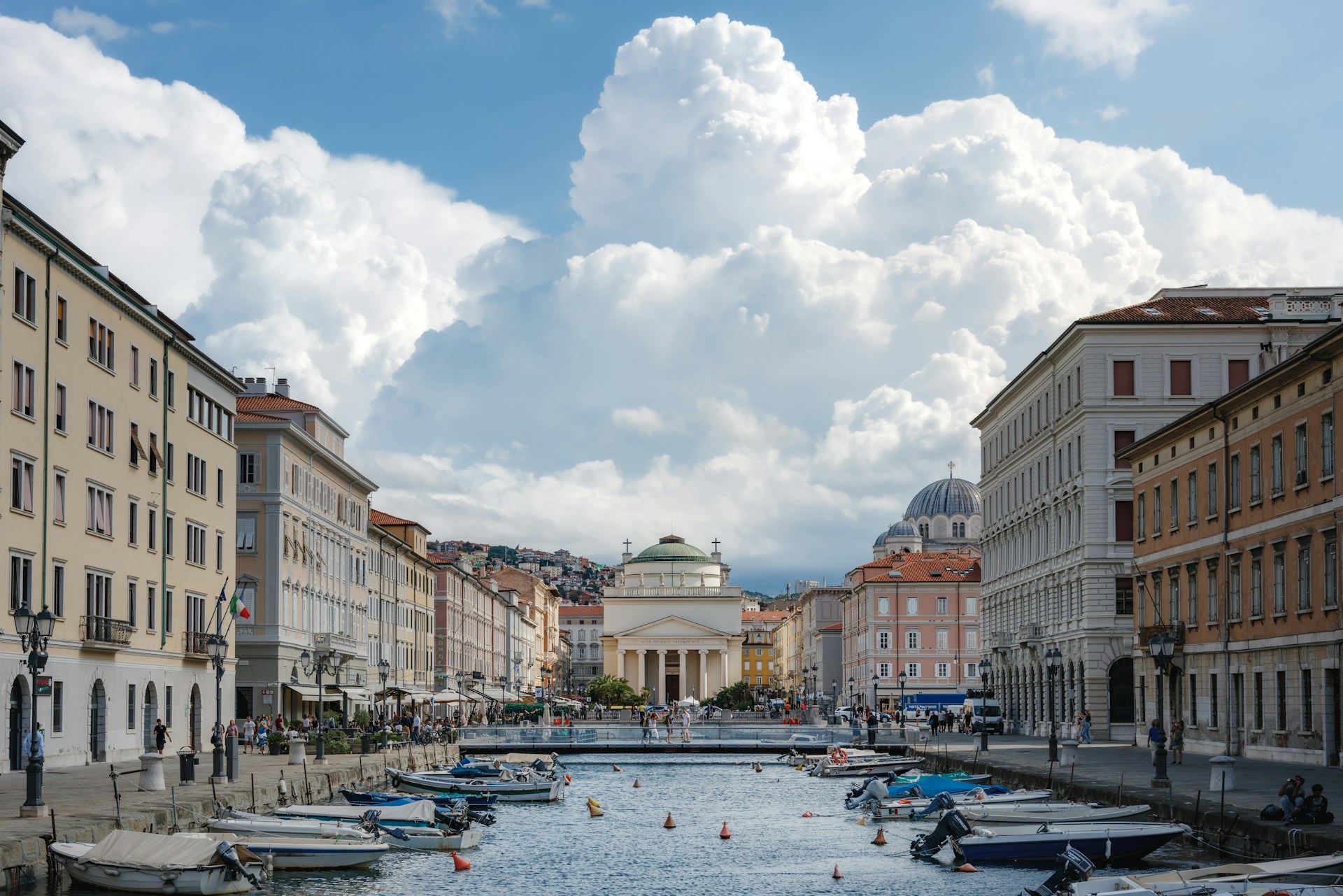
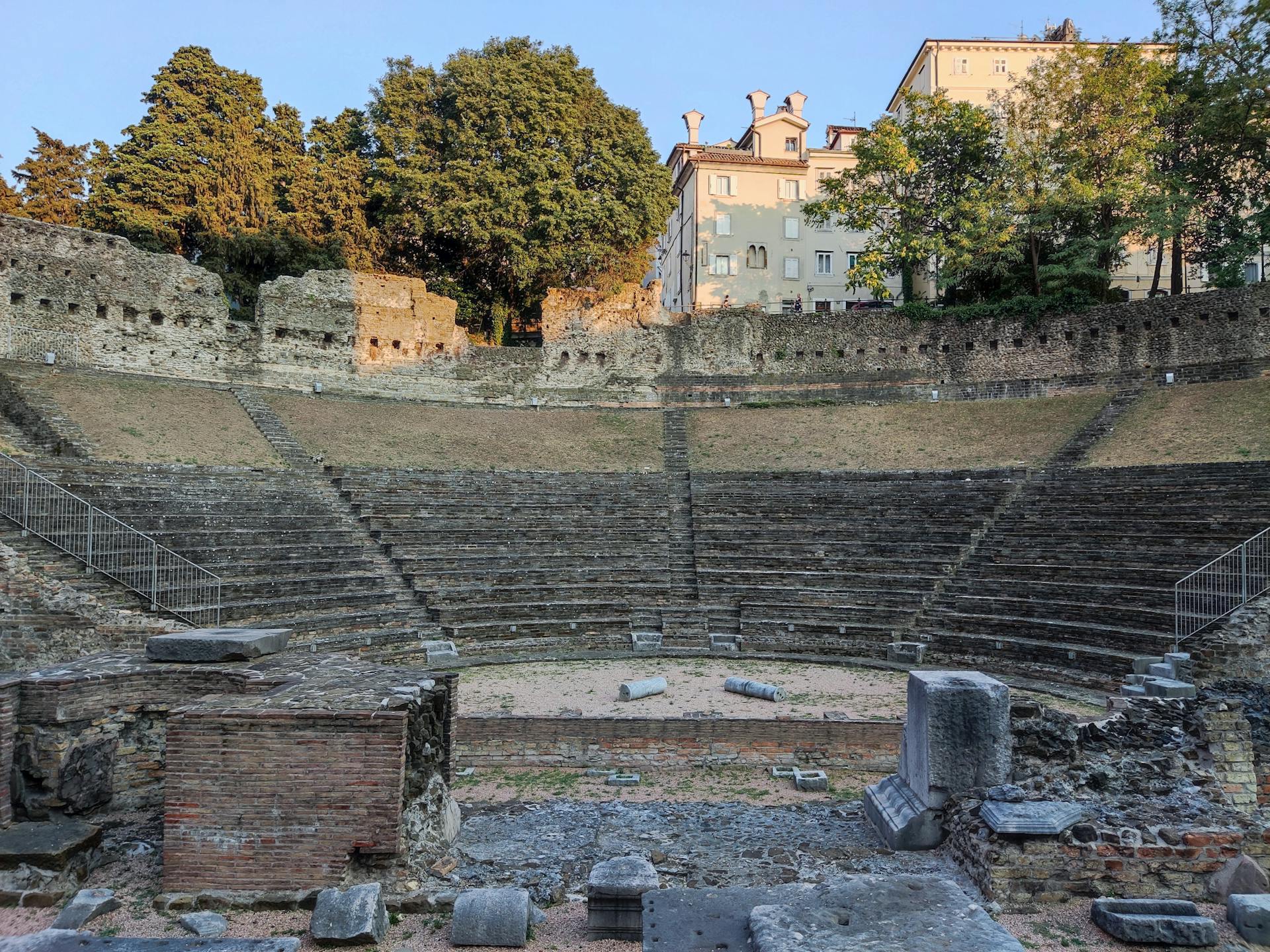
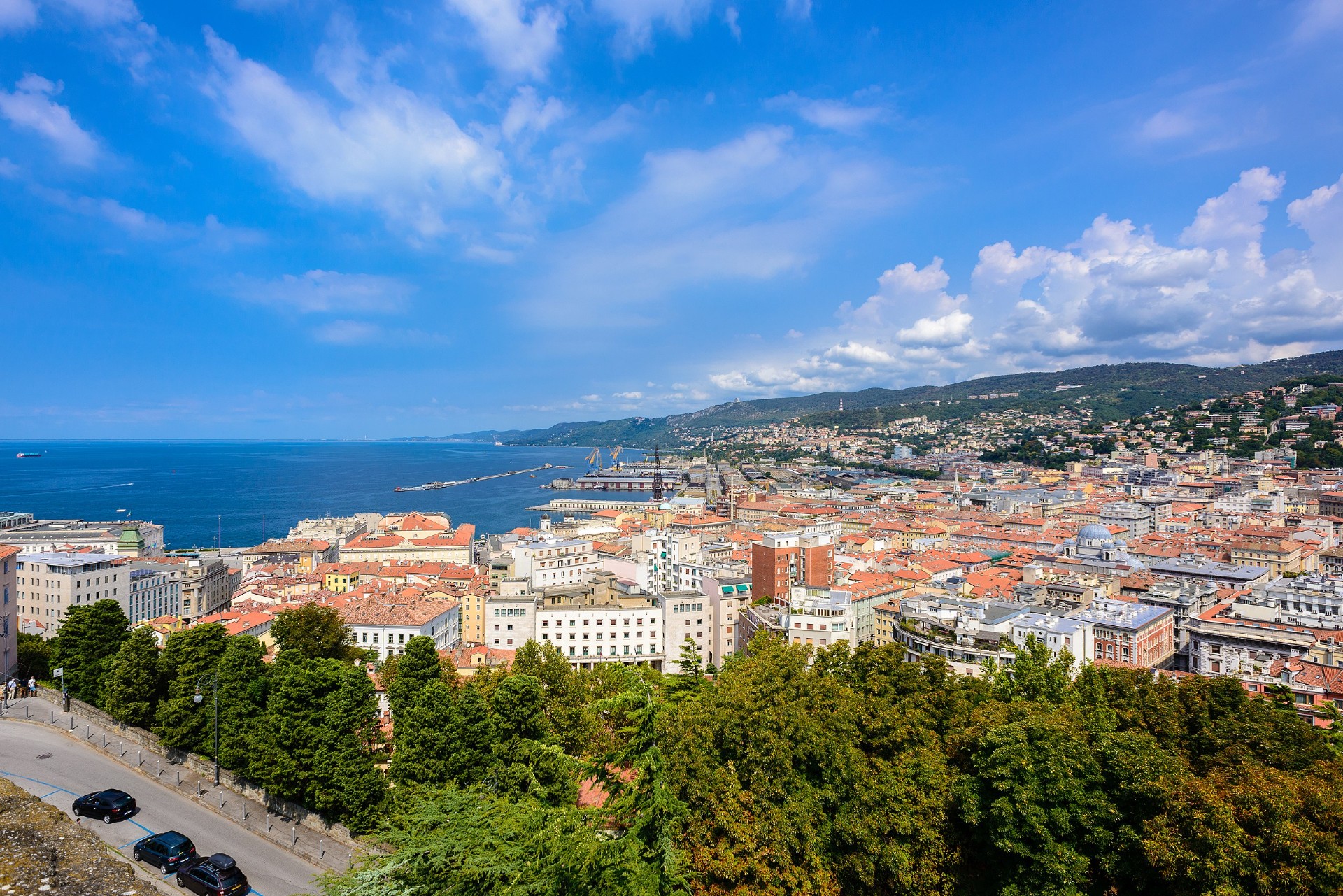
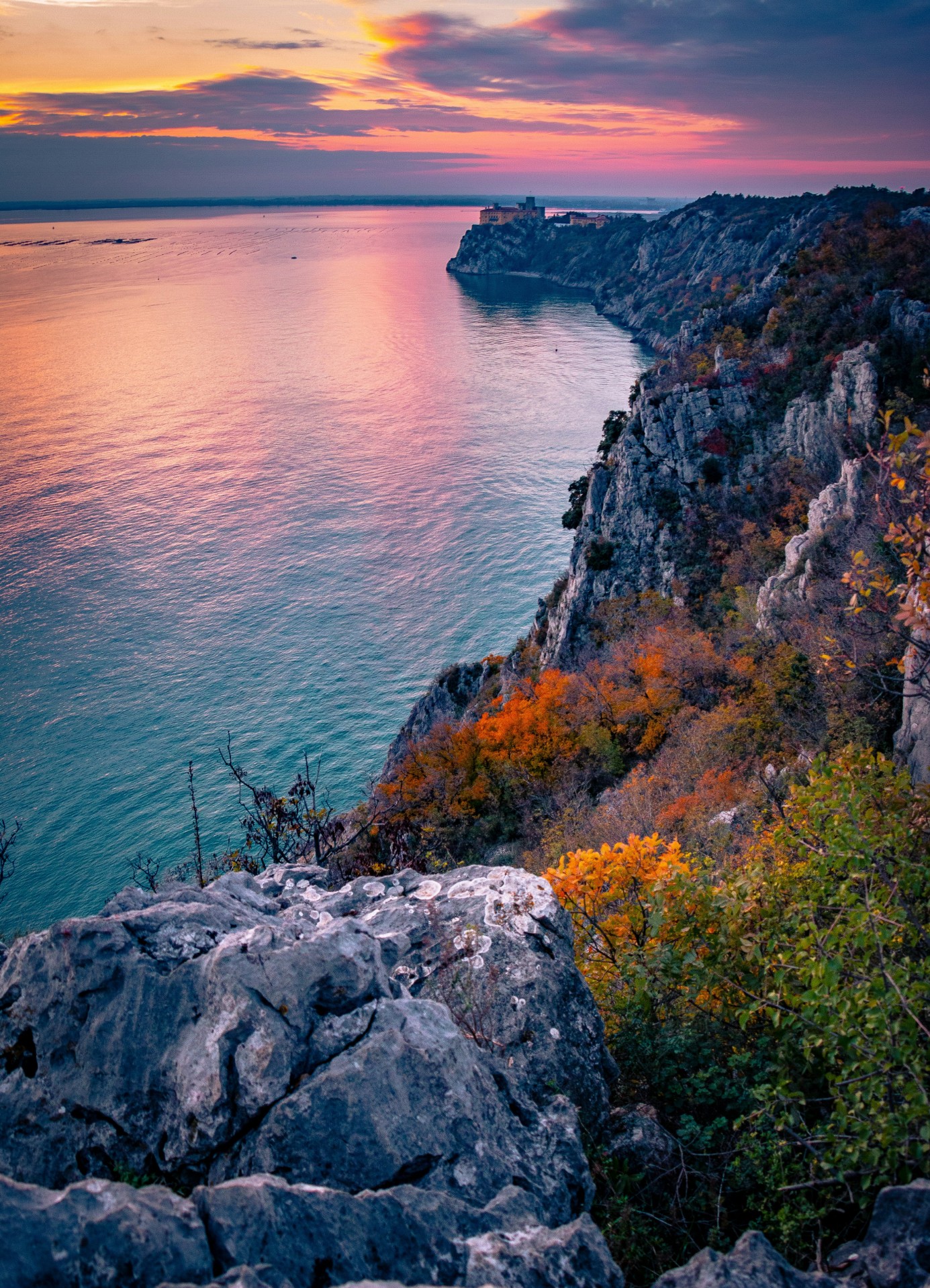
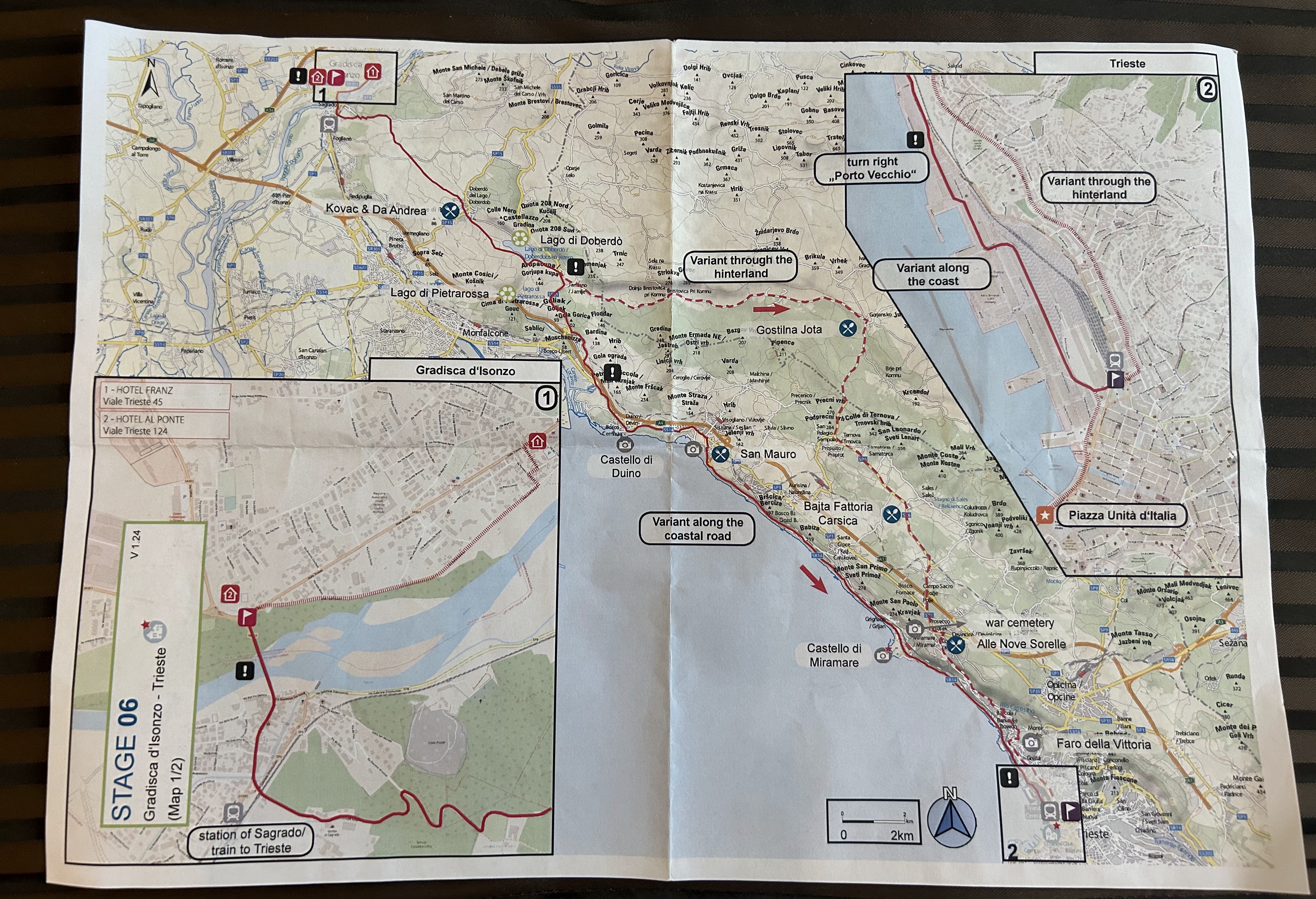
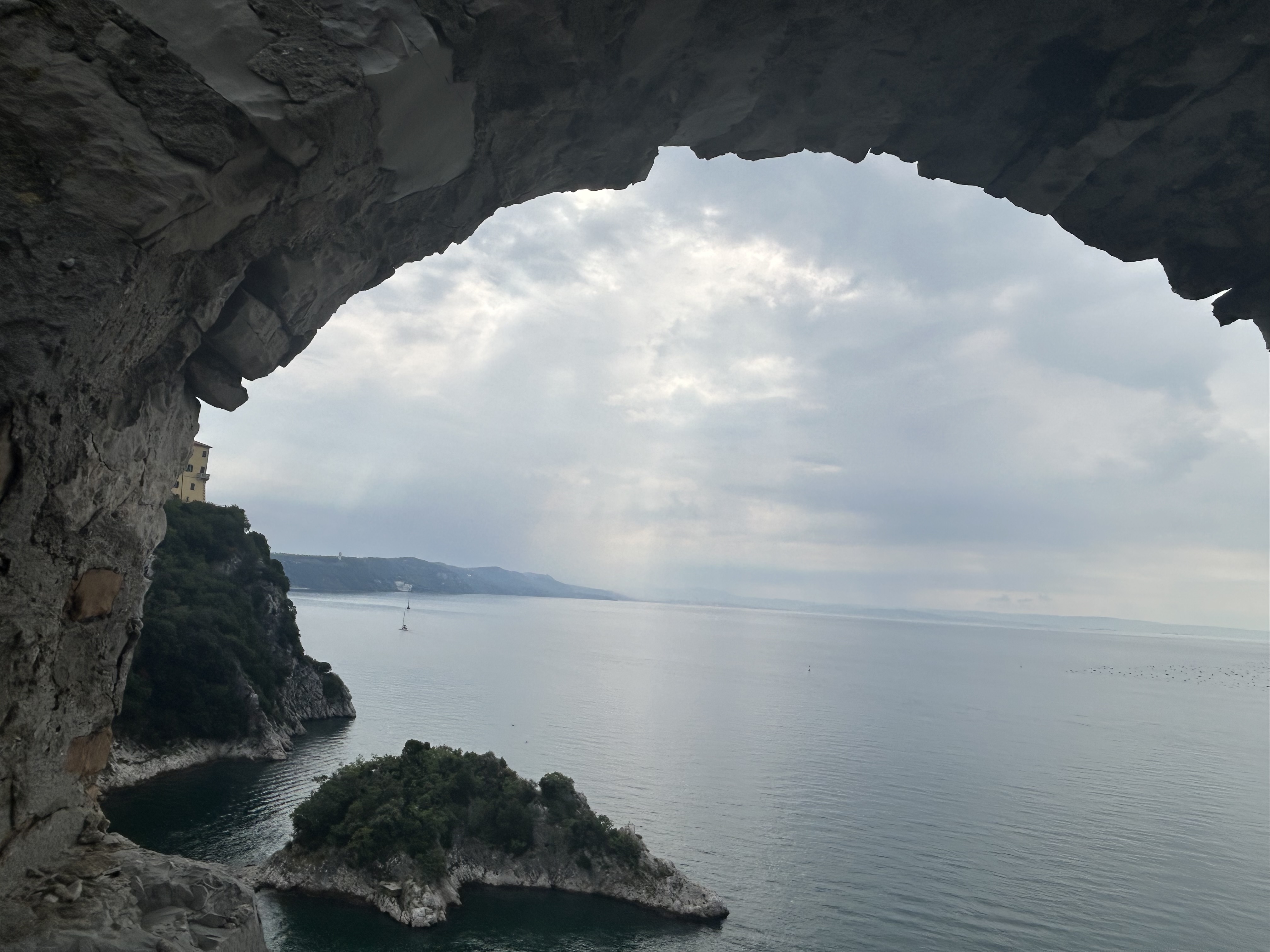
The final leg takes you across the karst plateau toward the Adriatic. Visit Duino Castle, perched above the Gulf of Trieste, and Miramare Castle, surrounded by botanical gardens. Finish your ride in Trieste, once a key port of the Habsburg Empire, now a vibrant waterfront city known for its grand squares, coffeehouses, and mix of Italian, Austrian, and Slovenian influences.
Overnight in Trieste.
Day 8: Departure
Depart individually or extend your stay to explore more of Trieste and the Adriatic coast.
Day 1: Arrival in Hochpustertal valley
Niederdorf/Villabassa or Toblach/Dobbiaco/ Sillian
Arrive in the Hochpustertal Valley, a well-known starting point for long-distance cycling through the Alps and into the Adriatic region. Free, unguarded public parking is available nearby. Villabassa is known for its Kneipp water therapy park, while Dobbiaco has strong cultural ties to composer Gustav Mahler. If staying in Sillian, you’ll be right on the border of Austria and Italy. Use the rest of the day to get familiar with the surroundings and prepare for the journey ahead.
Overnight in Hochpustertal (Niederdorf/Villabassa or Toblach/Dobbiaco) or Sillian
Day 2: Hochpustertal/Sillian – Oberdrauburg/Kötschach-Mauthen
43-47 mi / 70-75 km from Hochpustertal or 37-40 mi / 60-65 km from Sillian
Your ride begins at the Toblacher Sattel, the watershed between the Rienz and Drau rivers. From here, follow the Drau cycle path through South Tyrol into East Tyrol, with the Dolomites providing a dramatic backdrop. Pass through the lively town of Lienz, a popular stop for cyclists, with its medieval center and riverside cafés. Continue along the valley to Oberdrauburg or Kötschach-Mauthen for the night.
Overnight in Oberdrauburg.
Day 3: Oberdrauburg/Kötschach Mauthen – Feistritz an der Gail/Tarvis
transfer to the Gailberg Pass + 40 mi / 65 km
A short morning transfer takes you to the Gailbergpass (about 7 km, 350 m ascent by vehicle). From here, enjoy a downhill ride into Kötschach-Mauthen. The route continues on the Gailtal cycle path, which runs at the base of the Carnic Alps. Pass the town of Hermagor and take a break at Pressegger See, a warm alpine lake perfect for swimming or a snack. End the day in Feistritz an der Gail or Tarvis, near the meeting point of Austria, Italy, and Slovenia.
Overnight in Feistritz/Tarvis (Tarvisio).
Day 4: Feistritz an der Gail/Tarvis/Tarvisio – Bled
35-40 mi / 55-65 km
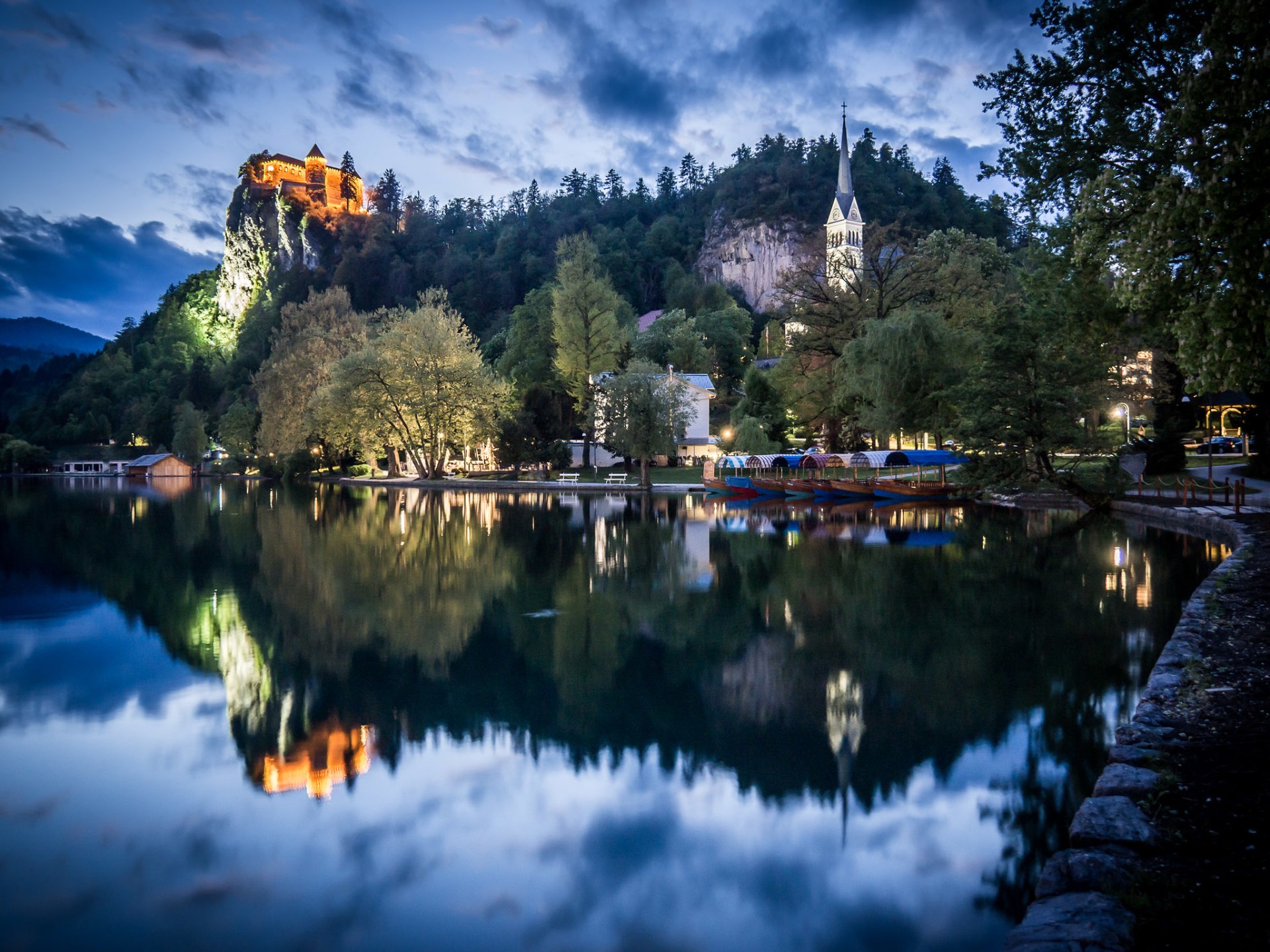
From Feistritz or Tarvis, cycle toward the Italian-Slovenian border and into Slovenia’s Julian Alps. The path passes the ski resort of Kranjska Gora, then descends through scenic valleys that remain relatively undiscovered by mass tourism. Arrive in Bled, famous for its lake, island church, and medieval castle perched on a cliff. For a shorter ride, take a regional train to skip around 10 km. You have the option to spend two nights in Bled instead of moving on the next day.
Overnight in Bled.
Day 5: Bled
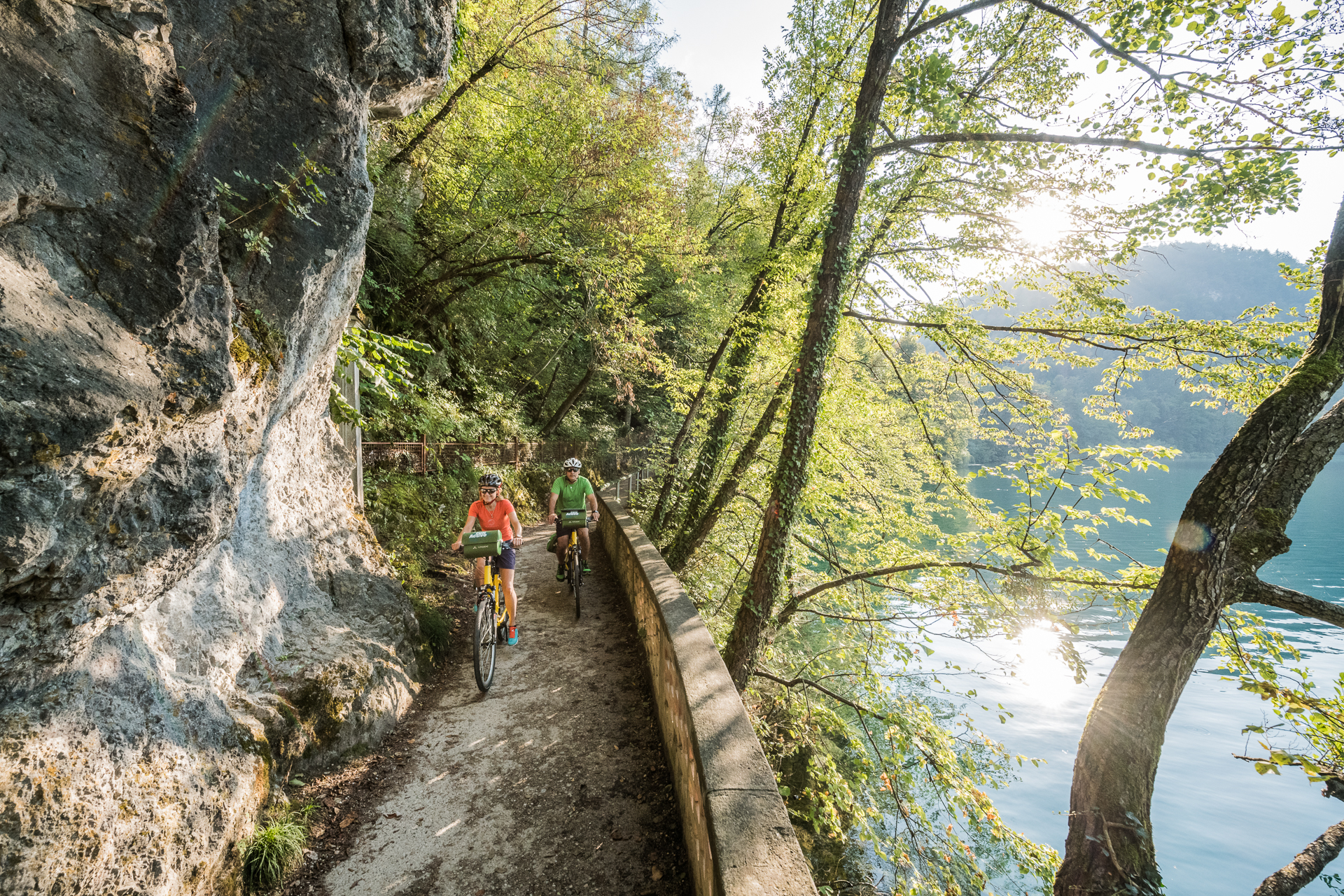
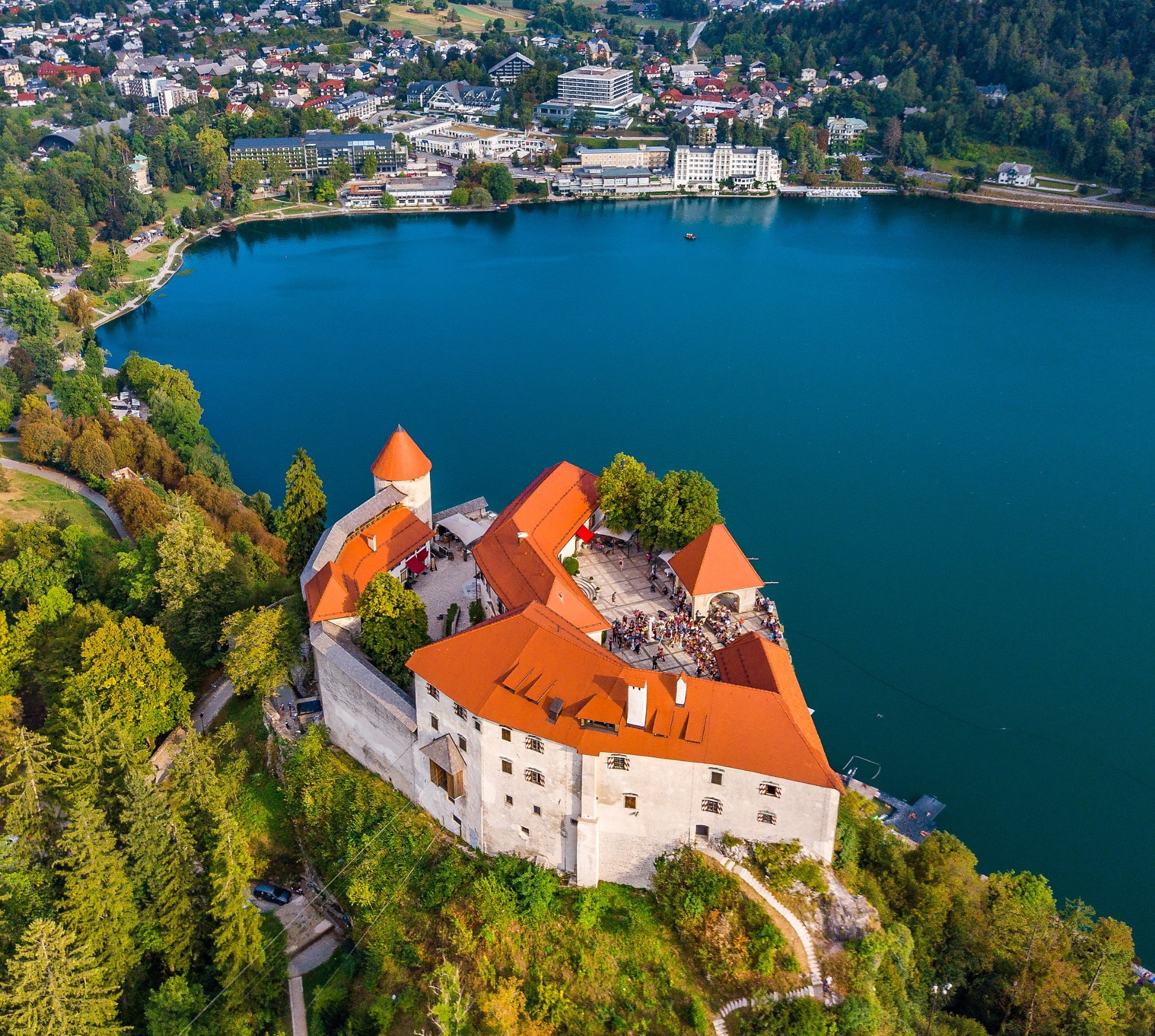
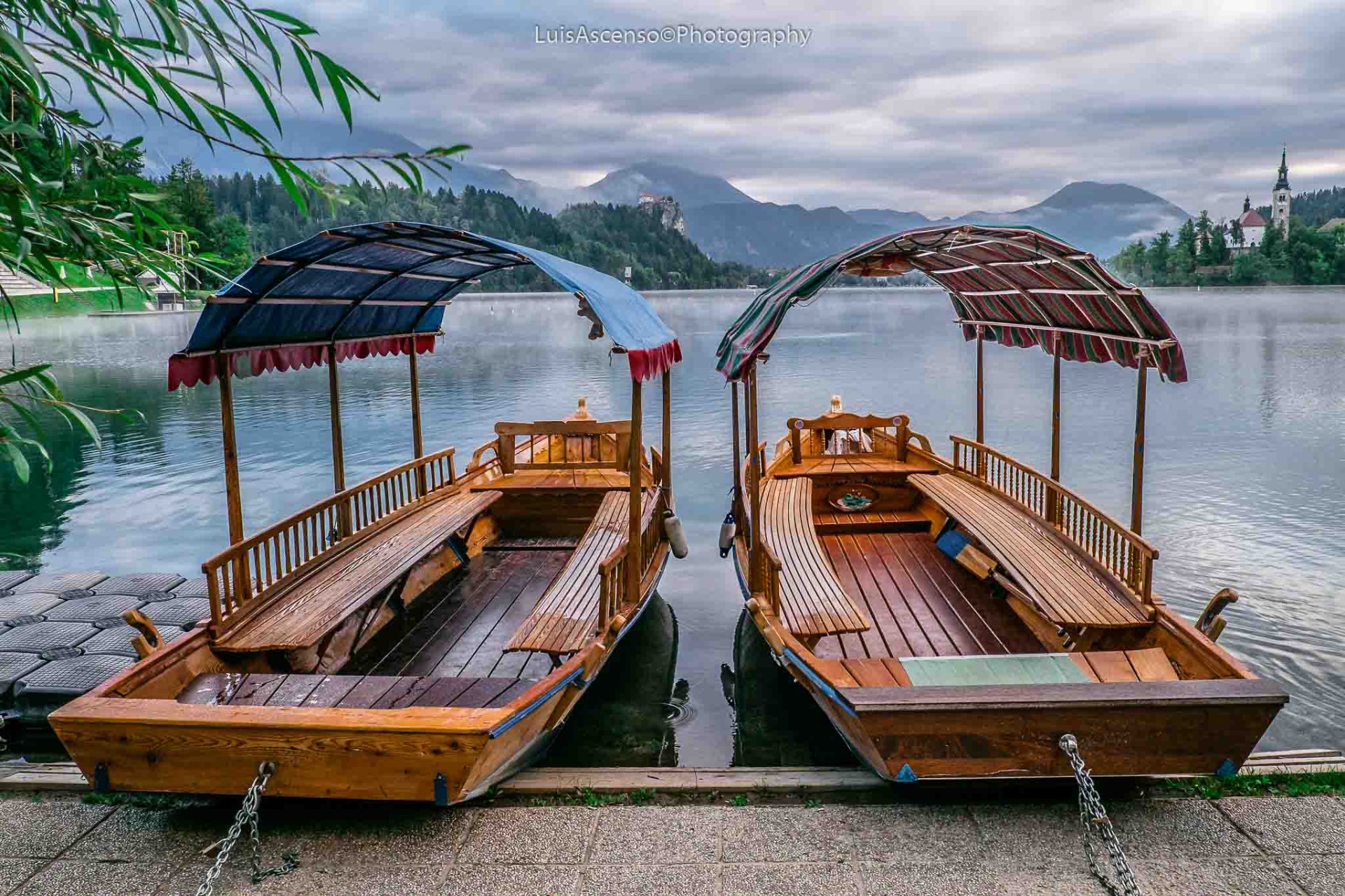
Spend a relaxing day off the bike at Lake Bled, one of Slovenia’s most iconic destinations. The lake is set against a backdrop of forested slopes and mountain peaks, with Bled Castle perched dramatically on a cliff above the water. You can take a traditional wooden pletna boat to the small island with its 17th-century church, walk or cycle around the lakeshore path, or simply enjoy the views from one of the cafés along the promenade.
Overnight in Bled.
Day 6: Bled – Gorizia – Gradisca d'Isonzo
train ride + 25 mi / 40 km
Begin the day with a scenic train transfer over the pass into the Soča Valley, a region famous for its emerald-green river and a hub for canoeing, rafting, and other outdoor activities. Your ride starts in Kanal ob Soči, a historic riverside town with stone houses and arched bridges. From here, follow the Soča downstream toward Gorizia, a city uniquely divided between Italy and Slovenia, reflecting centuries of shifting borders. The route then takes you through the rolling vineyards of the Collio wine region, known for its exceptional whites and welcoming wine cellars. Your day ends in Gradisca d’Isonzo, a fortified Renaissance town with charming squares and quiet streets, where you’ll spend the night.
Overnight in Gradisca.
Day 7: Gradisca – Trieste
24 mi / 40 km
The final leg takes you across the karst plateau toward the Adriatic. Visit Duino Castle, perched above the Gulf of Trieste, and Miramare Castle, surrounded by botanical gardens. Finish your ride in Trieste, once a key port of the Habsburg Empire, now a vibrant waterfront city known for its grand squares, coffeehouses, and mix of Italian, Austrian, and Slovenian influences.
Overnight in Trieste.
Day 8: Departure
Depart individually or extend your stay to explore more of Trieste and the Adriatic coast.



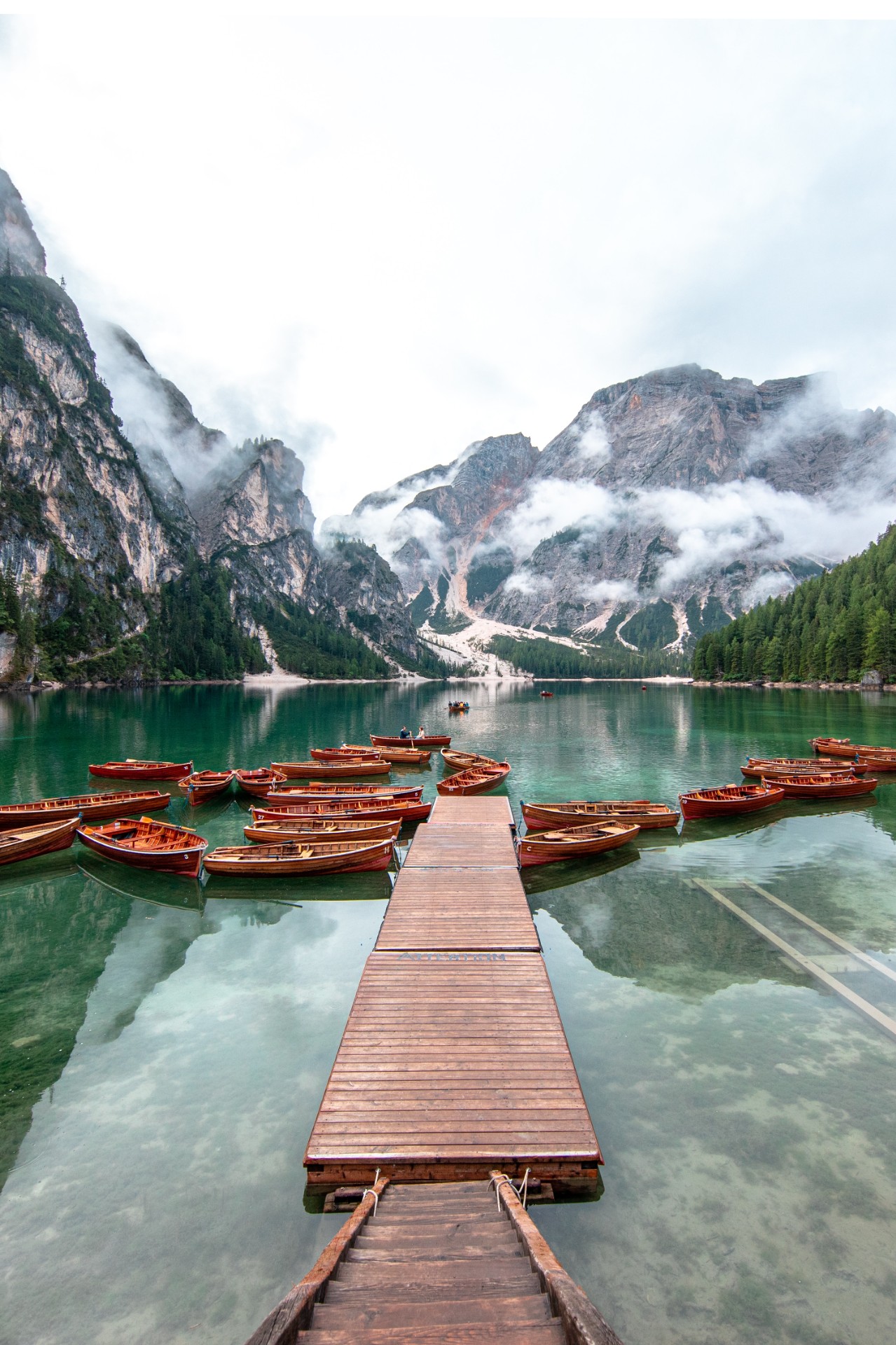
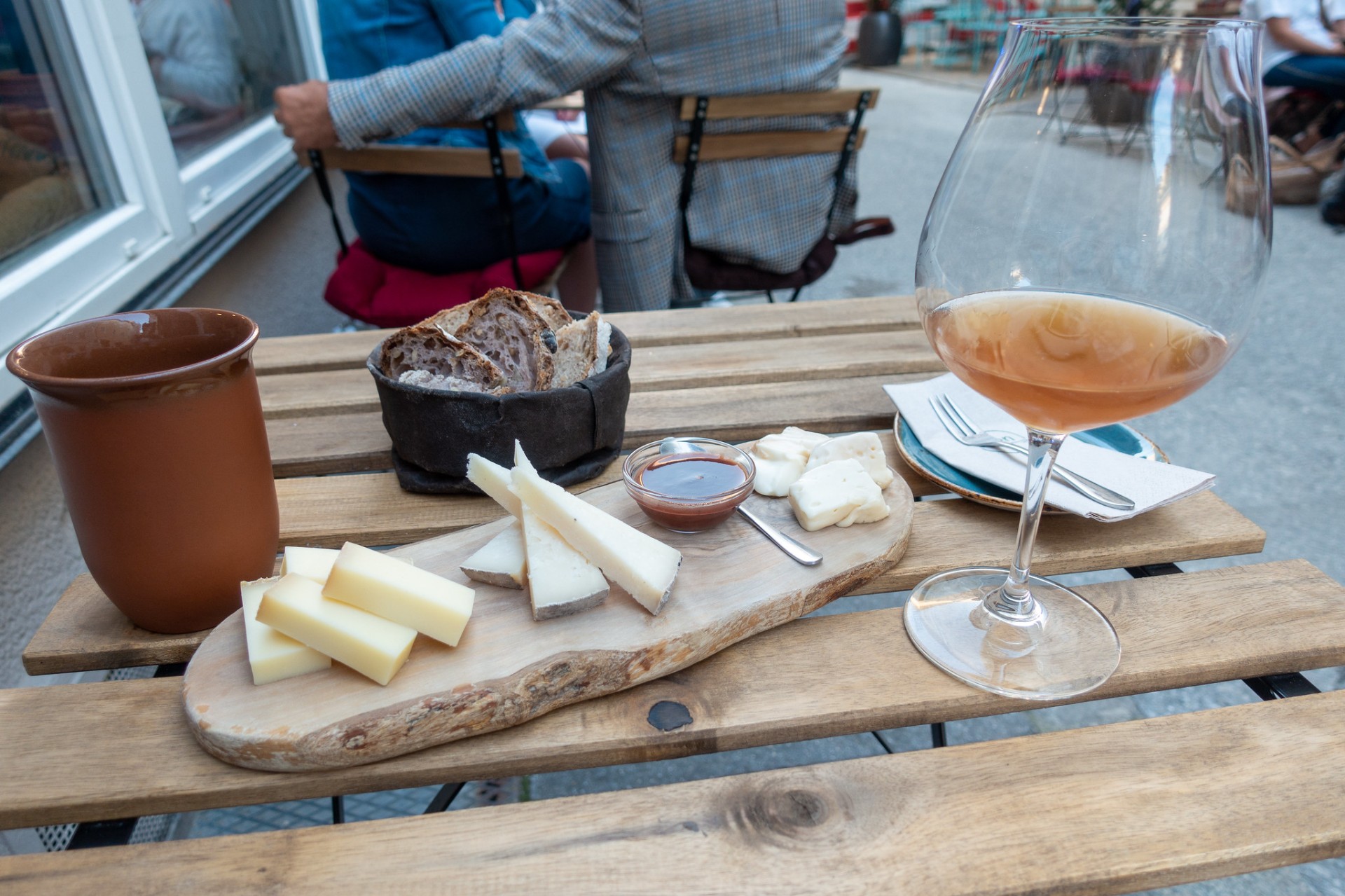

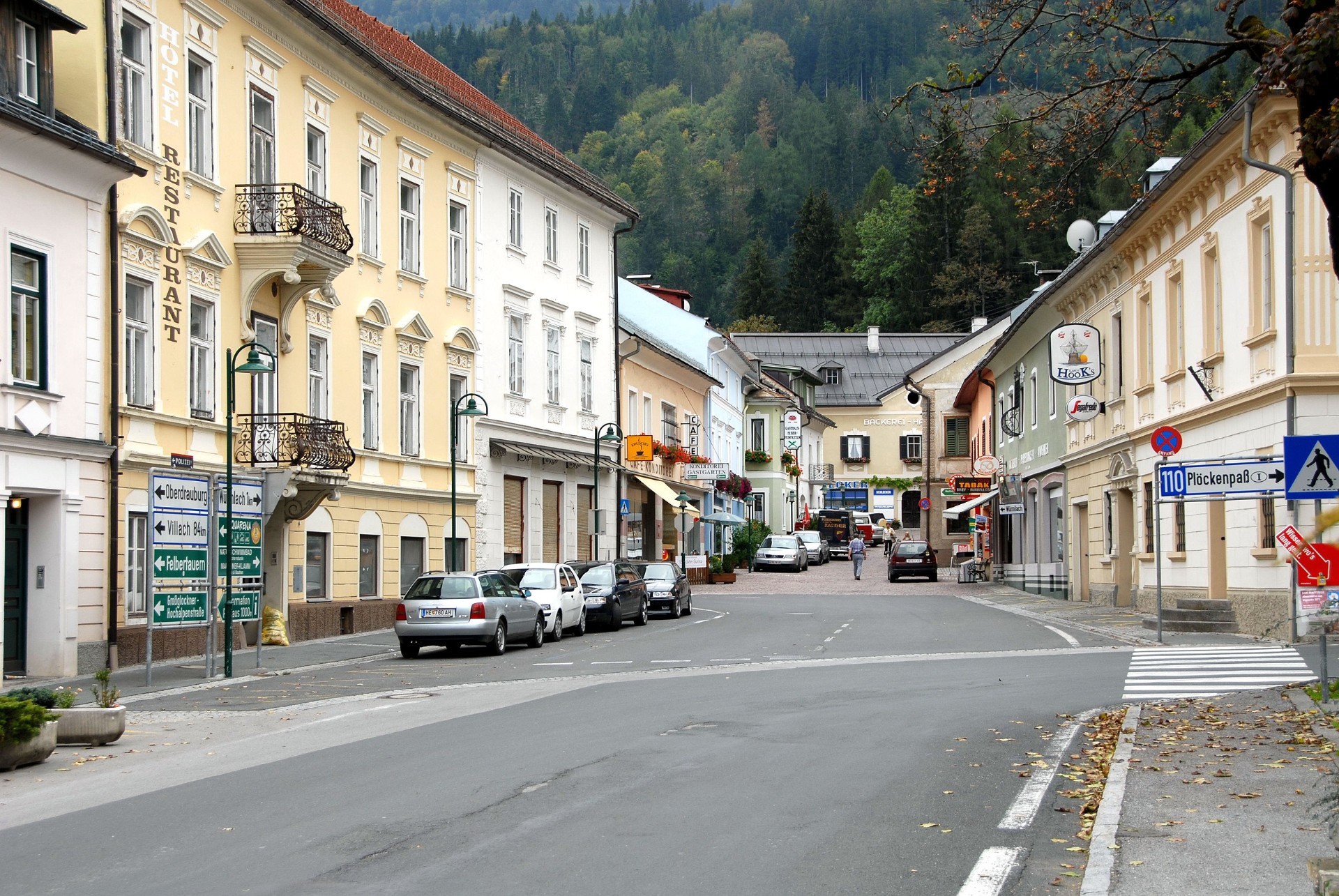









Hotels
These are sample hotels and may vary based on availability.
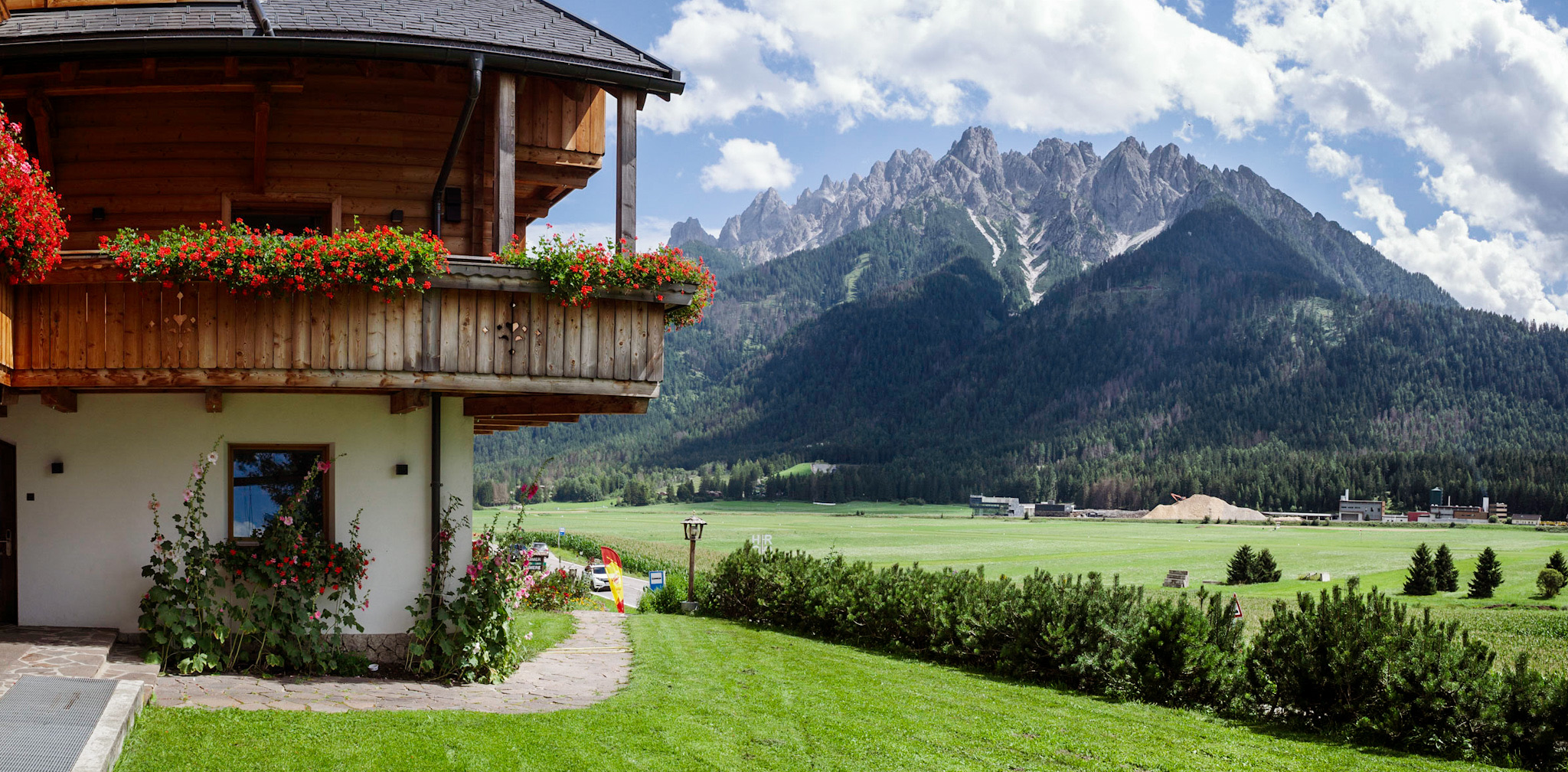
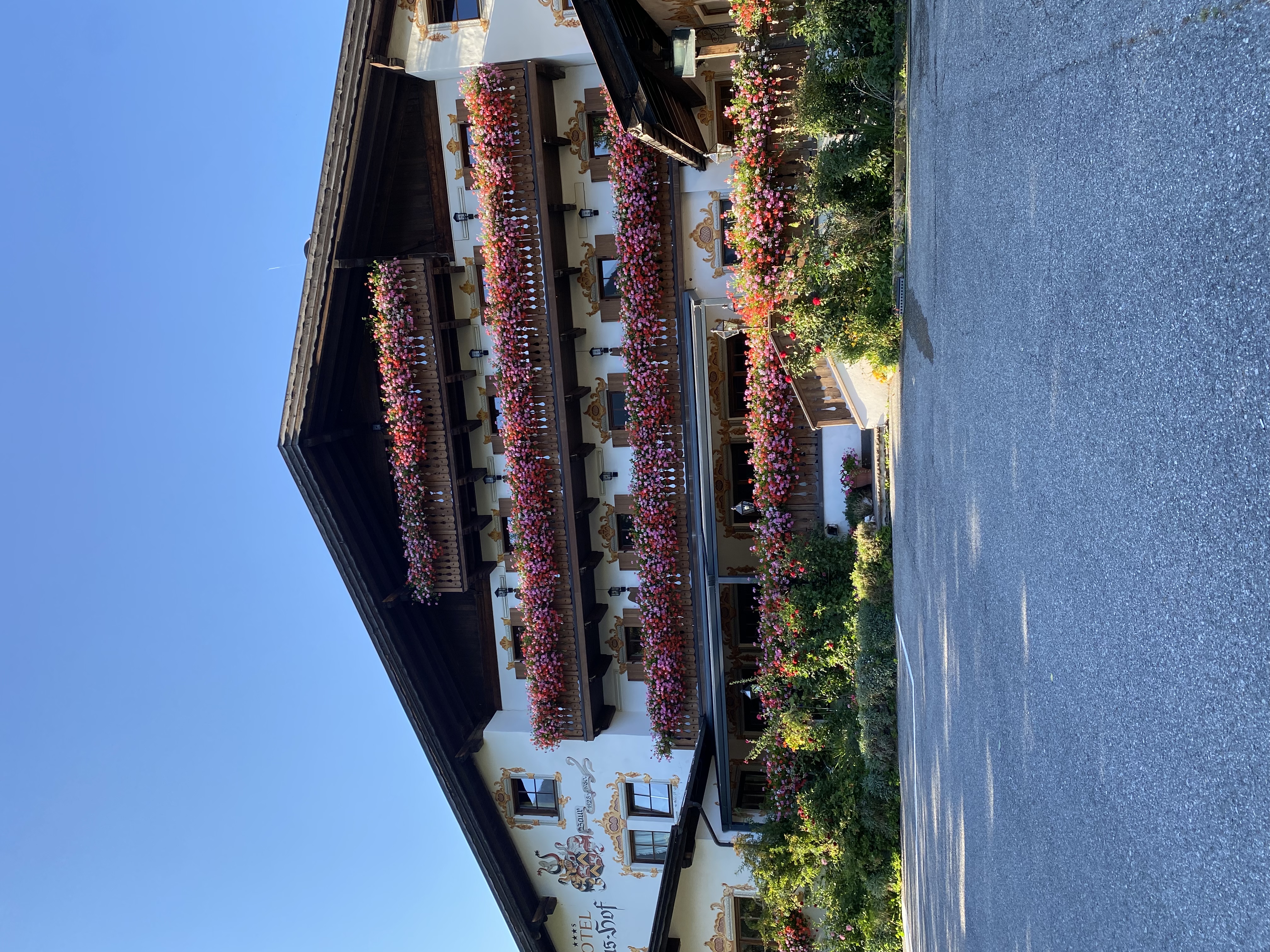
Toblach: Hotel Emma, Hotel Germania, or Hotel Rosengarten
Oberdrauburg: Gasthof Pontiller
Feistritz: Hotel Alte Post
Bled: Hotel Park Bled
Cividale del Friuli: Hotel Roma
Please note: Visitor's taxes are not included in the tour cost. Plan to pay €2-5 per person at each hotel's reception upon check out.
Interested in visiting other areas before or after your tour? Visit our hotels page to learn more about lodging options.
Bikes
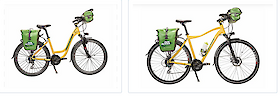
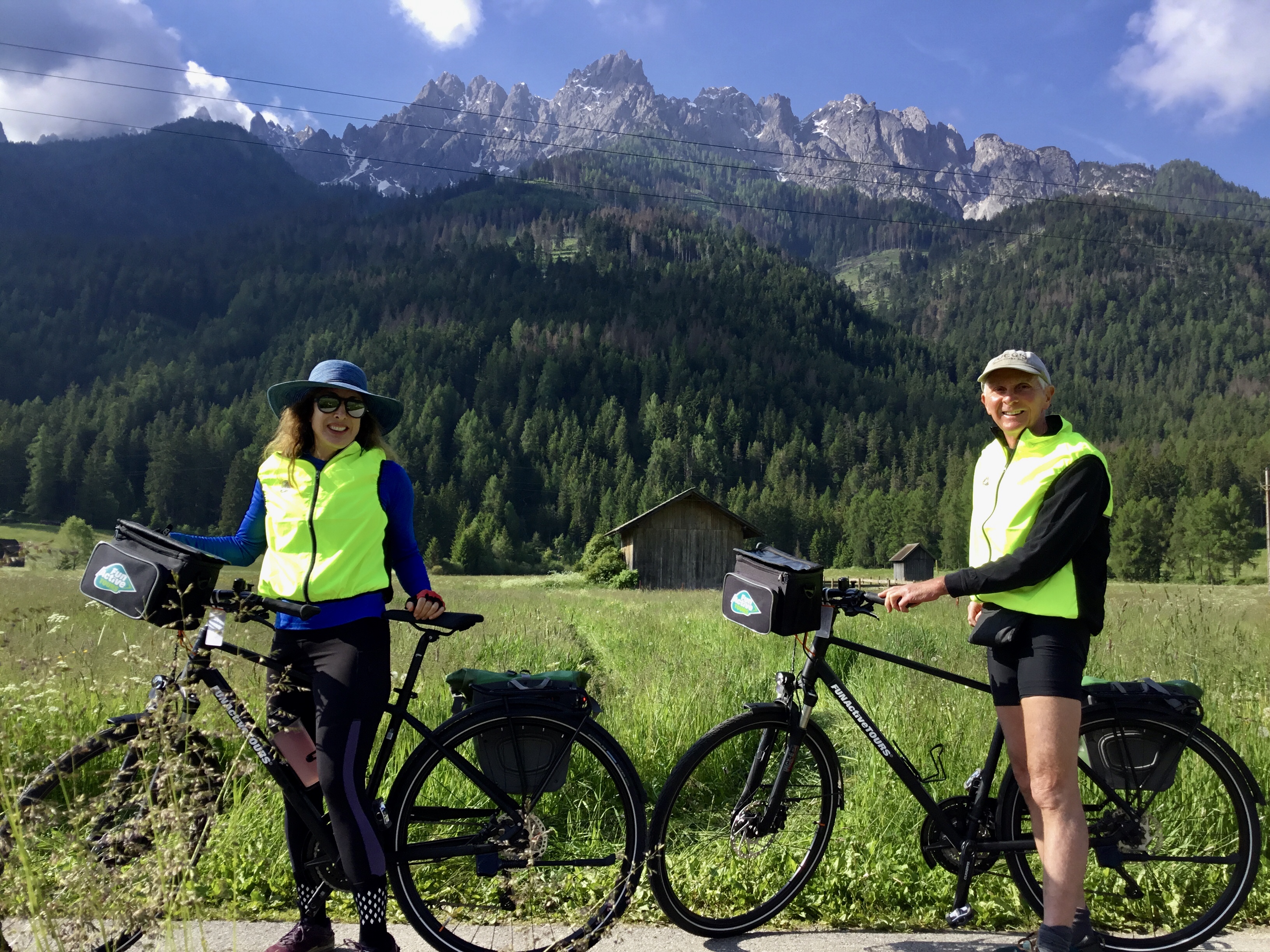
Standard trekking bike
Available in two frame styles - Unisex with step-through frame and Men's with high crossbar.
Unisex frame:
- Simano Alivio/Deore, 21-gear freewheel
- Royal saddle
- Step-through frame
- sizes : S-XL
Men's frame:
- Aluminum frame
- Simano Alivio/Deore, 21-gear freewheel
- Waterbottle holder
- Royal saddle
- sizes : S-XL
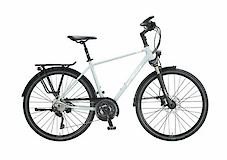
TOP trekking bike
The TOP trekking bike features high-end mechanisms (Shimano XT), ensuring greater smoothness than the standard bike.
- Aluminum frame
- Simano Deore XT, 30-gear freewheel
- sizes : S-XL
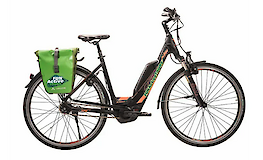
Electrically-assisted bike
- Step-through frame
- Bosch Performance Line Motor
- 9-gear
- Range performance: approximately 100km (using middle/constance speed)
*More about electrically-assisted bikes >
All bikes are equipped with:
- A high-quality saddlebag (one per bike): this waterproof rear pannier has a roll closure that allows you to customize the size of the bag and seal it so that it’s watertight. Thanks to the symmetrical construction, it can be mounted on either the left or the right side.
- A handlebar bag (one per room): This waterproof handlebar bag is perfect for securely storing essentials you want readily accessible. Key features include a detachable map compartment, a Klickfix attachment for easy mounting, and a convenient shoulder strap for added versatility.
- Bike tire foam (one per room)
- Pump (one per room)
- Bicycle computer (one per room): easy-to-use bicycle computer which keeps track of average speed, distance, time
- Wheel-lock (one per room)
Please note that the bikes are not equipped with phone holders. Since the tour operator provides a navigational app, we recommend bringing one with you for easeful use of the app.
The bikes will be picked up from the local bike shop or they may be at your disposal in the arrival hotel. At the end of your bike tour you simply leave the rental bike at the last hotel.
Bike Protection:
Bike protection can be purchased at the time of booking. You can read more about that HERE.
Pedals:
The bikes will have flat pedals. If you want to bring your own pedals, please bring your own shoes and also the necessary equipment to change the pedals.
Helmets:
Helmets are available to purchase for €25.
Surface and terrain
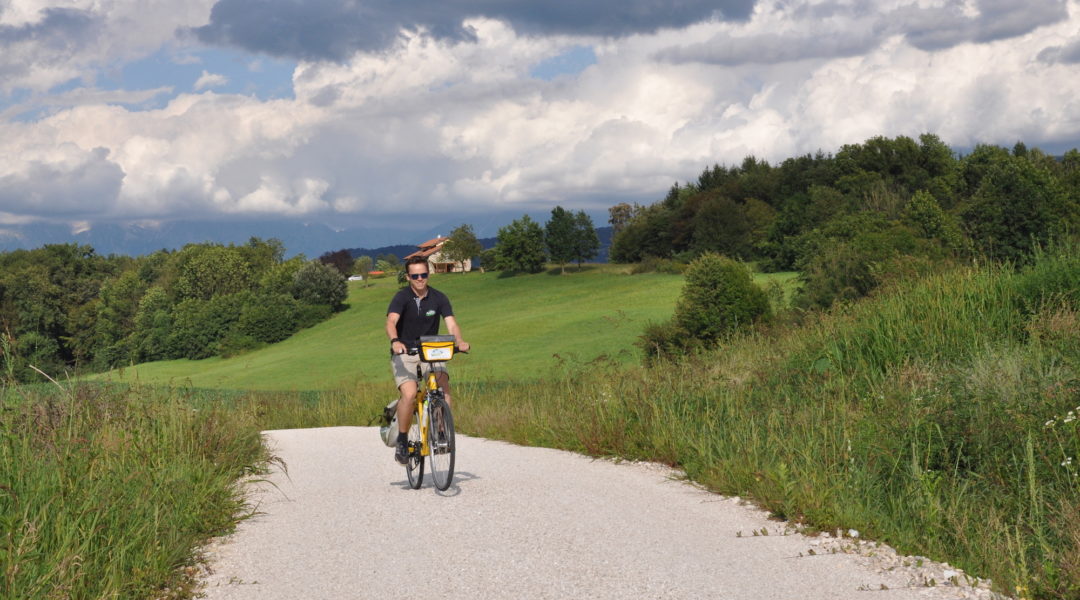
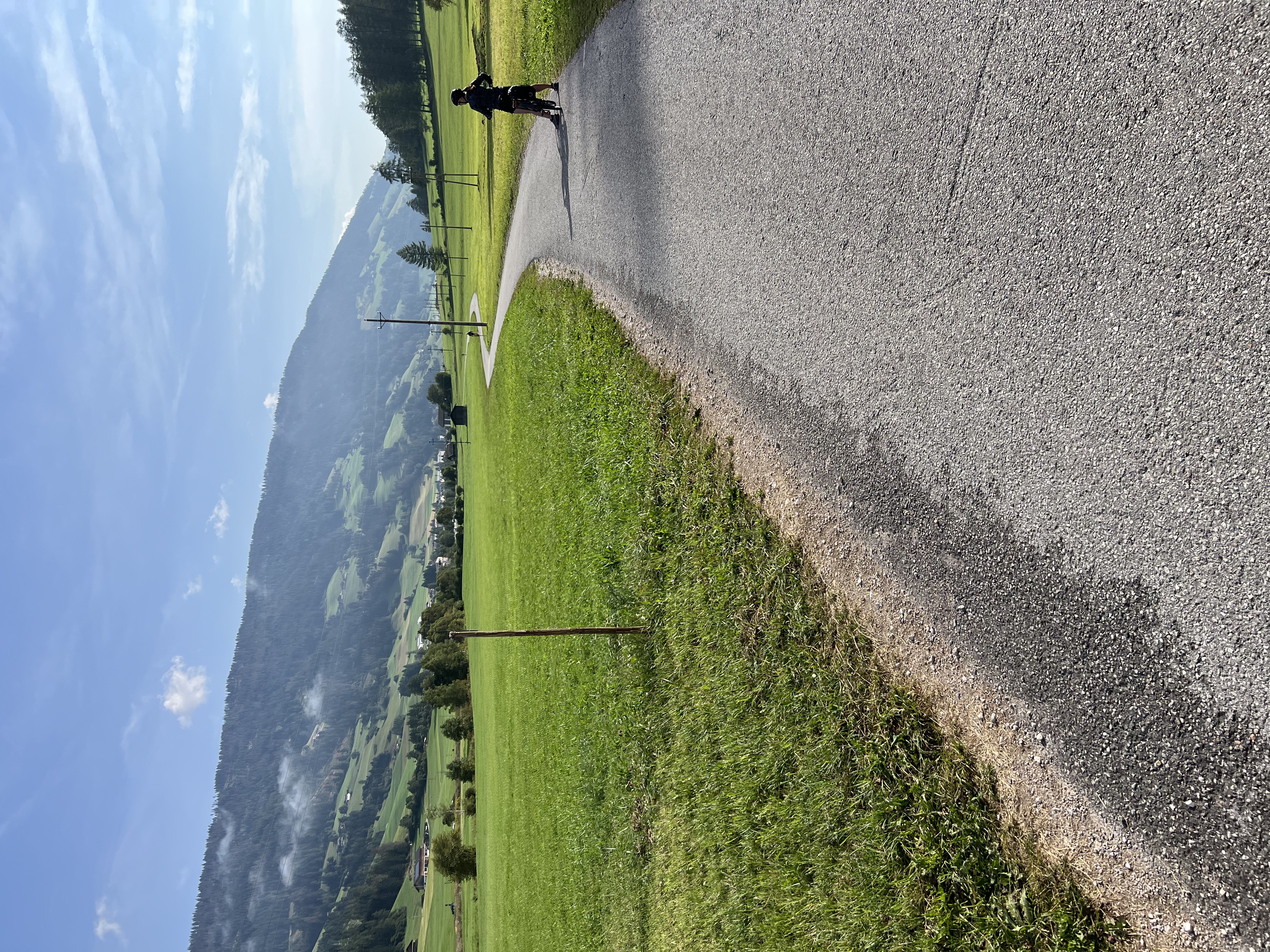
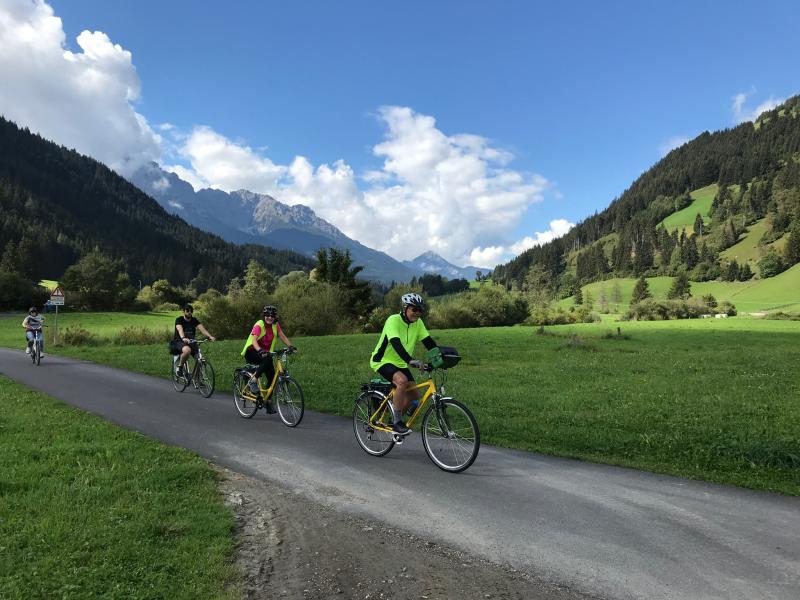
The tour takes you along bike paths or very quiet side roads on a varied route, through small villages and picturesque landscapes. The last two stages of the tour are a little hilly.
The route is on a cycle path about 65% of the time and side roads with little traffic 33% of the time. The remaining 2% is on busier roads as you enter or leave the city centers. 90% of the route is on asphalted surfaces.
The tour is suitable for children over the age of 14.
Route profiles of note:
Day 2: Alta Pusteria – Oberdrauburg (43 miles/69 km)
Please note this route is only downhill.
Day 4: Feistritz – Bled (35-40 miles/55-65)
Today's route has one hill that is short, but can be difficult. You may need to push your bike for about 10 minutes if you find it challenging.
Day 7: Gradisca – Trieste (24 miles/40 km)
Today's route has one short uphill (about 328 ft/100m difference in altitude).
How to get there
Tour start
Nearest airport: Treviso, Venice, or Innsbruck
Nearest train station: Niederdorf or Toblach
Take the train from Innsbruck over the Brenner/Brennero to Franzensfeste/Fortezza. Change train to the Valley Pustertal/Valle Pusteria - Lienz and disembark at either Niederdorf/Villabassa or Toblach/Dobbiaco depending on the location of your hotel.
Timetable available on:
www.deutschebahn.de
www.oebb.at
www.trenitalia.com
From Venice airport: Take Cortina Express: Daily departure from Mestre train station and Venice airport to Cortina d’Ampezzo and/or Toblach/Dobbiaco (booking necessary www.cortinaexpress.it).
Tour end
Nearest airport: Ronchi dei Legionari, Treviso, Venice, or Innsbruck
Nearest train station: Trieste
Return transfer on request on Wednesday and Saturday from Trieste to Toblach/Dobbiaco or Niederdorf/Villabassa or Sillian. Reservation and payment upon booking.
Alternative: SAF – Bus from Trieste (daily at approx. 06.40 a.m.) to San Candido/Innichen (no bicycle transport possible; duration: approximately 5 hours) – Timetable and details on www.autostazionetrieste.it.
Tips on getting to and from your tour.
Loading reviews…
More About This Tour
 Related Bike Tours


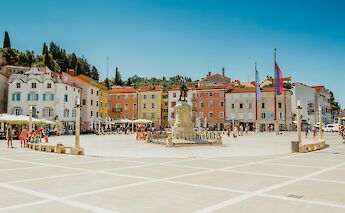
Best of Slovenia: Highlights Across the Country From Bled to Piran
 Slovenia
Bicycle Paths of the Dolomites (based in one hotel)
Italy 
Dolomites to Venice Along the Old Dolomites Railway Track
Italy Related Day Tours
Chianti Classico Florence E-Bike Tour with Wine & Olive Oil Tasting
Florence 
Classic Tuscany Bike Tour
Florence 

Capuchin Catacombs Bike Tour Palermo
Palermo 

Street Food Bike Tour Palermo
Palermo 
Palermo Old Town Bike Tour
Palermo 
Milan Hidden Treasures Bike Tour
Milan 
 Email
Email Office Hours