




Holland’s Southern Relax Tulip Tour
 7 nights from €1185
 4.55
4.55
Experience Holland In Bloom
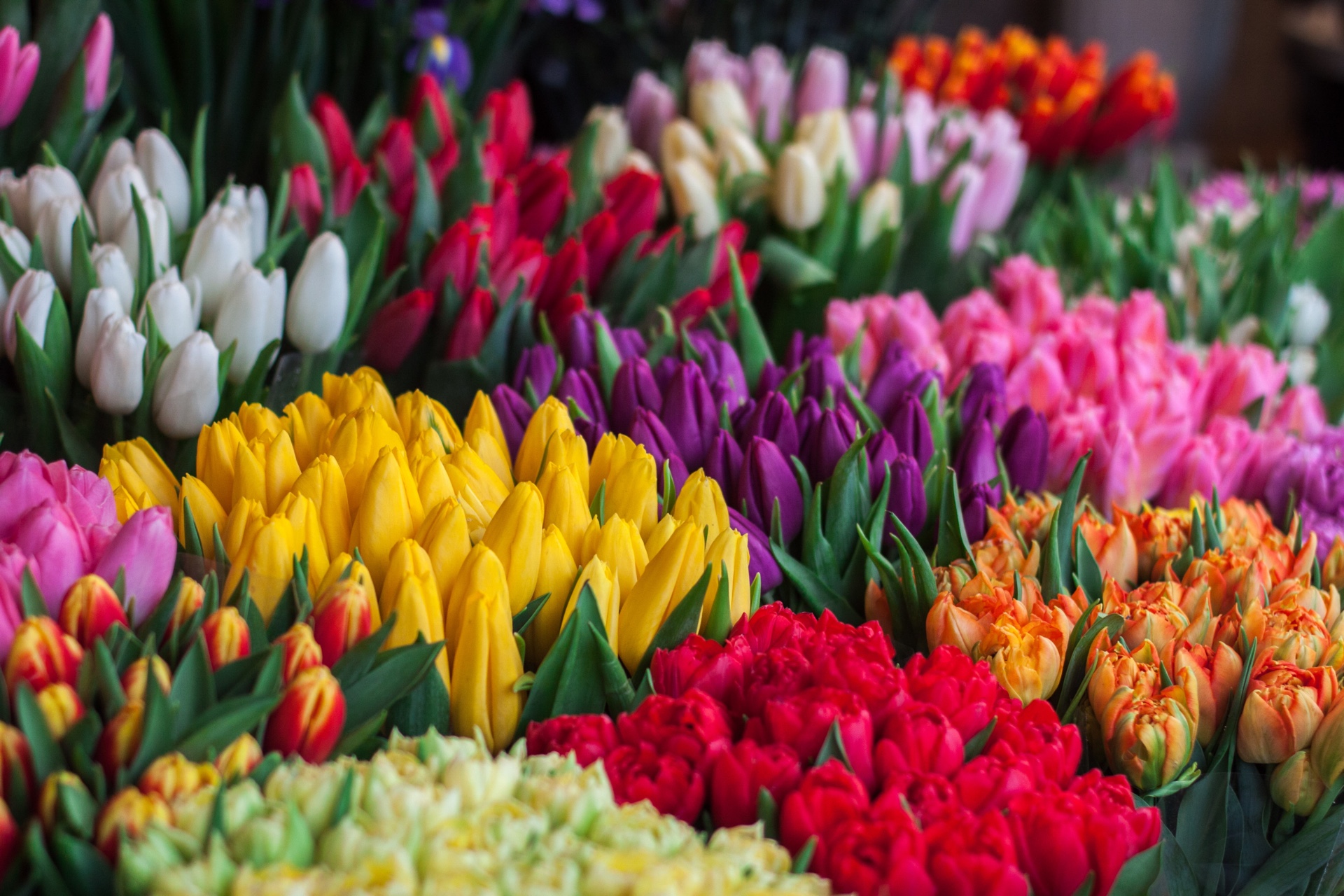
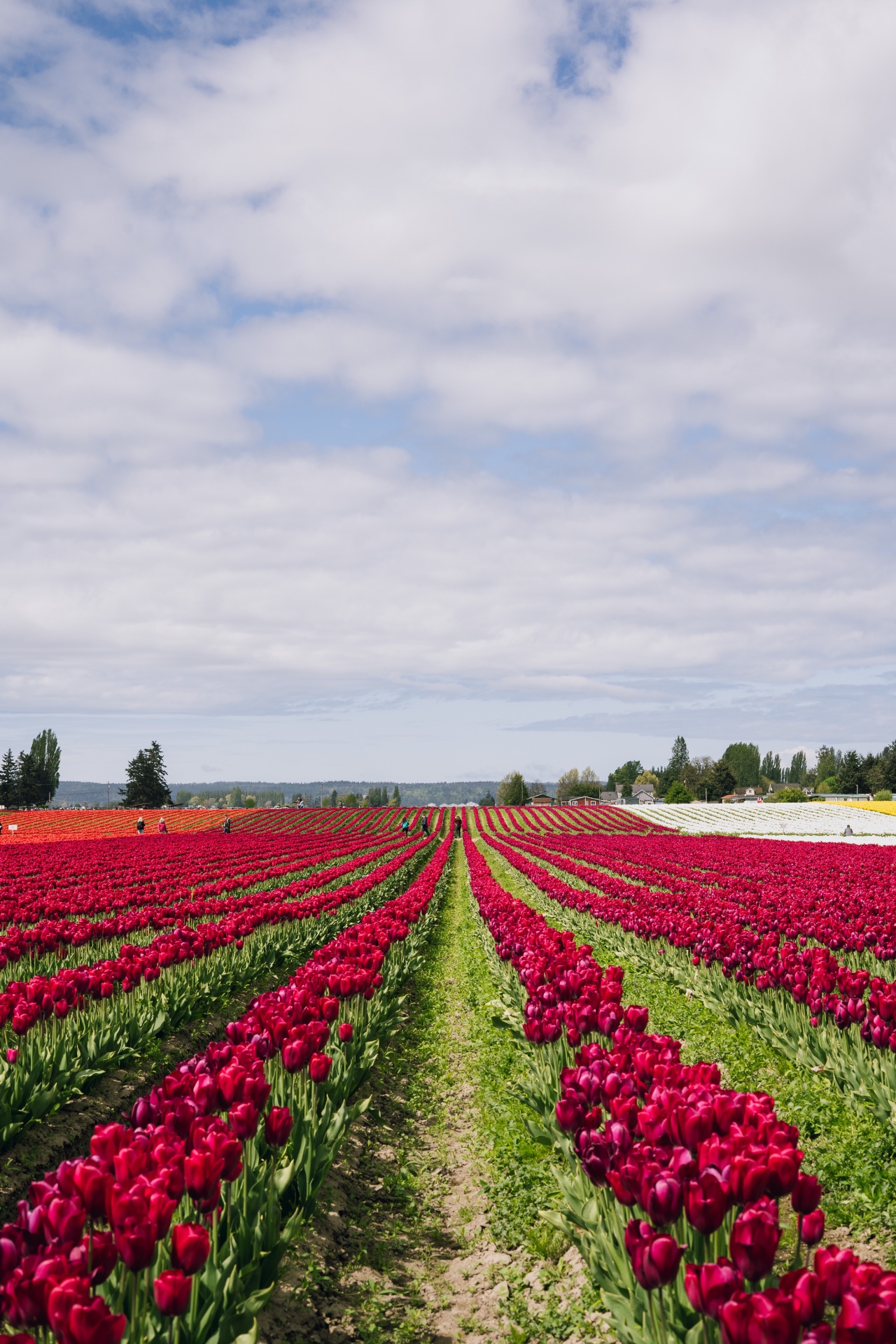
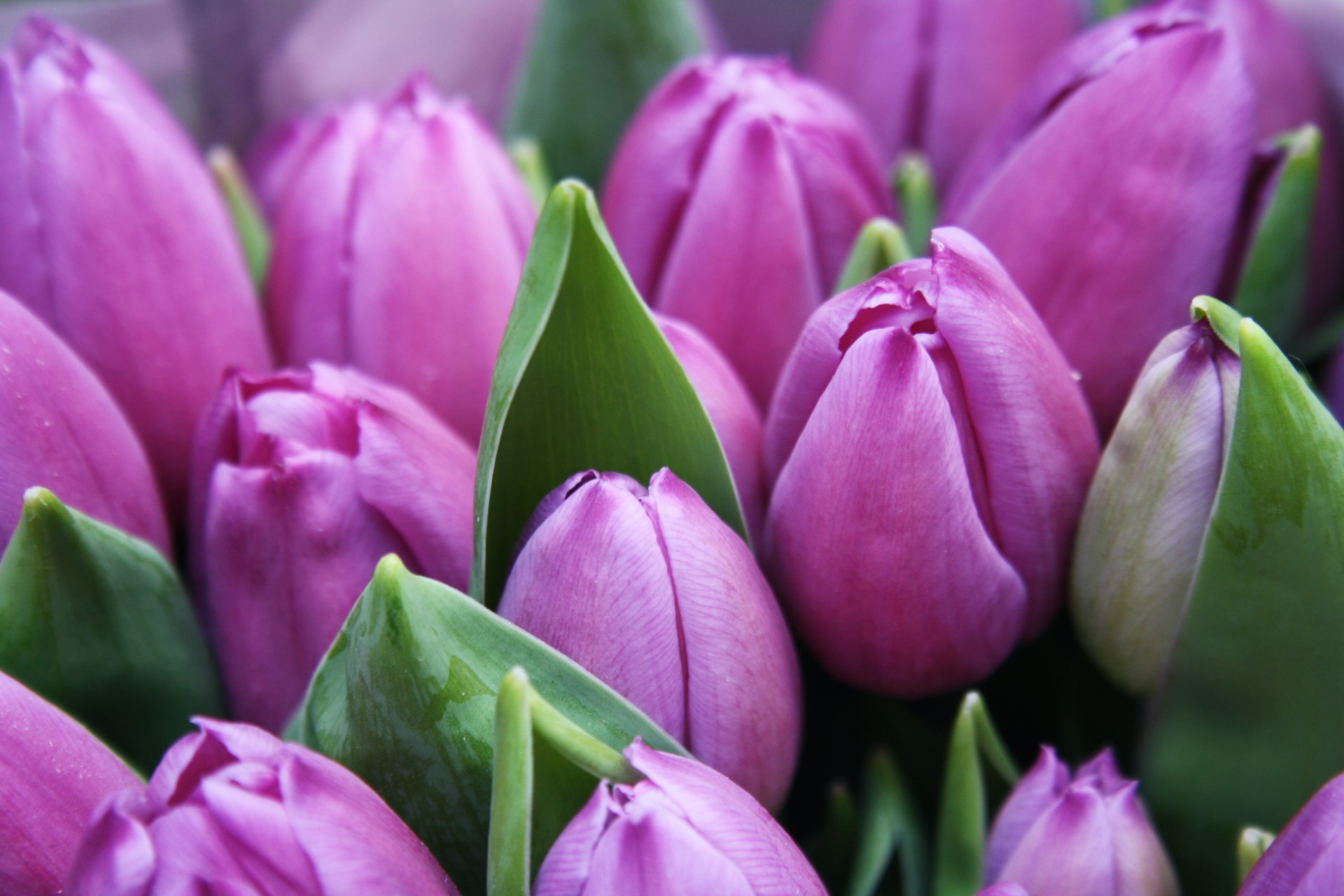
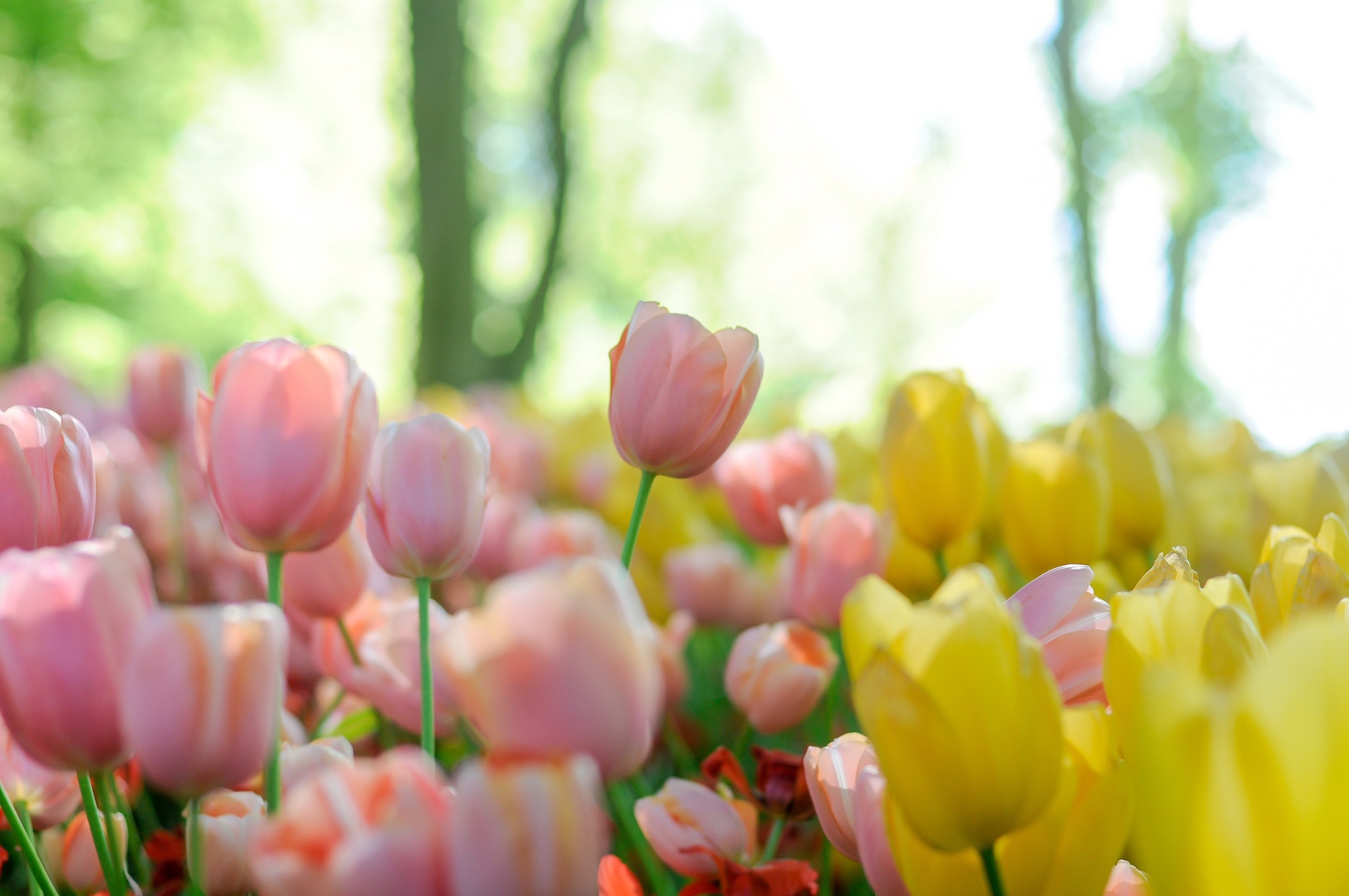
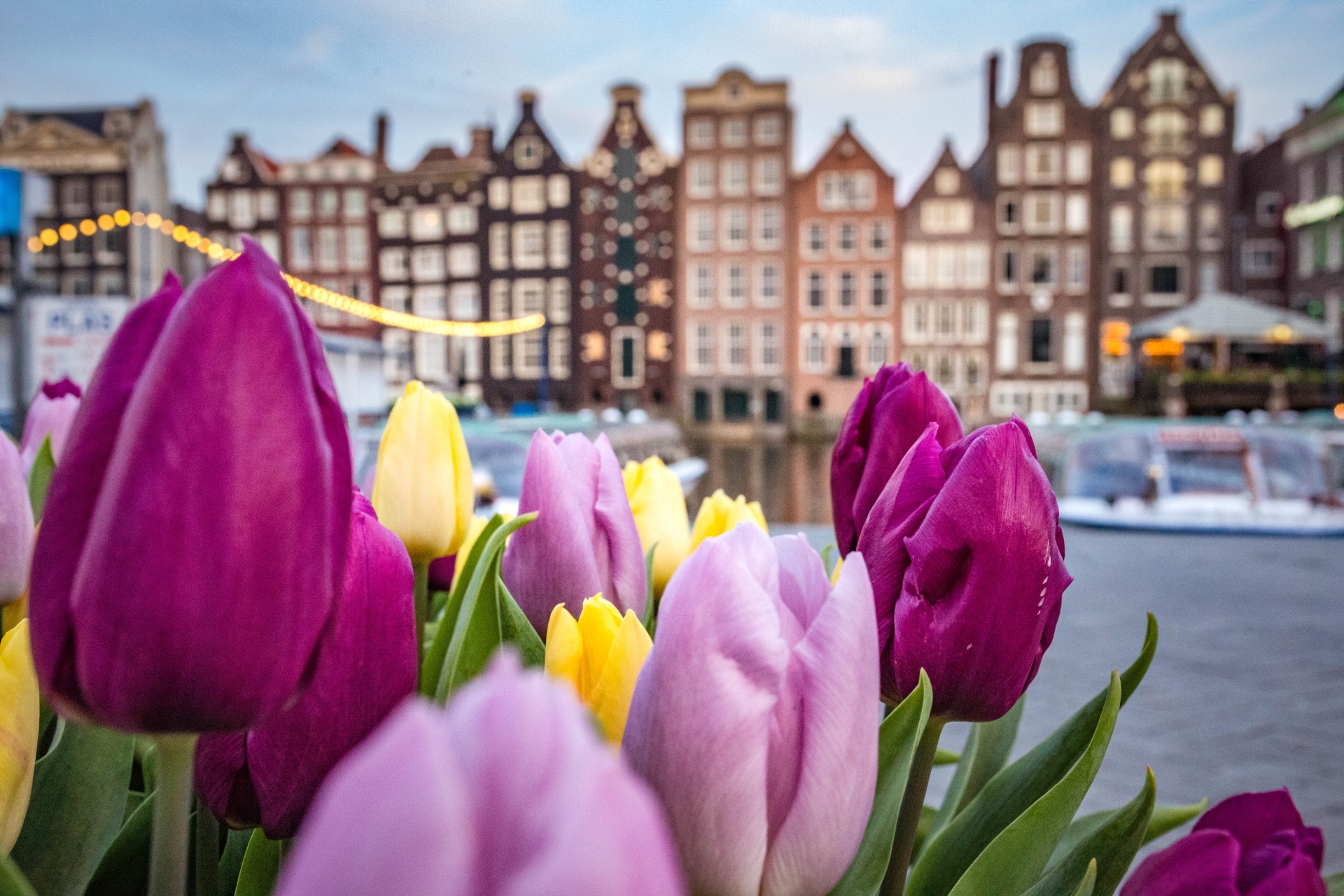
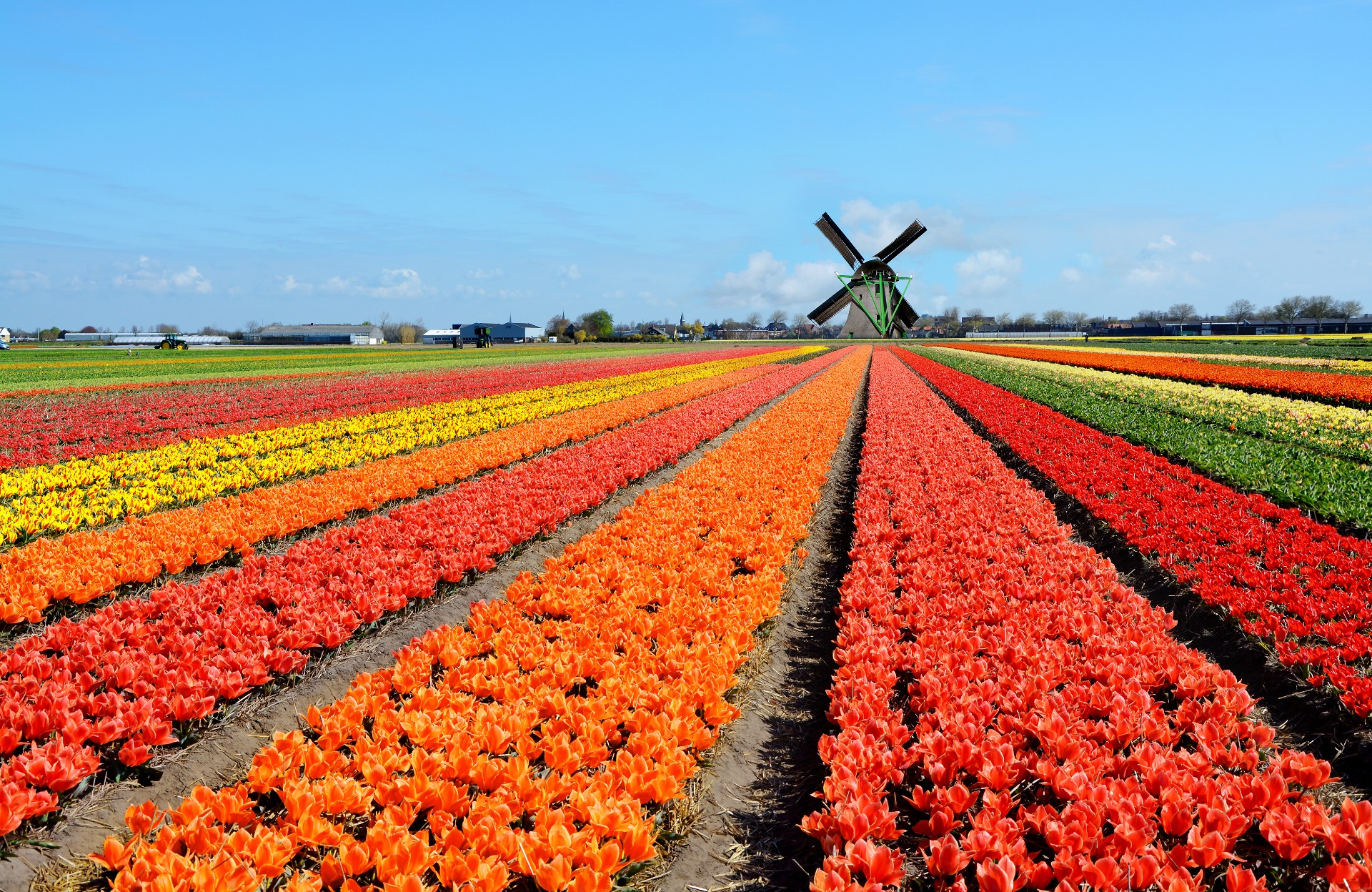
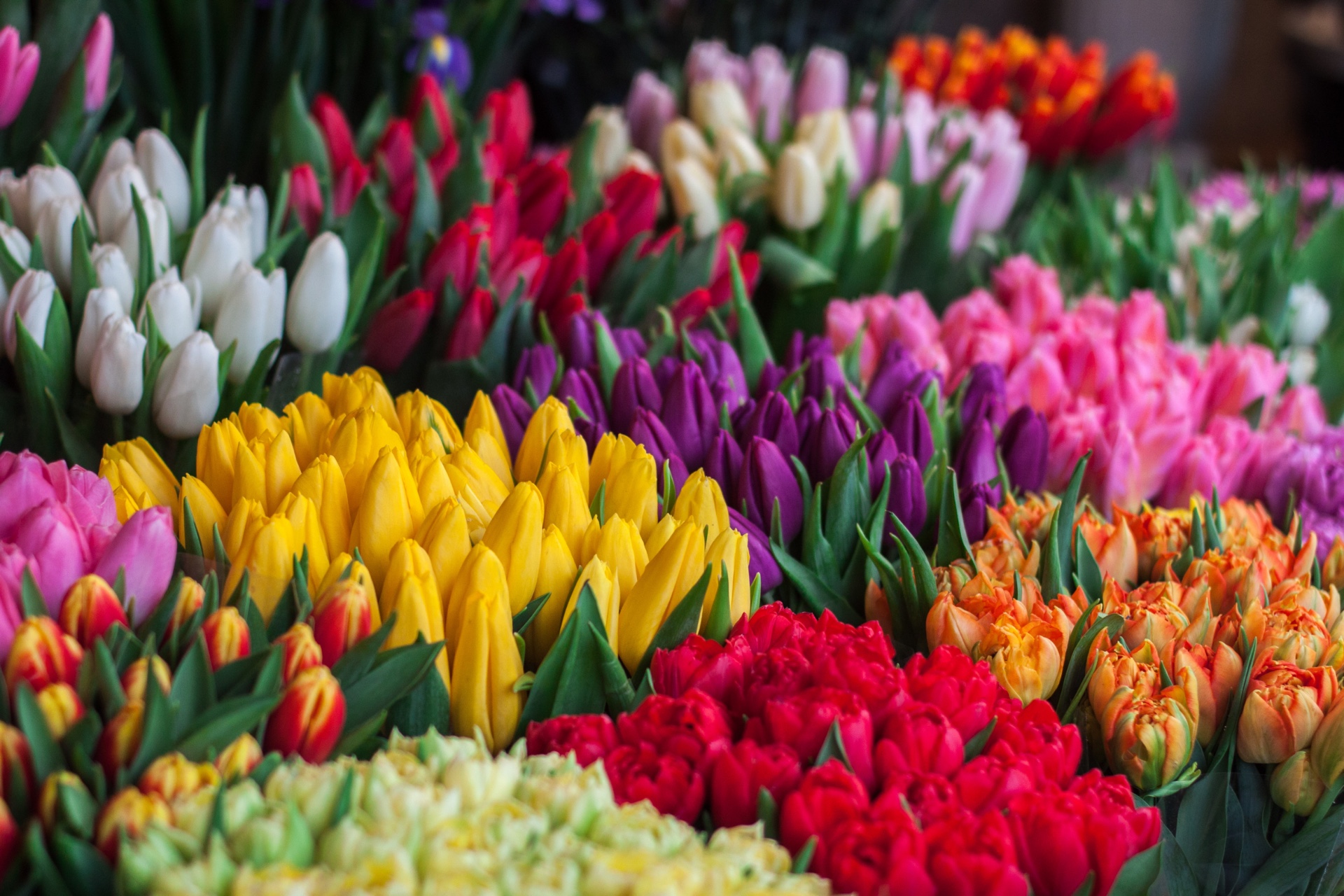
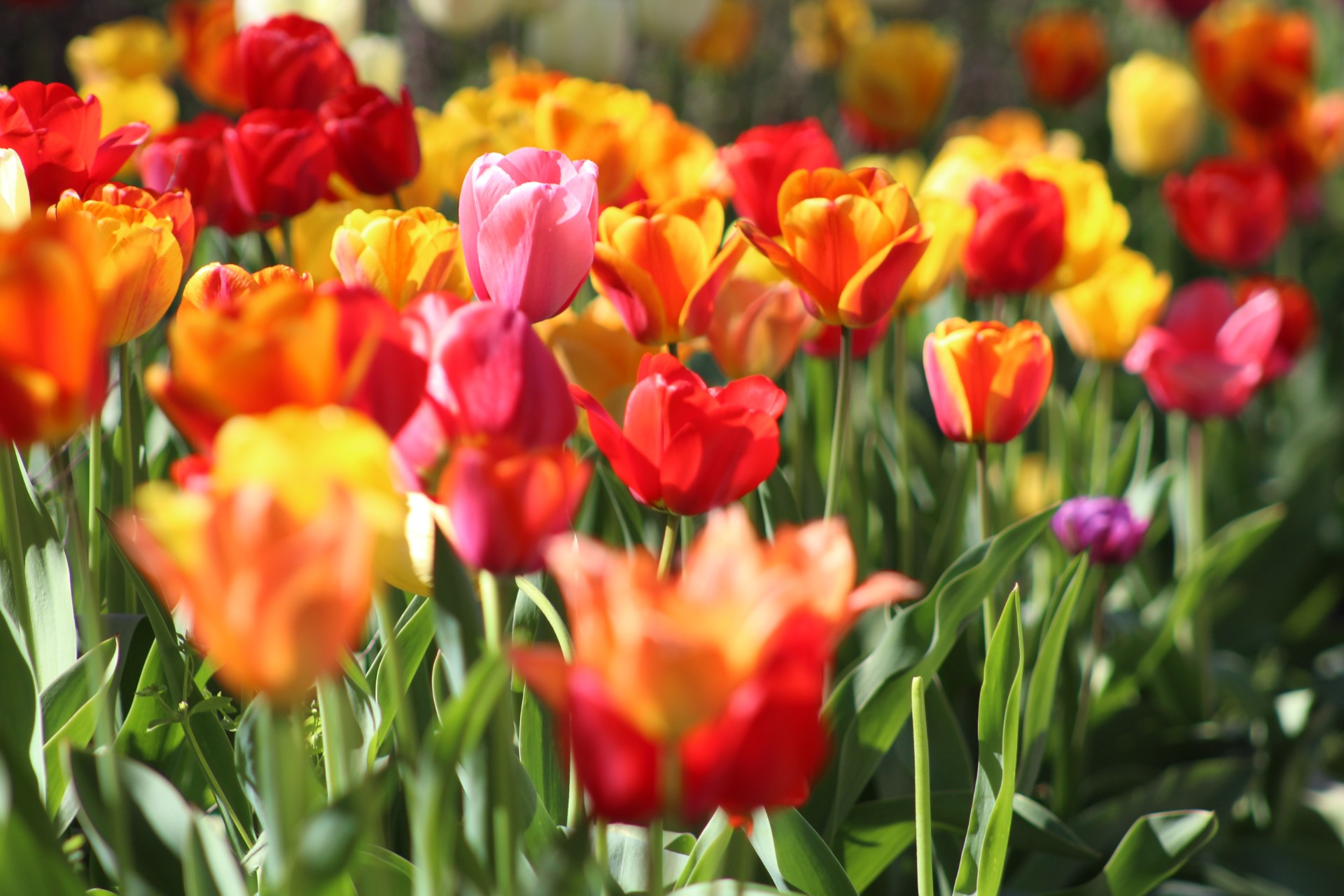
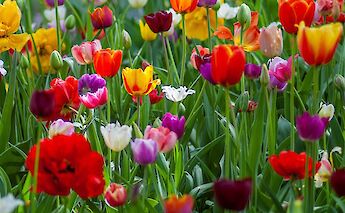
View the fantastic colors of Spring! Between April and mid-May. We offer special tulip bicycle tours in the Netherlands. The program is quite similar to the Southern Tour Relax, but in springtime, this tour will be centered around the Tulip theme and of course a visit to the "Keukenhof."
The tulip originated in Turkey. The tulip bulb reached The Netherlands at the end of the 16th century. The flower and bulb were thought to be so special that a lively trade arose quite quickly, and in 1634 there was one single bulb that was so expensive that a whole canal-side house in Amsterdam cost the equivalent. In 1637 the government took the speculation in hand and the bulbs dropped in price drastically. The bulb and flower became "normal."
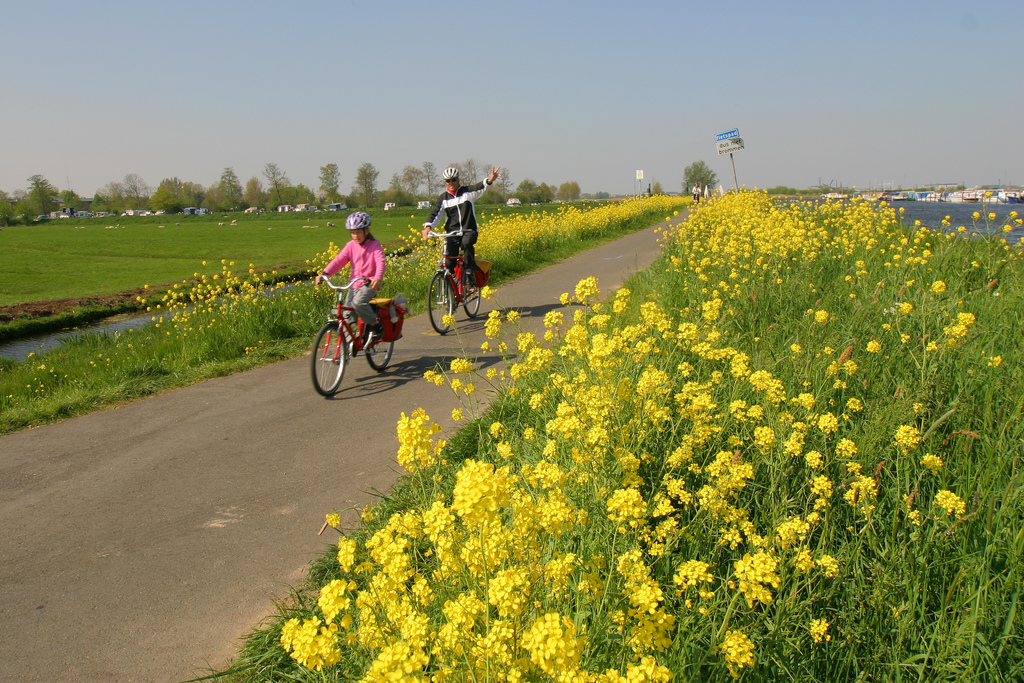
This route leads through vast fields of tulips between Leiden and Haarlem. From Leiden, it is simple to take the bus and spend a day at The Keukenhof- the world-famous, 32-hectare park, where you can admire the gorgeous fields with flowering bulbs in peace and quiet. At the end of the day, you'll catch the bus back to Leiden. The bus admission costs are included in the tour price.
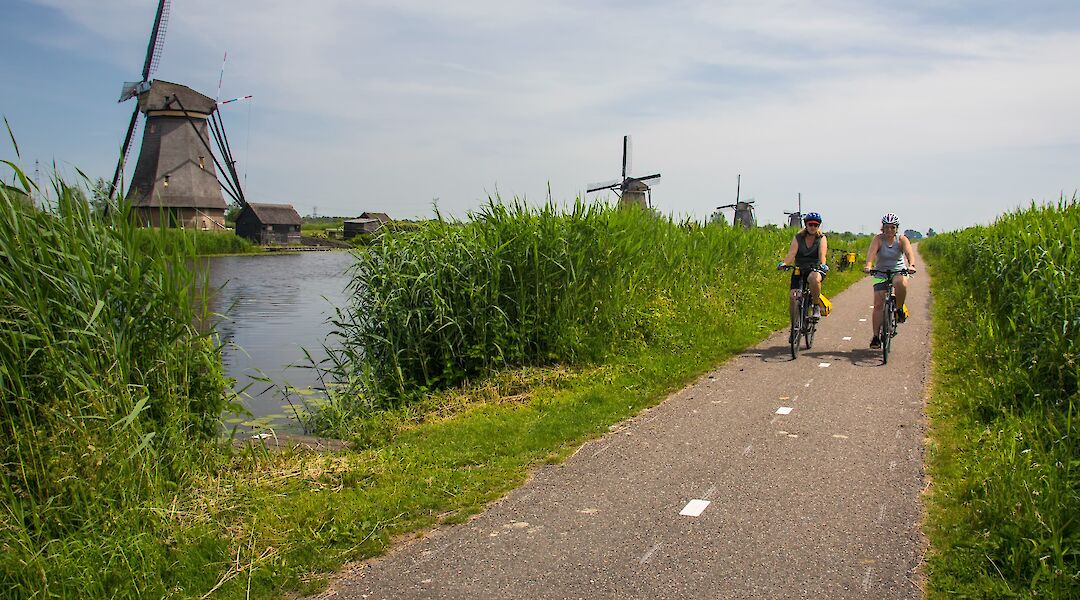
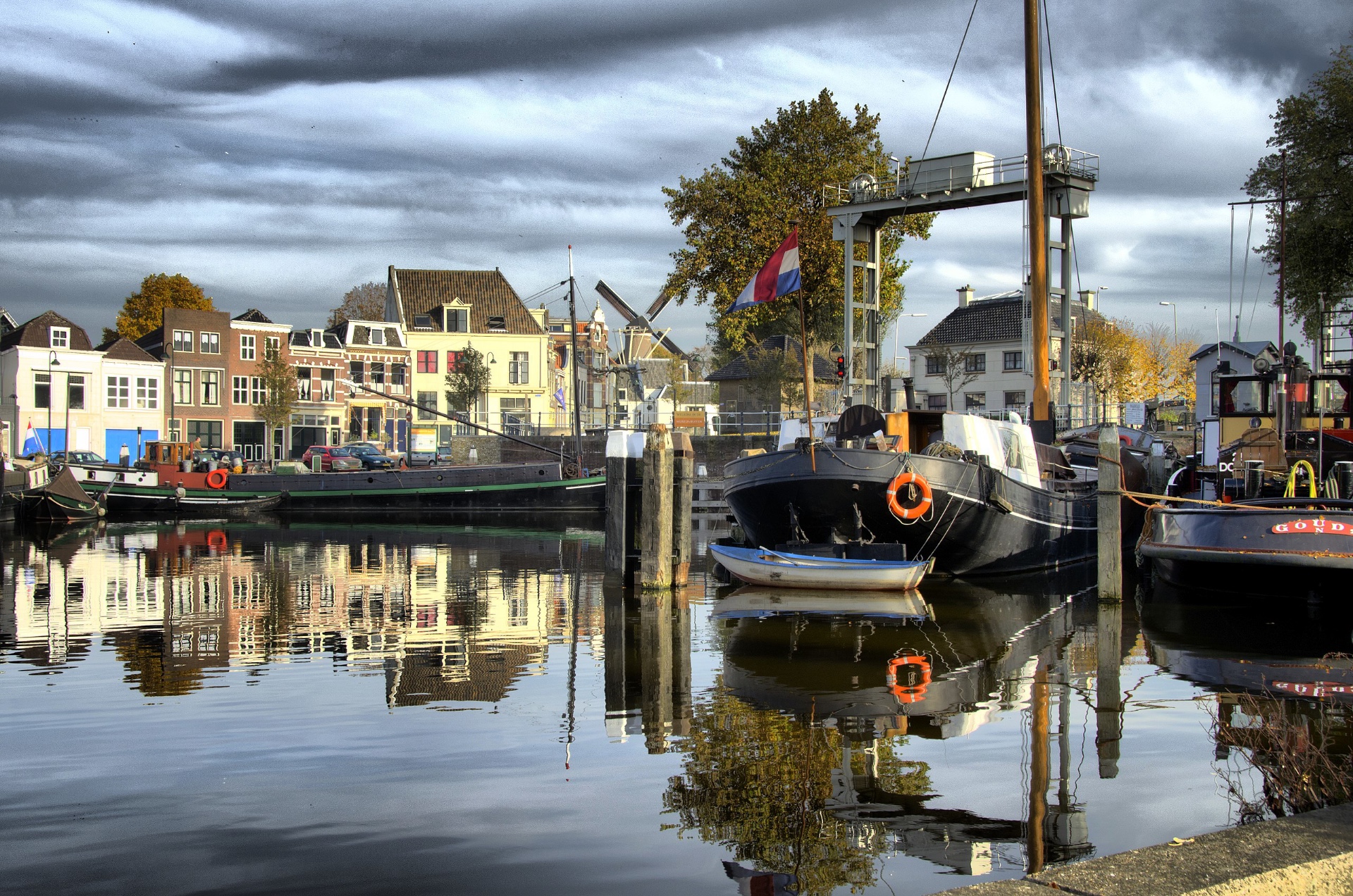
Apart from the beautiful flowers, you will also see the famous cheese city of Gouda, the 19 windmills of Kinderdijk (on the World Heritage List), the international port of Rotterdam, and the Residence The Hague.

Bucket list tour
“A delightful way to experience the Netherlands and see beautiful flowers along the way. We learned some of the history, architecture, and customs of the Dutch and enjoyed meeting…” Full Review
“A delightful way to experience the Netherlands and see beautiful flowers along the way. We learned some of the history, architecture, and customs of the Dutch and enjoyed meeting the people. We visited a windmill that has been steadily making paper since the 17th century! Our barge crew was terrific! Great food and friendly conversations. The bikes were in great condition and had been carefully fitted to our measurements before we arrived so we could get right to the riding.” Less
—Deb1505
A great trip!
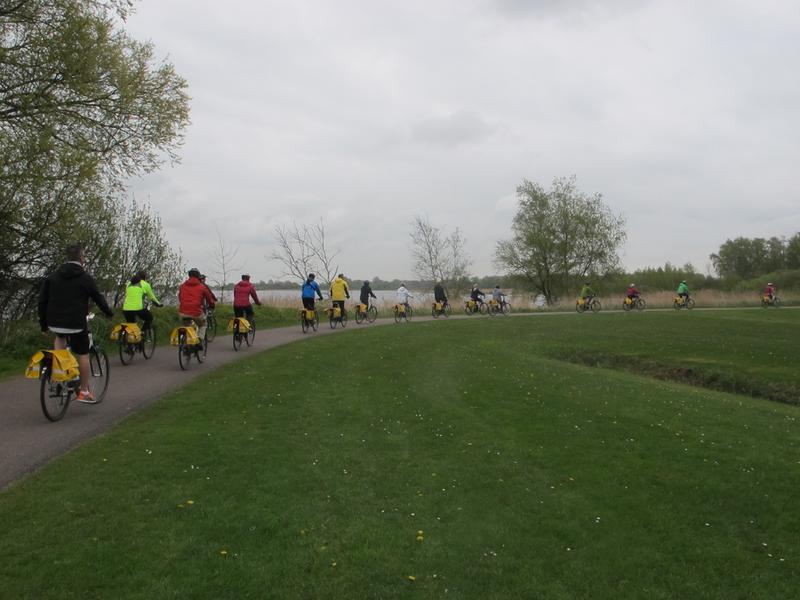
“The boat, the bike, the guide, captain, cook, crew and other riders were the BEST!”
—Patti_ME
Tremendous Tulip Tour!
“My husband and I enjoyed this tour beyond measure! The room on the barge, tho tiny, was functional and cozy. Our guide Burt was super cool and knowledgeable of the area. There was…” Full Review
“My husband and I enjoyed this tour beyond measure! The room on the barge, tho tiny, was functional and cozy. Our guide Burt was super cool and knowledgeable of the area. There was 26 riders, so perhaps a second guide would have been helpful, but it worked just fine with one. The scenery was unbelieveable and we LOVED seeing the tulips and riding through the bucolic countryside. Be sure to dress warm! My favorite pull was through the Dunes, otherworldly habitat for Holland. Every meal on the barge was delicious and the staff was friendly and helpful. If you like riding bikes and appreciate flowers, gardens, and bird life you will love this tour!” Less
—KarylC
Daily Program
You are expected on the barge on Thursday no later than 1:30pm, at which time the boat leaves its mooring place in Amsterdam. The barge cannot wait due to the opening hours of bridges and locks, so plan your arrival accordingly.
Day 1: Arrival and embarkation in Amsterdam – Oude Wetering
6 miles/10 km
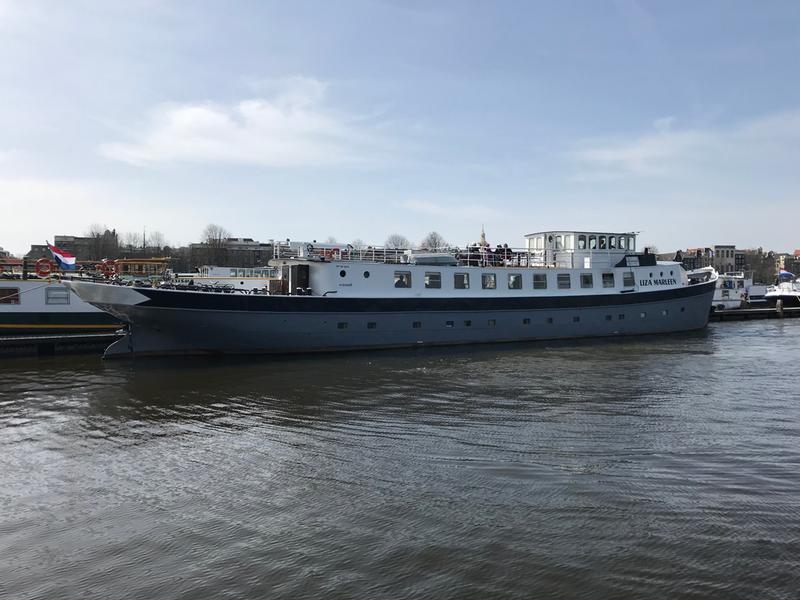
Embarkation is between 12:30 PM and 1:30 PM. The barge is moored at the Oosterdok in central Amsterdam, close to the train station. Upon arrival on board, you can settle in and enjoy a cup of coffee or tea. This is also a great opportunity to meet the tour leader, skipper, crew, and, of course, your fellow passengers.
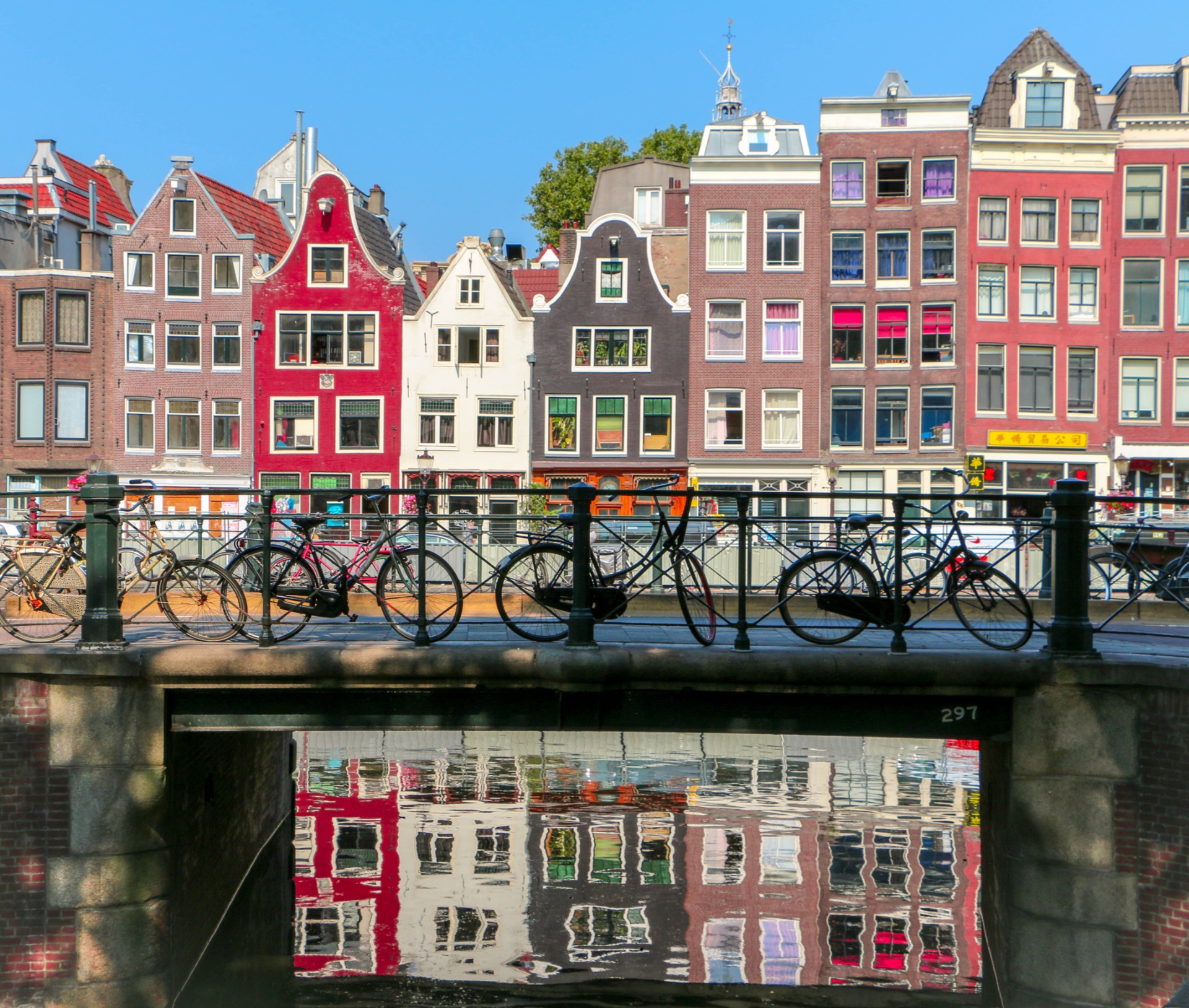
The journey begins with a cruise through Amsterdam before heading to the wetlands south of the city, arriving at today’s mooring place: the village of Oude Wetering. This relaxed start allows you to get accustomed to life on the barge.
During dinner on board, the program for the following day and the overall itinerary for the week will be discussed. Instructions on cycling and safety procedures will also be provided. After dinner, the tour leader will accompany you on the first few kilometers of your bike ride during a short tour around the village.Overnight near Oude Wetering
Day 2: Oude Wetering – Gouda
28 miles/45 km
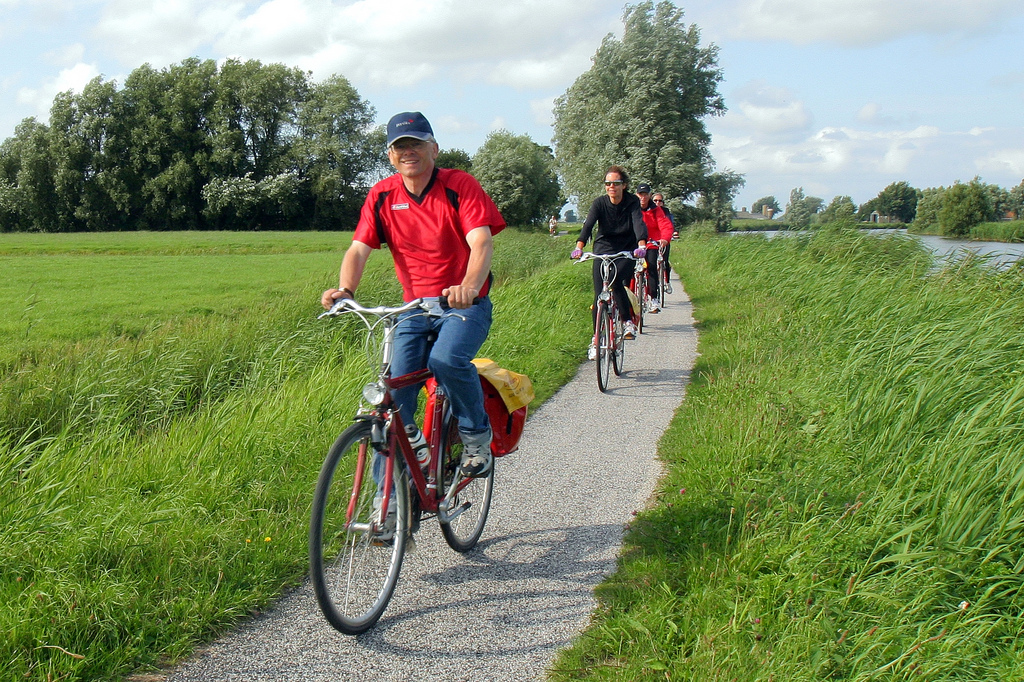
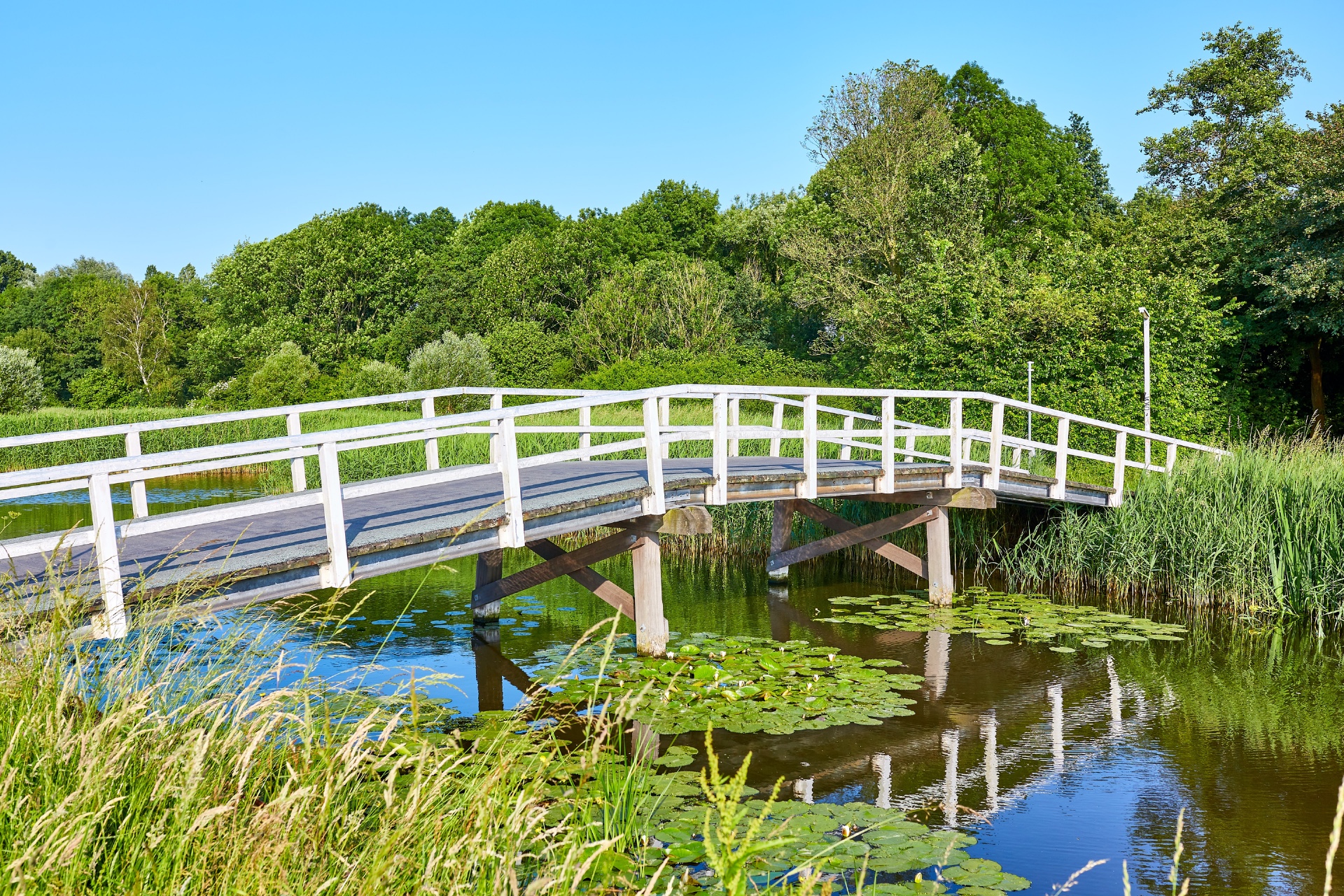
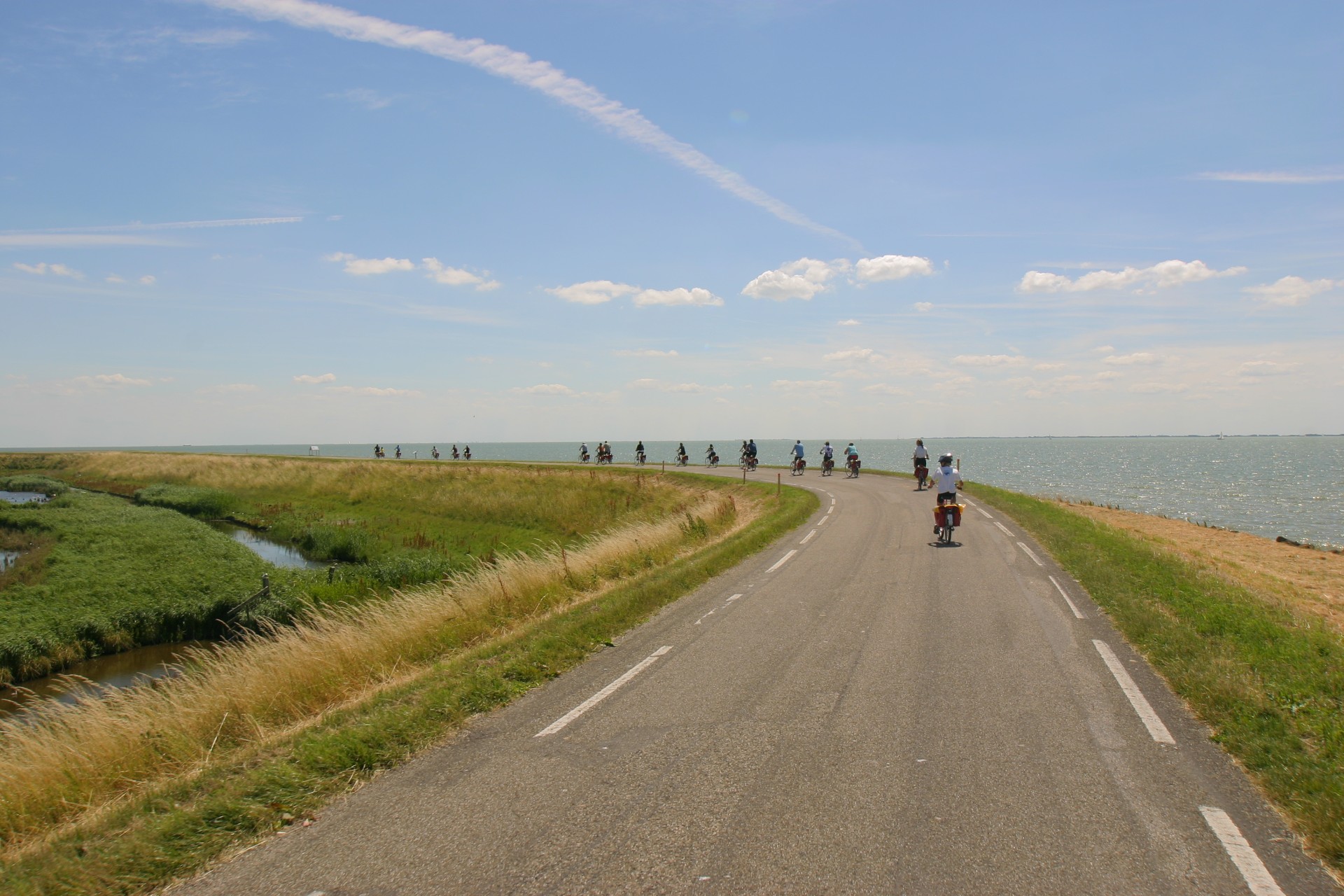
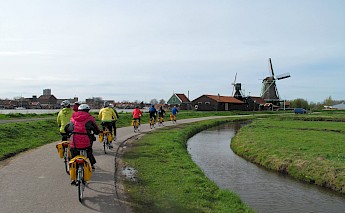
From Oude Wetering, you will continue your tour over country roads, banks and channels through the Green Heart and polders to the city known for its cheese: Gouda. Your ride takes you throguh a typical Dutch landscape, filled with green meadows, wetlands, cancals, rivers and small villages. You will cross waterways on small ferries and over bridges. Before reaching Gouda, you will ride through the Reeuwijkse Plassen, a nature reserve and renowned wetland.
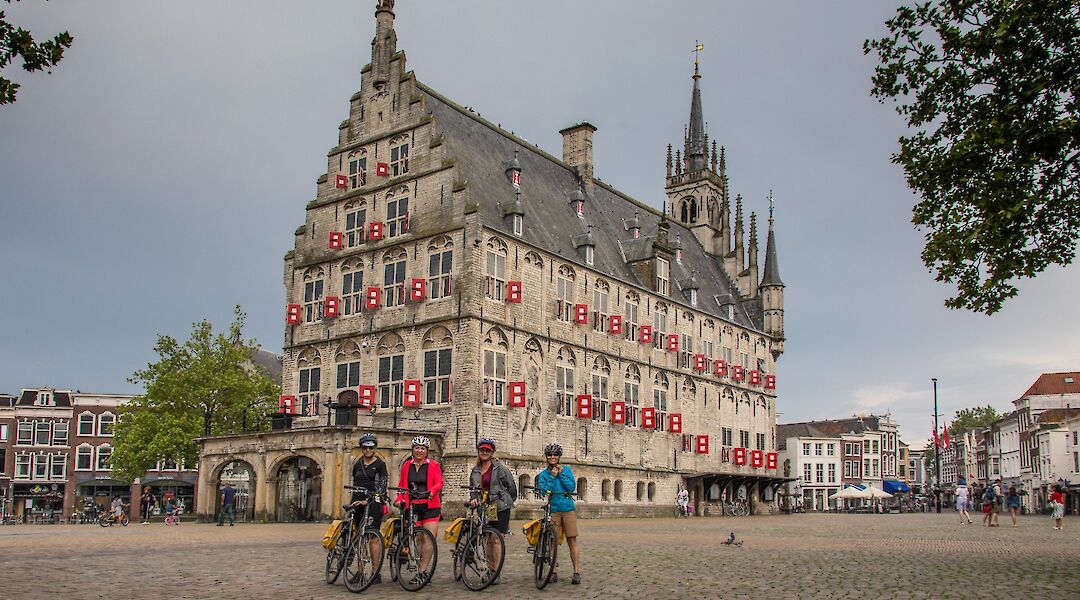
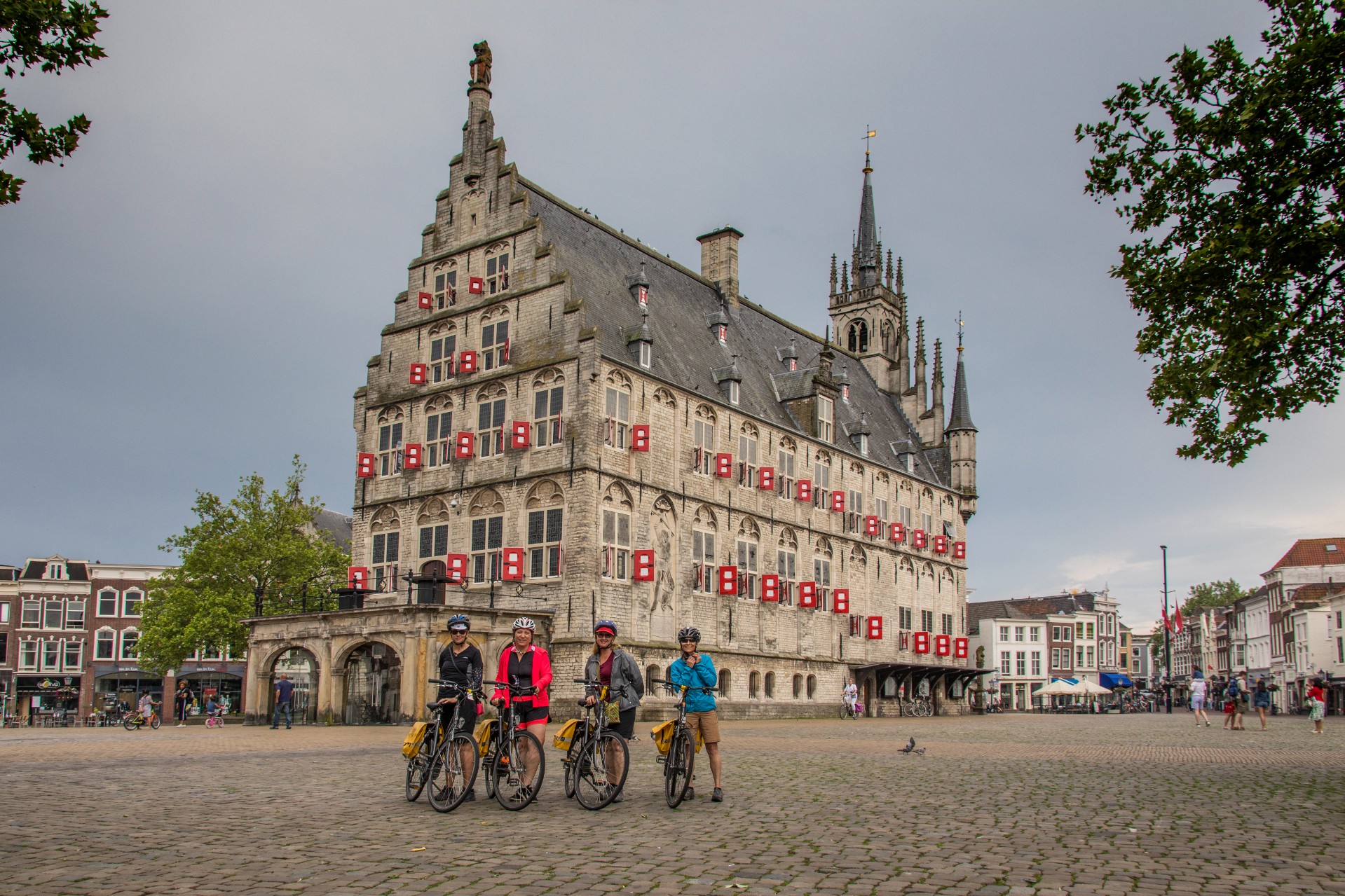
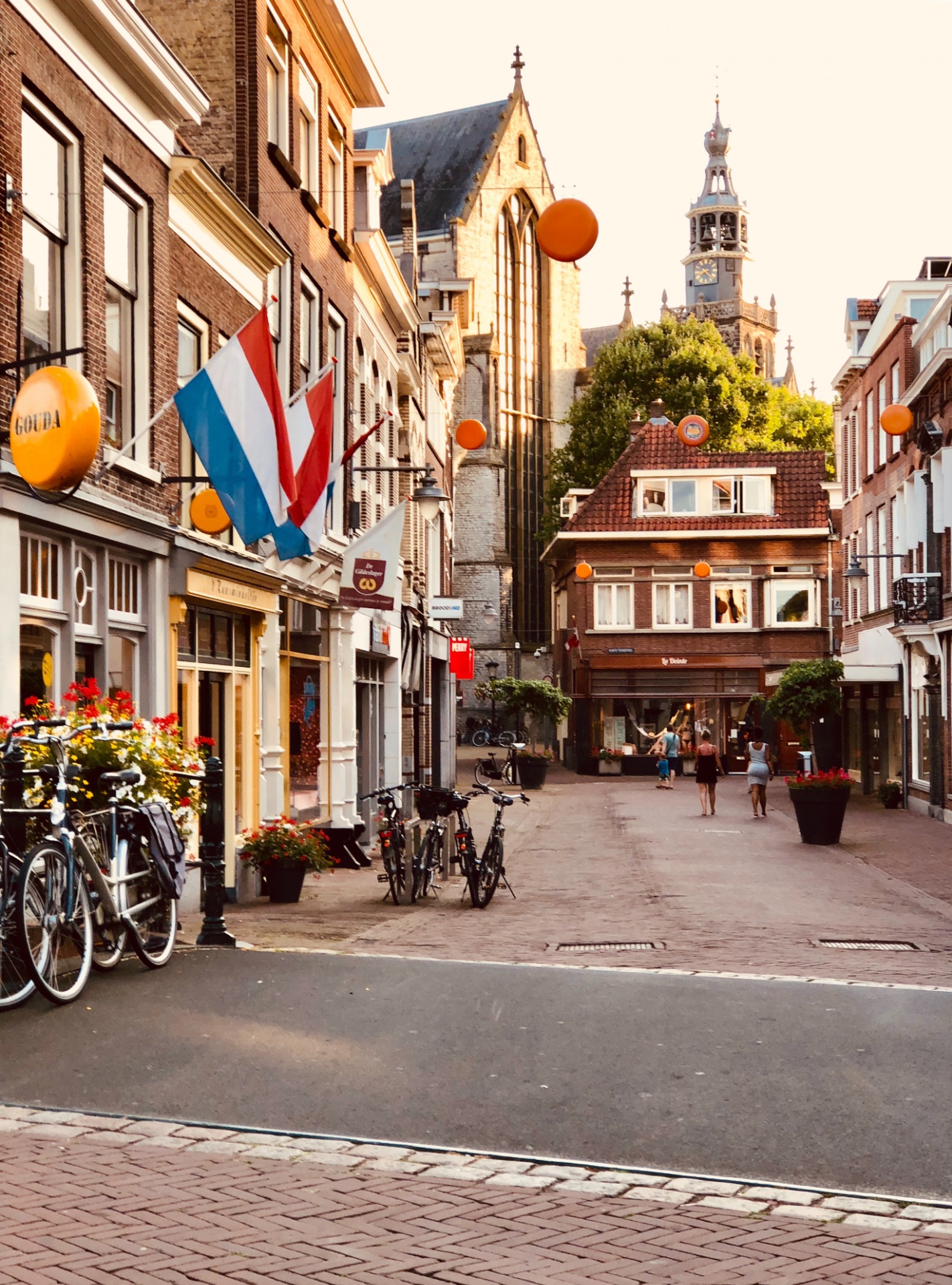
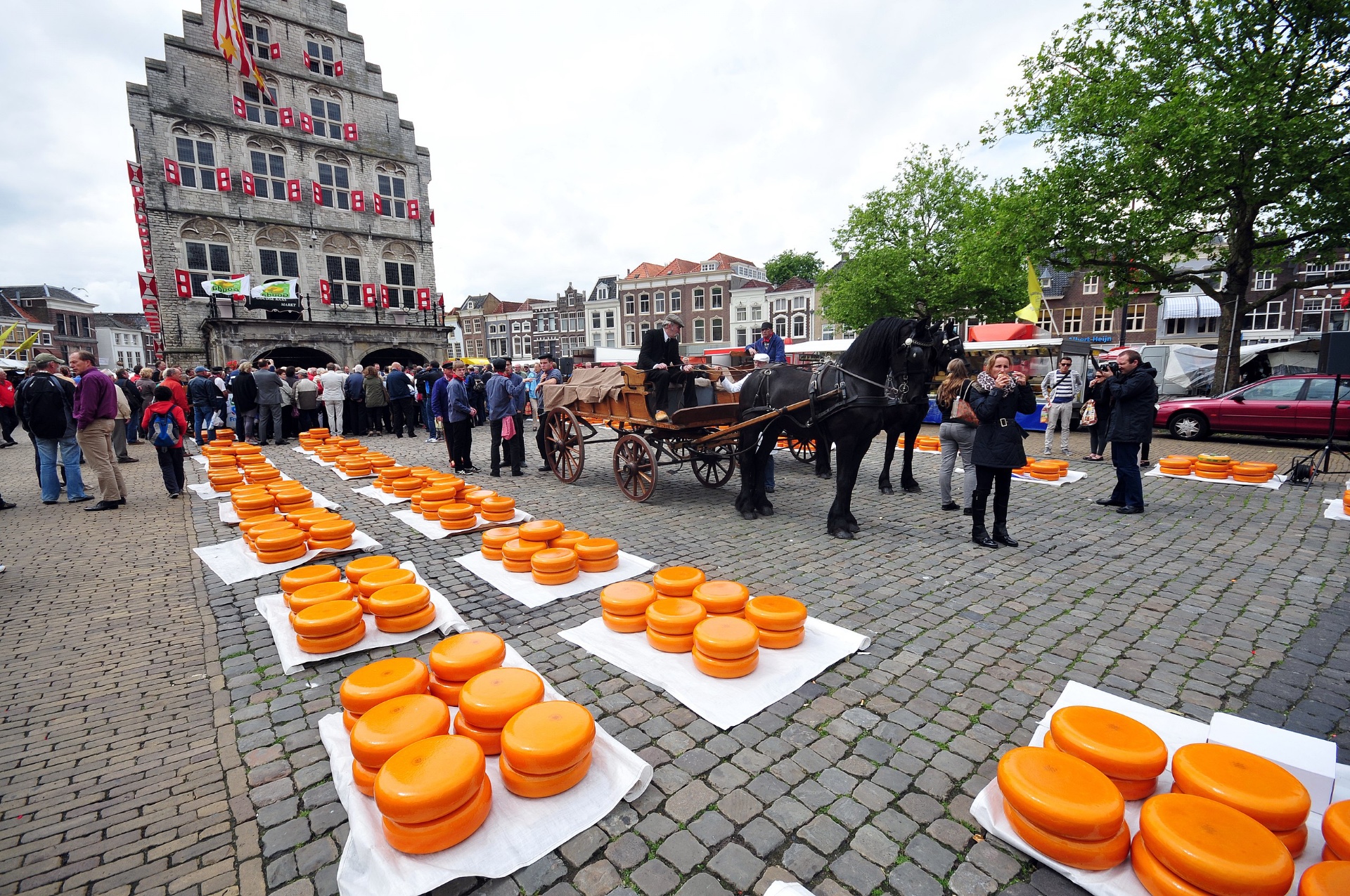
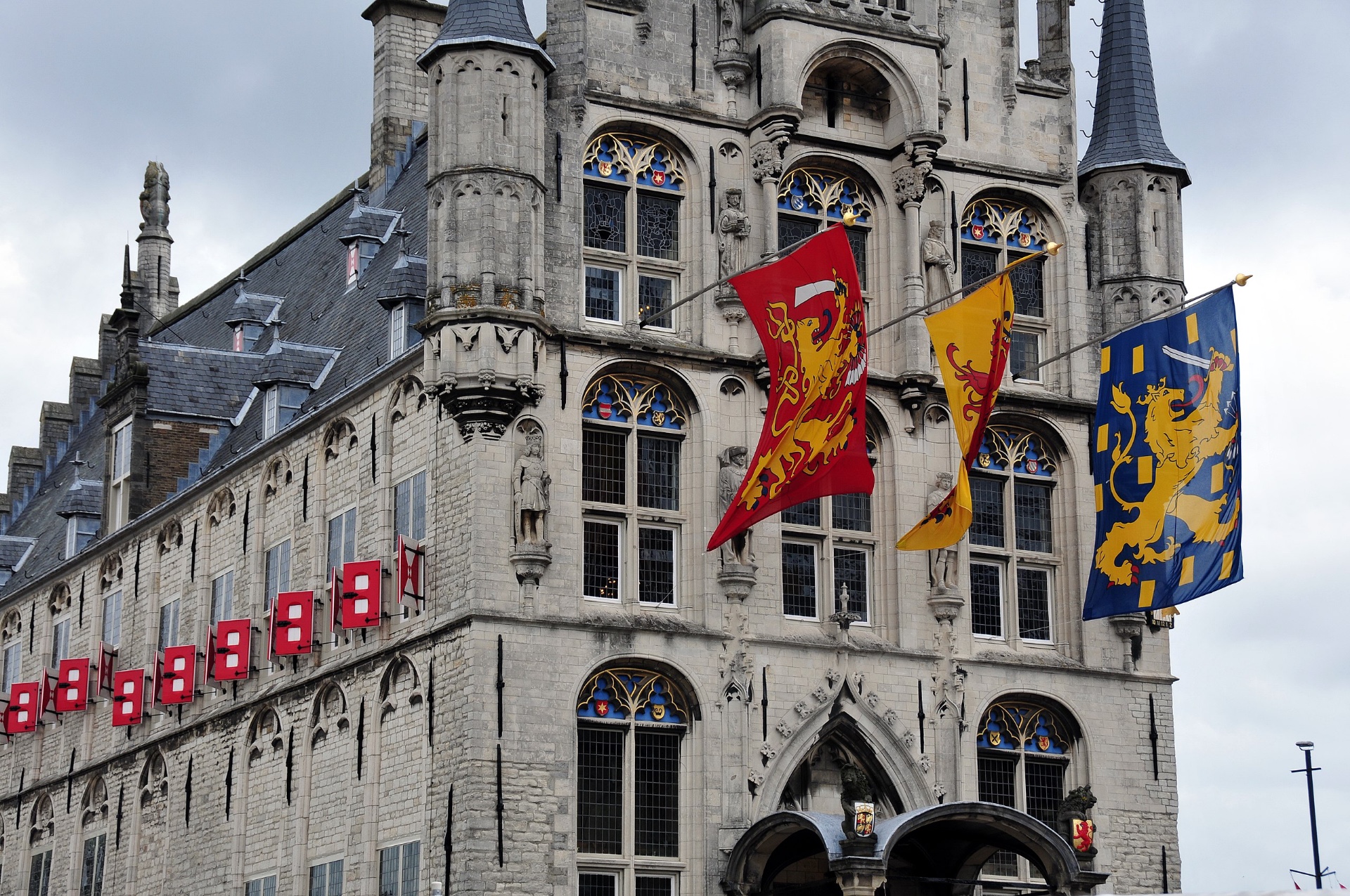
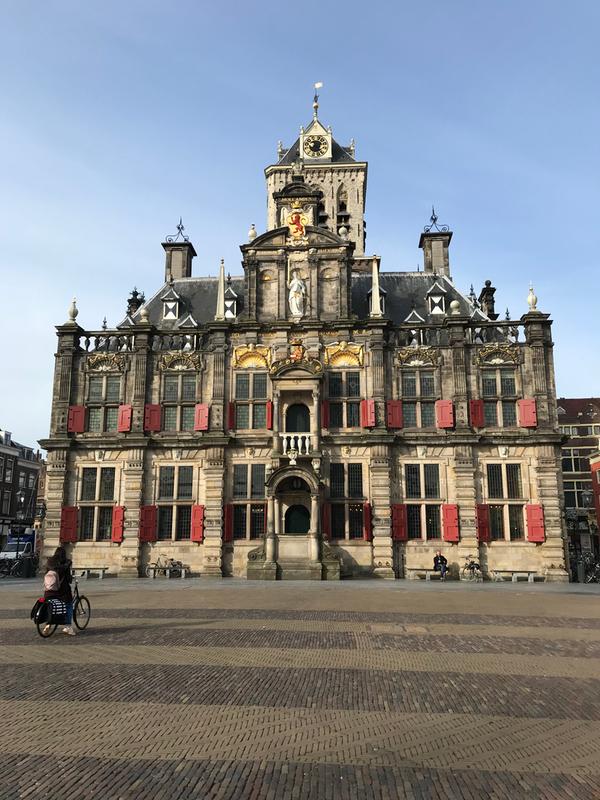
Whoever thinks of Gouda, thinks not only of cheese, pipes, stroopwafels (treacle-waffle) and pottery, but also of stained-glass windows, a fairytale-like town hall and atmospheric canals. Gouda is a beautiful Old-Dutch city with a mostly intact city center.
The "St. Janskerk", Gouda's 123-meter-long church, with its renowned "Goudse Glazen" (leaded light windows), the beautiful gothic town hall and the "Waag" (a building once used for weighing cheese) are absolutely worth a visit. Furthermore, one should not forget the Goudse Kaas- en Ambachtenmuseum (Museum of Cheese and Crafts), the Museum of Dutch Resistance, the "Weeshuisplein" (famous square), the Catharinatuin, patios around the city and the Museumhaven, a harbor where historical ships are moored. Today is Sunday, the day on which most Dutch take out their bikes for a ride.
As on most evenings, after dinner you will take a walk through the city.
Overnight near Gouda
Day 3: Gouda – Delft
25 miles/40 km
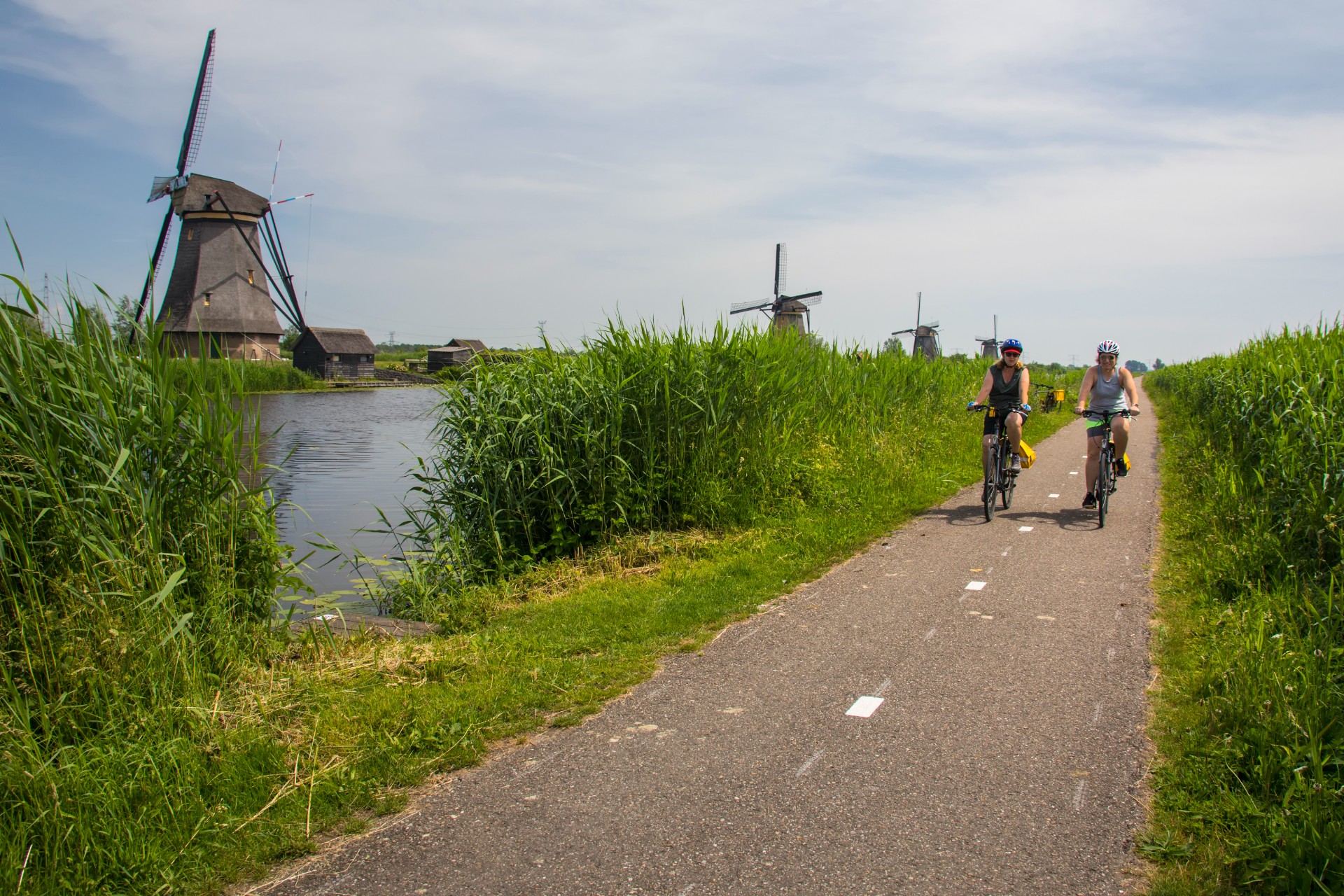
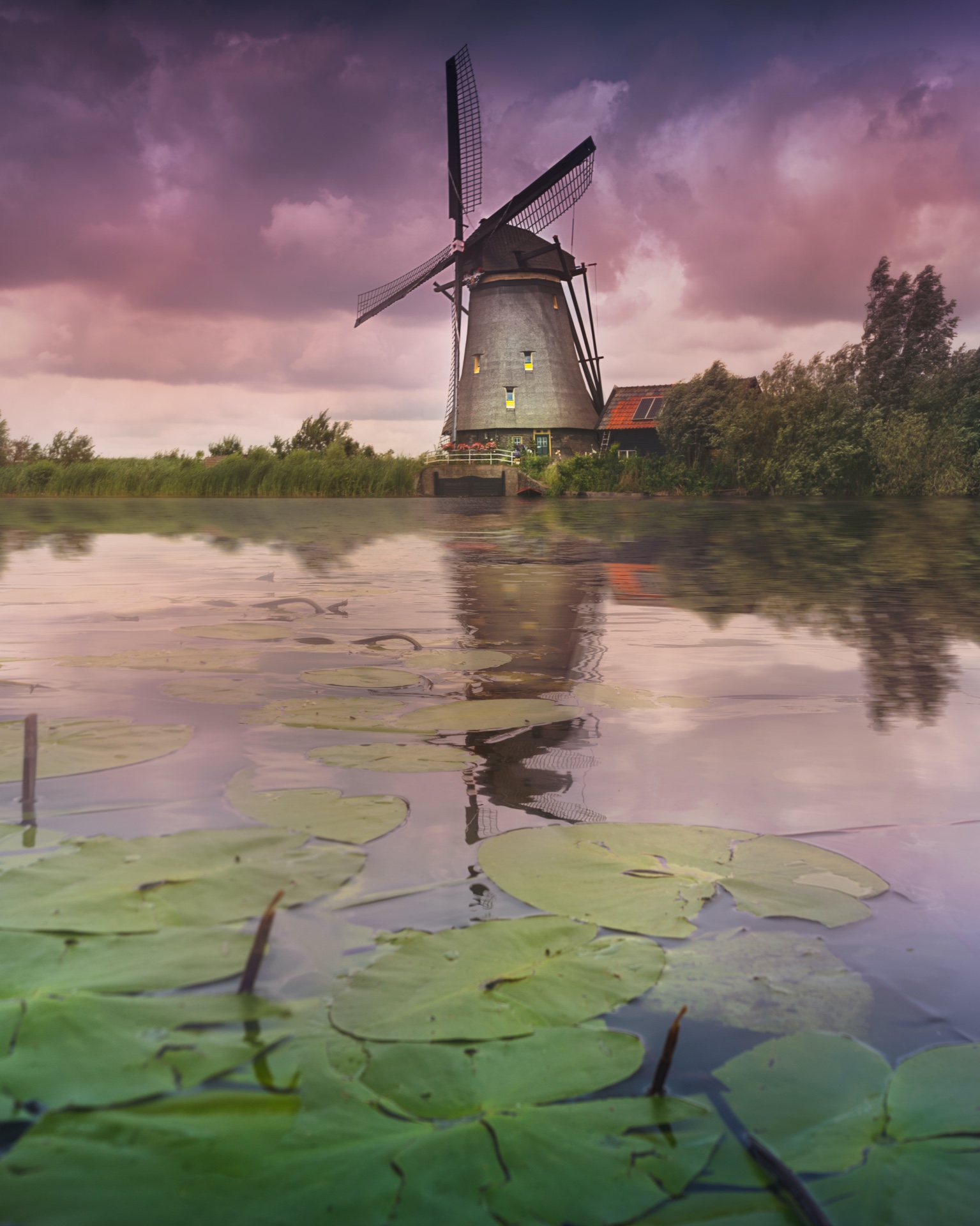
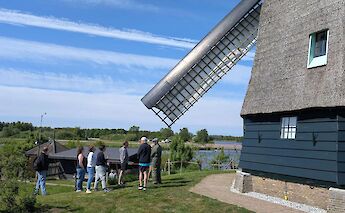
From Gouda, you cycle along easy and quiet country roads, passing scenic polders on your way to Rotterdam via Kinderdijk. Kinderdijk, a UNESCO World Heritage site, is home to the largest group of windmills in the Netherlands. The 19 windmills here are an impressive sight and were still in active use until 1950. Today, a large pumping station manages the water levels in the polder, but you can still visit one of the windmills from the inside—an impressive example of centuries-old engineering that remains functional.
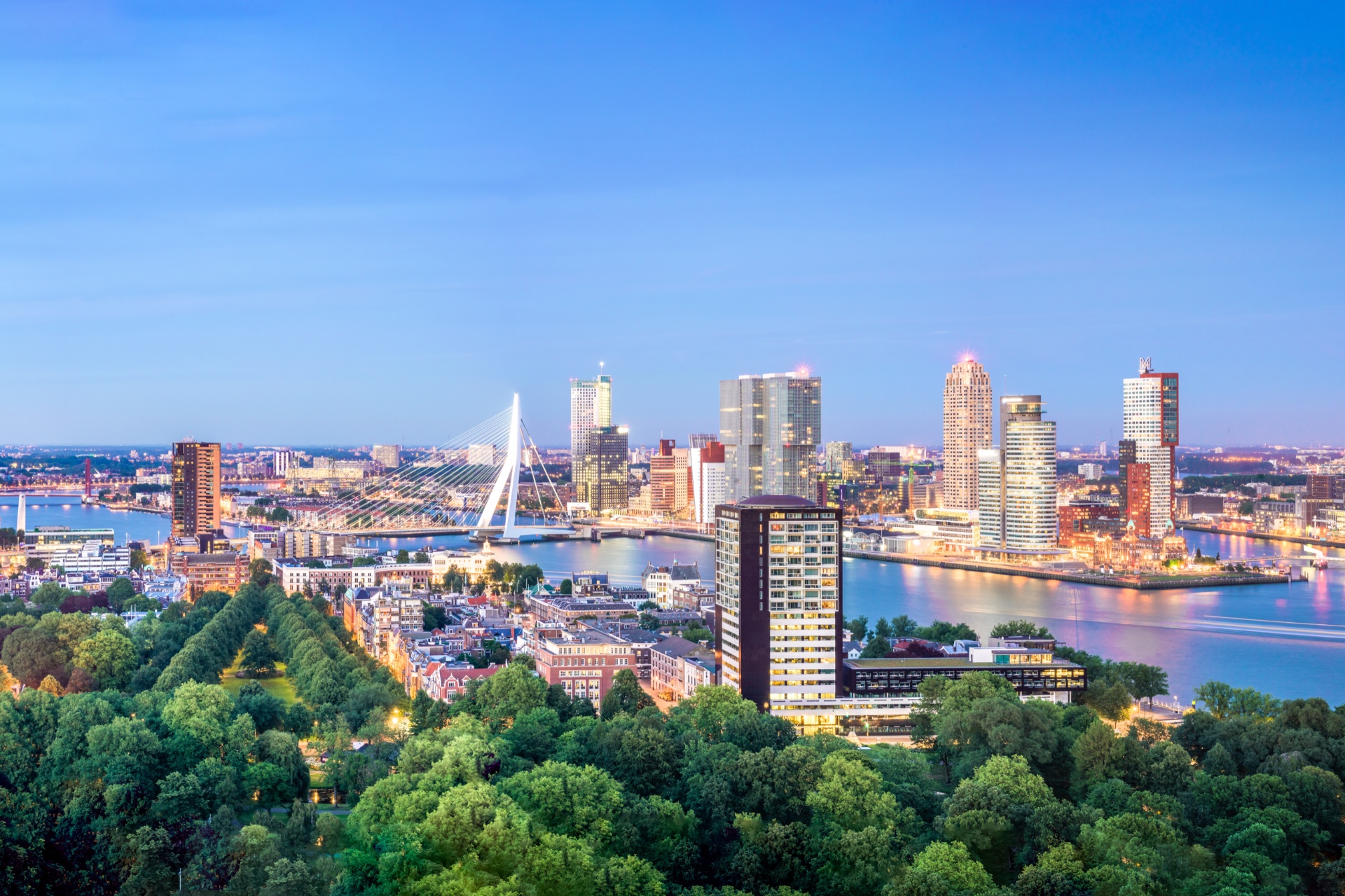
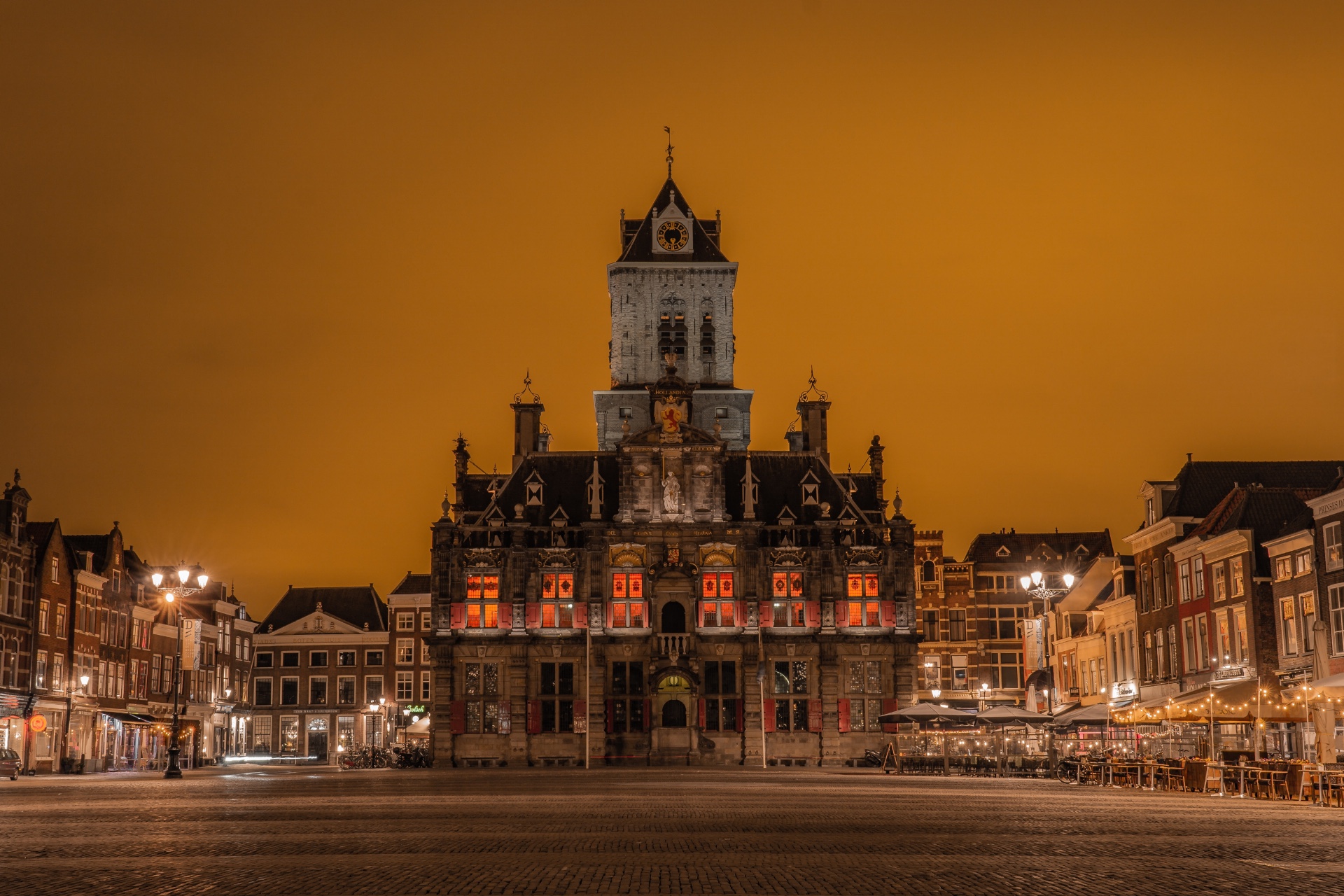
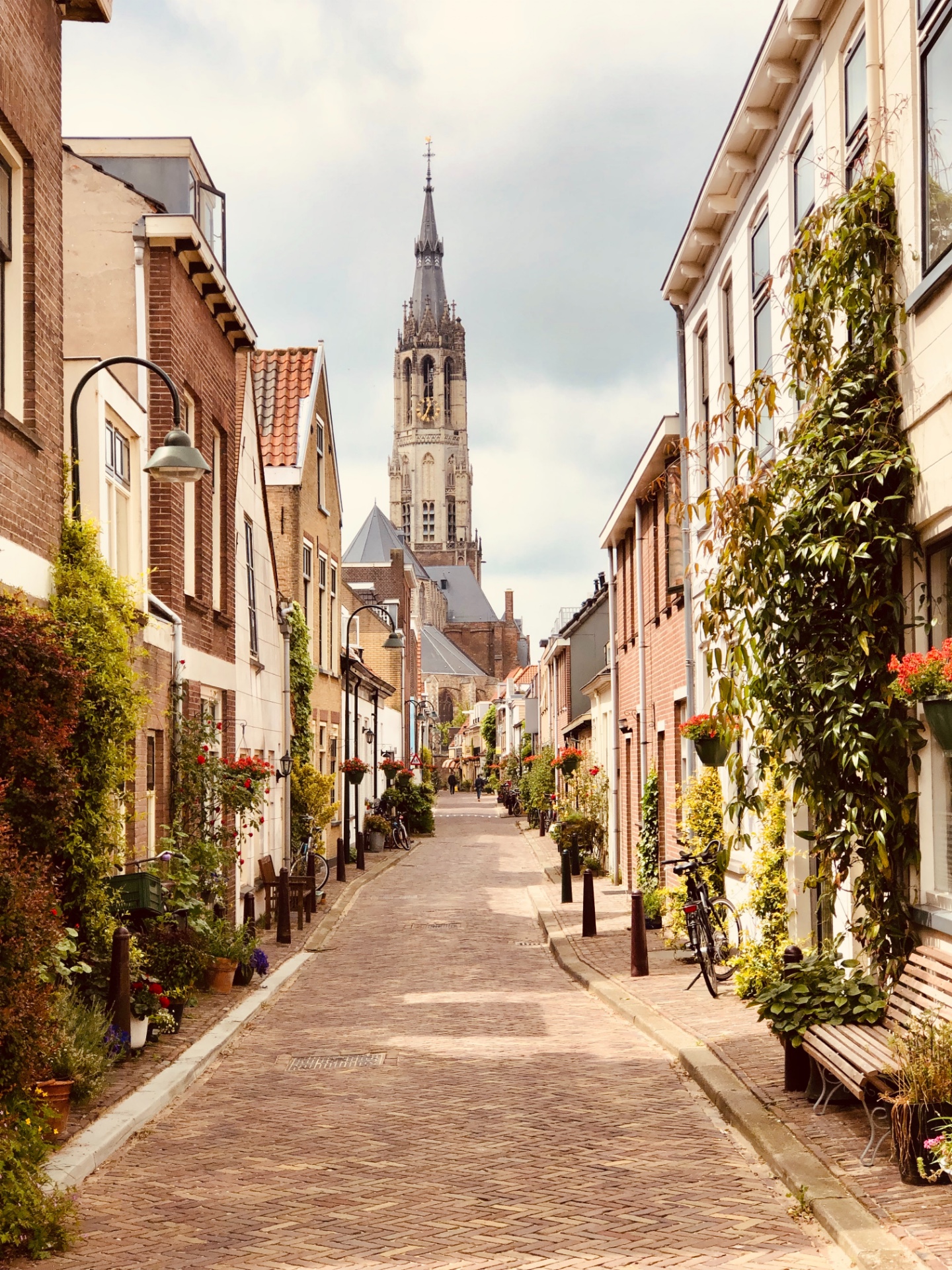
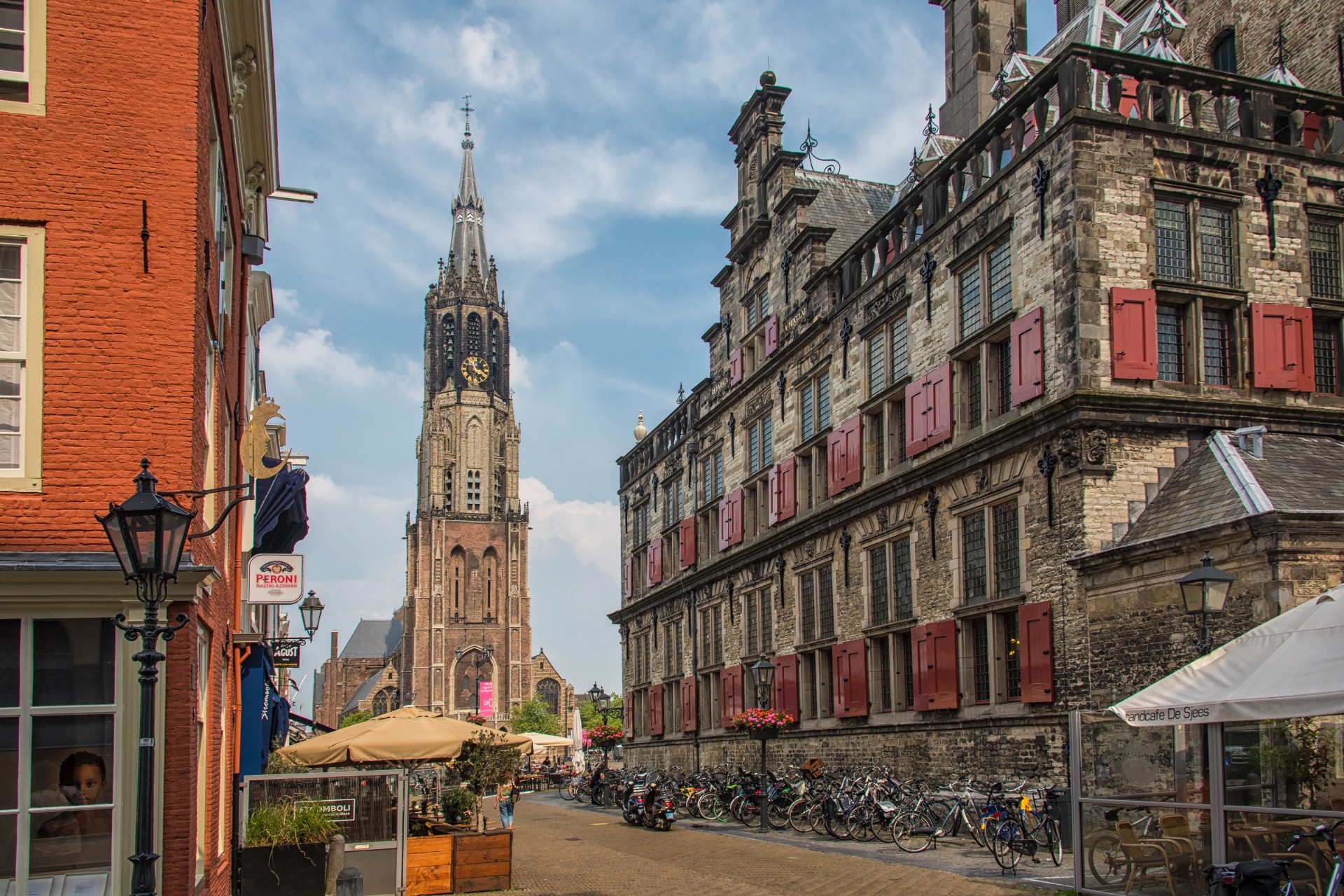
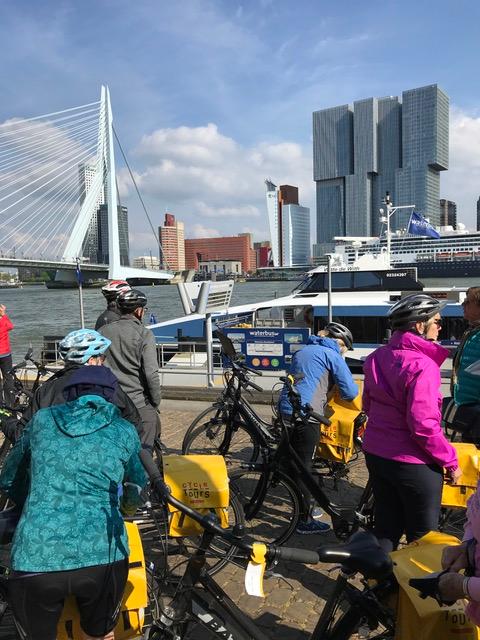
From Kinderdijk, you take a ferry to Rotterdam, where the barge awaits. From there, the barge takes you to Delft, the town famous for its iconic “Delft Blue” pottery. The Prinsenhof Museum is located in the former St. Agatha’s monastery. In 1572, William of Orange chose the convent as one of his residences. It was from here that he led the revolt against Spanish rule in Holland. On July 10, 1584, he was assassinated on the steps of the Prinsenhof by Balthazar Gerards, a Spanish sympathizer. Two bullet holes in the wall of the stairs still bear witness to this historic event.
Overnight near Delft
Day 4: Delft – Katwijk – Leiden
22 miles or 30 miles/36 km or 48km
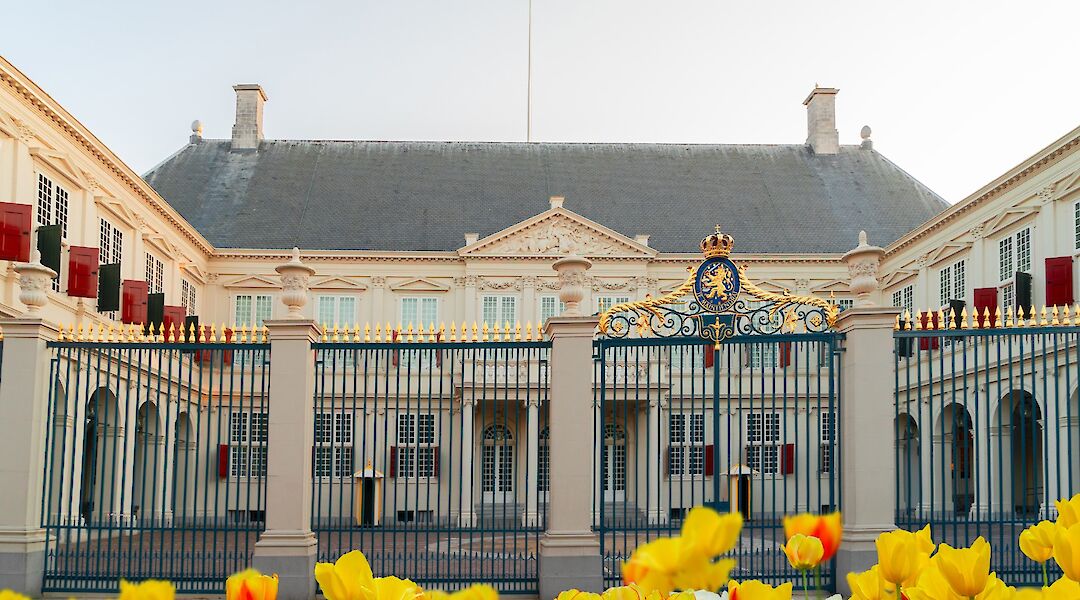
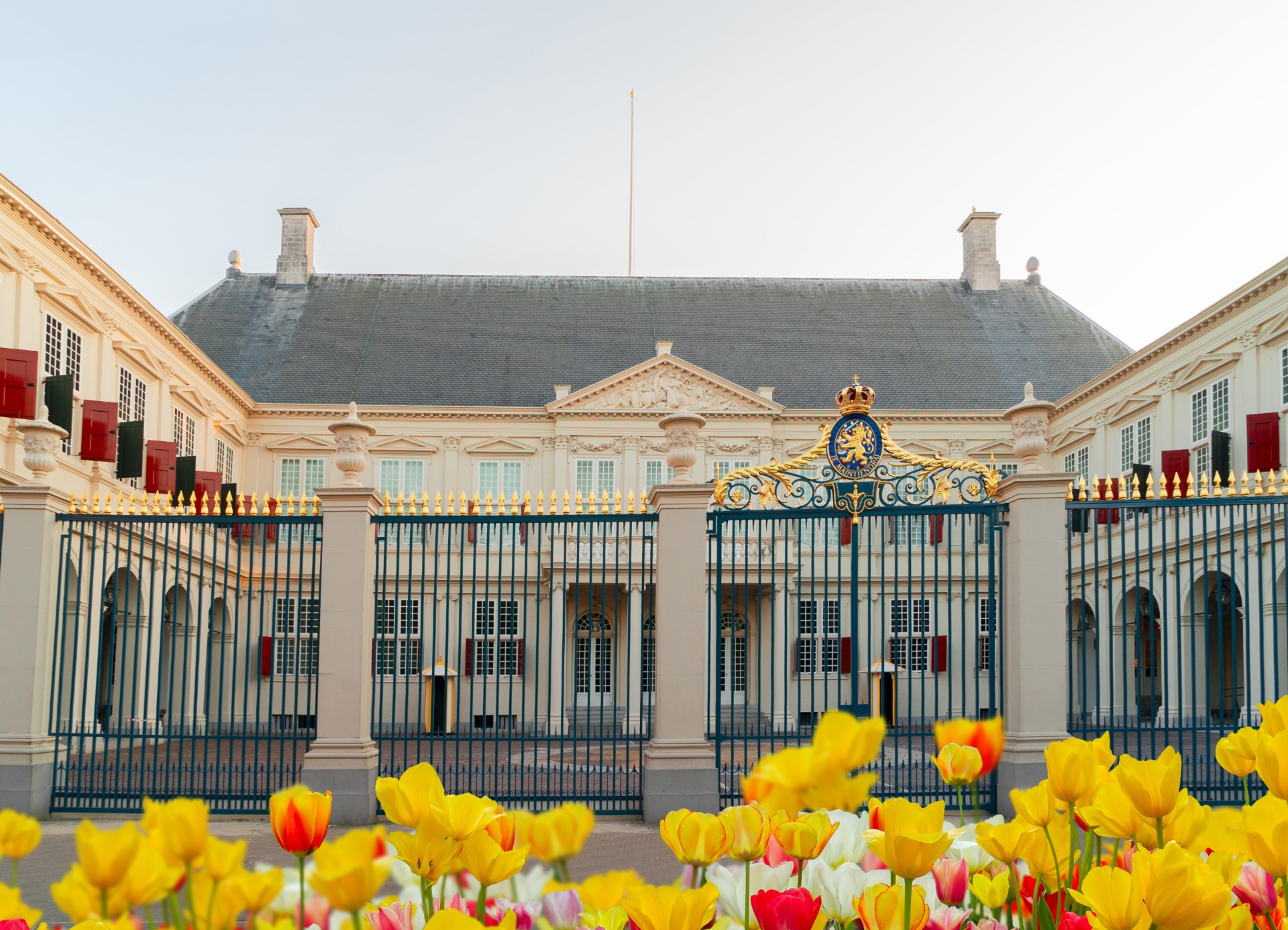
From Delft you cycle in the direction of The Hague, where you may visit the Binnenhof with the houses of parliament, the royal palace of of Noordeinde and the Vredespaleis (Peace Palace). You will continue through the Haagse Bosch, a large park, and past the other royal palace, Huis ten Bosch.
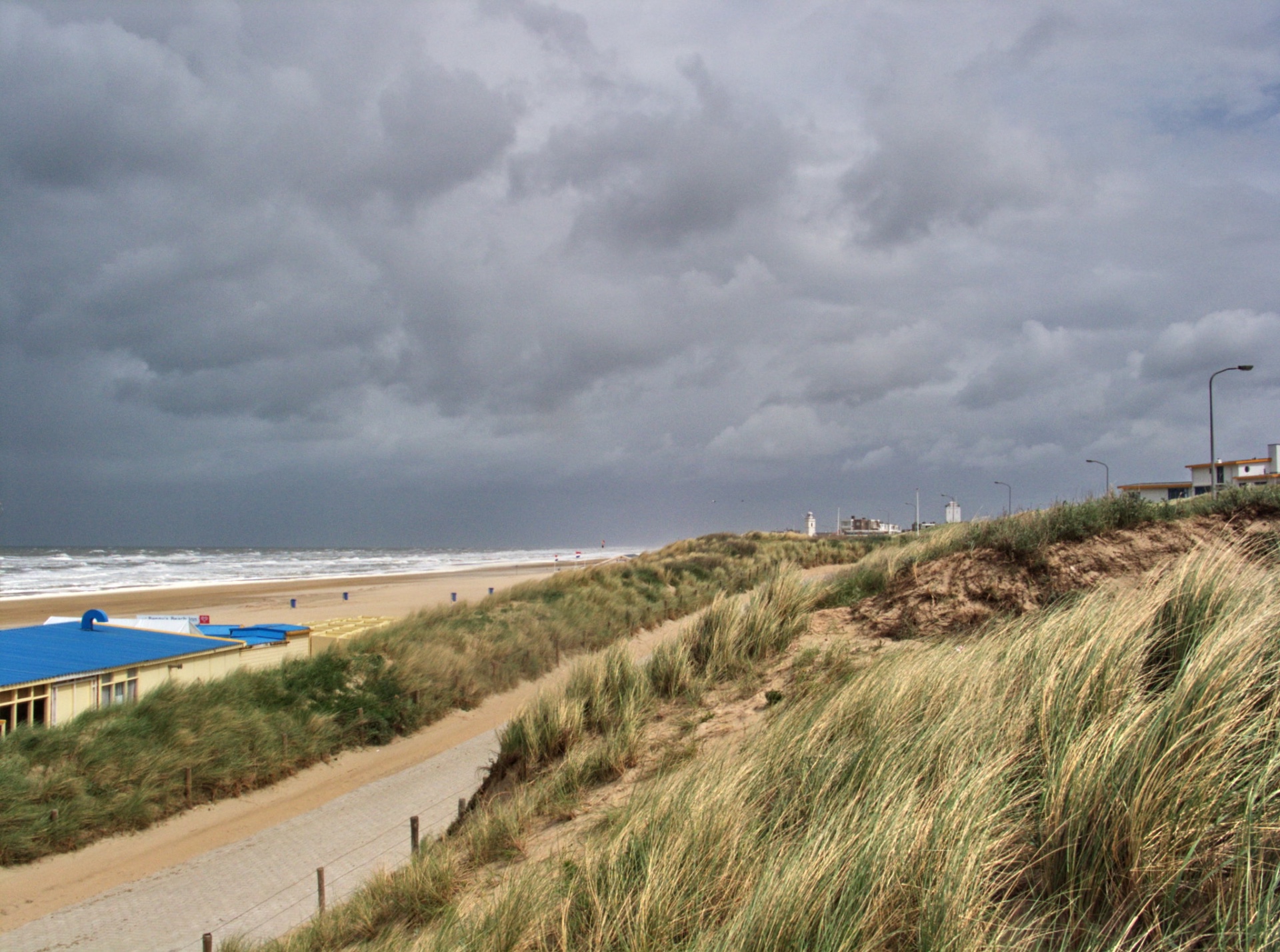
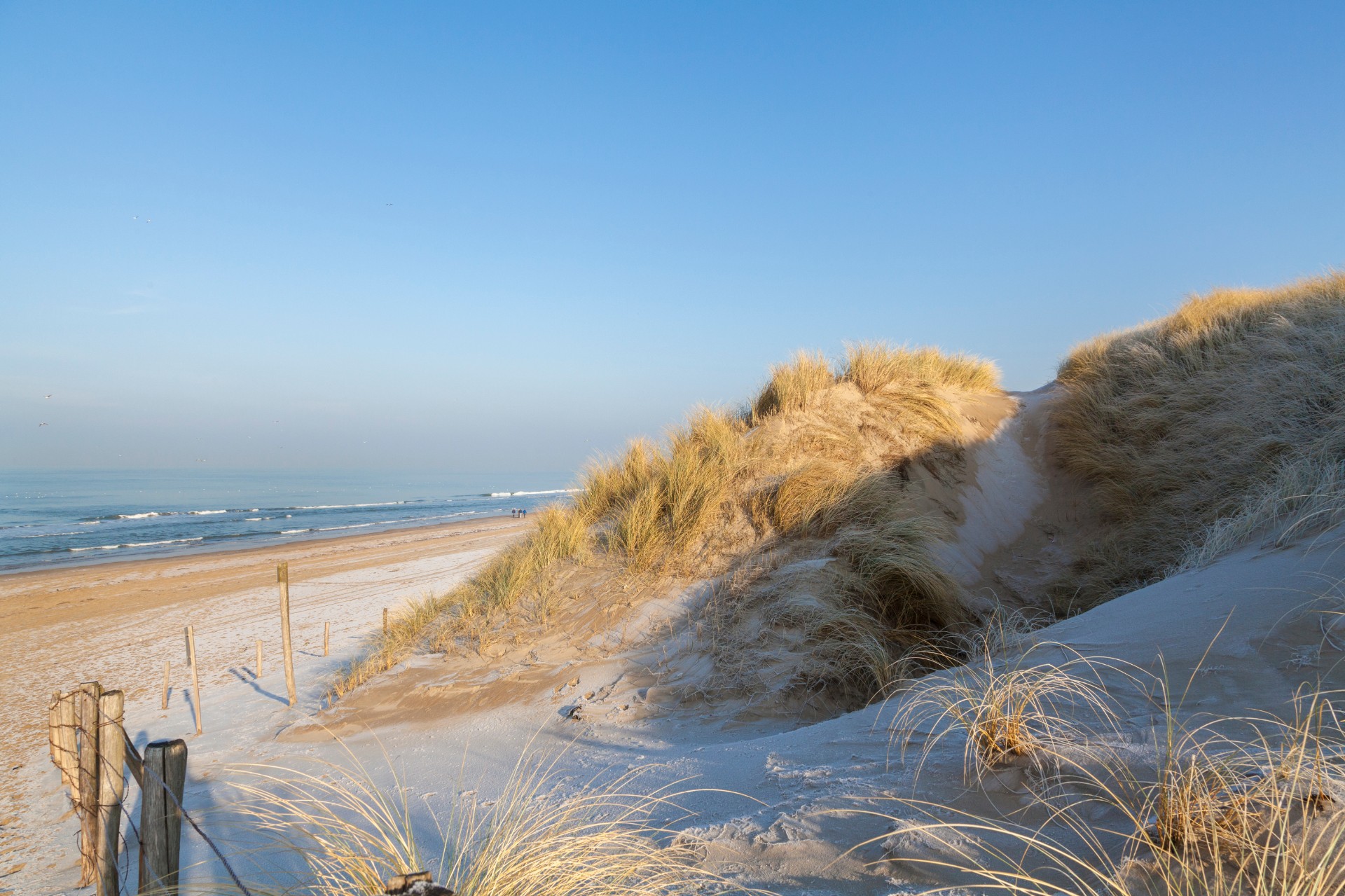
A tranquil cycle path through the dunes leads you to Wassenaarse Slag. Here, some remains of the Atlantikwall can still be seen. Five bunkers are connected by nearly 3,000-foot-long brick tunnels. Now the underground network serves as a bat reserve. The Atlantikwall was a 1,700-mile defense line, running from Norway via Denmark, Germany, the Netherlands, Belgium and France to the border with Spain. This defense line, which was never completed, consisted of bunkers, canons and minefields. At some places the bunkers are still there, such as in Zandvoort, Scheveningen, Oostende (Belgium) and Normandy (France).
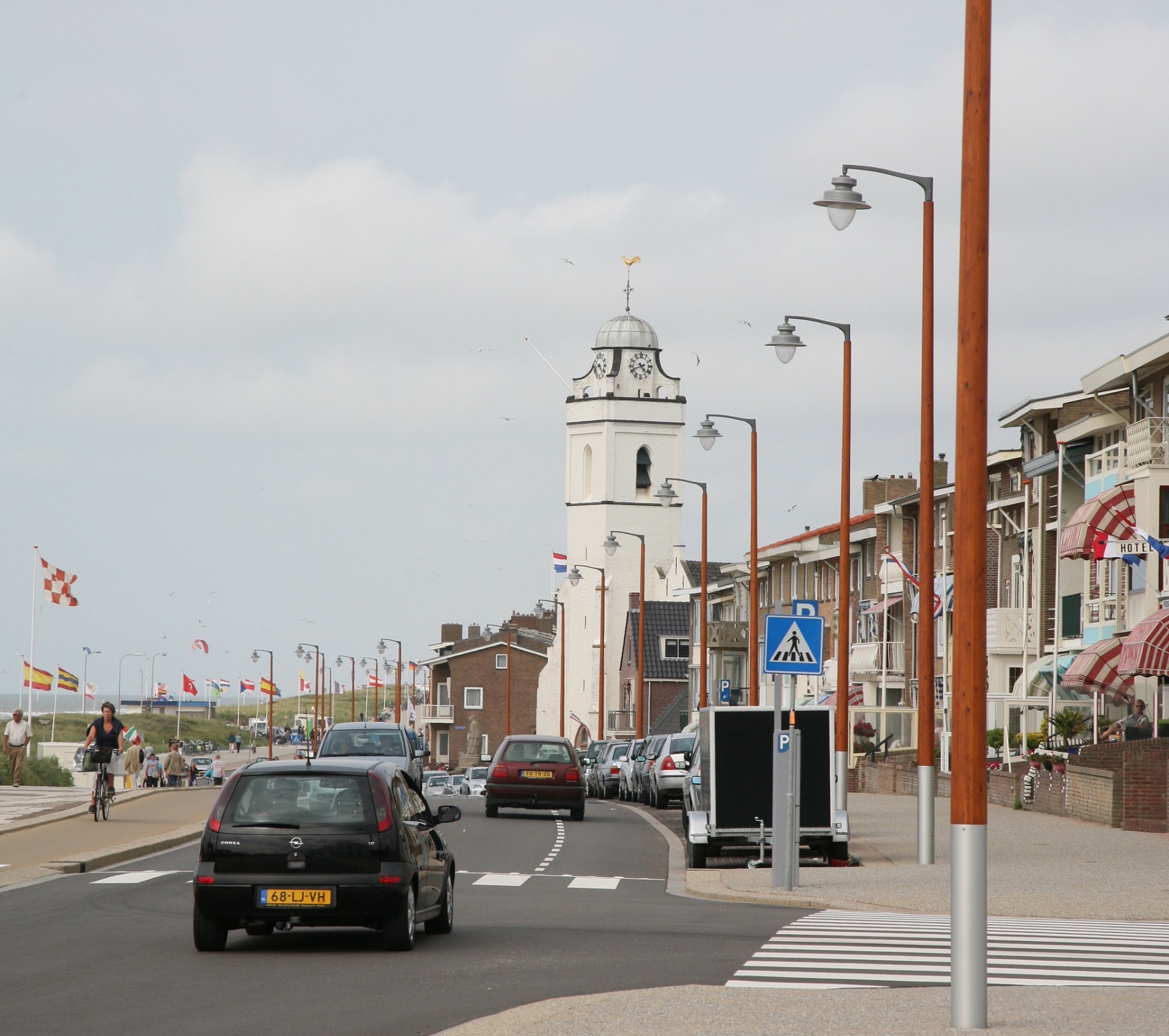
Continue through the dunes, to Katwijk aan Zee, an old fishing village. The old inhabitants of Katwijk still speak their own dialect, 'Kattuks'.
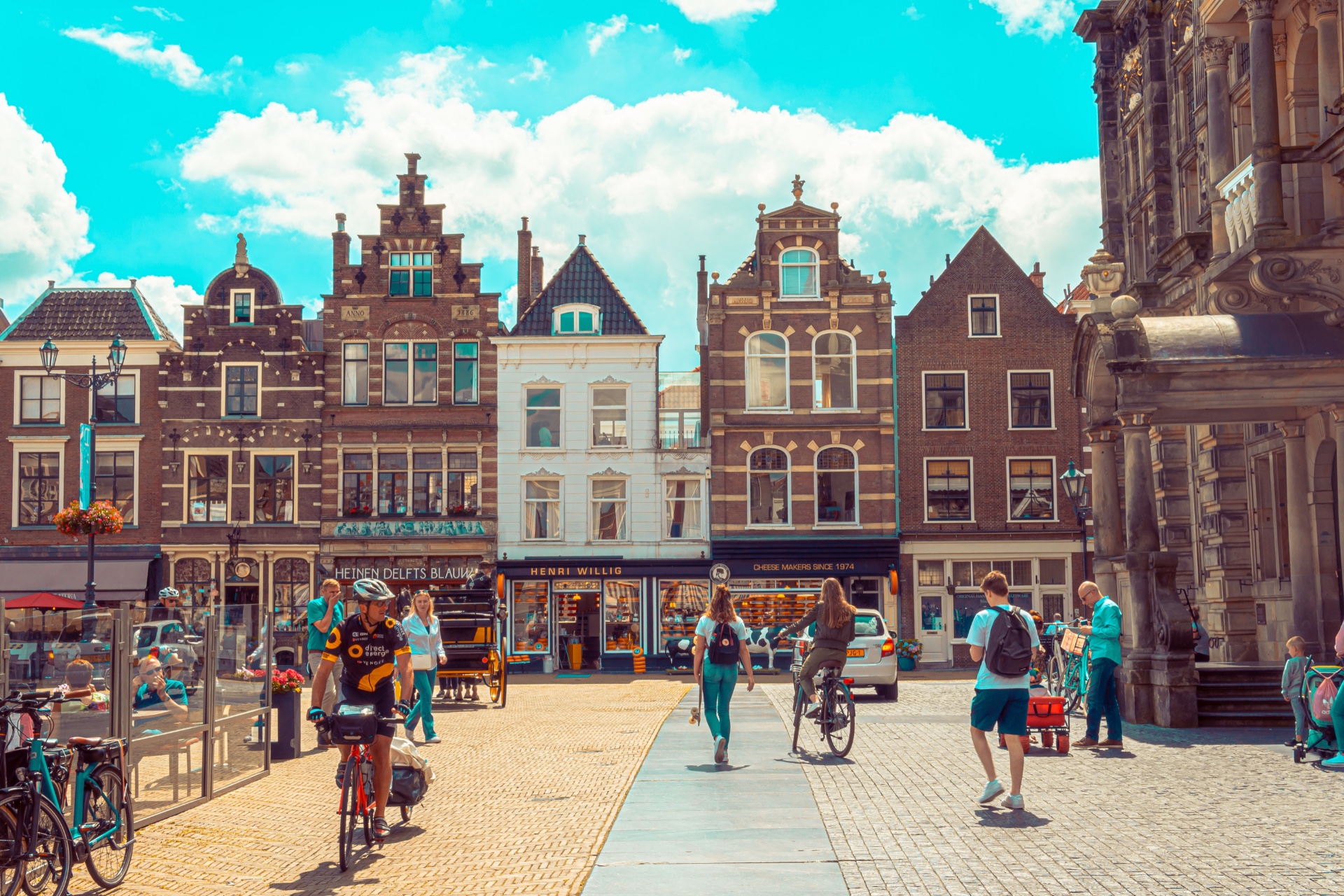
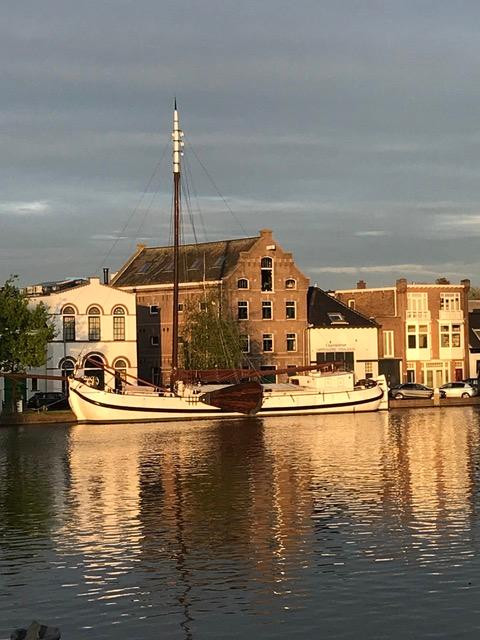
Following the course of the Oude Rijn (Old Rhine) river, you cycle on to Leiden. Leiden originated around 800 AD as a market place at the confluence of the Old and New Rhine rivers, the Vliet River and the Mare ("Leyten" means "at the waters"). For a long time it was considered to be the second city after Amsterdam. It was the center of the textile industry in medieval times. A well-known episode from the history of Leiden is the siege of 1574 by the Spanish. These were finally driven away after dikes had been broken through and a Watergeuzen (see Rotterdam) fleet had come to help. The relief of Leiden is still celebrated every year on October 3rd. In 1575 Leiden was given the right to establish a university as a reward for the courage shown during the siege. It is also the birthplace of Rembrandt (van Rijn!).
Leiden boasts 14 museums, including the Rijksmuseum for Anthropology with many priceless foreign objects, the Municipal Museum (Lakenhal, 1640) including works by Dou, Steen, Rembrandt and Van Goyen, the Rijksmuseum of Antiquities with Egyptian antiquities. The Hortus Botanicus (Botanical Garden), a 400-year-old garden with innumerable exotic plants and trees, is certainly worth seeing. In the centre of town you can go shopping or enjoy sitting on an outdoor terrace on the water's edge.
The ship is moored near the Zijlpoort, a gate that once formed part of the city walls. You have an option of a shorter route leading you inland after 'Huis den Bosch' and brings you along the recreational lake 'Vlietlanden' to Leiden.
Overnight near Leiden
Day 5: Leiden – visit to Keukenhof by public transport
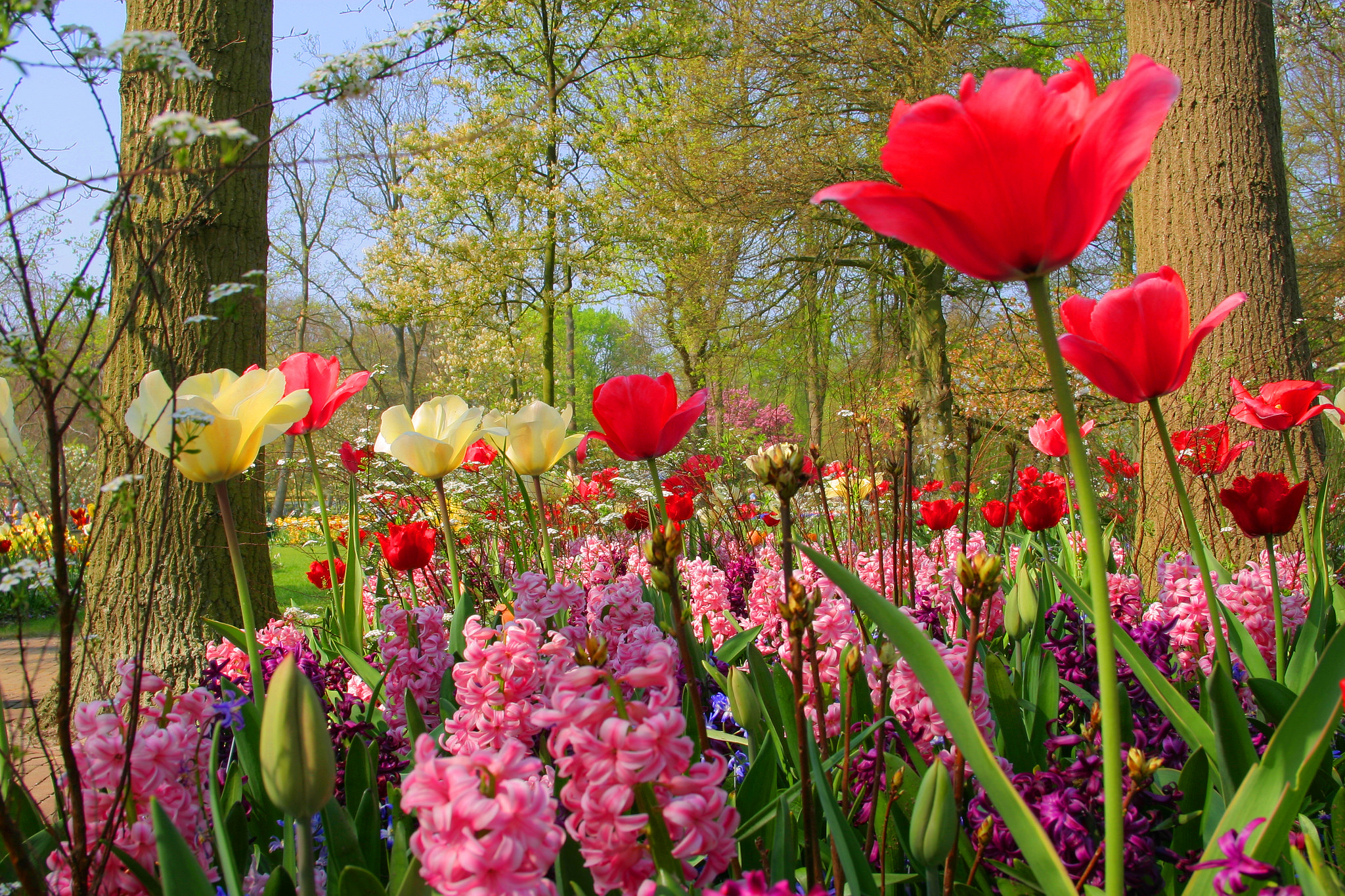
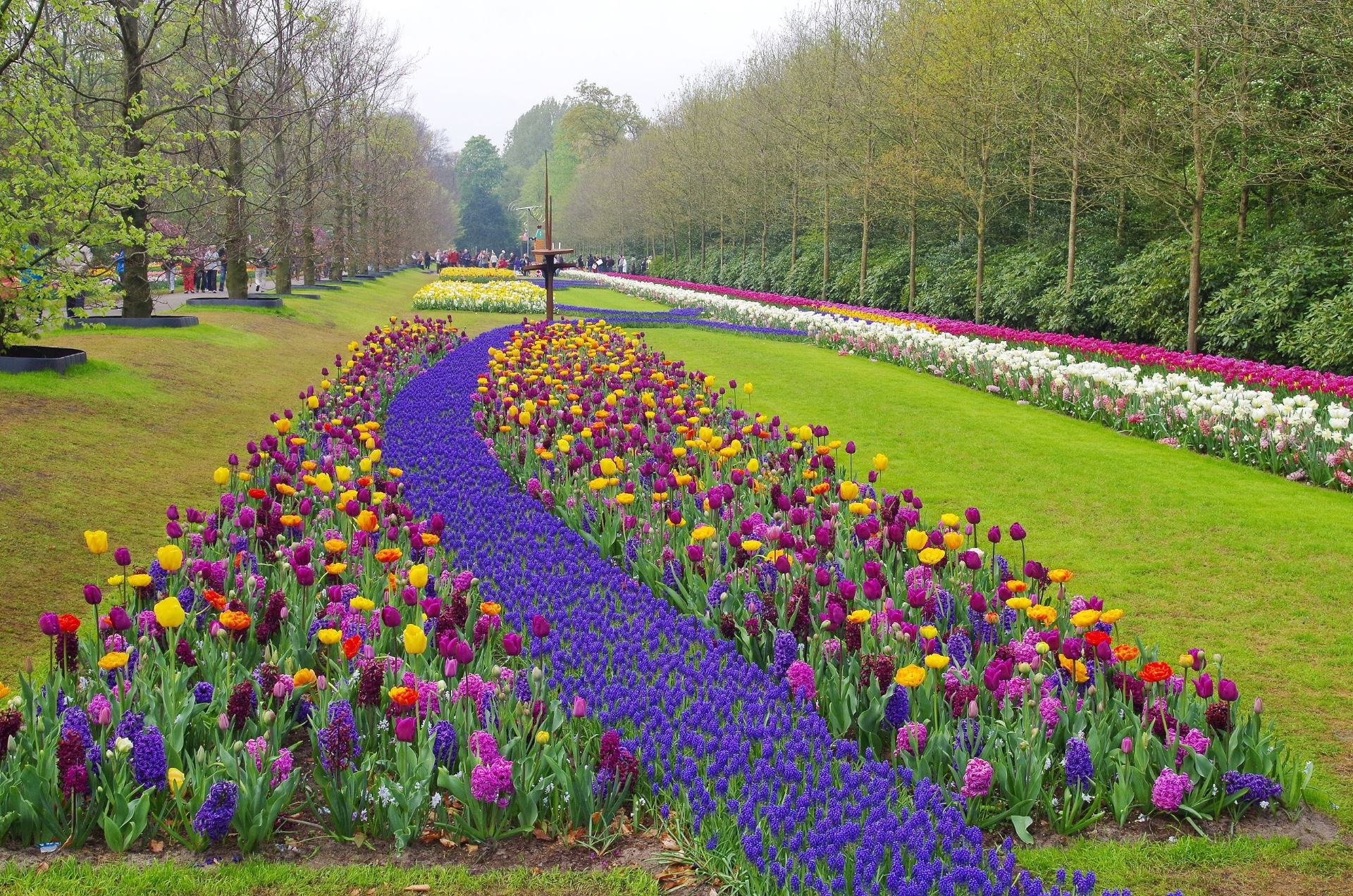
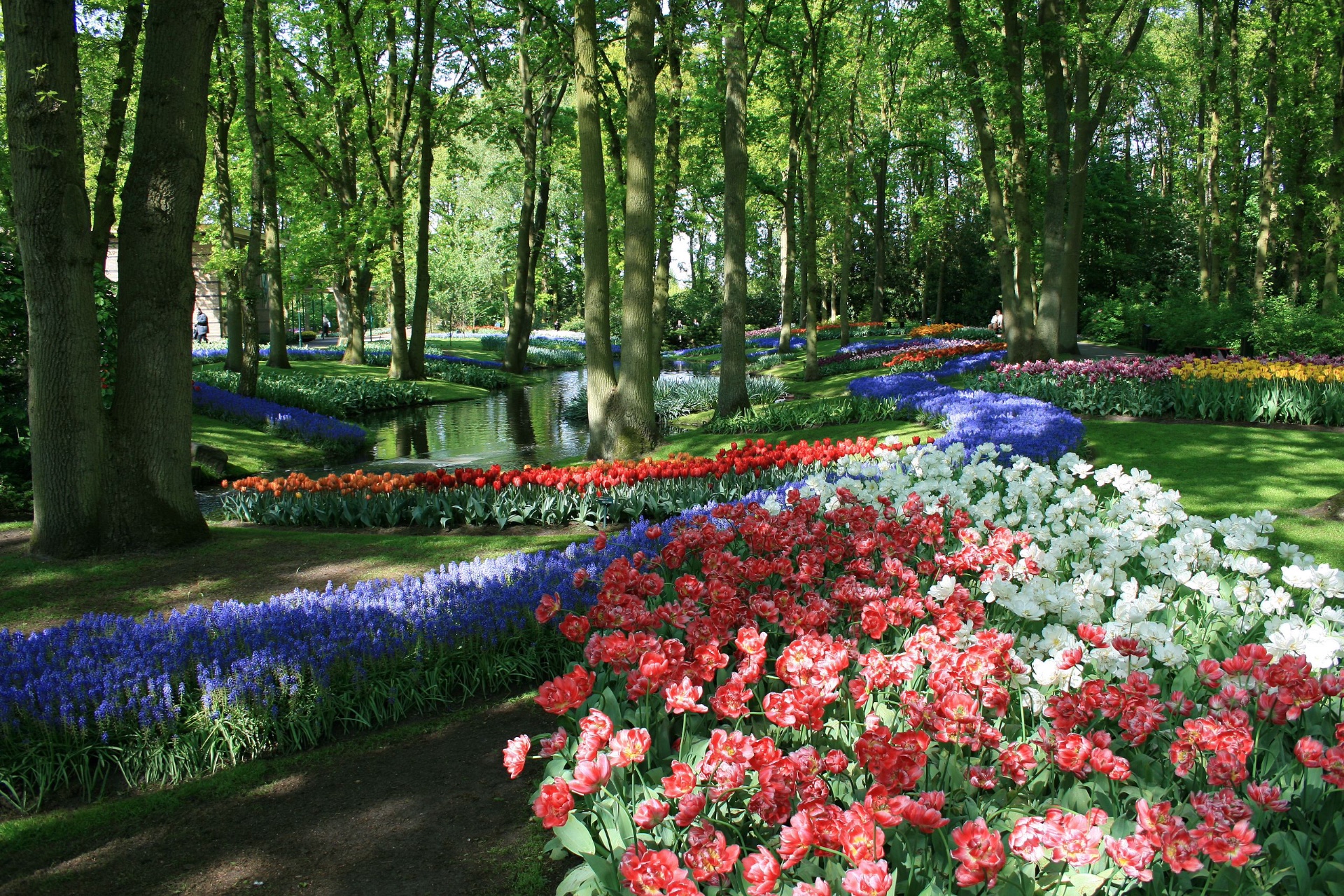
Today you will visit the Keukenhof Gardens, renowned as the most beautiful spring park in the world. Here, seven million flowering tulips create an overwhelming blaze of color across 80 acres, set against a backdrop of both traditional and modern garden architecture. The abundance of blossoms, along with flowering rhododendrons and azaleas, is a true feast for the eyes.
The park’s pavilions host unique flower shows, and among the vibrant colors, you will discover surprising works of art. This unparalleled combination delights visitors at every turn.
Keukenhof features a variety of gardens and gardening styles, including the English Landscape Garden, the Historical Garden, the Natural Garden, the Japanese Natural Garden, the Formal Garden, and three special color-themed gardens. Spread throughout the park are approximately eighty sculptures by well-known Dutch artists, along with other artistic displays such as the collection Surprising Tulips.
Overnight near Leiden
Day 6: Leiden – via the flower bulb fields to Haarlem
25 miles/40 km
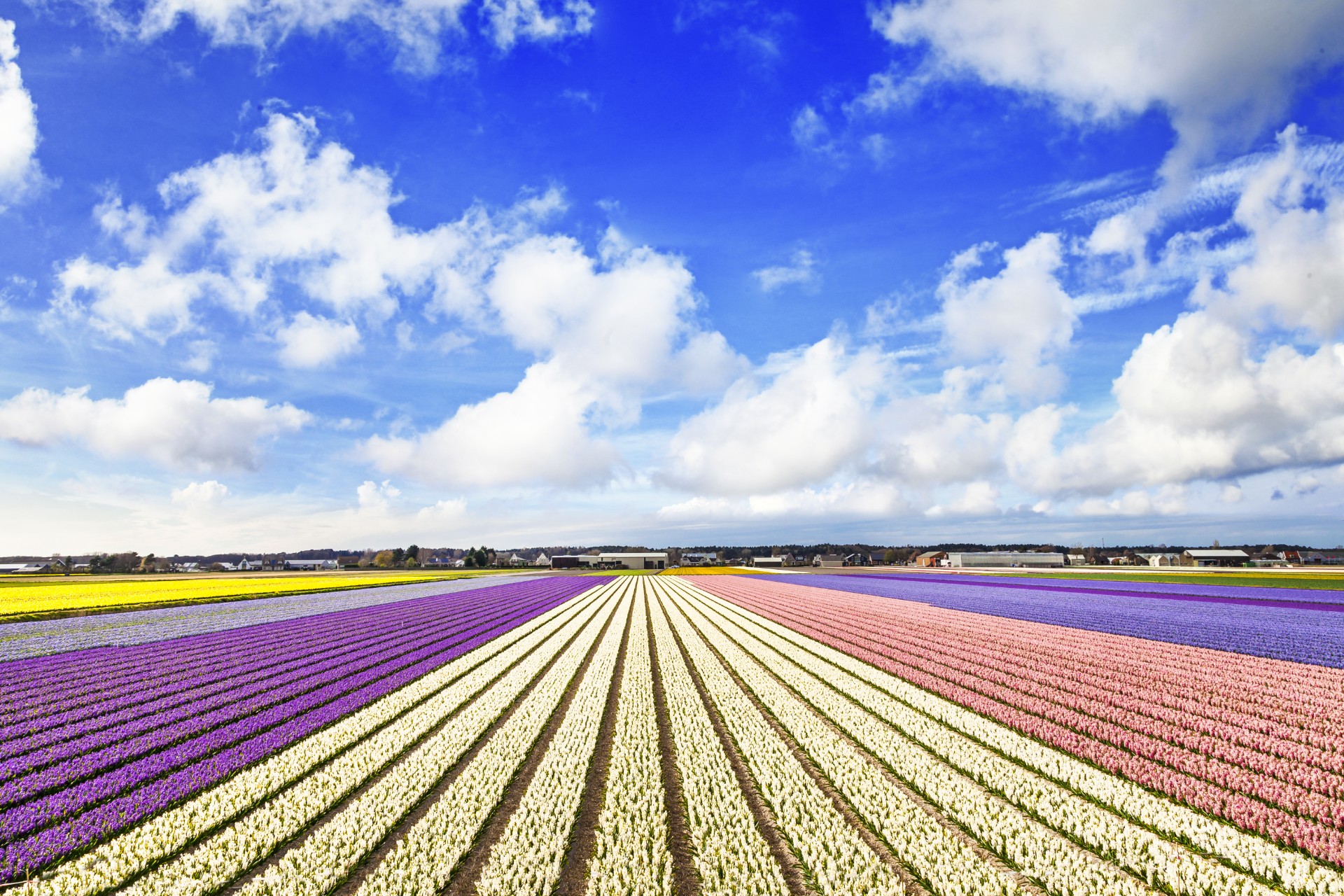
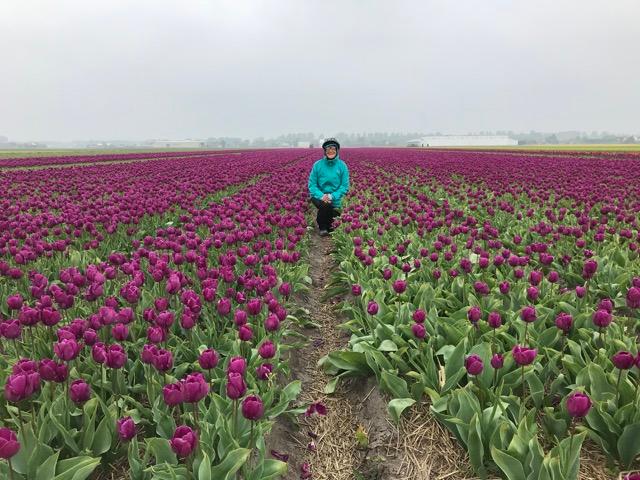
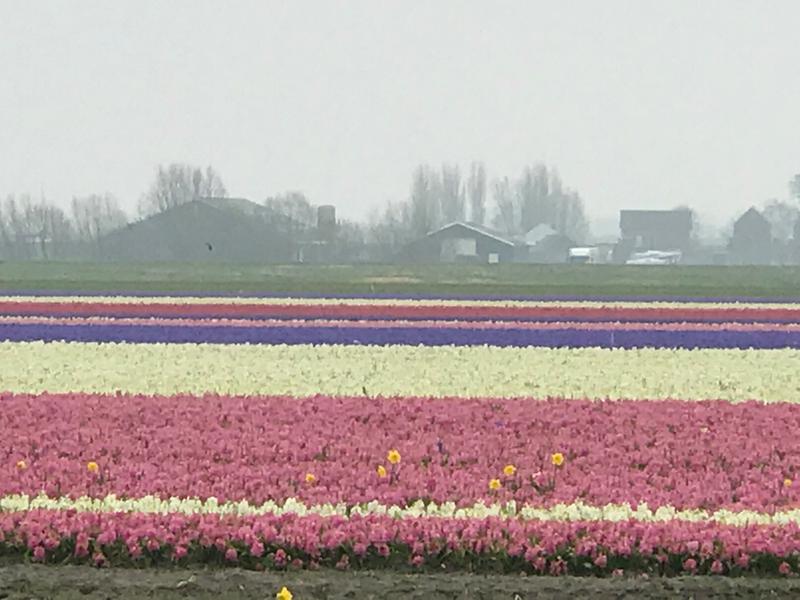
From Leiden, you cycle through stunning flower fields on your way to Haarlem. Between March and May, the bulb fields are in full bloom, beginning with daffodils and followed by hyacinths, tulips, and lilies. The vibrant colors of the fields are breathtaking and almost surreal.
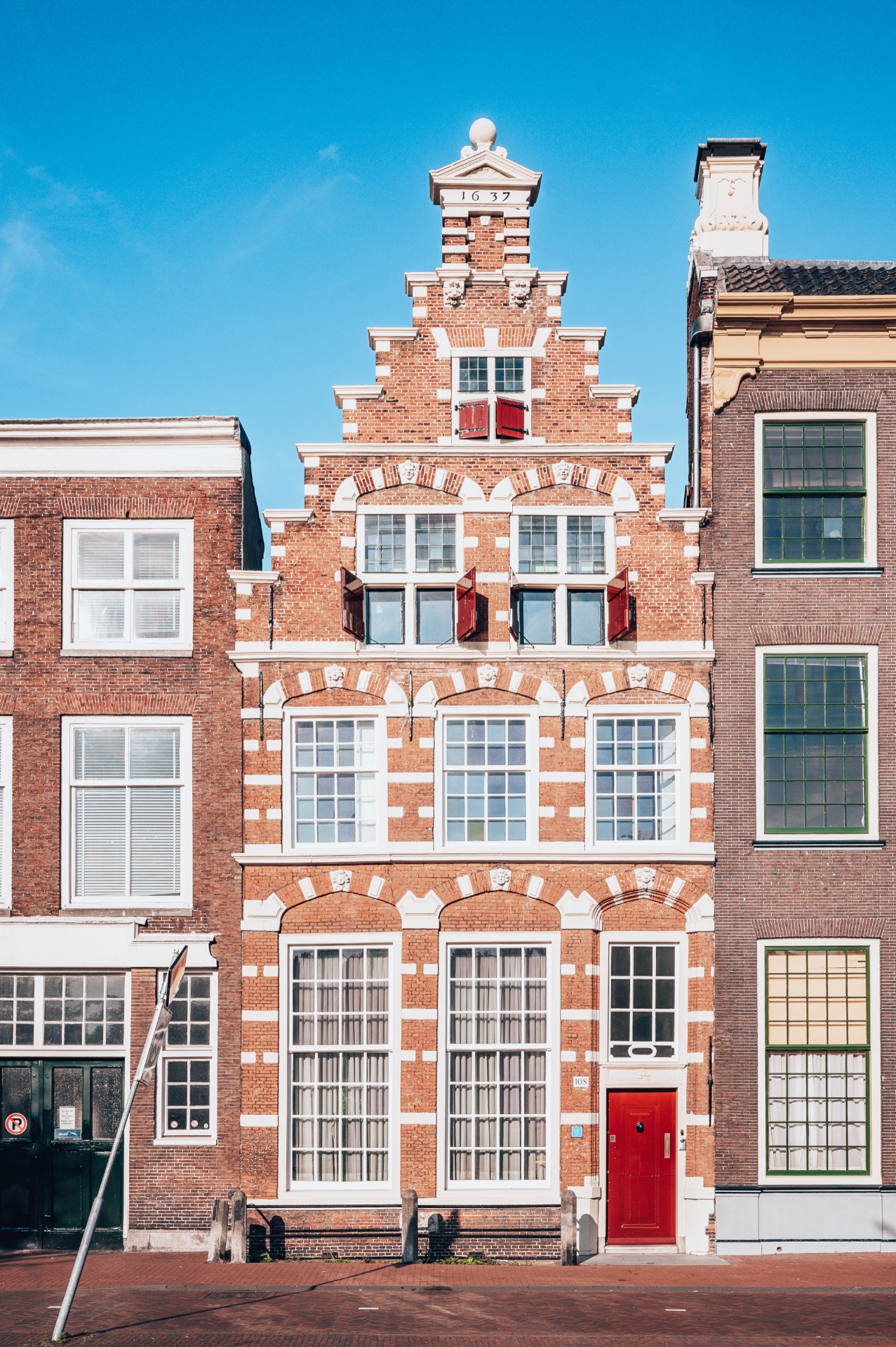
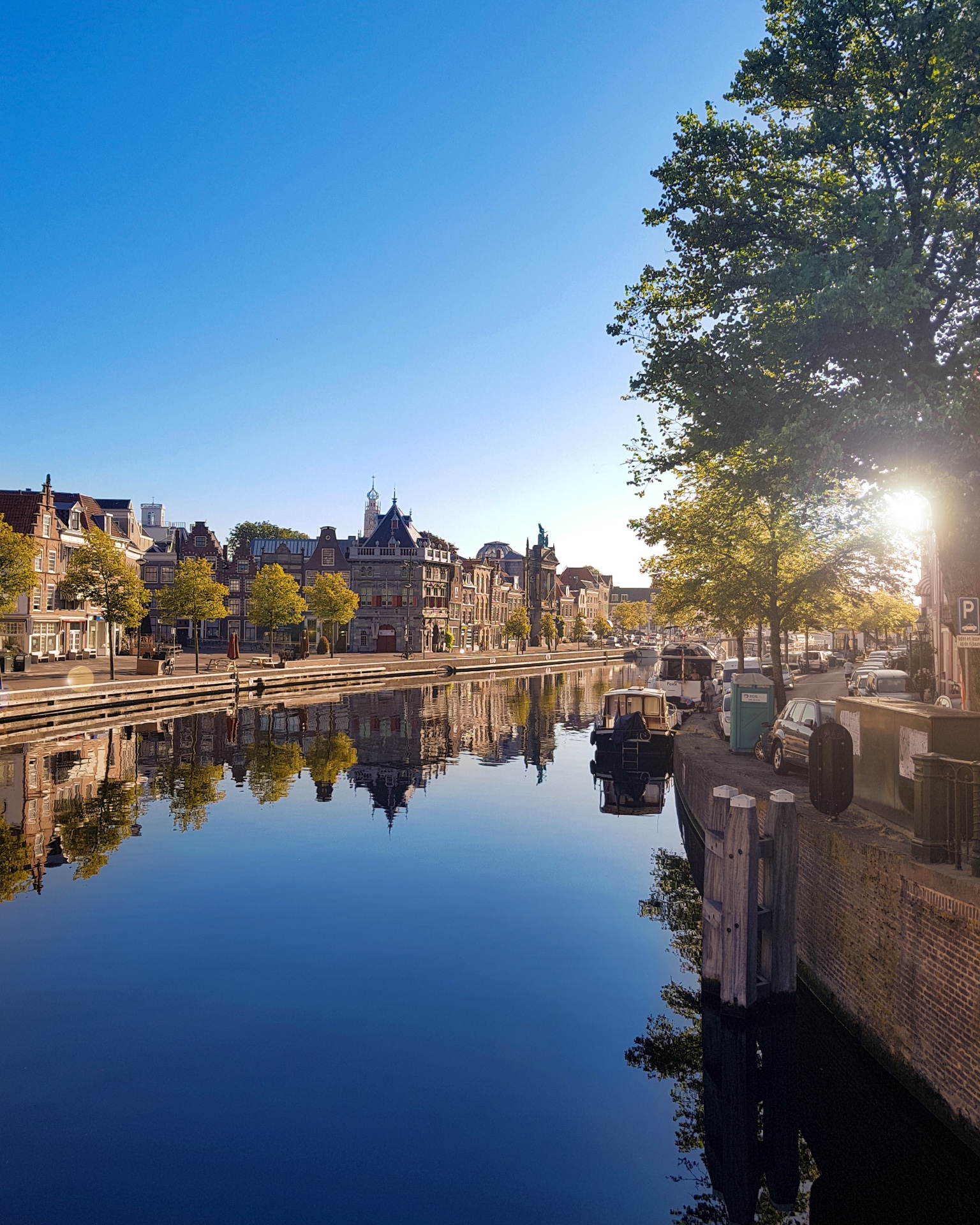
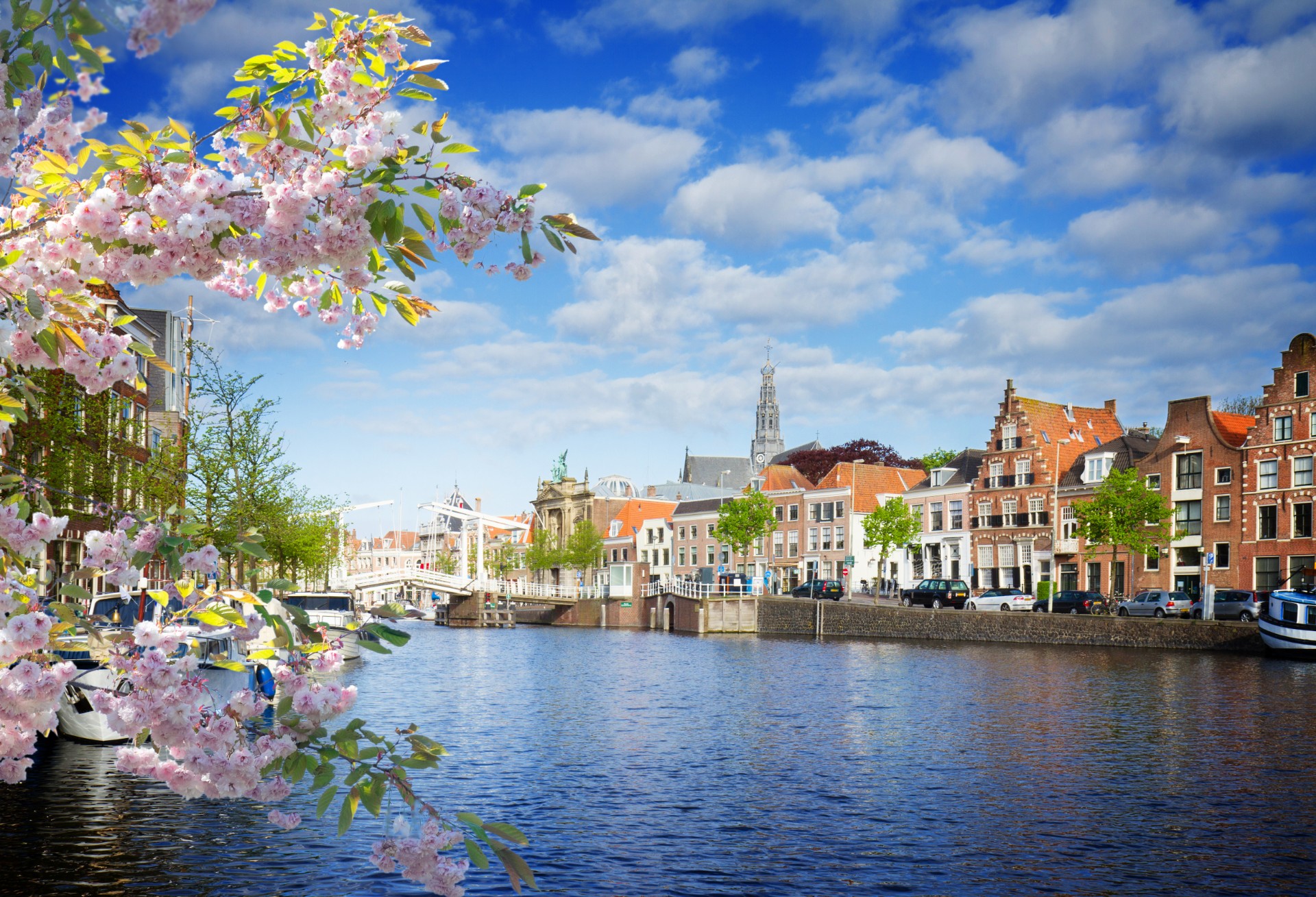
Upon arrival in Haarlem, you can take a short tour of the city to see some of its typical hofjes—historic almshouses with charming courtyards, now often home to elderly residents. Haarlem, which gave its name to Harlem in New York, is a lively city with excellent shopping opportunities. The barge is moored in the city center, offering views of St. Bavo’s Church and easy access to the Grote Markt, lined with numerous outdoor cafés.
As on most evenings, the tour leader will accompany you on a leisurely walk around the city after dinner.
Overnight near Haarlem
Day 7: Haarlem – Amsterdam
25 miles/40 km
From Haarlem, you sail to Spaarndam, a picturesque village on the outskirts of the city. Spaarndam gets its name from the dam built in the Spaarne River to protect the area from flooding. Here, you can see the statue of Hansje Brinker on the IJdijk—a character from an American novel who famously “saved” the country from flooding by putting his finger in the dike.
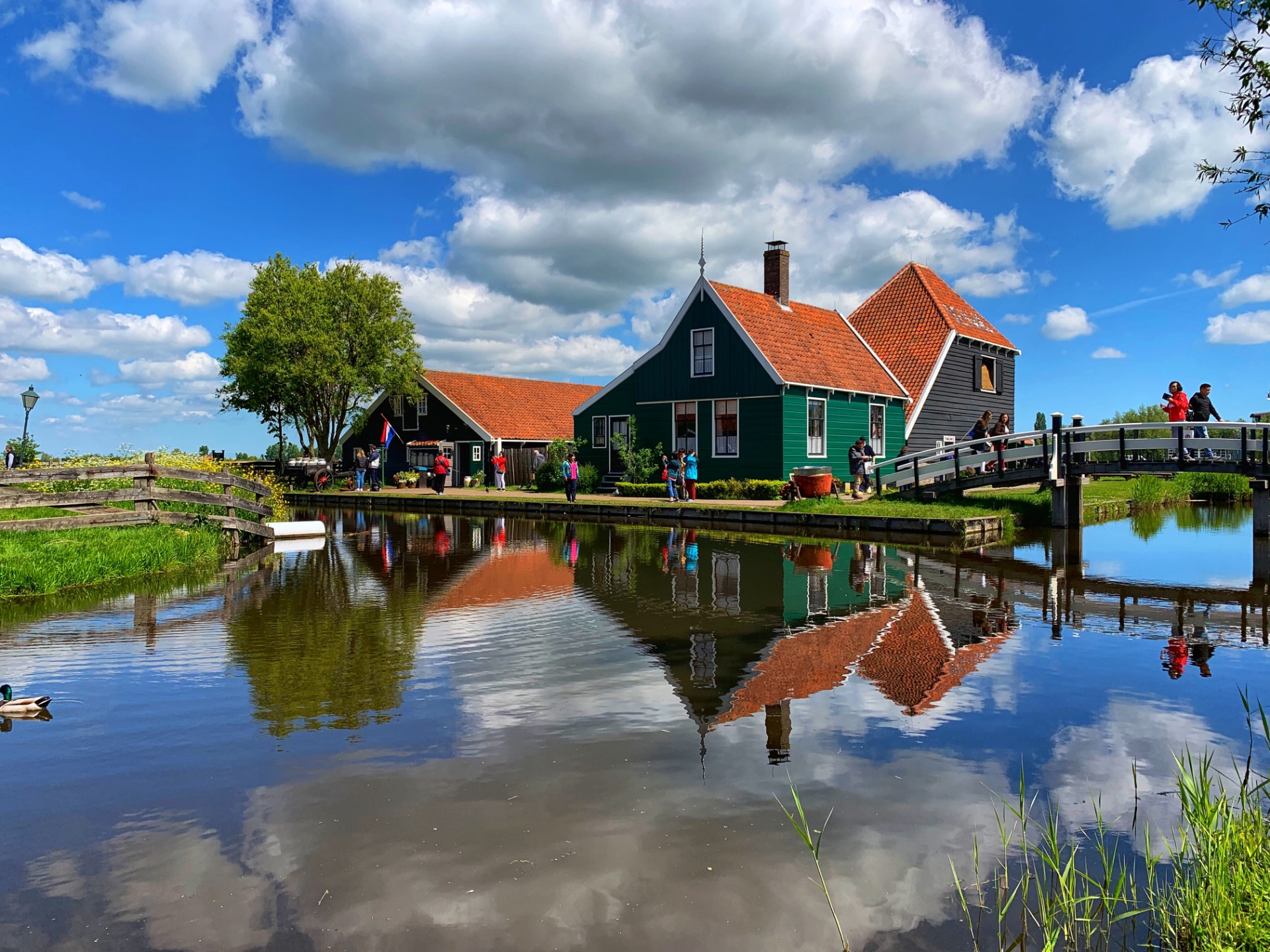
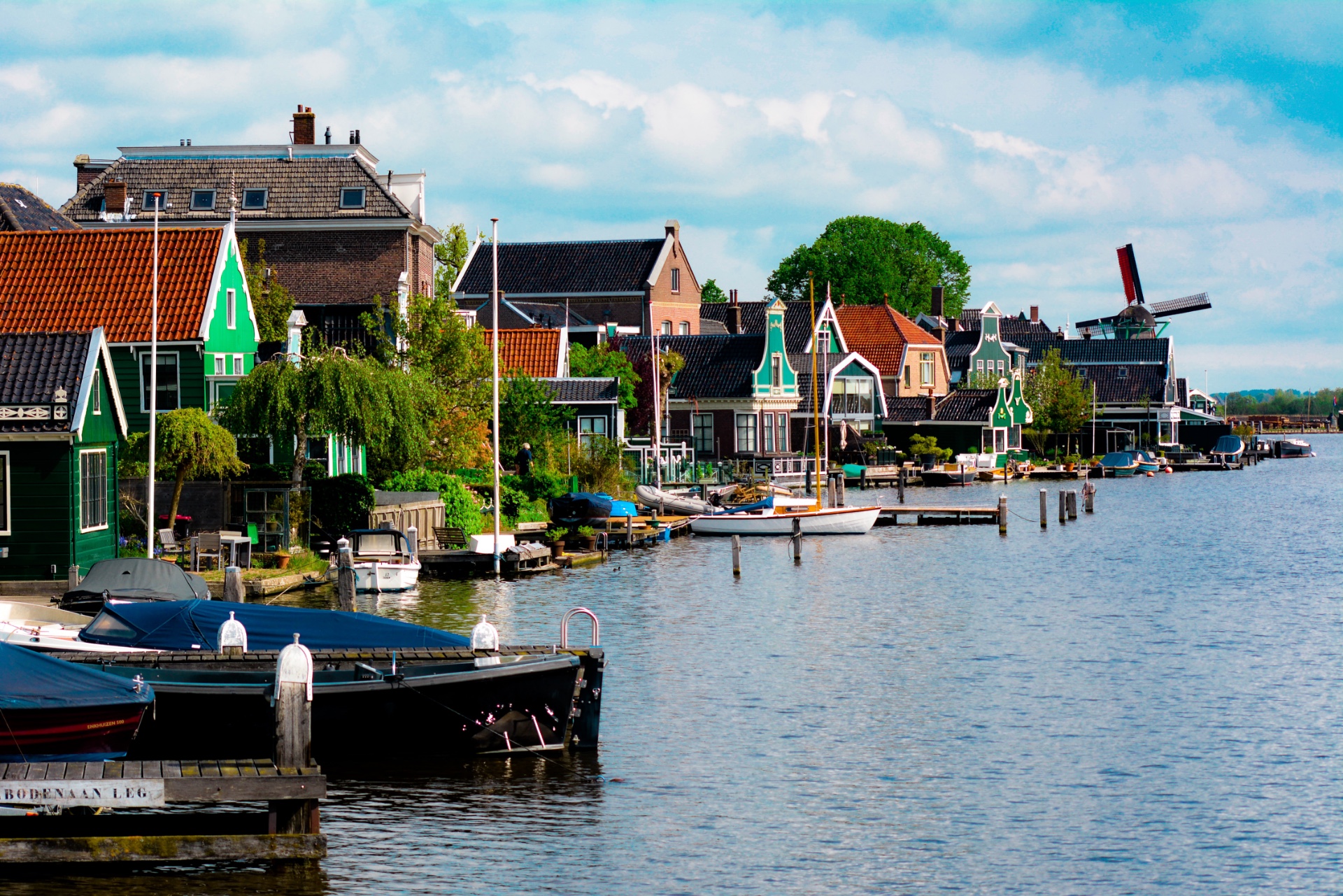
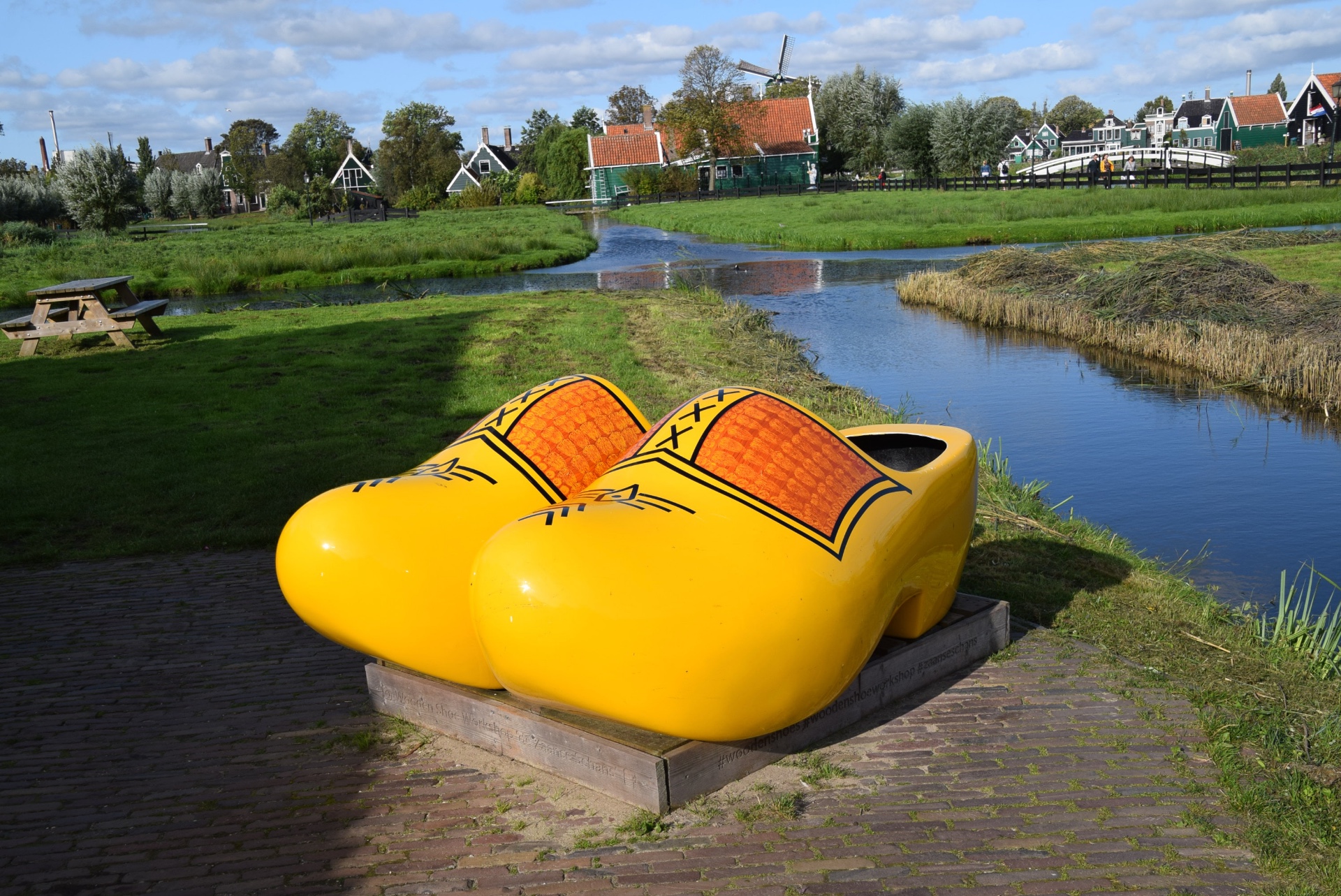
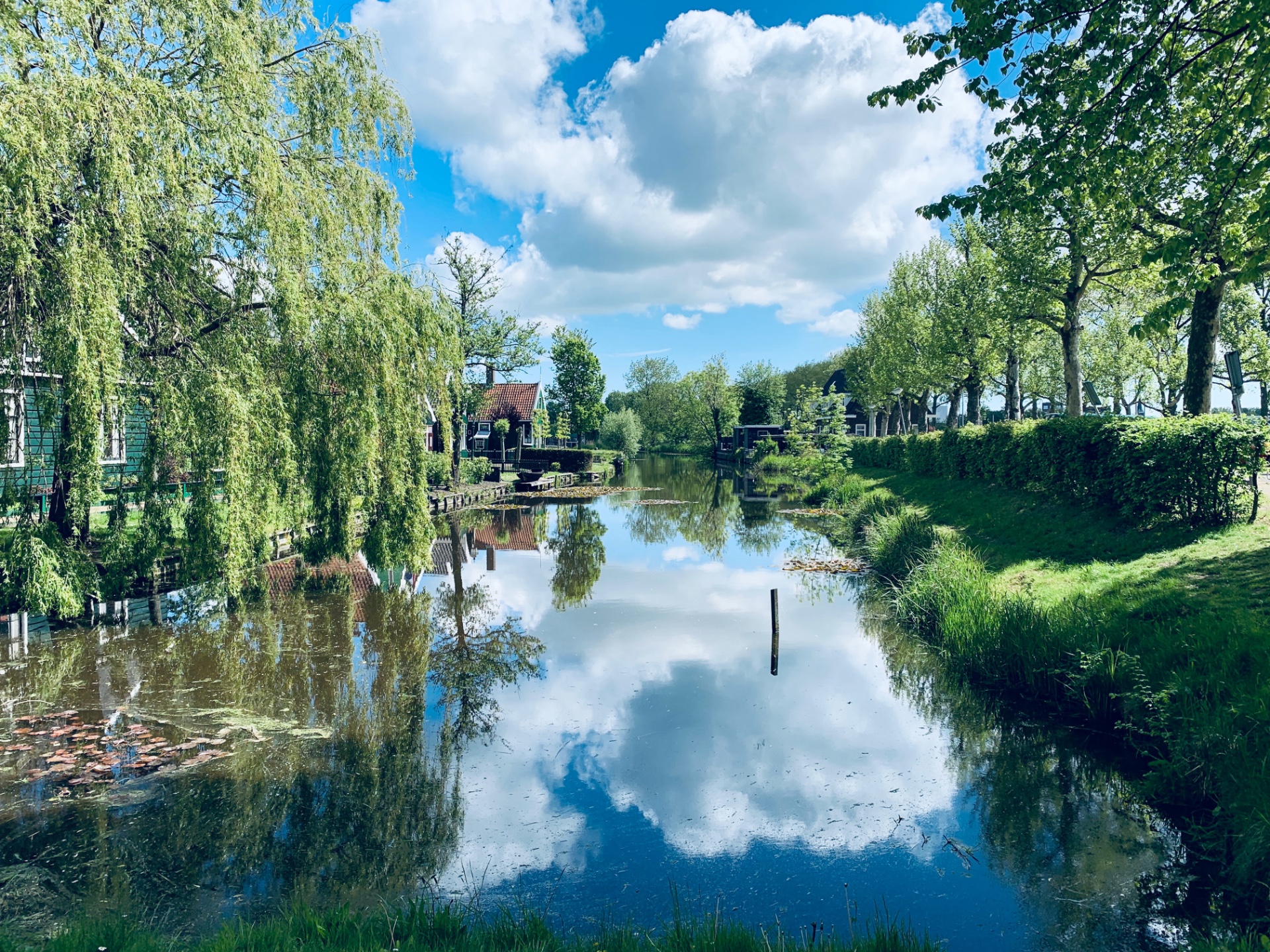
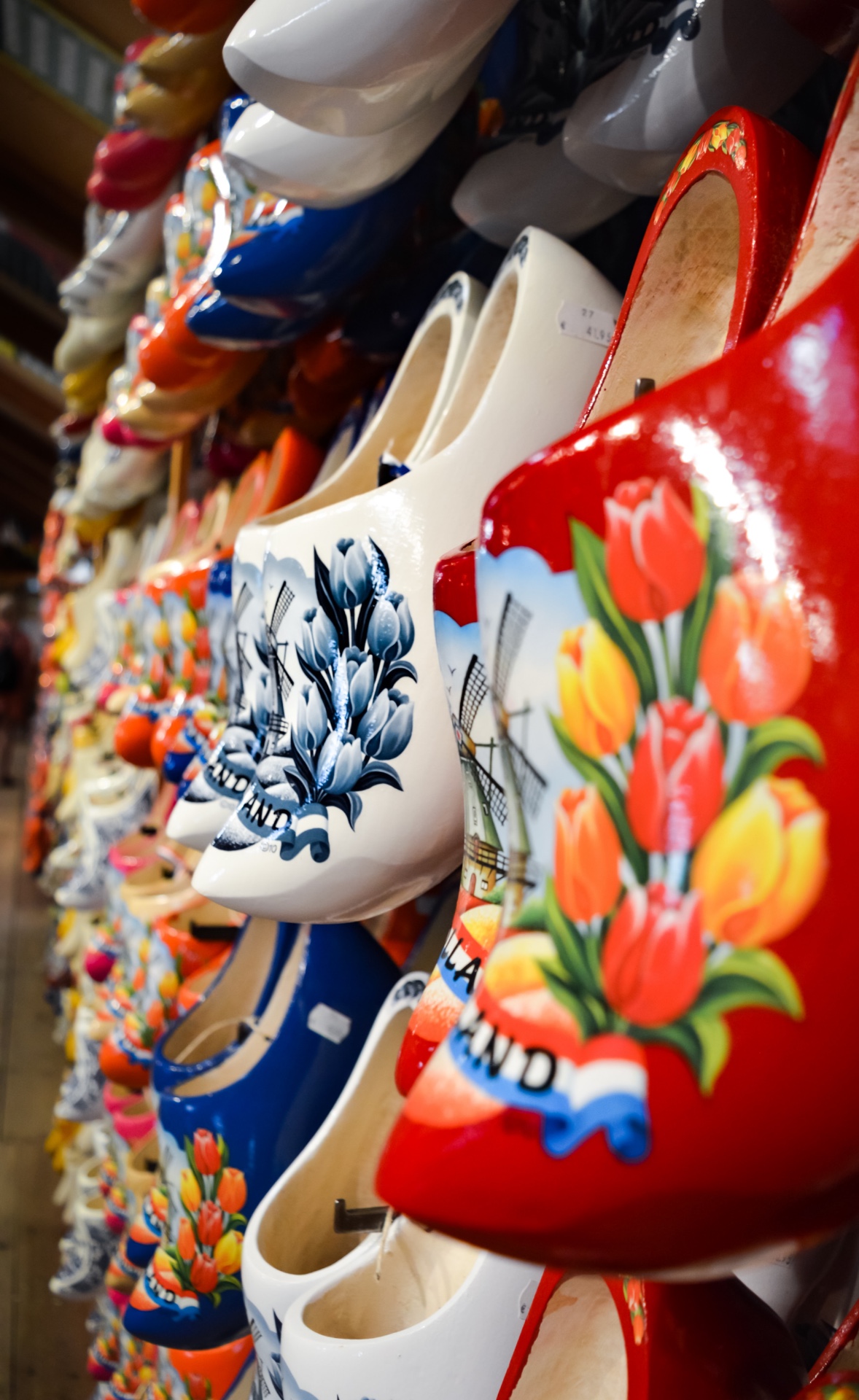
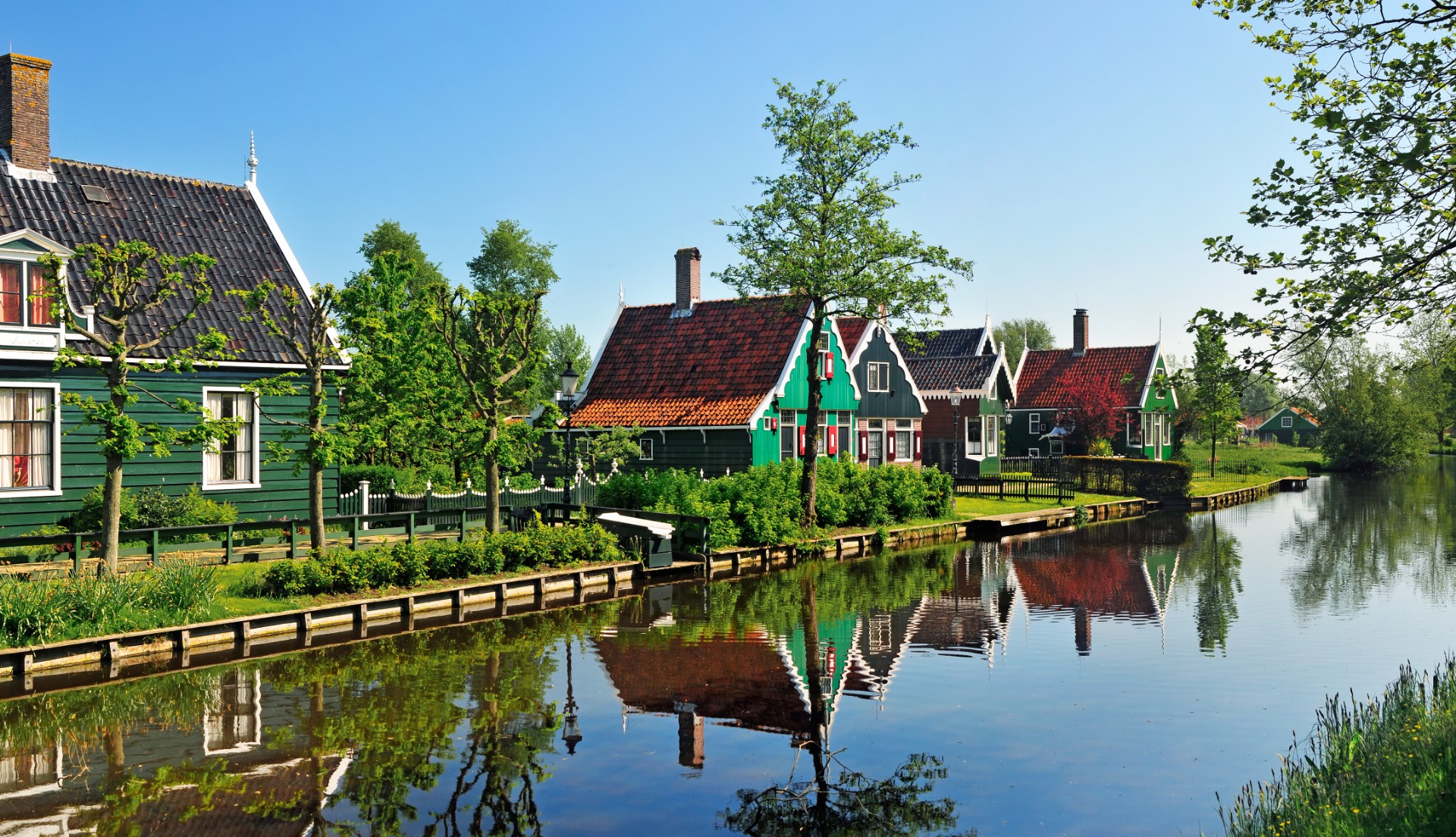
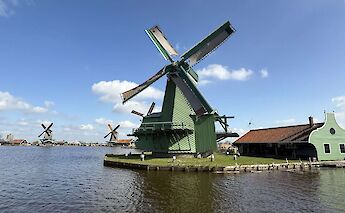
From Spaarndam, the Buitenhuizen ferry takes you across the North Sea Canal, and from there you cycle to the Zaanse Schans. With its traditional weatherboard houses, warehouses, and windmills, the Zaanse Schans may feel like stepping back into the 17th or 18th century. Yet this is no museum; it is a lively neighborhood where people live and work. Here, you can visit a cheese farm, a clog maker, and an old bakery, among other attractions.
The final kilometers of the day are a leisurely ride into Amsterdam.
Overnight near Amsterdam
Day 8: Departure from Amsterdam
After breakfast the tour ends (disembarkation by 10:00am).
Our partner reserves the right to cancel tours with fewer than 12 participants up to 21 days prior to the date of departure. This program is subject to change without notice due to weather, nautical reasons, technical issues and other unforeseen circumstances.





Boats
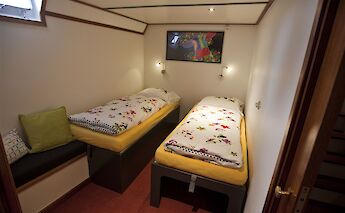
Peter van Aemstel
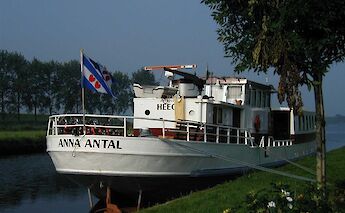
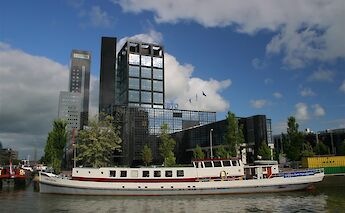
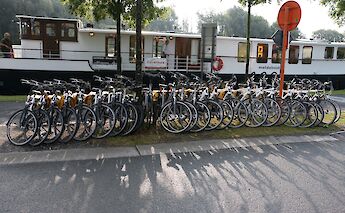
9 cabins, 2 decks, 4 tours A former shuttle barge converted into a passenger ship, the Peter van Aemstel (formerly Anna Antal) is an exclusively cozy experience. In 2012, the saloon and cabins were fully renovated.
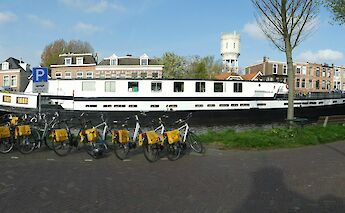
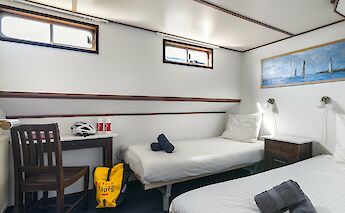
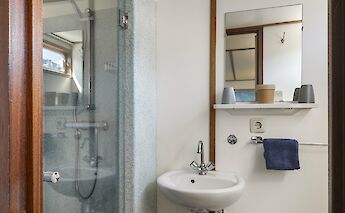
Anna van Aemstel
13 cabins, 2 decks, 3 tours The Anna van Aemstel (formerly the Wending) is a former freight barge that started a new life in the early 1990s as a passenger motor barge. Since then, the Anna van Aemstel is a familiar…
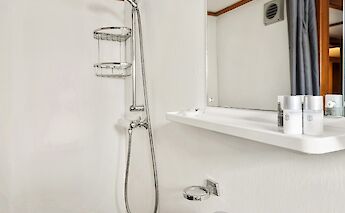
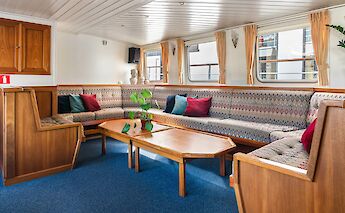
Floor van Aemstel
10 cabins, 2 decks, 4 tours The Floor van Aemstel is a unique vessel that was constructed on the dismantled shell of a seafaring freight logger. It is a nostalgic reminder of ferries that sailed to Dutch islands in…
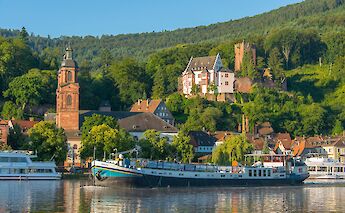
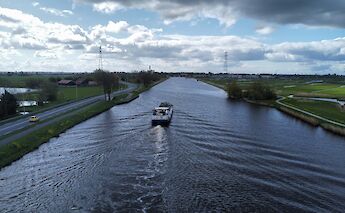
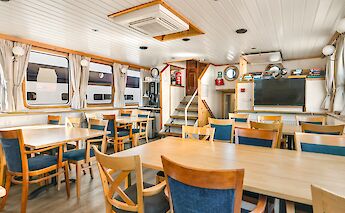
Elisabeth van Aemstel
10 cabins, 2 decks, 4 tours Starting out as a cruise vessel in 1998, the Elisabeth van Aemstel (formerly called the Allure) has undergone a stylish renovation appropriate for its new identity as a cozy and comfortable…
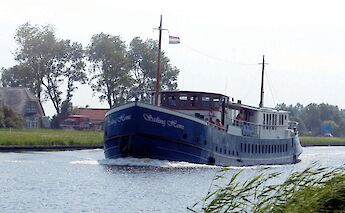
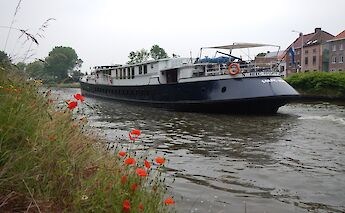
Godefridus van Aemstel
13 cabins, 2 decks, 4 tours The Godefridus van Aemstel has been cruising since 2001. It has 13 cabins which can accommodate up to 26 overnight guests. This beautiful passenger ship has a salon and bar for relaxing, as…
These barges are former working river vessels, converted specifically for this kind of passenger vacation. The barges comply with the strict safety regulations set forth by the Dutch Shipping Inspection Authorities. Do not expect a luxury cruise ship. The experience of the tour is built around guests being active cycling, and the layout of the barge supports a social environment in common spaces.
Bikes
Depending on the boat, different bikes may be available. Select a boat below:
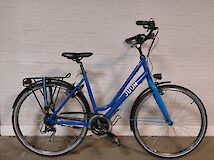
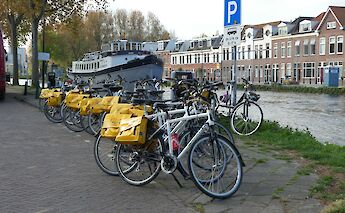
Standard Touring Bike - Juijn
- 24-speeds with handbrakes
- Step-through frame for passengers from 4'11 to 5'10'' / 150cm - 178cm
- Men's frames for passengers from 4'11 to 6'8'' / 150cm - 203cm
- Equipped with:
- Pannier bag
- A fixed locked
- Water bottle
- Bike helmet
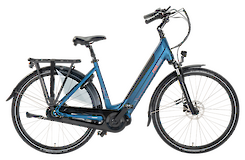
Electrically Assisted Bike - Freebike
- 8-speeds
- For passengers from 5'1 to 6'3'' / 155cm - 190cm
- Equipped with:
- Pannier bag
- A fixed locked
- Water bottle
- Bike helmet
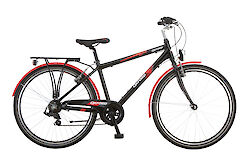
Additional equipment
We can provide children's bikes, trailers, child seats, and tandems upon request.
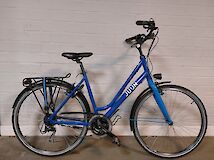
Standard Touring Bike - Juijn
- 24-speeds with handbrakes
- Step-through frame for passengers from 4'11 to 5'10'' / 150cm - 178cm
- Men's frames for passengers from 4'11 to 6'8'' / 150cm - 203cm
- Equipped with:
- Pannier bag
- A fixed locked
- Water bottle
- Bike helmet
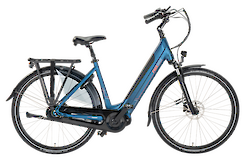
Electrically Assisted Bike - Freebike
- 8-speeds
- For passengers from 5'1 to 6'3'' / 155cm - 190cm
- Equipped with:
- Pannier bag
- A fixed locked
- Water bottle
- Bike helmet
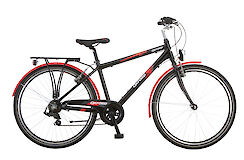
Additional equipment
We can provide children's bikes, trailers, child seats, and tandems upon request.
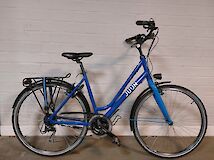
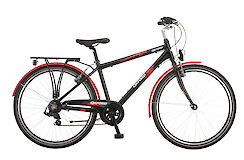
Standard Touring Bike - Juijn
- 24-speeds with handbrakes
- Step-through frame for passengers from 4'11 to 5'10'' / 150cm - 178cm
- Men's frames for passengers from 4'11 to 6'8'' / 150cm - 203cm
- Equipped with:
- Pannier bag
- A fixed locked
- Water bottle
- Bike helmet
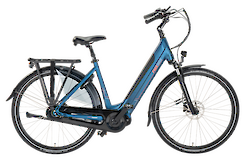
Electrically Assisted Bike - Freebike
- 8-speeds
- For passengers from 5'1 to 6'3'' / 155cm - 190cm
- Equipped with:
- Pannier bag
- A fixed locked
- Water bottle
- Bike helmet
Additional equipment
We can provide children's bikes, trailers, child seats, and tandems upon request.
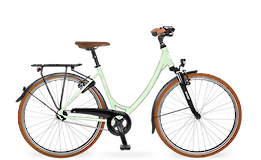
Standard Touring Bike - Velo de Ville City 100 (or similar)
- Step-through aluminum frame
- Shimano Nexus 7-speed
- Schwalbe Marathon tires
- Handbrakes
- Comfort saddle
- 28" Wheels
- Flat pedals
Accessories
- Detachable pannier bag
- Pump & repair kit
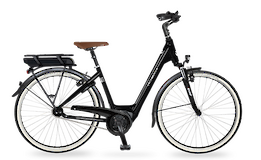
Electrically Assisted Bike - Velo de Ville CEB 200 (or similar)
Limited number, upon request
Available for people taller than 155 cm (5'1")
- Step-through aluminum frame
- Bosch Active Line Mid-Engine
- Front suspension
- Nexus 7-speed
- Hydraulic brakes
- Comfort saddle
- 28" Wheels
- Schwalbe Marathon tires
- Flat pedals
Accessories
- Detachable pannier bag
- Pump & repair kit
*More about electrically-assisted bikes >
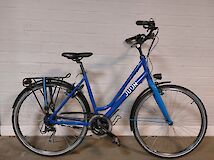
Standard Touring Bike - Juijn
- 24-speeds with handbrakes
- Step-through frame for passengers from 4'11 to 5'10'' / 150cm - 178cm
- Men's frames for passengers from 4'11 to 6'8'' / 150cm - 203cm
- Equipped with:
- Pannier bag
- A fixed locked
- Water bottle
- Bike helmet
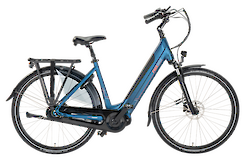
Electrically Assisted Bike - Freebike
- 8-speeds
- For passengers from 5'1 to 6'3'' / 155cm - 190cm
- Equipped with:
- Pannier bag
- A fixed locked
- Water bottle
- Bike helmet
*More about electrically-assisted bikes >
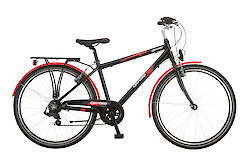
Additional equipment
We can provide children's bikes, trailers, child seats, and tandems upon request.
Surface and terrain
The tour has relaxed cycling, which follows a flat terrain route with occasional hills.
How to get there
Tour start and end:
Nearest airport: Amsterdam Schiphol (AMS)
Nearest train station: Amsterdam Central Station
There is a train that leaves 6 times per hour from Schiphol Airport to Amsterdam Central Station. It takes about 16 minutes and costs approximately €5 per person one way.
A taxi from Schiphol Amsterdam Airport to the barge takes about 30 minutes and costs about €45. A taxi from the Central Train Station in Amsterdam to the barge takes about 5 minutes and costs about €15.
The barge will be moored in Amsterdam at Oosterdok 2 near the Nemo Science Museum, about 15 minutes by foot from the train station.
You must arrive to the barge on Thursday NO LATER THAN 2:00pm.
Tips on getting to and from your tour
Loading reviews…
More About This Tour
 Related Bike Tours


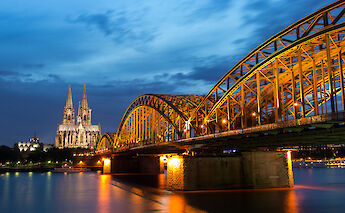
Amsterdam to Cologne along the IJssel and Rhine
 Holland

Custom and Private Bike Tours in Holland
Holland 
Germany, Netherlands, Belgium by Bike/E-Bike and Boat
Holland Related Day Tours
Amsterdam Windmills E-Bike Tour to Zaanse Schans
Amsterdam 
Amsterdam City Bike Tour
Amsterdam 
Amsterdam Extended Countryside E-Bike Tour
Amsterdam 
Amsterdam City E-Bike Tour
Amsterdam 

Amsterdam Hidden Gems Bike Tour
Amsterdam 
Amsterdam Compact Countryside Bike Tour
Amsterdam 
 Email
Email Office Hours