




Alsace Wine Country
 5 nights from €1444
 3.95
3.95Alsace Wine Route: From Strasbourg to Colmar’s Historic Old Town
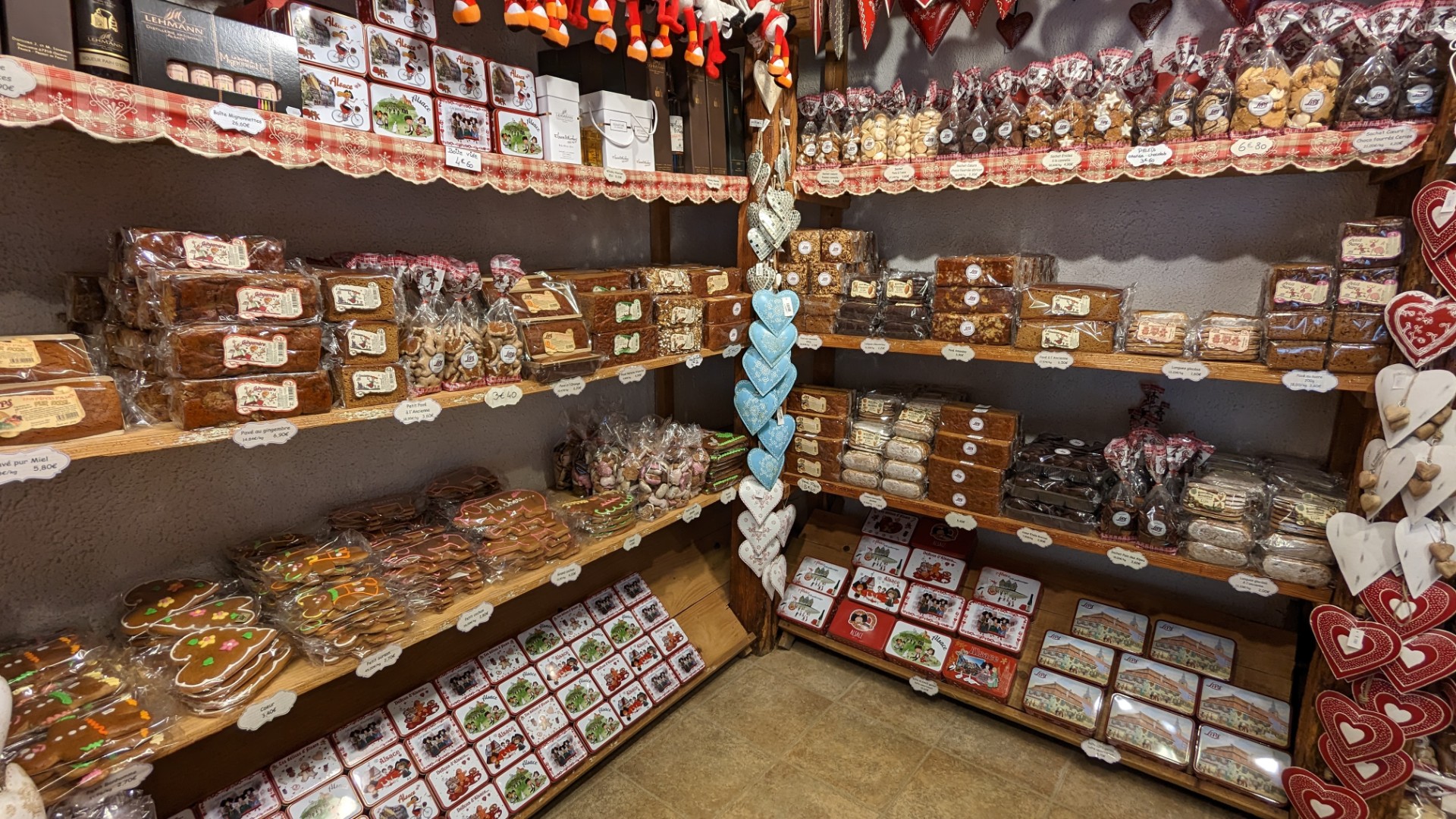
On the borders of the Latin and Germanic civilizations, the Alsace region offers astonishing cultural wealth and world-renowned white wines, like Riesling and Gewürztraminer. In the evenings, you'll enjoy sampling the fruits of the valleys as an accompaniment to countless local specialities!
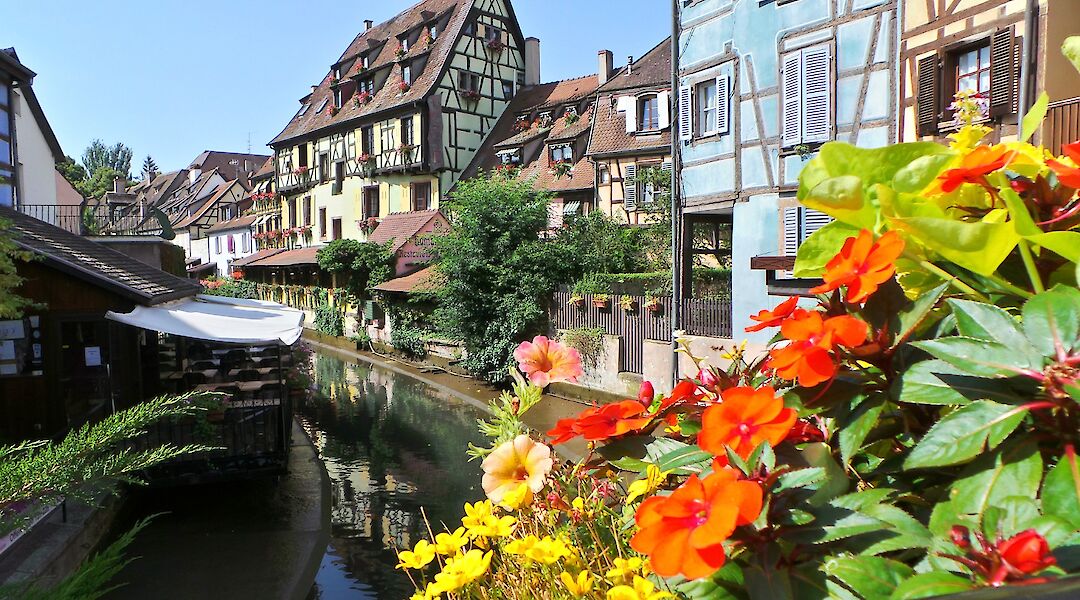
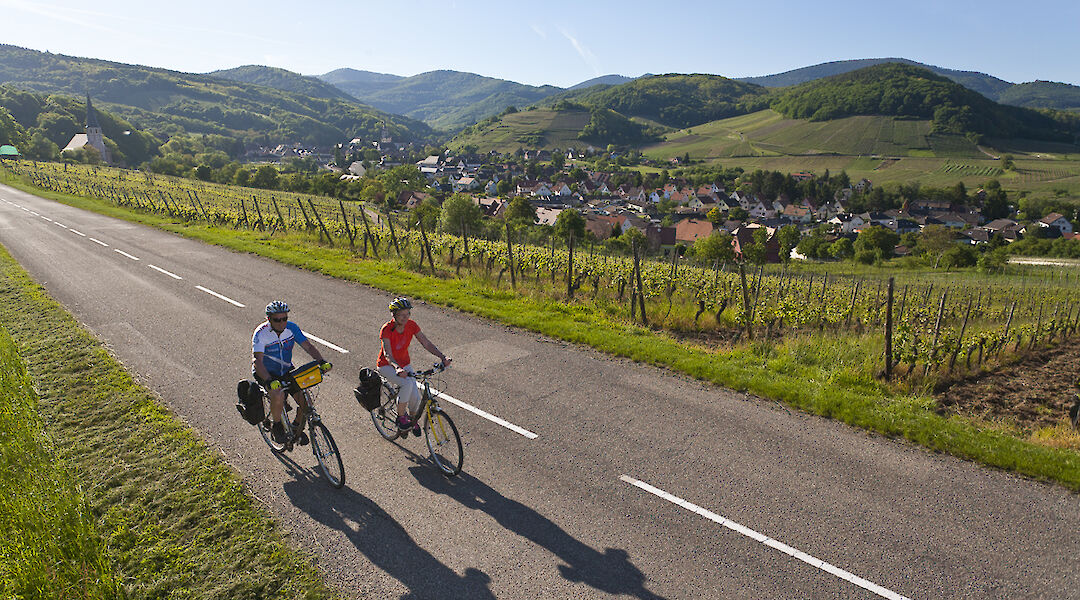
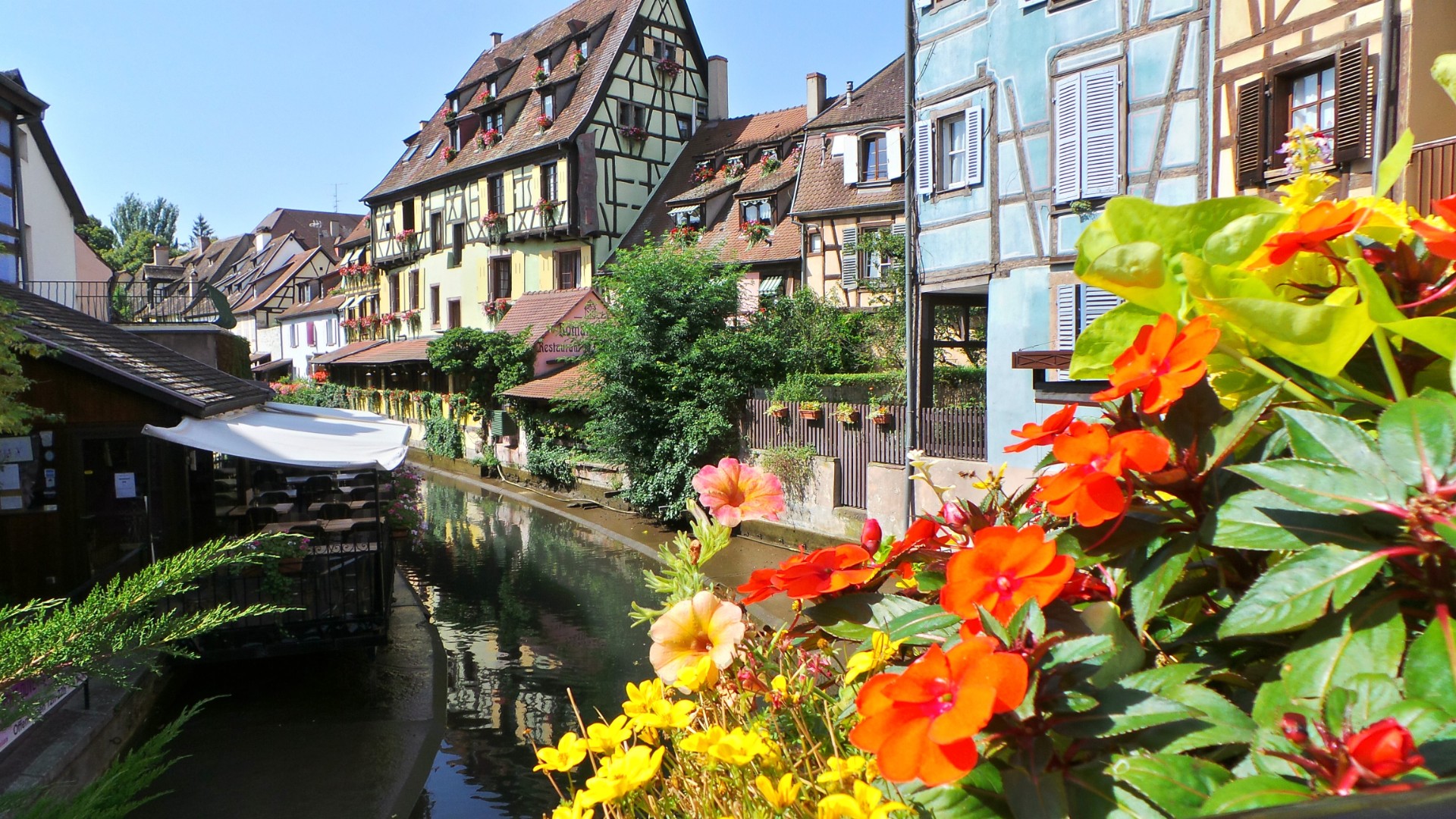
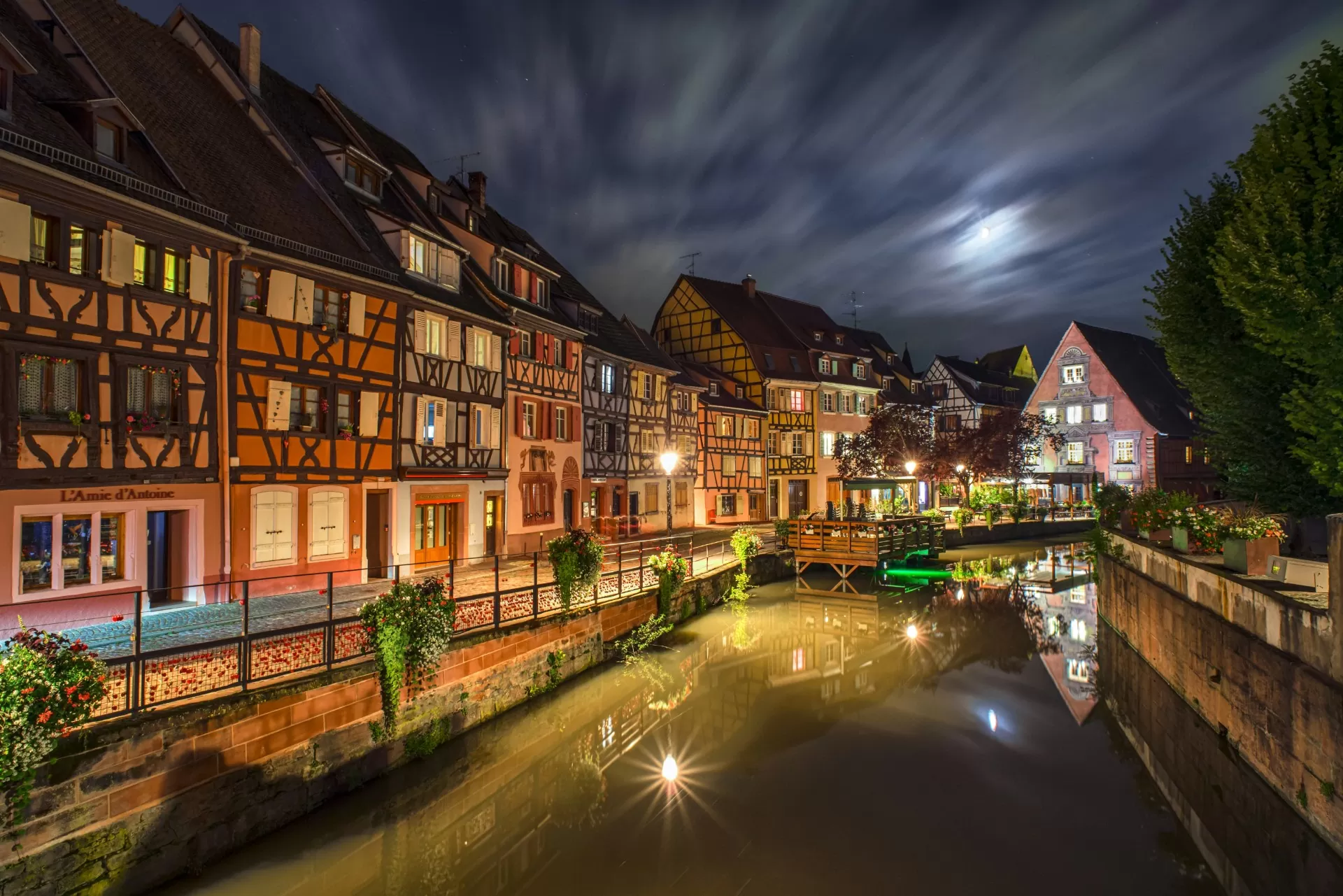
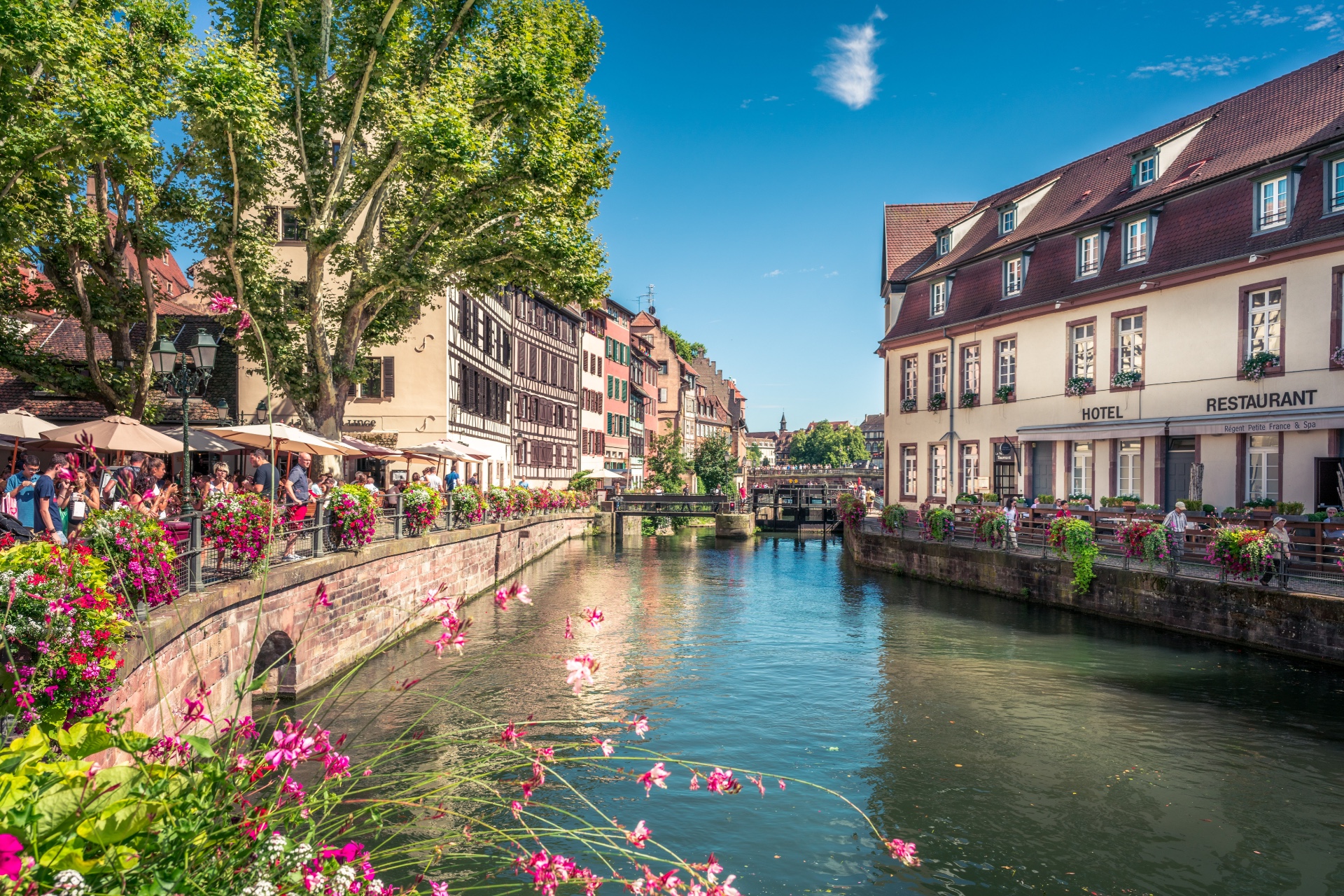
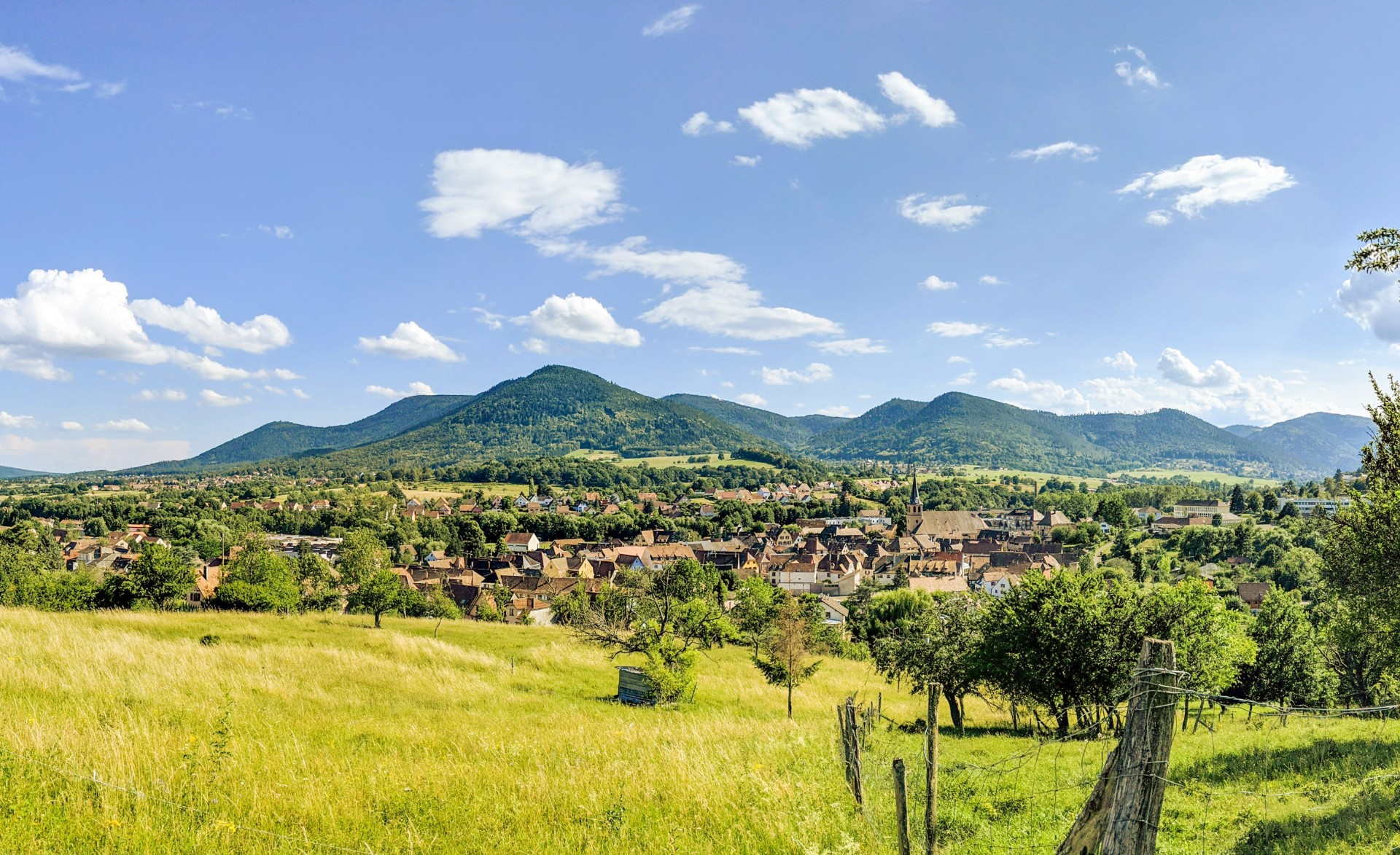
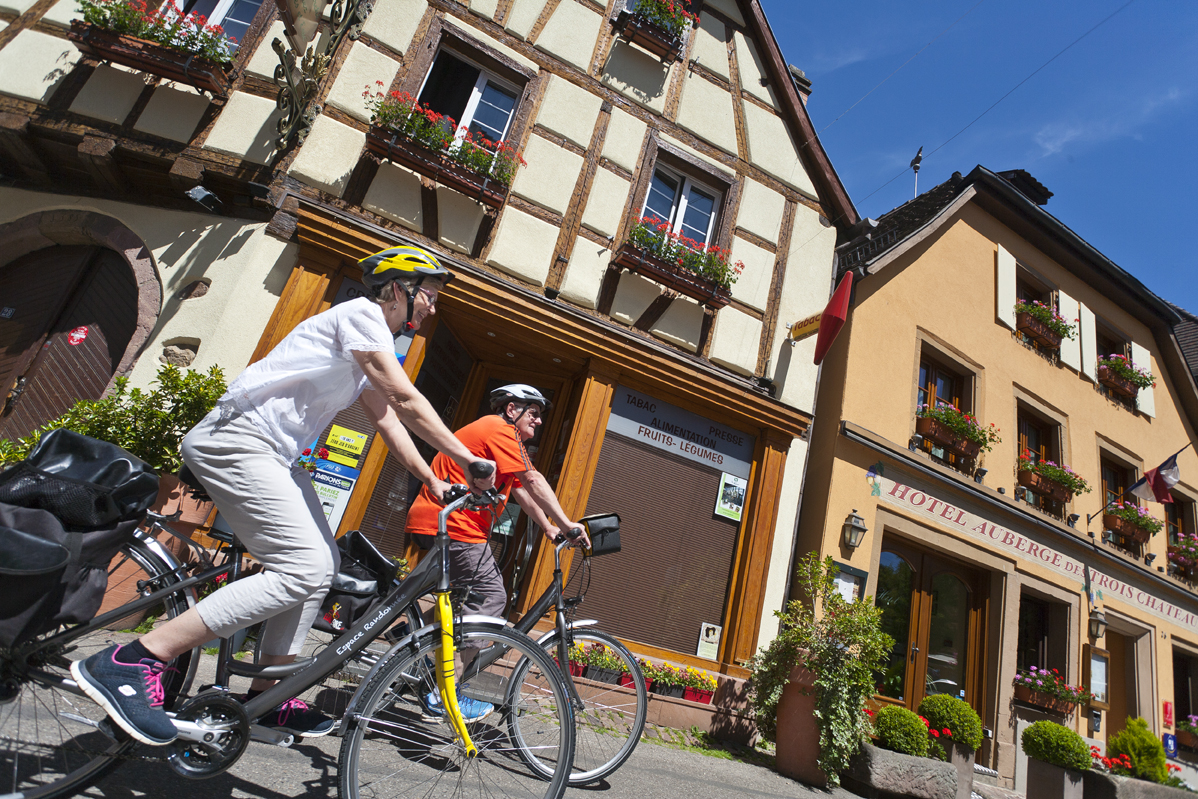
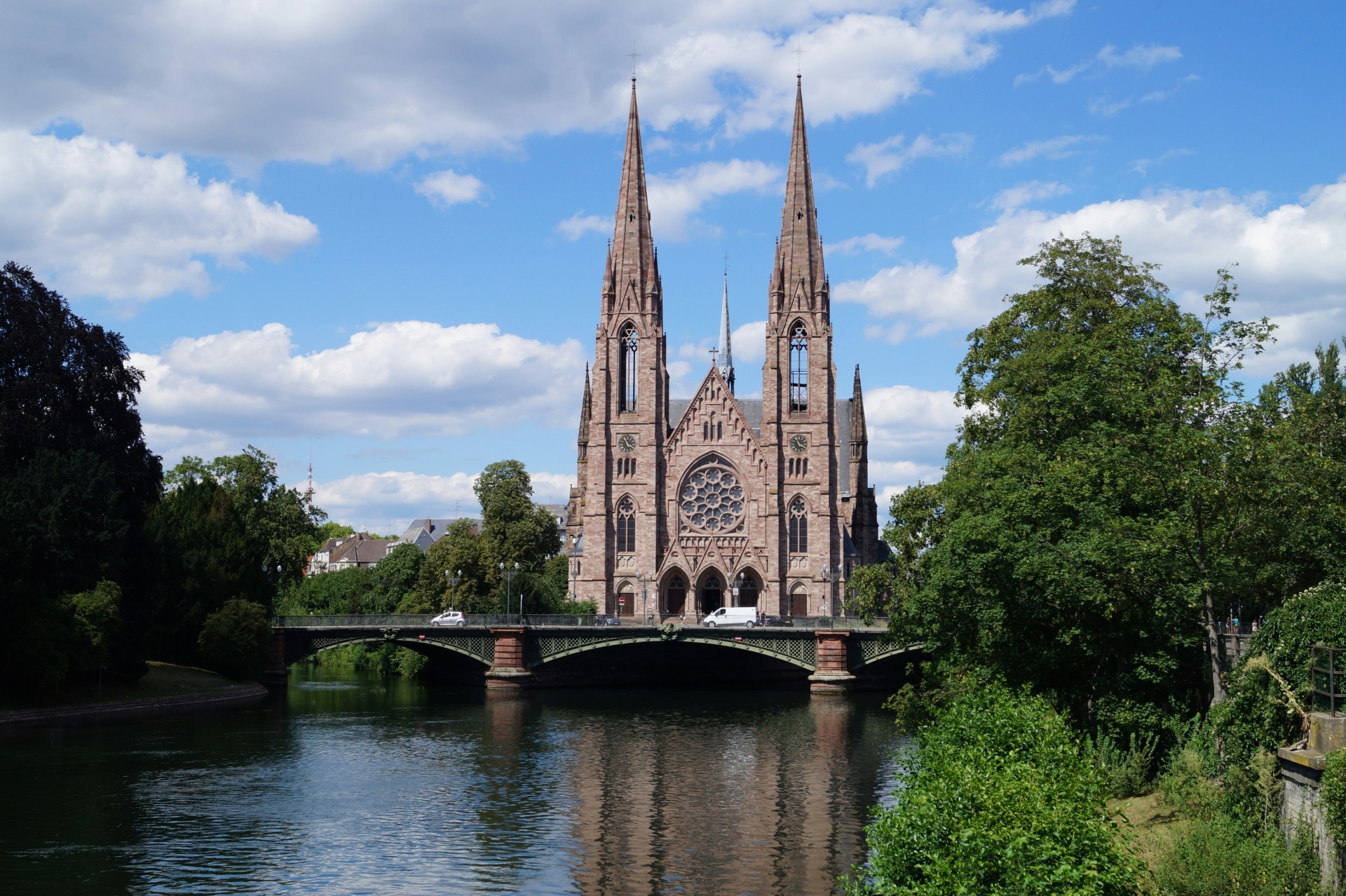
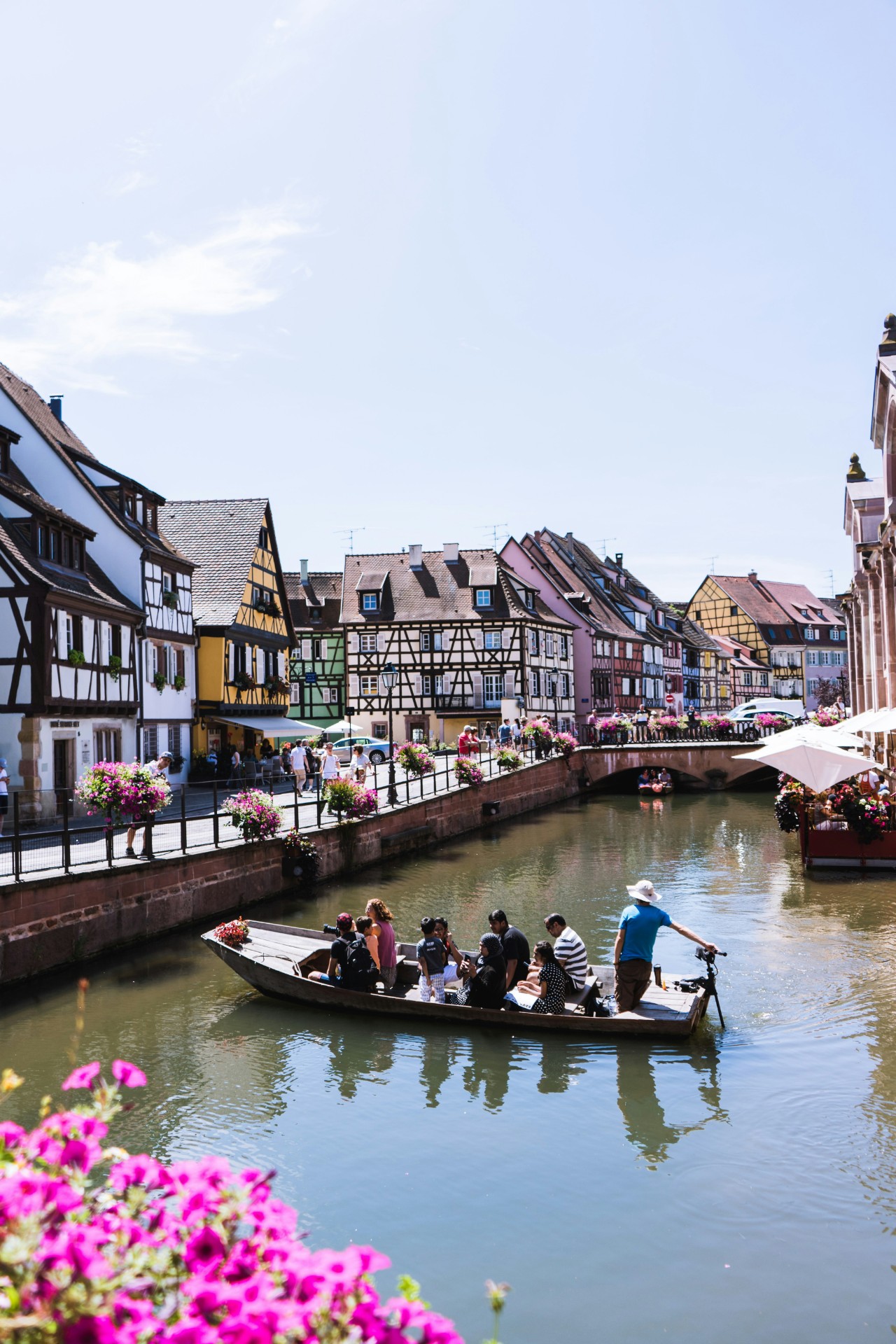
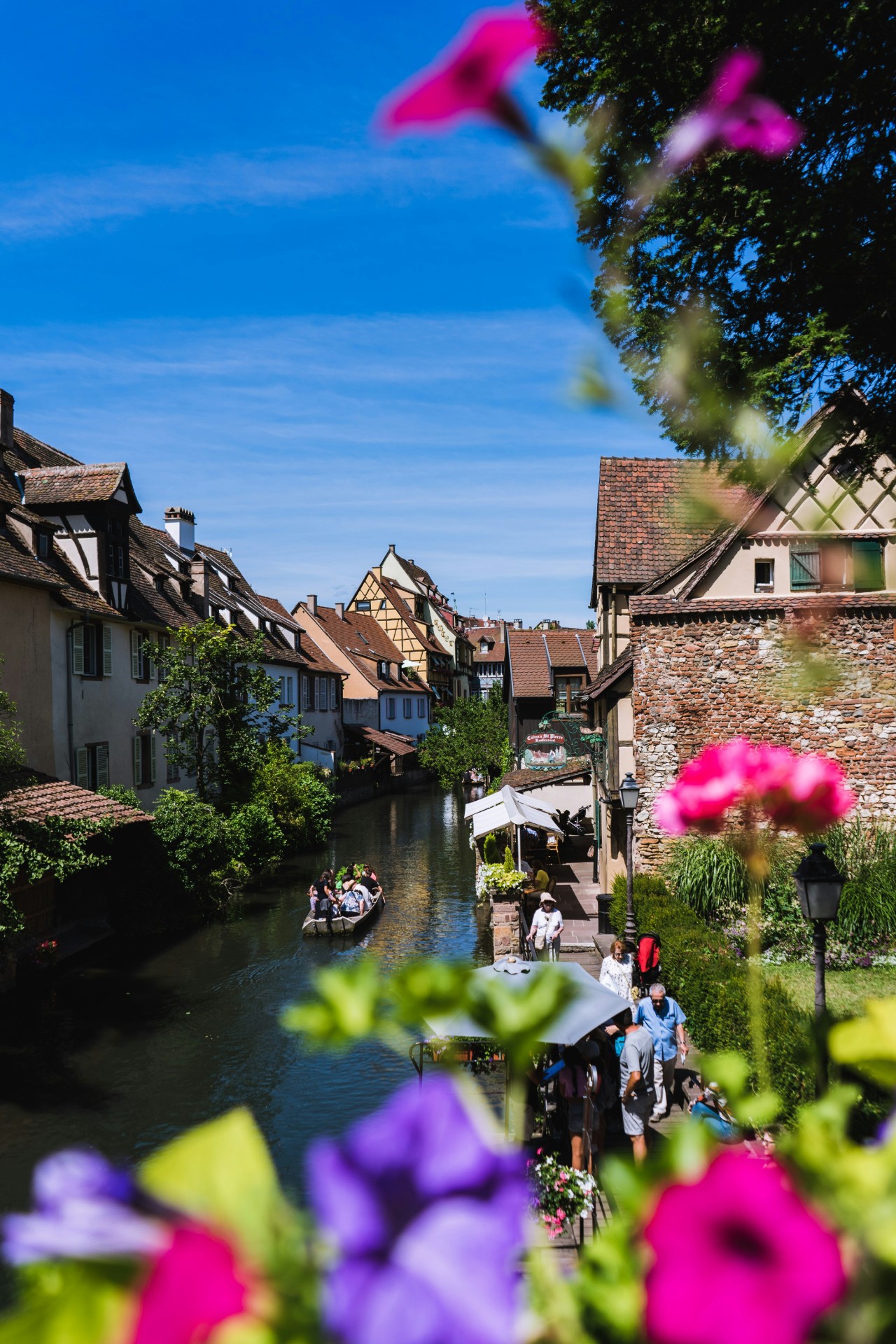
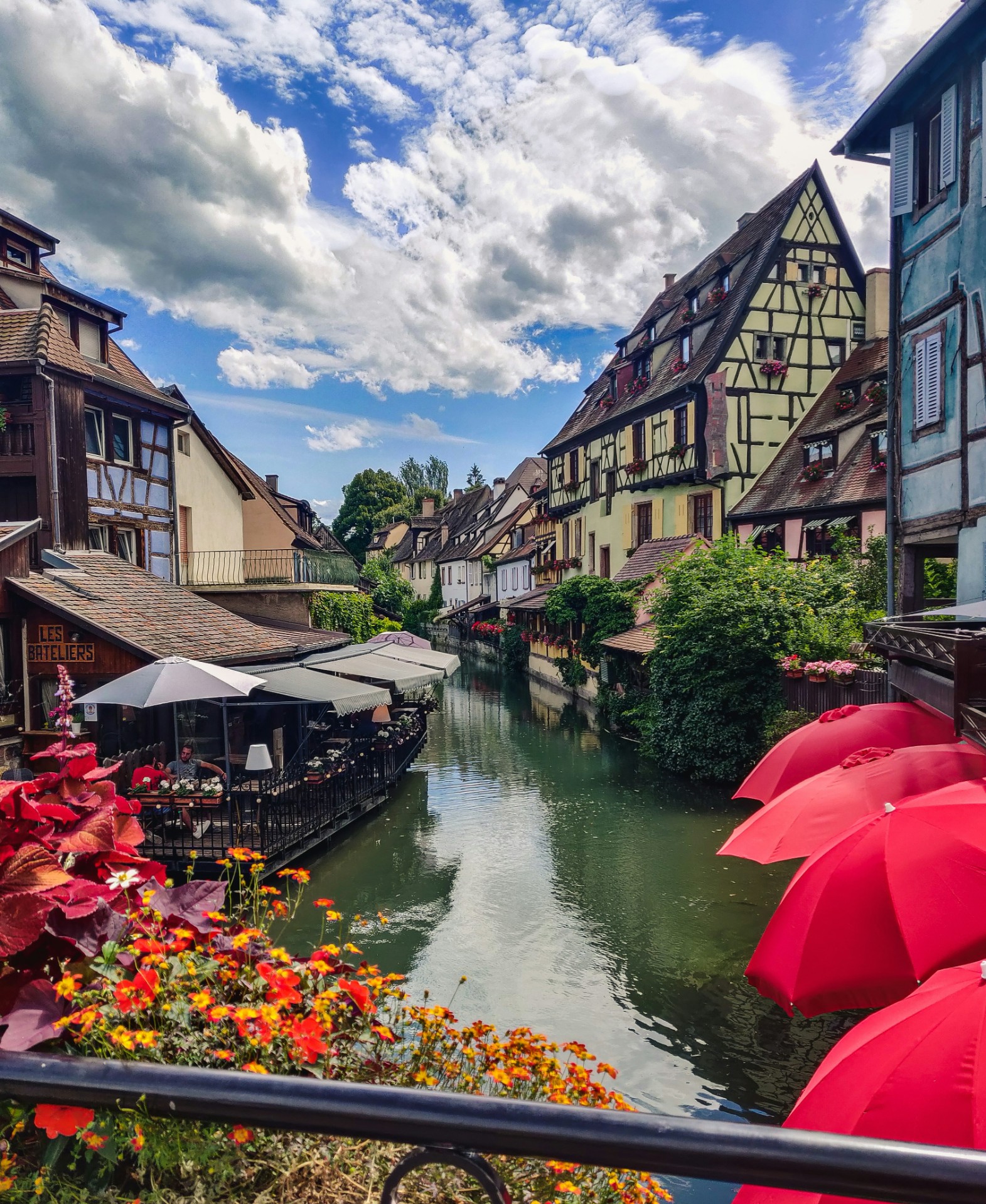
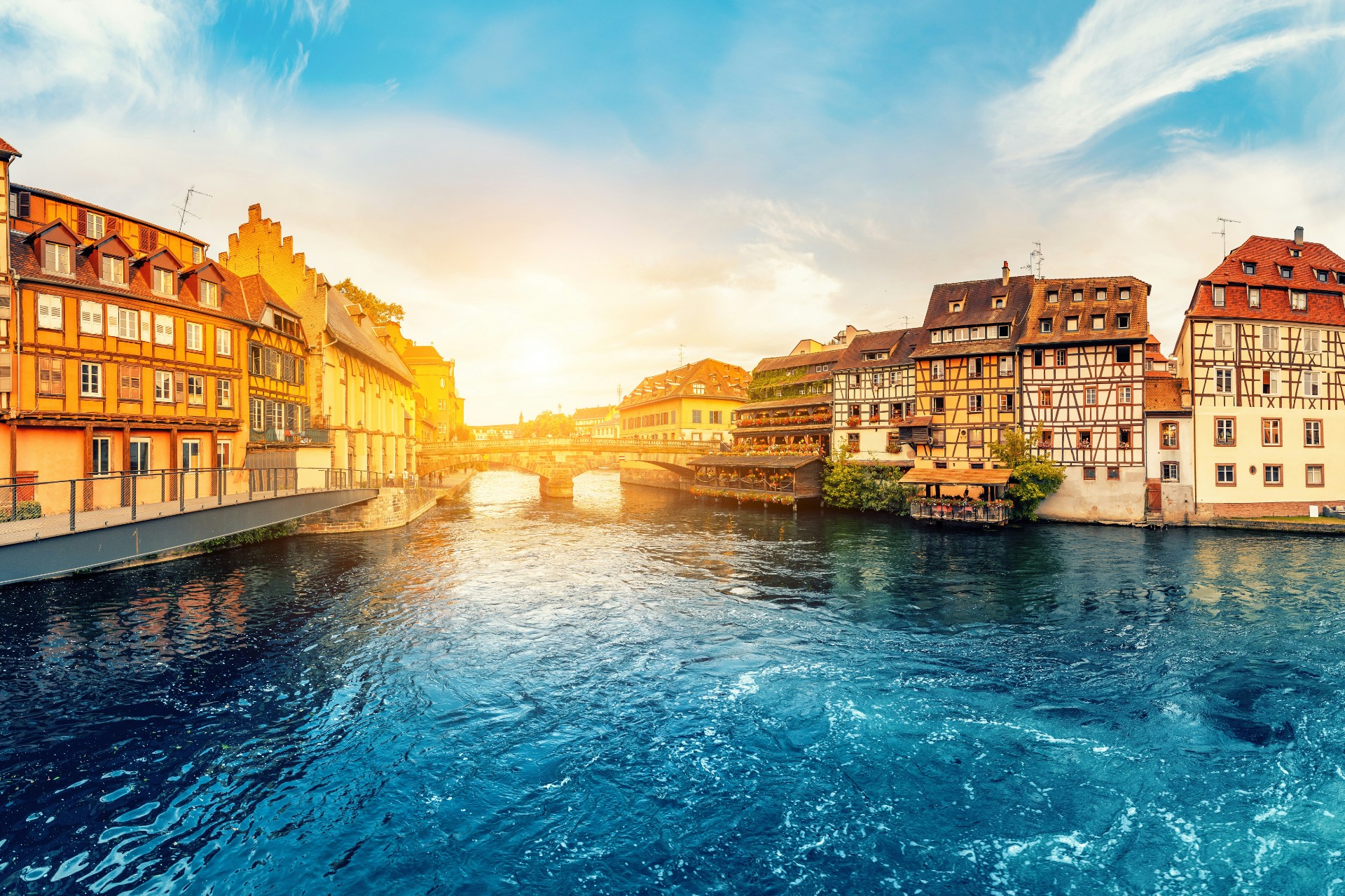
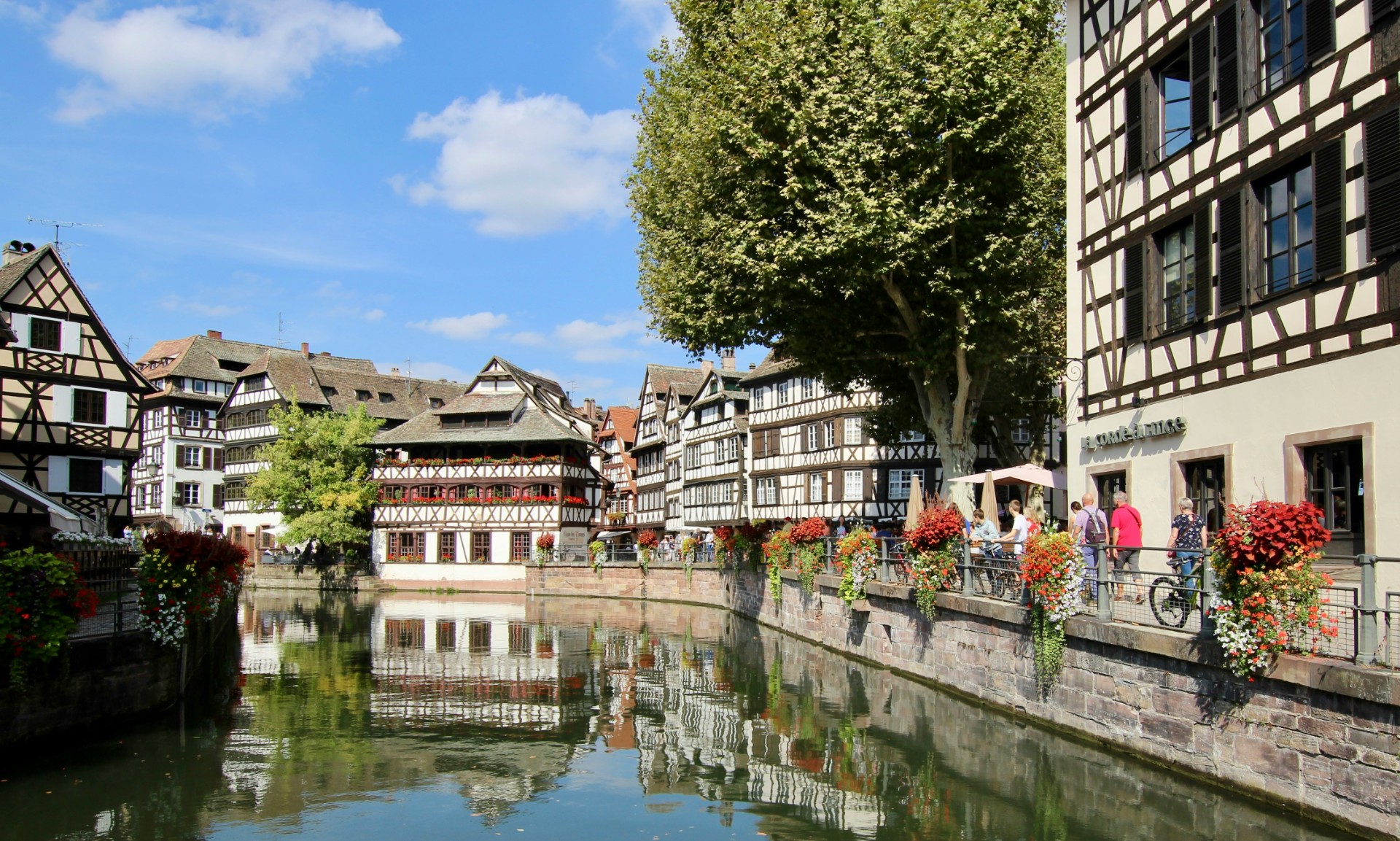
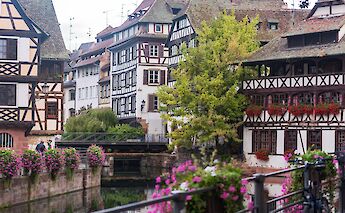
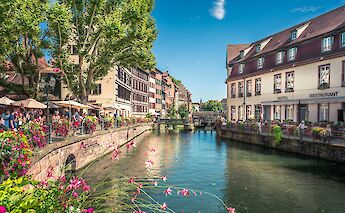
This bicycle tour takes you along the Alsace Wine Route and the banks of the Rhine on well-marked bike paths and canalside trails. Along the way, you’ll pass through flower-filled villages, medieval castles, and winegrowing towns such as Eguisheim, Riquewihr, and Kaysersberg. The itinerary also includes time in Strasbourg, with its Gothic cathedral and La Petite France district, and in Colmar, known for its half-timbered old town, Little Venice canals, and the Unterlinden Museum.
With its blend of cycling routes, cultural landmarks, wine tastings, and local gastronomy, this Alsace bike tour is an ideal way to experience one of France’s most distinctive regions.

German Influences in a Very Different Culture
“This was our tenth European bike tour. We have pedaled many of the countries around Germany, but never in France. Beginning in Strasbourg, the rich history and architecture of the…” Full Review
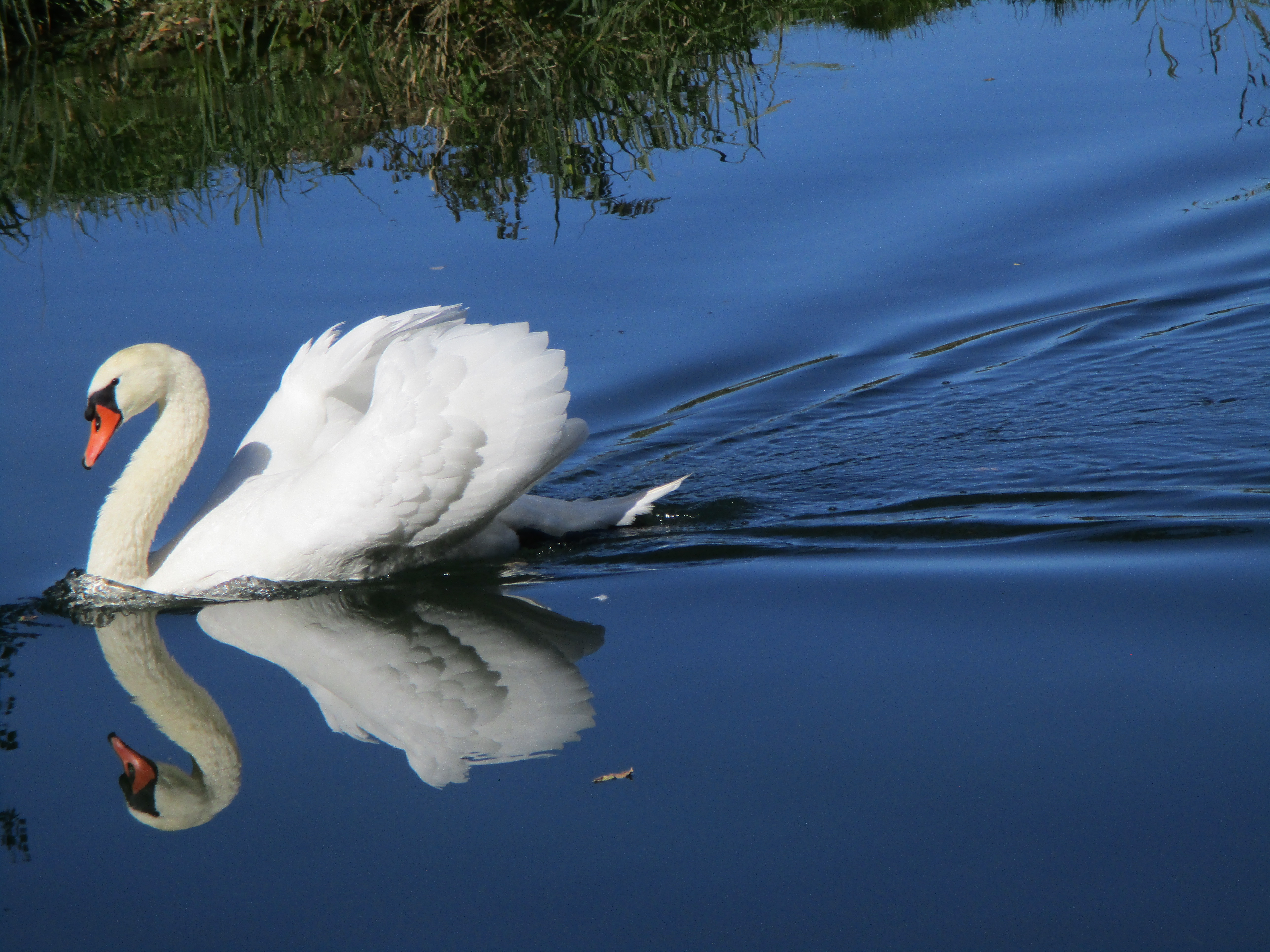
“This was our tenth European bike tour. We have pedaled many of the countries around Germany, but never in France. Beginning in Strasbourg, the rich history and architecture of the region take their grasp. The first two days were flat and easy, enjoying the quiet between cornfields and canals. The quaint villages along the way are filled with stone and timbered houses, cobblestone streets and ponds with serene swans. Some of the hill country through the grape/wine road presented challenges, but nothing that could not be accomplished. We enjoyed the German influence on the local cuisine, along with the famous wines of the Alsace.” Less
—Denise
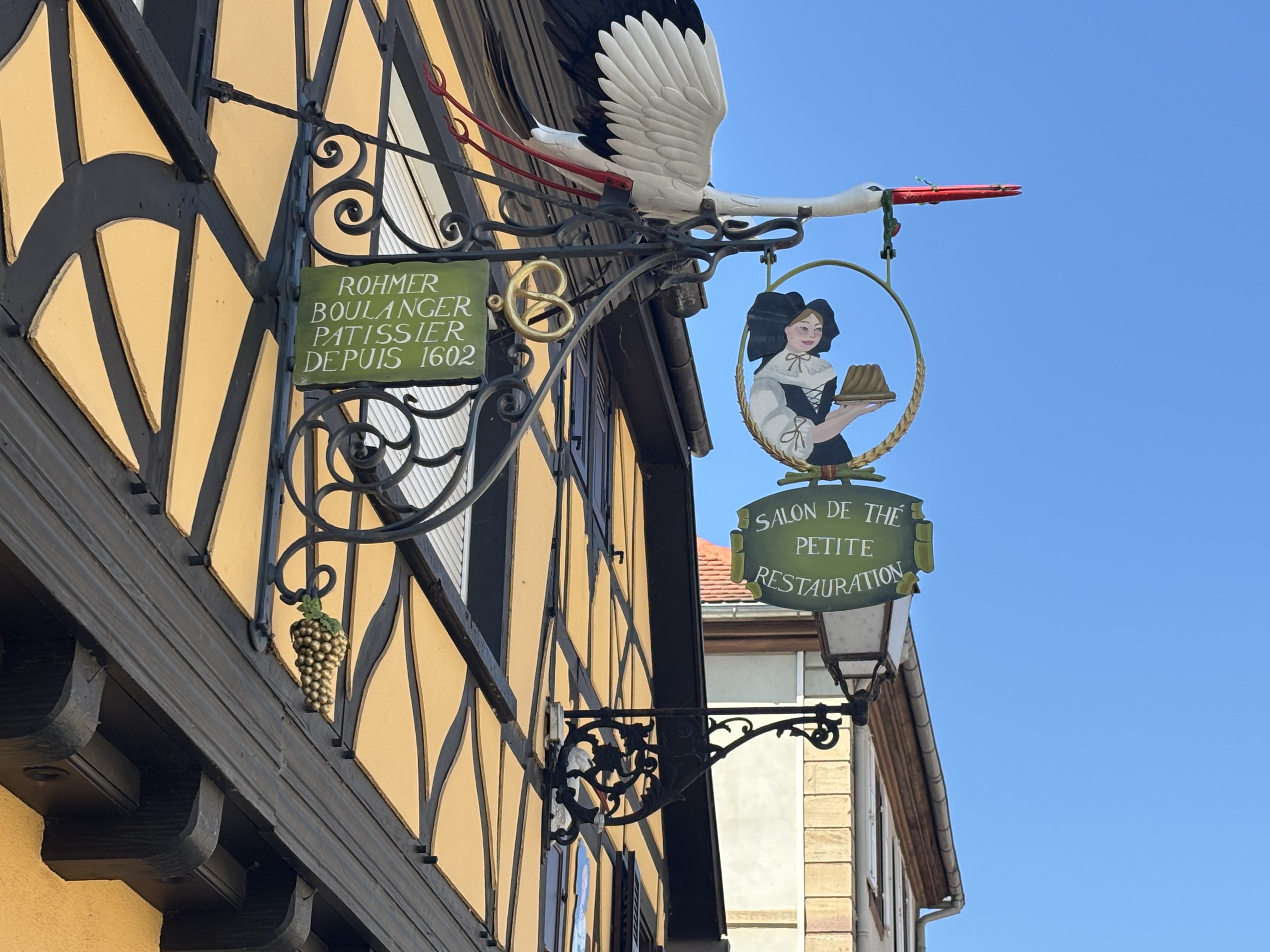
Tour de Storks
“Bicycling this area was a fantastic experience. I’ve biked many areas of Europe and I can say that the bike friendliness of Alsace is top notch. The villages were marvelous…” Full Review
“Bicycling this area was a fantastic experience. I’ve biked many areas of Europe and I can say that the bike friendliness of Alsace is top notch. The villages were marvelous and the wine was the best. We love the dry Rieslings.
Everything was smooth sailing, from the bicycles to the detailed GPX files. All the hotels were great and the variety was way cool.
I told my son, who lives in Switzerland that this route is a must do for him and my grandson.
We shared this experience with another couple (close friends) with the anticipation that we will do this trip again with them.
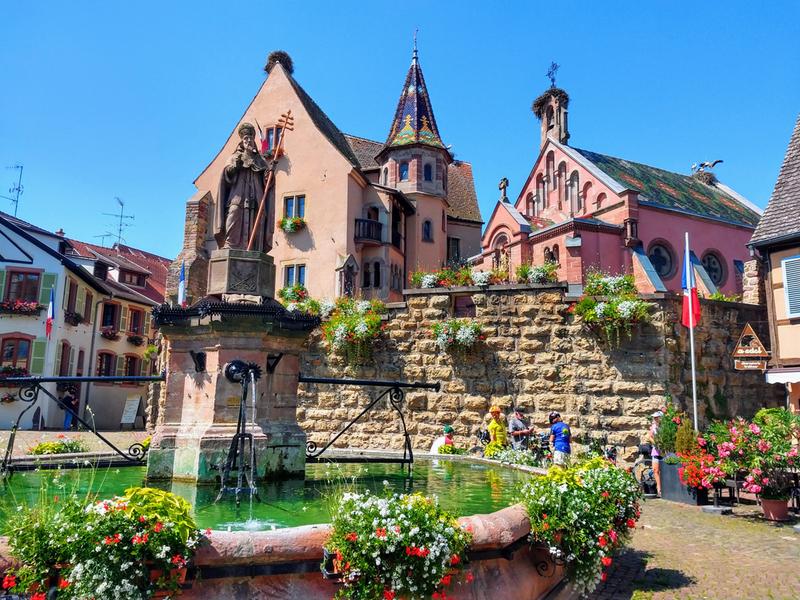
We saw 7 or 8 Stork nests on Church steeples, town wall towers, and other high places all with chicks. It was charming.
My hat is off to bike tours for a seamless experience.
BTW, the one rain we had was 20 minutes which we spent under an awning so no worries. Weather kharma!
My advice……book this one.” Less
—Greg C.
Simply Fantastic
“The trip was excellent. The hotels selected were generally good (one was exceptional, one was mildly disappointing, the rest were all just good). The tour was well planned and…” Full Review
“The trip was excellent. The hotels selected were generally good (one was exceptional, one was mildly disappointing, the rest were all just good). The tour was well planned and pretty easy to follow. The first leg of the trip was in the valley. This helped to acclimate our group for the wine hills to come. The little villages and wine were exceptionally beautiful. We found the customer service of bike tours and the partner tour operator were also very good. We will definitely use bike tours sometime in the not too distant future.
Important note: with an E-Bike the trip was pretty easy (according to my wife). However, with a standard bicycle, I found some of the hills to be quite challanging. The second to last day I burned roughly 2900 calories.” Less
—Buffalo
Daily Program
Day 1: Arrival in Strasbourg
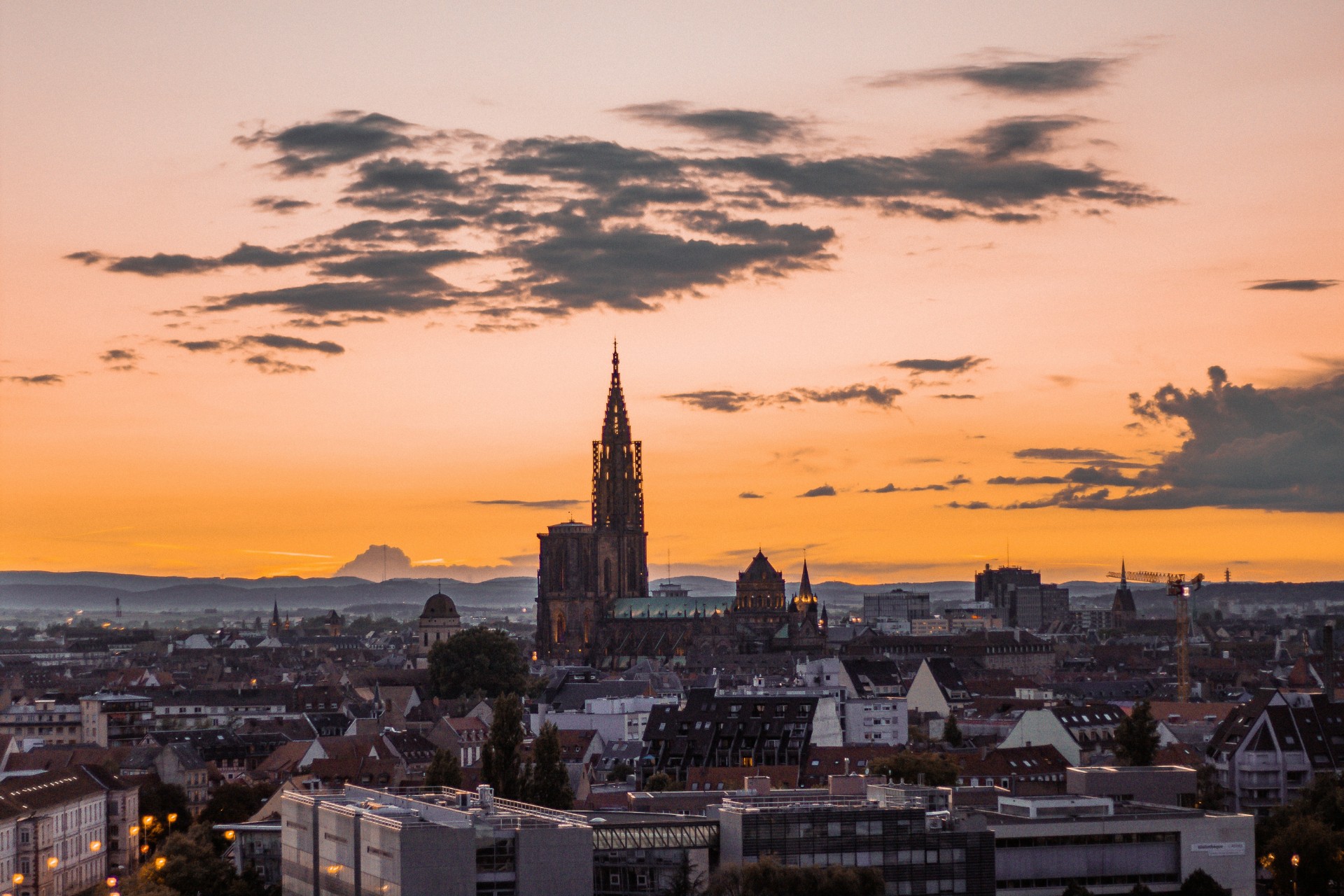
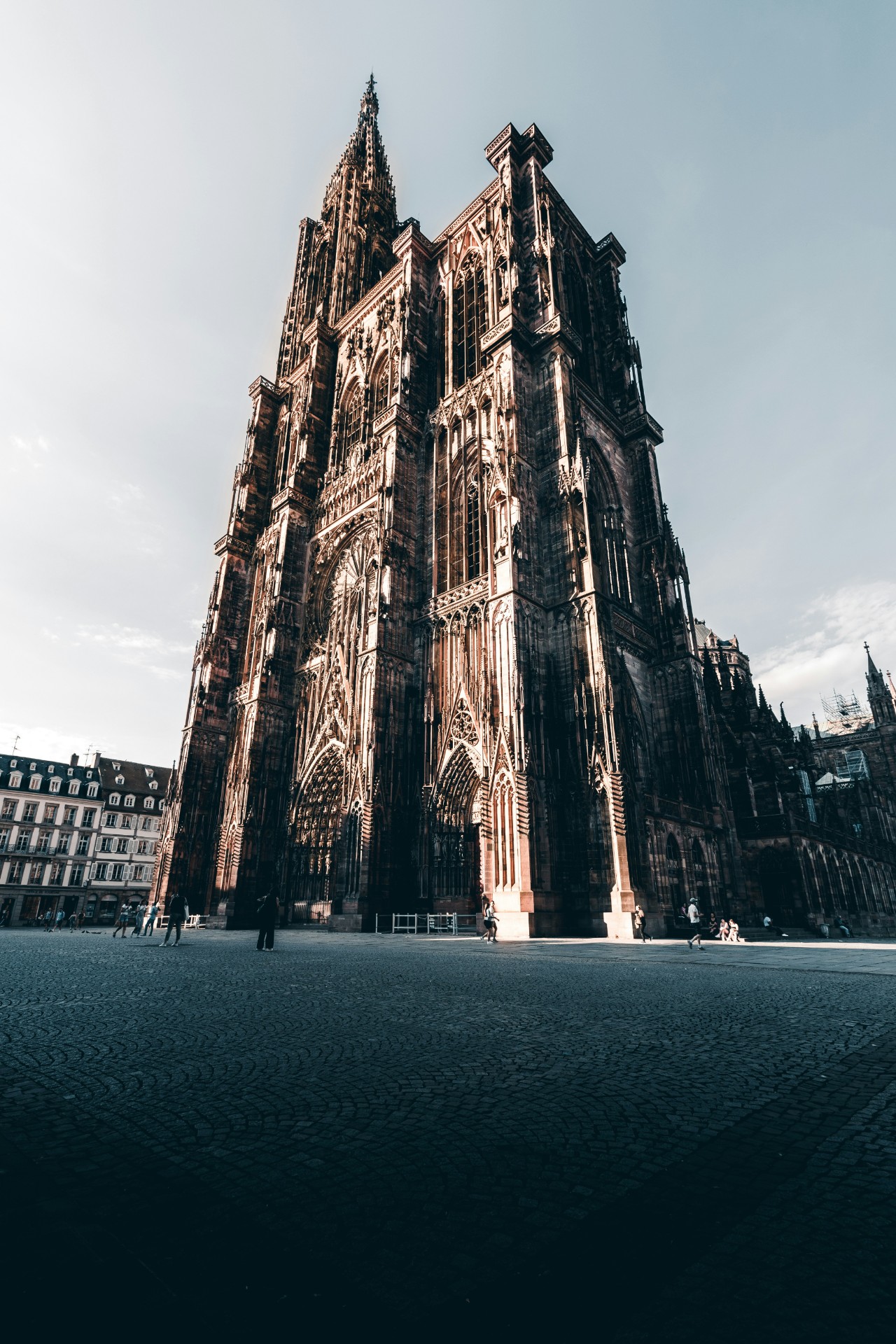
Arrive in Strasbourg and check into your hotel. Spend your free time exploring the city’s historic center, listed as a UNESCO World Heritage Site. Visit the Strasbourg Cathedral, an outstanding Gothic building with an astronomical clock, and walk through La Petite France, a district known for its canals and timber-framed houses.
Overnight in Strasbourg.
Day 2: Strasbourg – Sélestat area
34 mi / 55 km
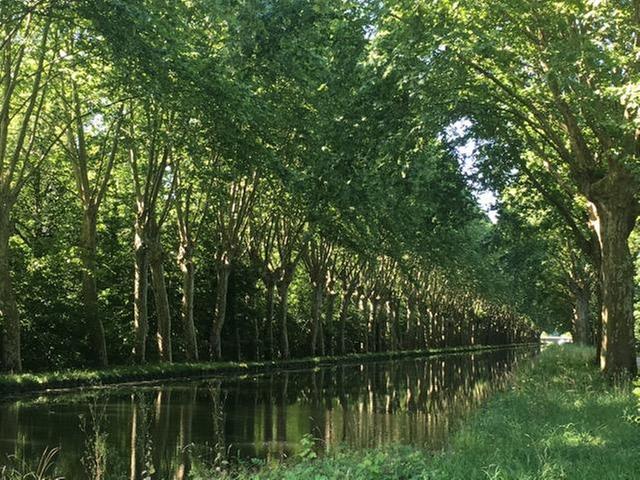
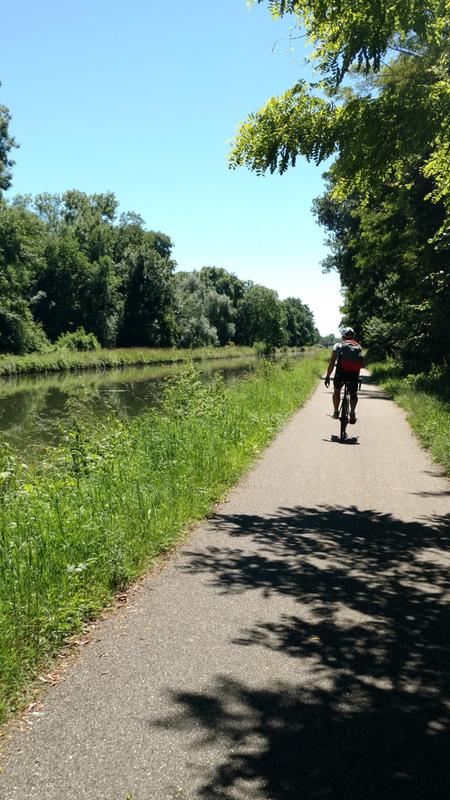
Cycle along the Rhône–Rhine Canal, passing through Osthouse and Saint-Hippolyte, before reaching Sélestat. The town has notable sites such as the Humanist Library, which preserves rare Renaissance manuscripts, and the churches of Saint-Georges and Sainte-Foy.
Overnight in Sélestat area.
Day 3: Sélestat area – Colmar
31 mi / 50 km
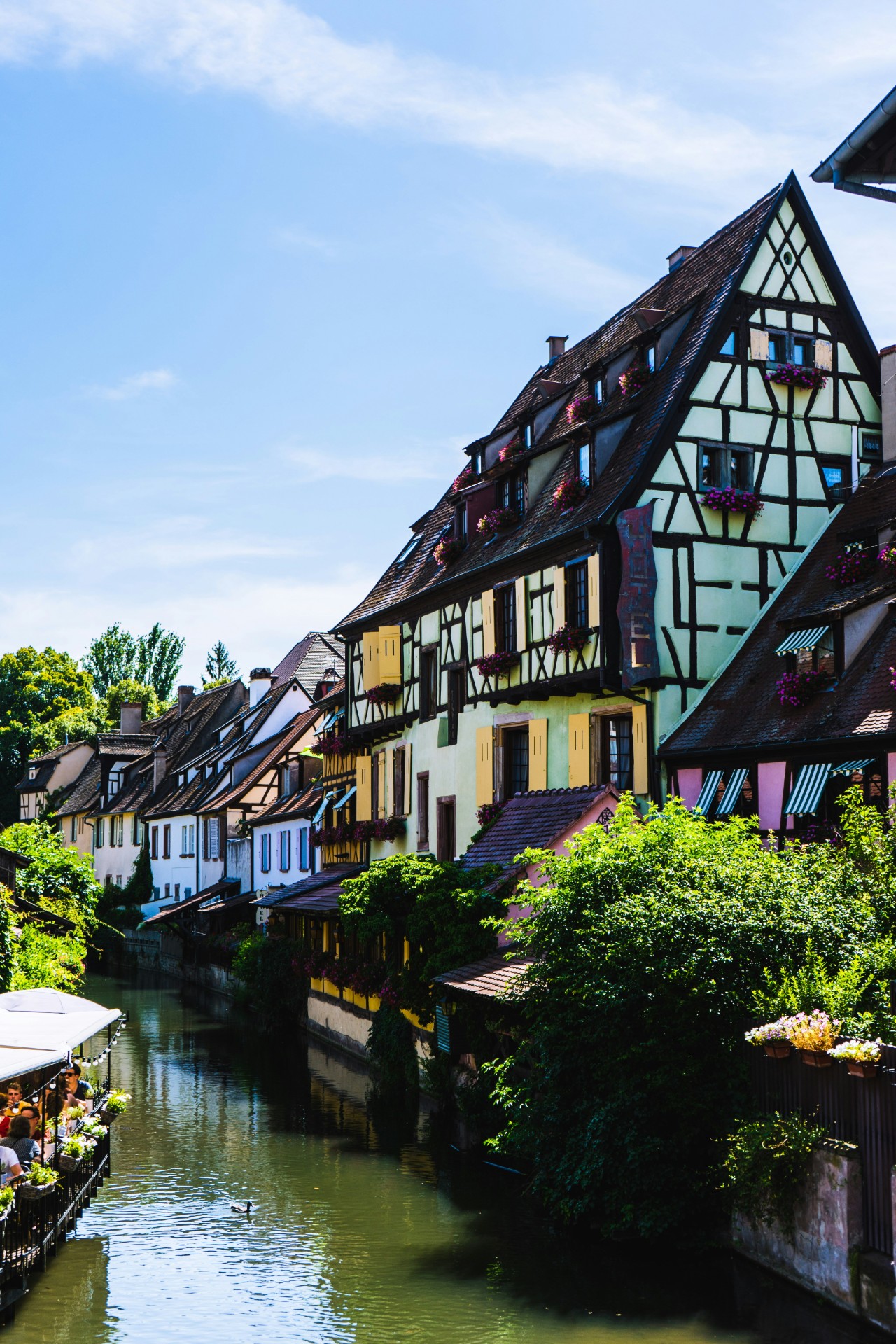
Begin the day with a visit to the Ebersmunster Abbey, a Baroque masterpiece designed in the early 18th century. The route continues through the villages of the Ried region, a landscape shaped by rivers and wetlands. This natural environment is home to many bird species and traditional farming communities. Following the canal south, you arrive in Colmar, often called the “Capital of Alsatian Wine.” Colmar is known for its preserved old town, Little Venice district, and the Unterlinden Museum, which features works such as the Isenheim Altarpiece.
Overnight in Colmar.
Day 4: Colmar – Riquewihr area
25 mi / 40 km
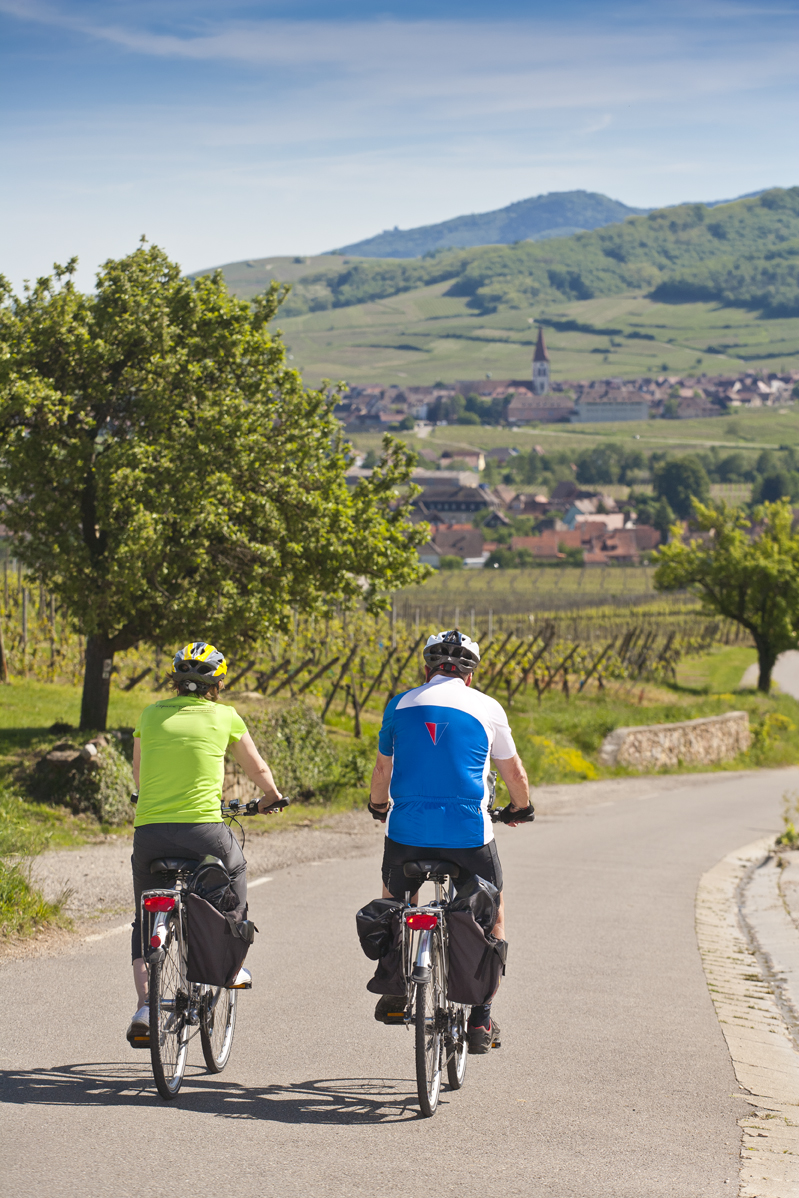
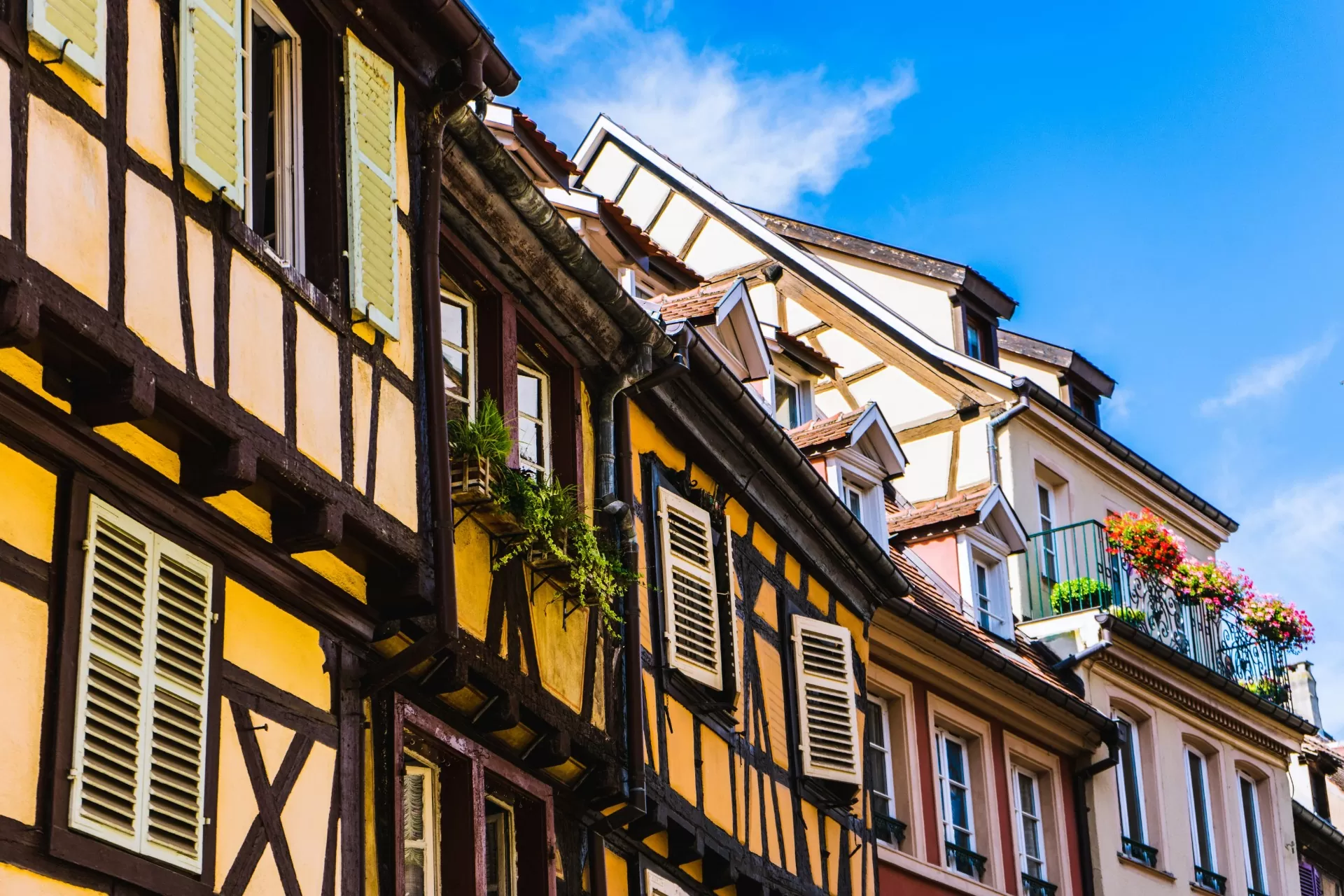
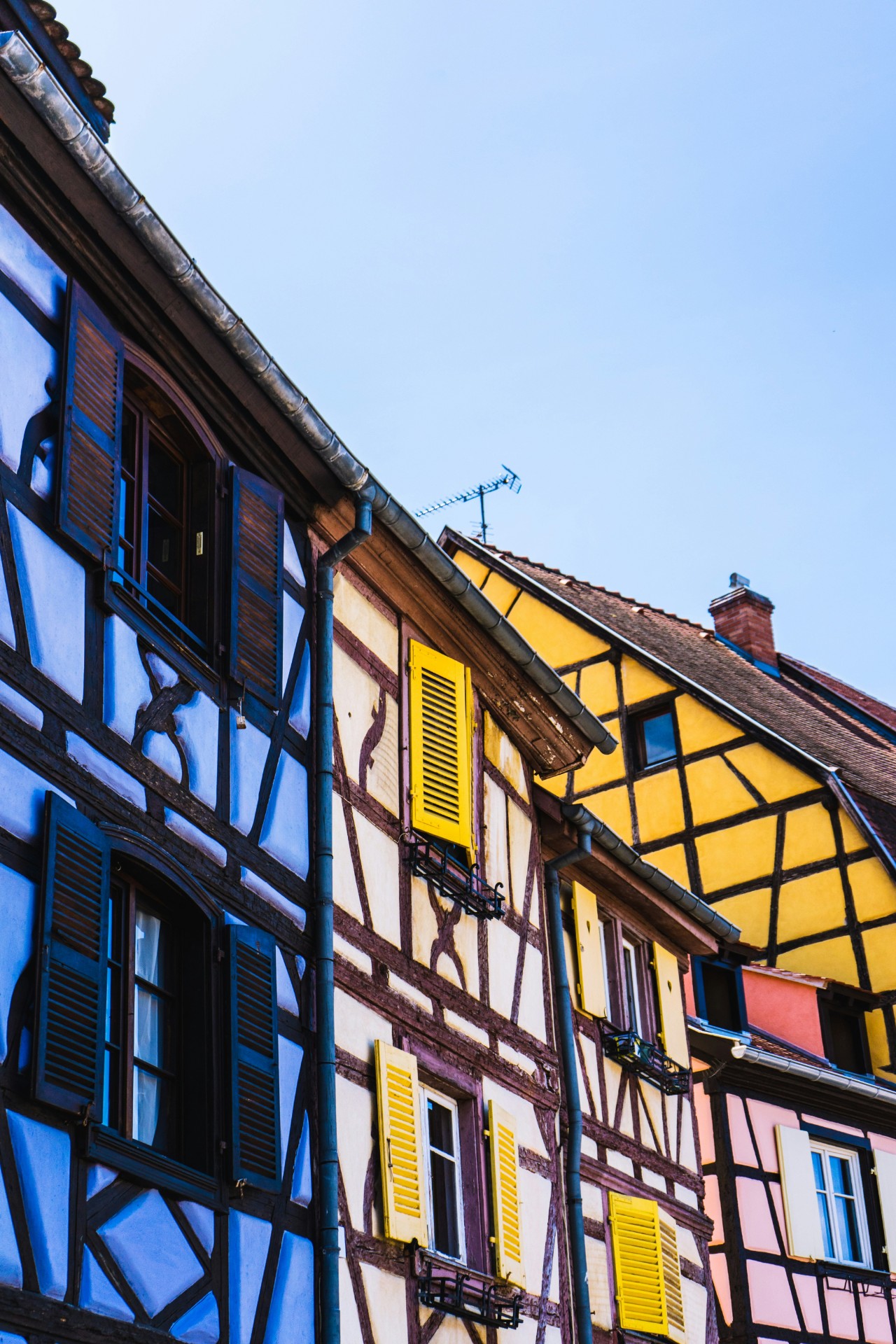
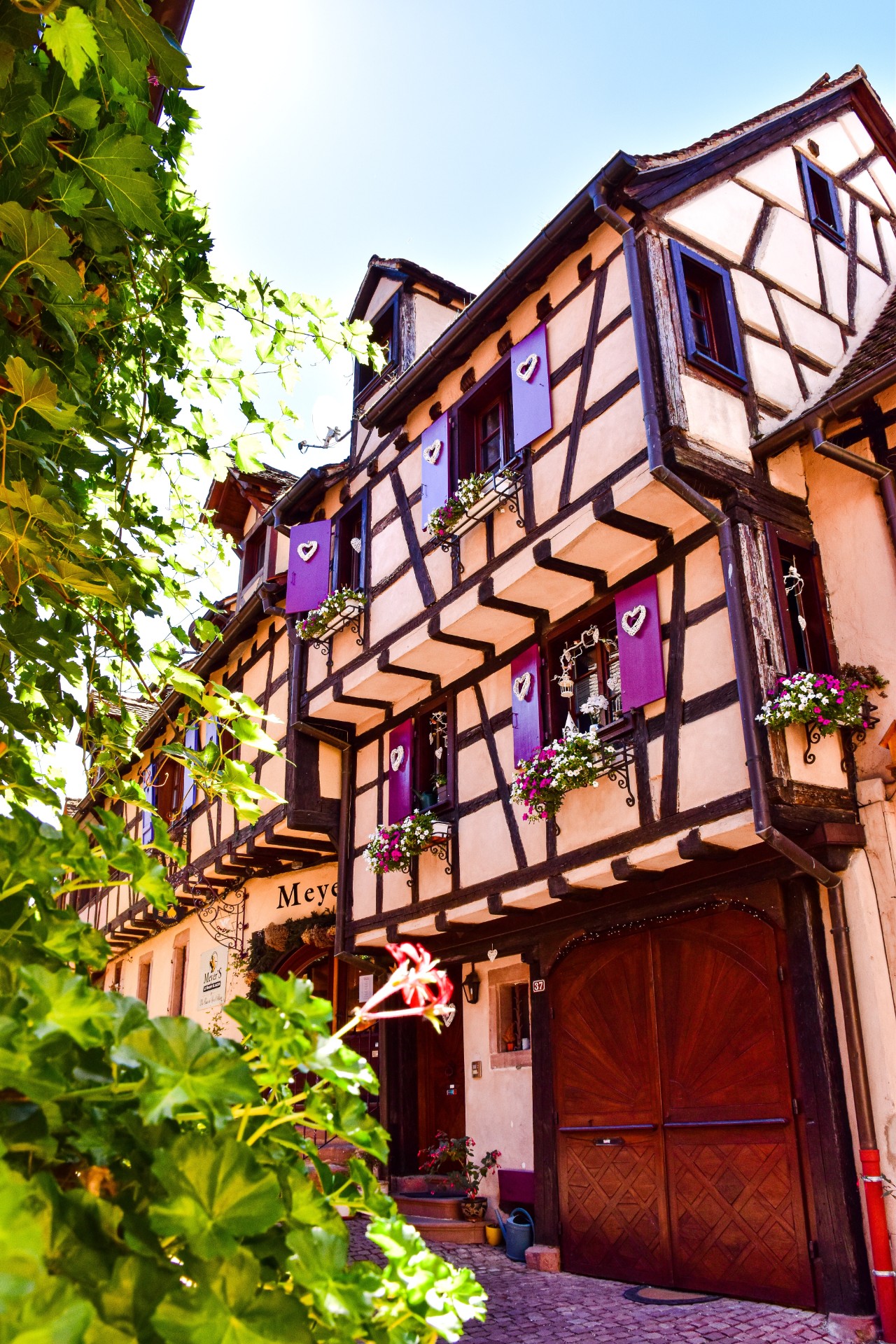
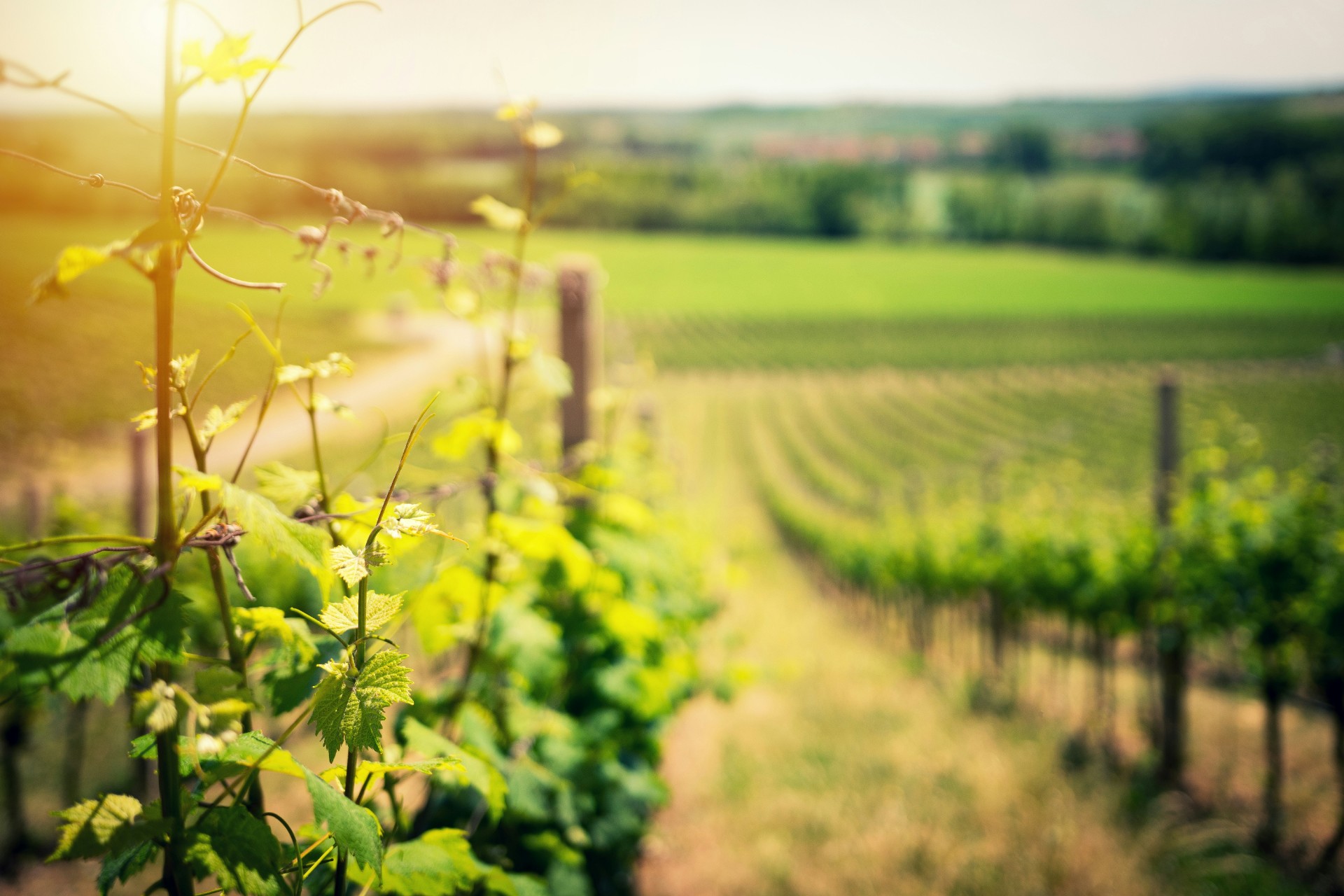
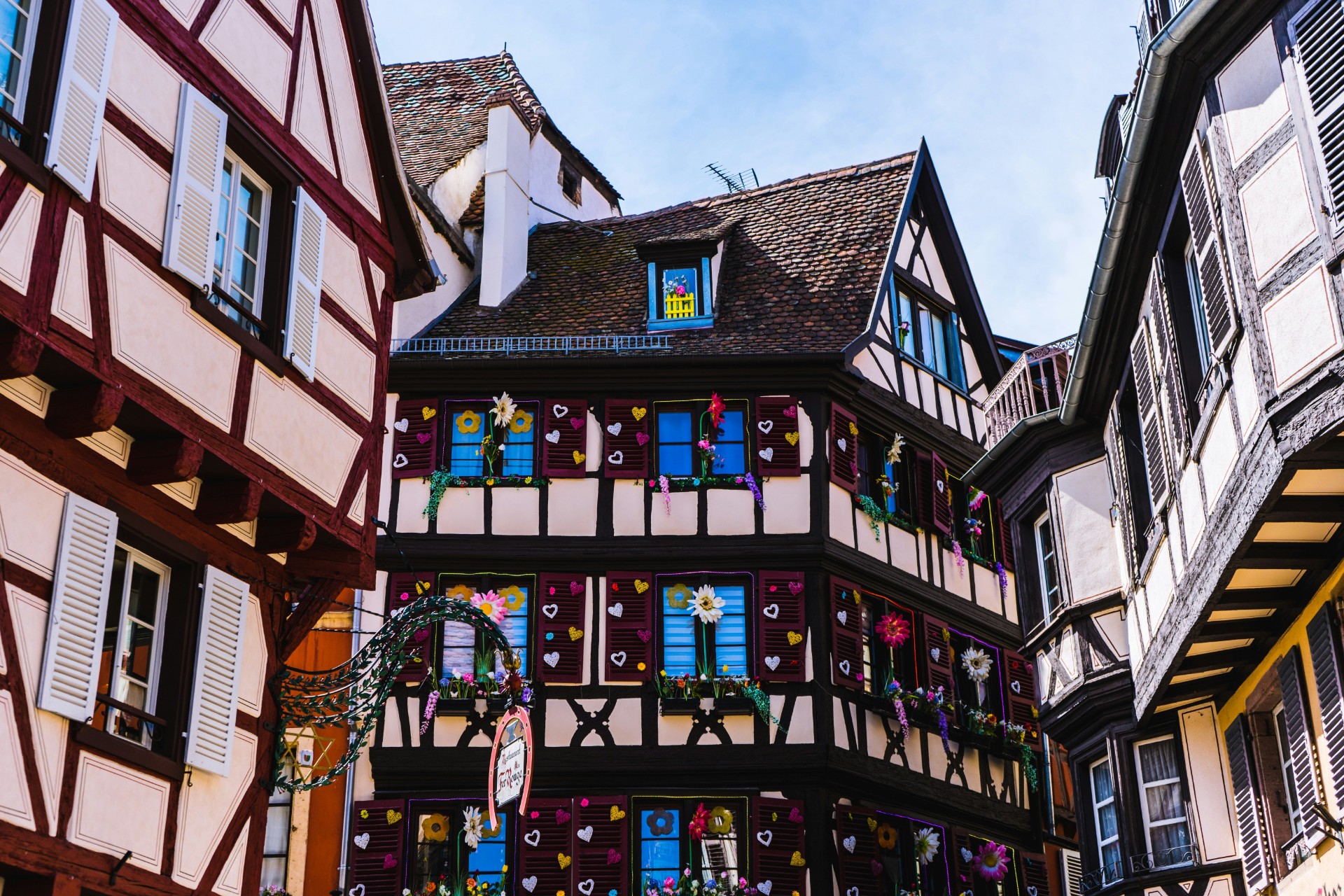
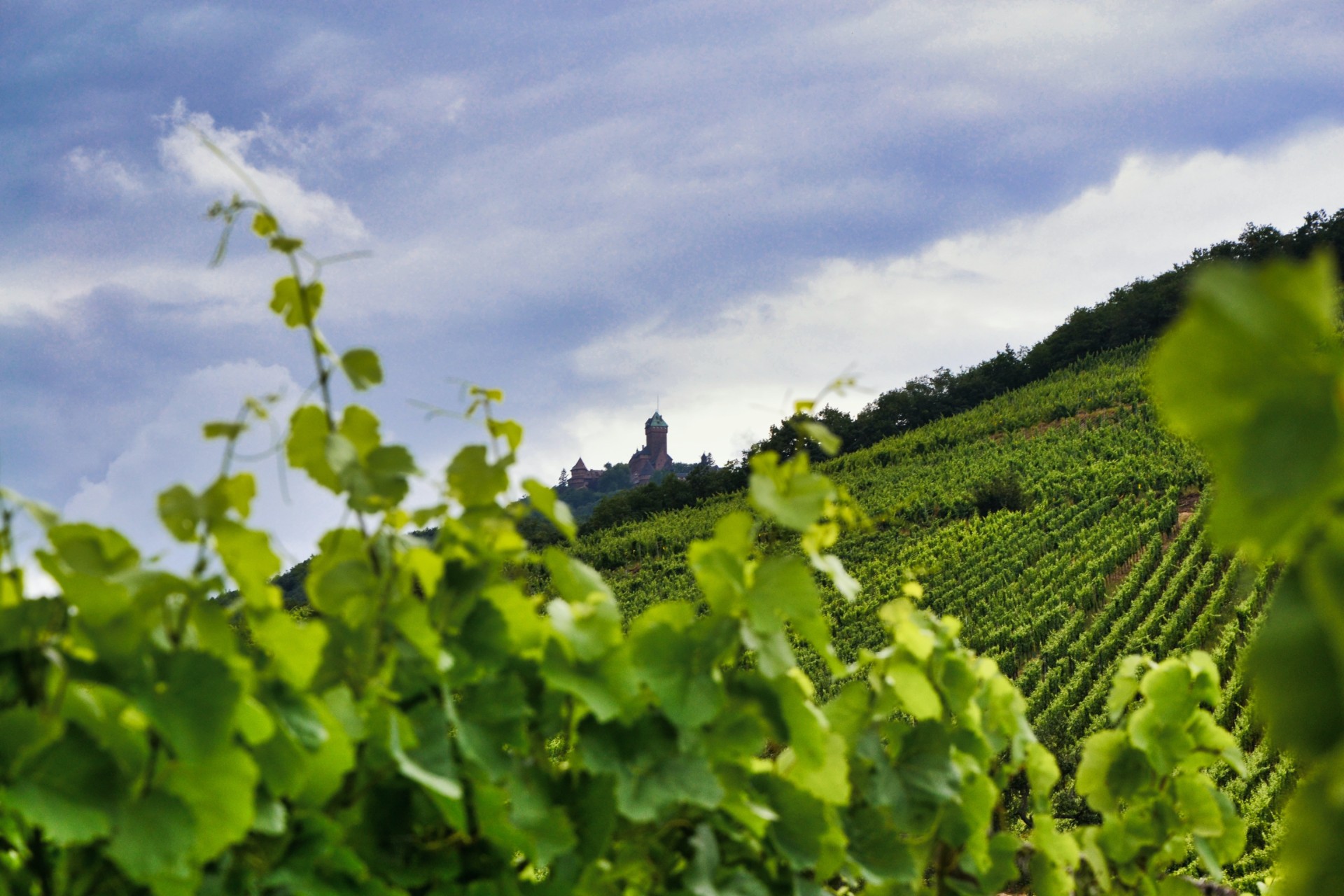
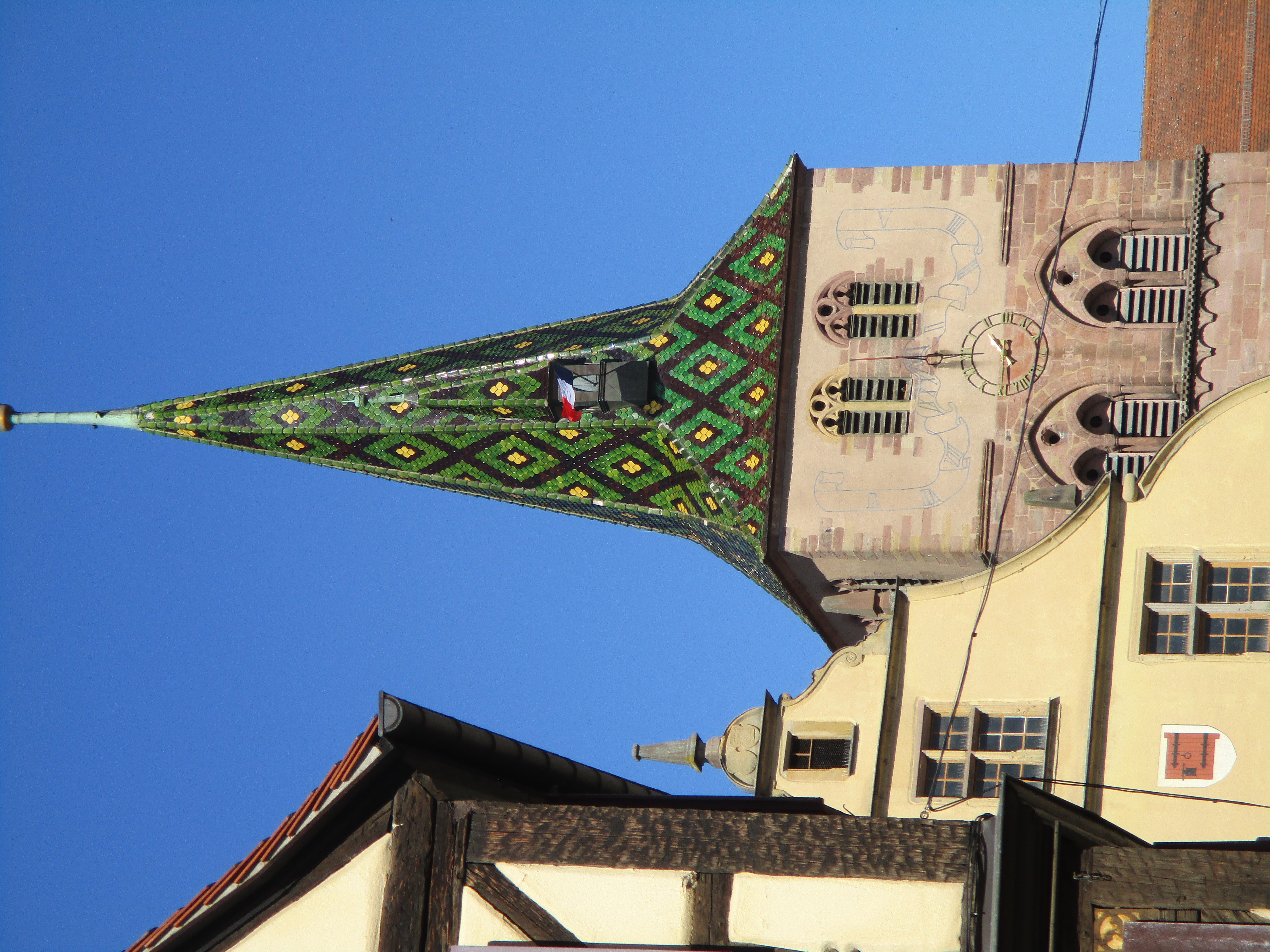
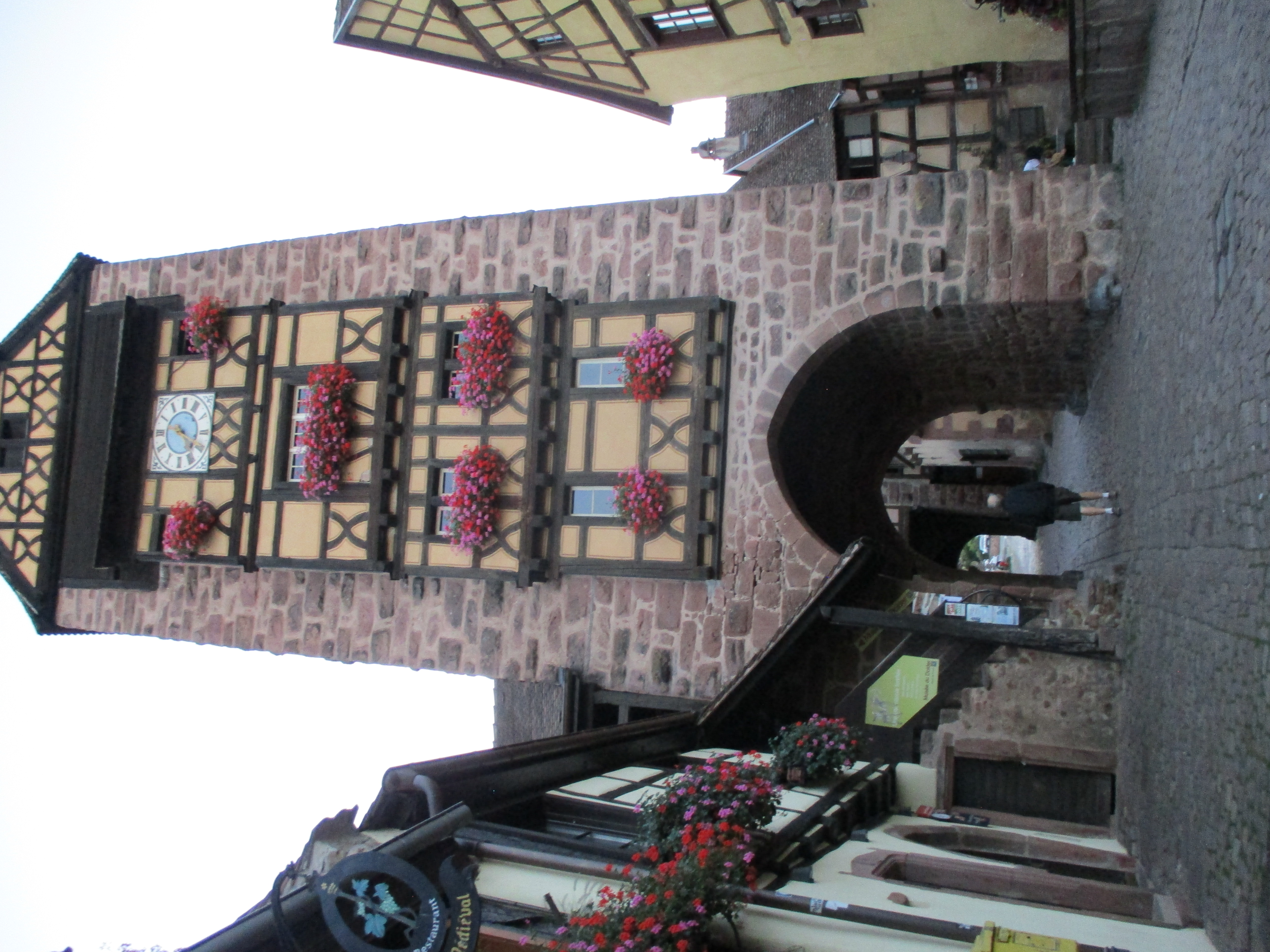
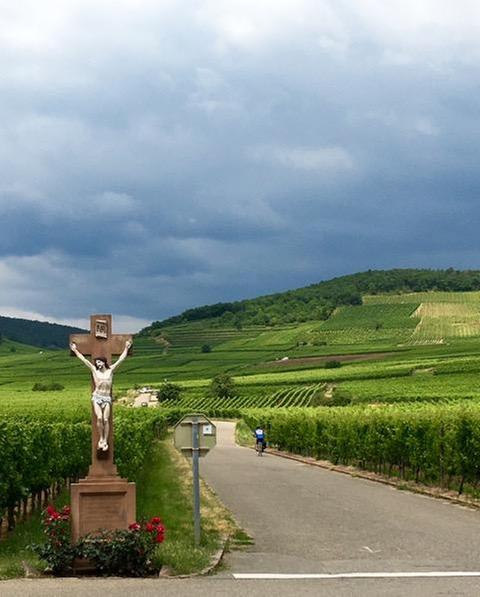
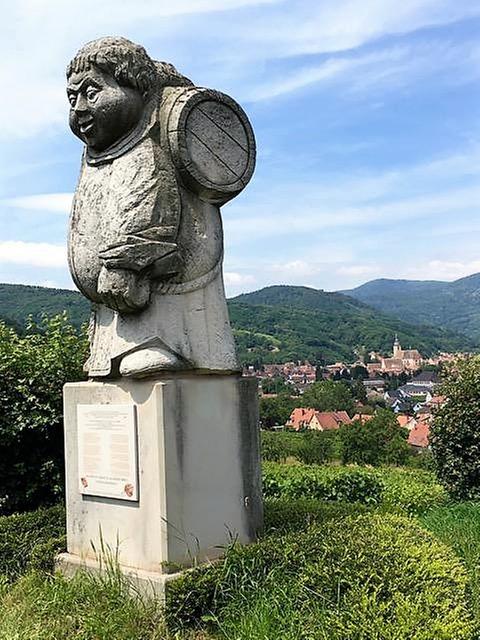
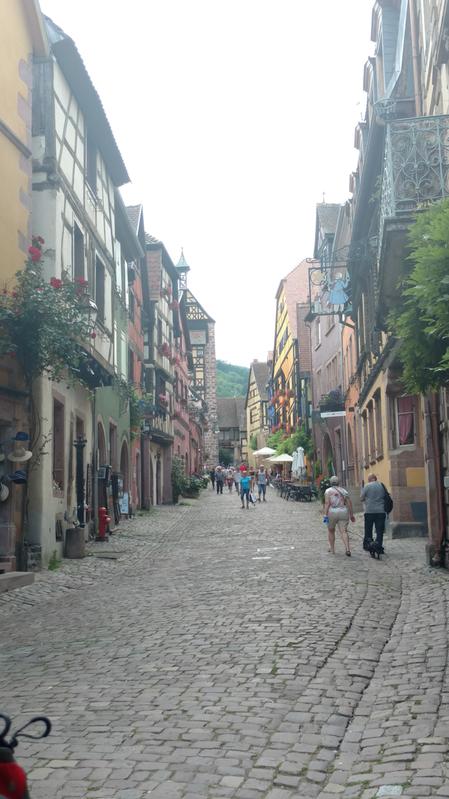
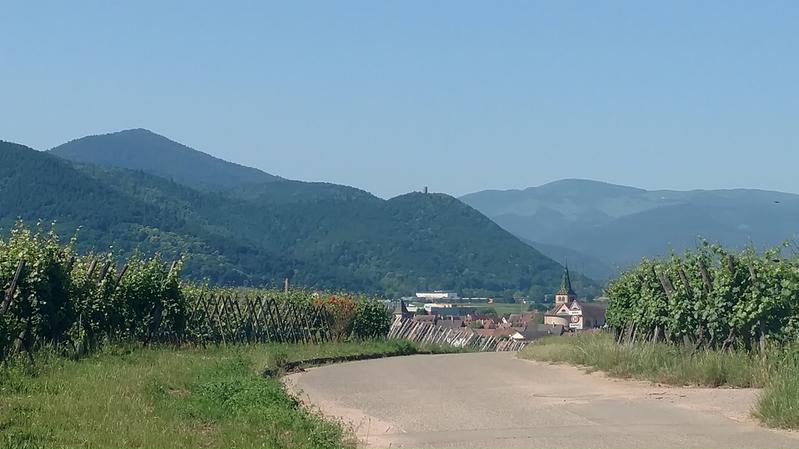
From Colmar, cycle across the Alsace plain and join the famous Alsace Wine Route. You'll pass through vineyards at the base of the Vosges Mountains. You’ll stop in renowned villages such as Eguisheim and Kaysersberg, both voted “Favorite Village of the French” (2013 and 2017). These towns are known for their wine production, cobbled streets, and colorful half-timbered houses..
Overnight in Riquewihr area.
Day 5: Riquewihr area – Obernai area
31 mi / 50 km
Continue along the Wine Route, where you’ll discover Hunawihr, Ribeauvillé, and Bergheim, each with distinct cultural and historical appeal. In Andlau, visit the Romanesque abbey before continuing toward Barr or Obernai. These towns offer opportunities to learn more about Alsatian folk traditions, regional gastronomy, and local biodiversity.
Overnight in Obernai area.
Day 6: Obernai area – Strasbourg
25 mi / 40 km
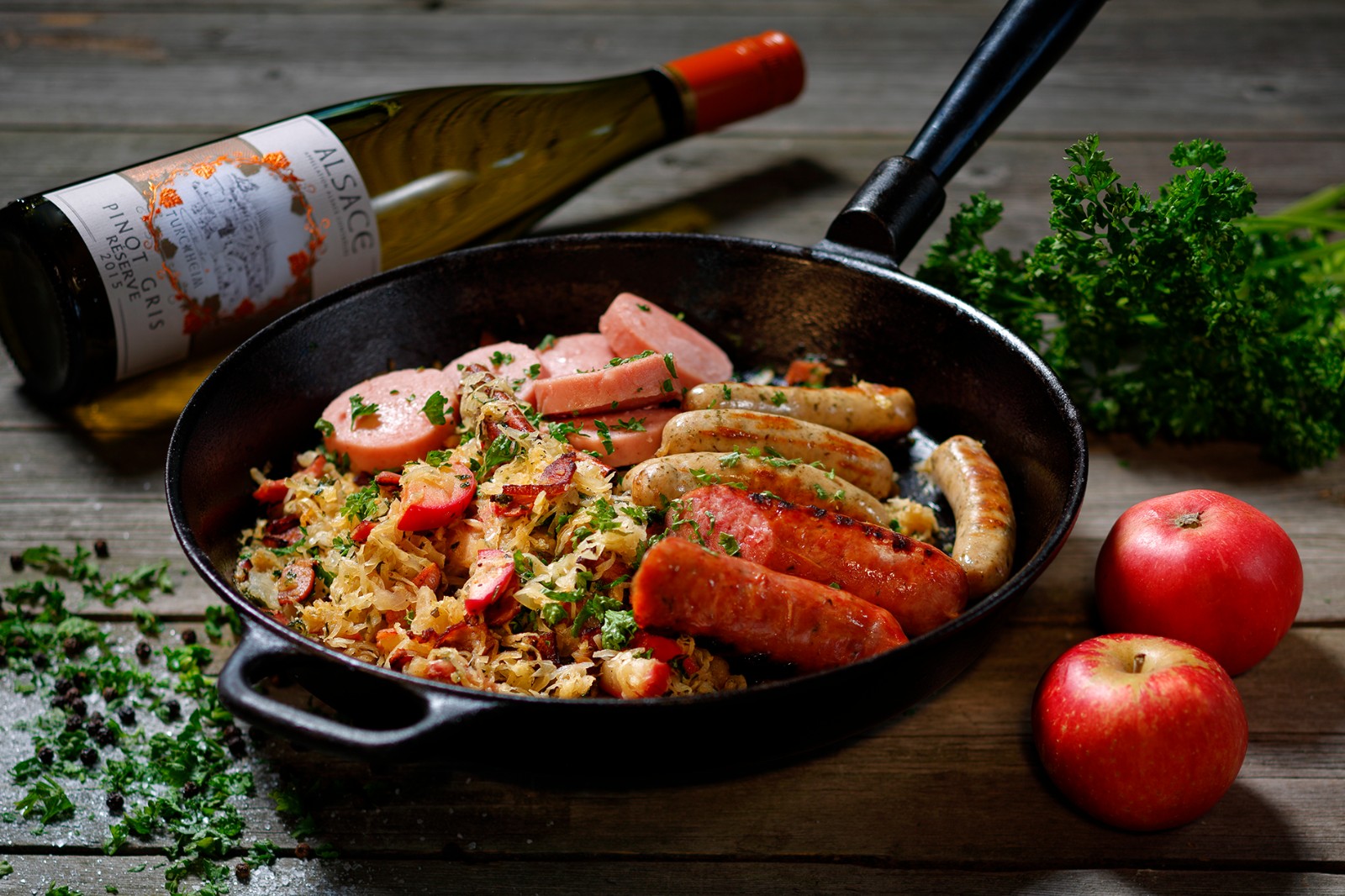
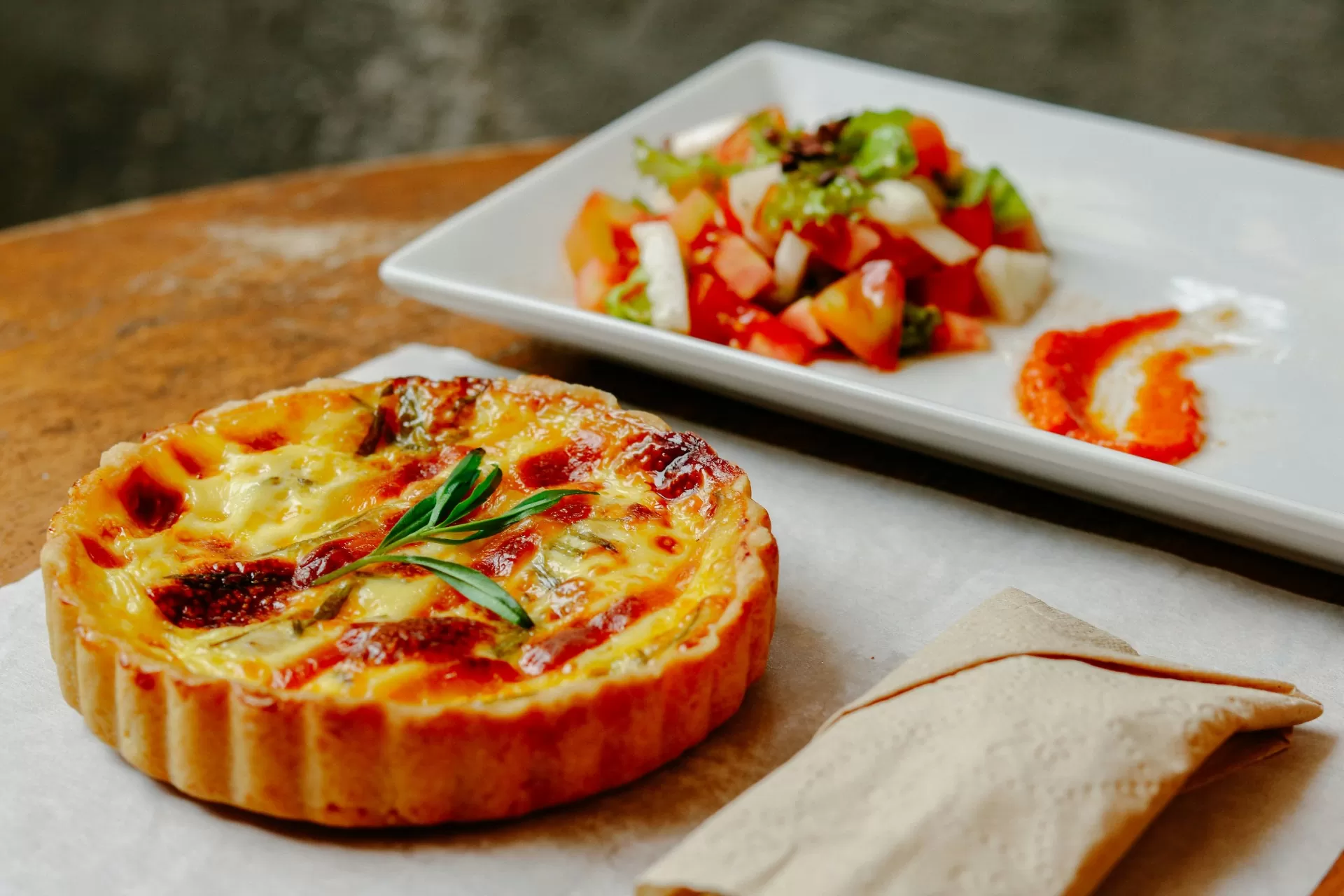
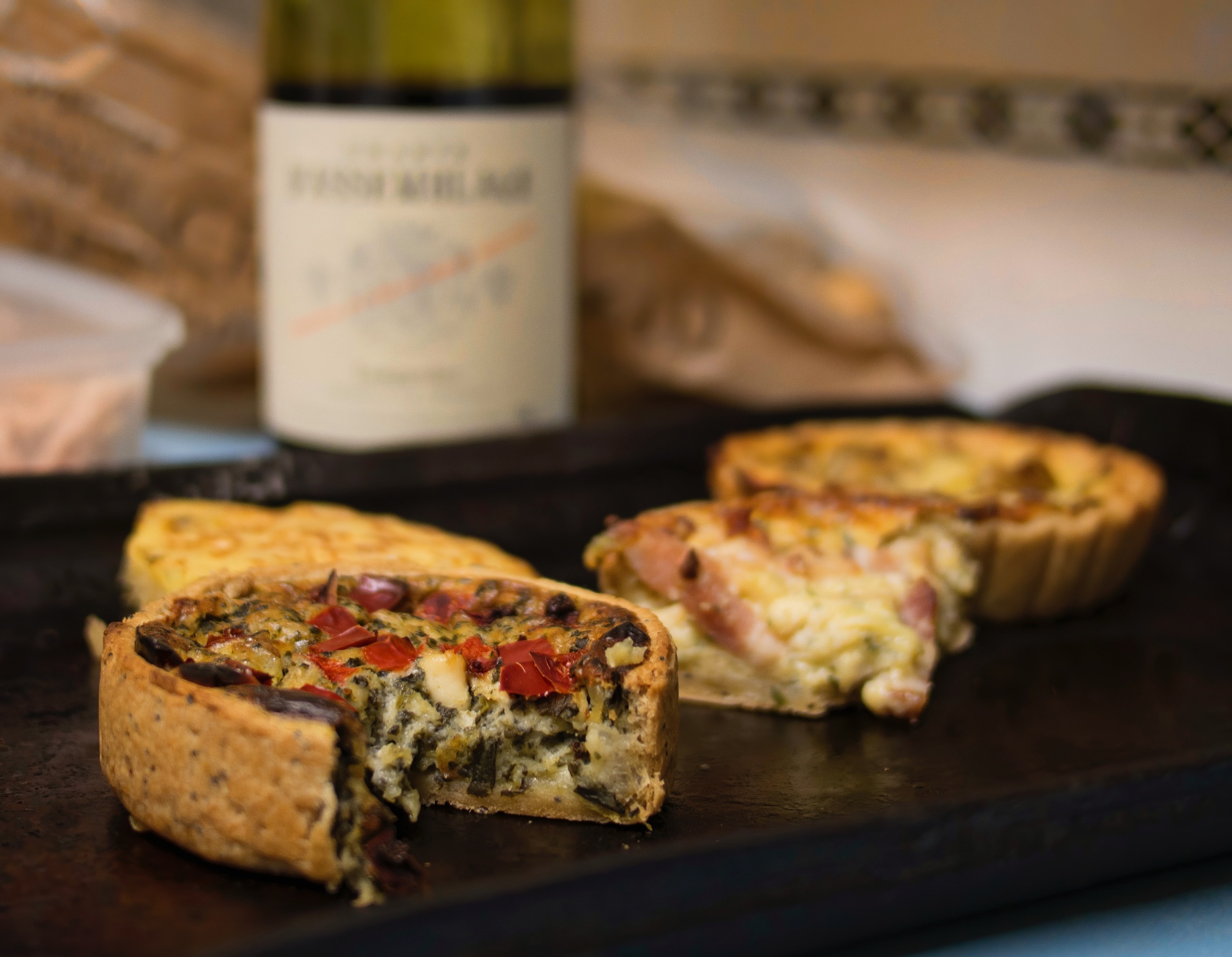
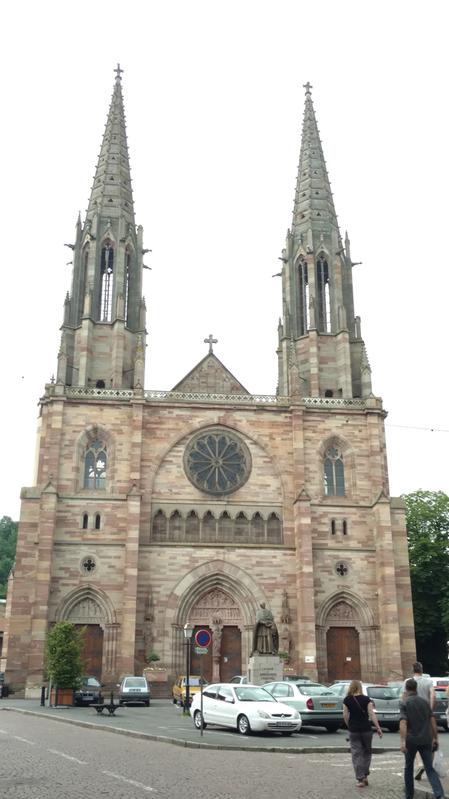
On the final route, stop in Rosheim to see the Saints-Pierre-et-Paul Church, one of the most important Romanesque buildings in Alsace. Cycle onward to Molsheim, historically connected to the Bugatti automobile brand, before joining the Bruche Canal cycle path. This route brings you directly back into Strasbourg. Conclude your journey with a final evening in the city, enjoying Alsatian cuisine such as tarte flambée or choucroute, before departure or an optional stay extension.
Please note that this tour ends on a cycling day. We recommend adding an additional night in Strasbourg.
Hotels
These are sample hotels and may vary based on availability.
Charm: 4- and 5-star hotels
Strasbourg: Regent Petite France – www.regent-petite-france.com
Sélestat: Auberge de l’Illwald – www.illwald.fr
Colmar: Les Têtes –www.maisondestetes.com
Riquewihr: Hôtel KLE – www.hotelkle.com
Obernai: La Diligence – https://hotel-diligence.com
Luxury: 5-star hotels
Strasbourg: Sofitel – www.sofitel-strasbourg.com
Sélestat (Illhaeusern): Hôtel des Berges Illhaeusern –www.auberge-de-l-ill.com
Colmar: Les Têtes – www.maisondestetes.com
Riquewihr: Le Chambard – www.lechambard.fr
Obernai (Barr): Les 5 Terres – https://5terres-hotel.fr
Interested in visiting other areas before or after your tour? Visit our hotels page to learn more about lodging options.
Bikes
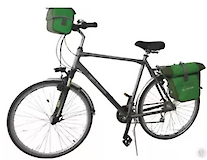
Standard touring bike
Unisex 21-speed freewheel bicycle
- Shimano Acera derailleur
- Shimano V-Brake front and rear brakes
- Unisex aluminum frame
- 28'' tires
Available frame sizes:
- 43 cm (suitable for a person measuring approx. 150-157 cm)
- 46 cm (suitable for a person measuring approx. 157-164 cm)
- 52 cm (suitable for a person measuring approx. 165-175 cm)
- 56 cm (suitable for a person measuring approx. 175-185 cm)
Men's 21-speed freewheel bike
- Shimano Acera derailleur
- Shimano V-Brake front and rear brakes
- Men's aluminum frame
- 28'' tires
Available frame sizes:
- 52 cm (suitable for a person measuring approx. 165-175 cm)
- 56 cm (suitable for a person measuring approx. 175-185 cm)
- 60 cm (suitable for a person measuring approx. 180-200 cm)
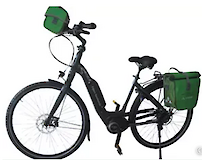
Electrically-assisted bike
Electrically-assisted bike
- 3 levels of electric assistance
- 8 speeds integrated into the hub
- Bosch Active Line motor
- Bosch power pack 500 battery
- Shimano Déore front and rear disc brakes, backpedaling
- Autonomy: 90 km on average
- Unisex frame
- 28'' tires
Available frame sizes:
- 45 cm (suitable for a person measuring approx. 155-165 cm)
- 520 cm (suitable for a person measuring approx. 165-175 cm)
- 55 cm (suitable for a person measuring approx. 185-200 cm)
*More about electrically-assisted bikes >
All rentals are equipped with:
- Waterproof handlebar bag and rear pannier
- Bike lock
- Repair kit with small tool and spare tube
- Pump
Pedals:
The bikes will have flat pedals. If you want to bring your own pedals, please bring your own shoes and also the necessary equipment to change the pedals.
Helmets:
We recommend, for safety and hygiene purposes, that you bring your own helmet or plan to purchase one upon arrival. Helmets are not available for rent or purchase.
Surface and terrain
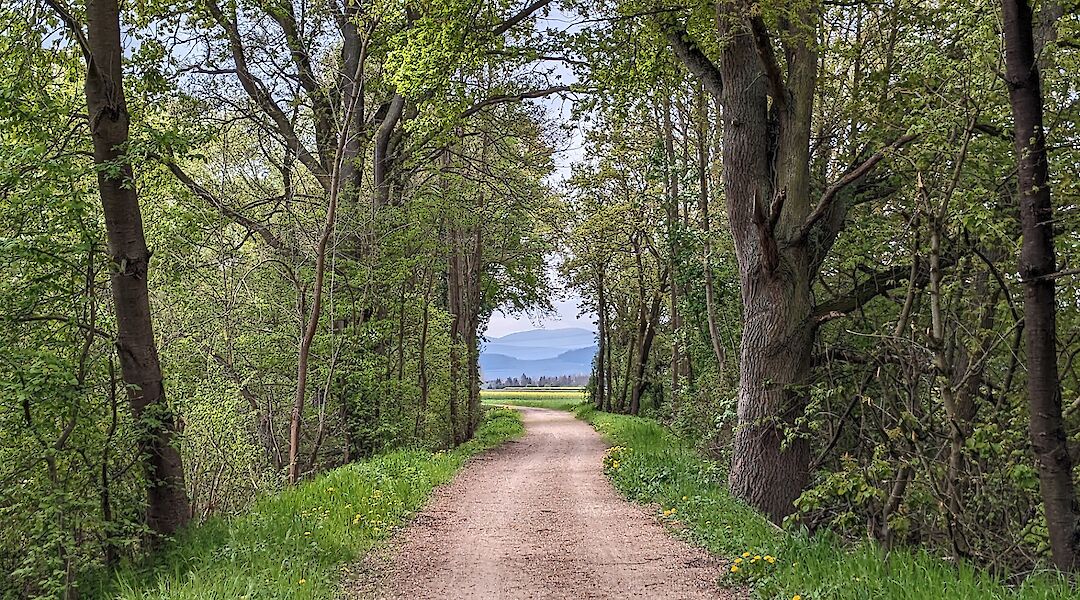
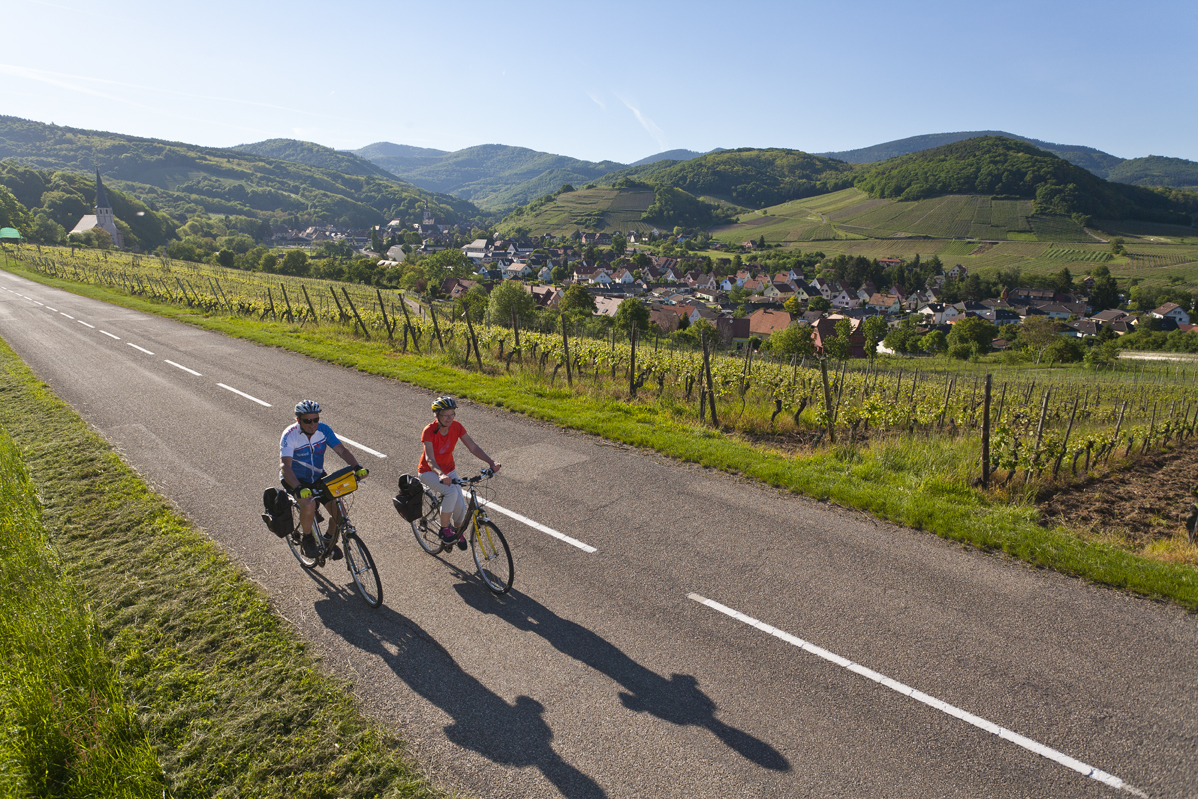
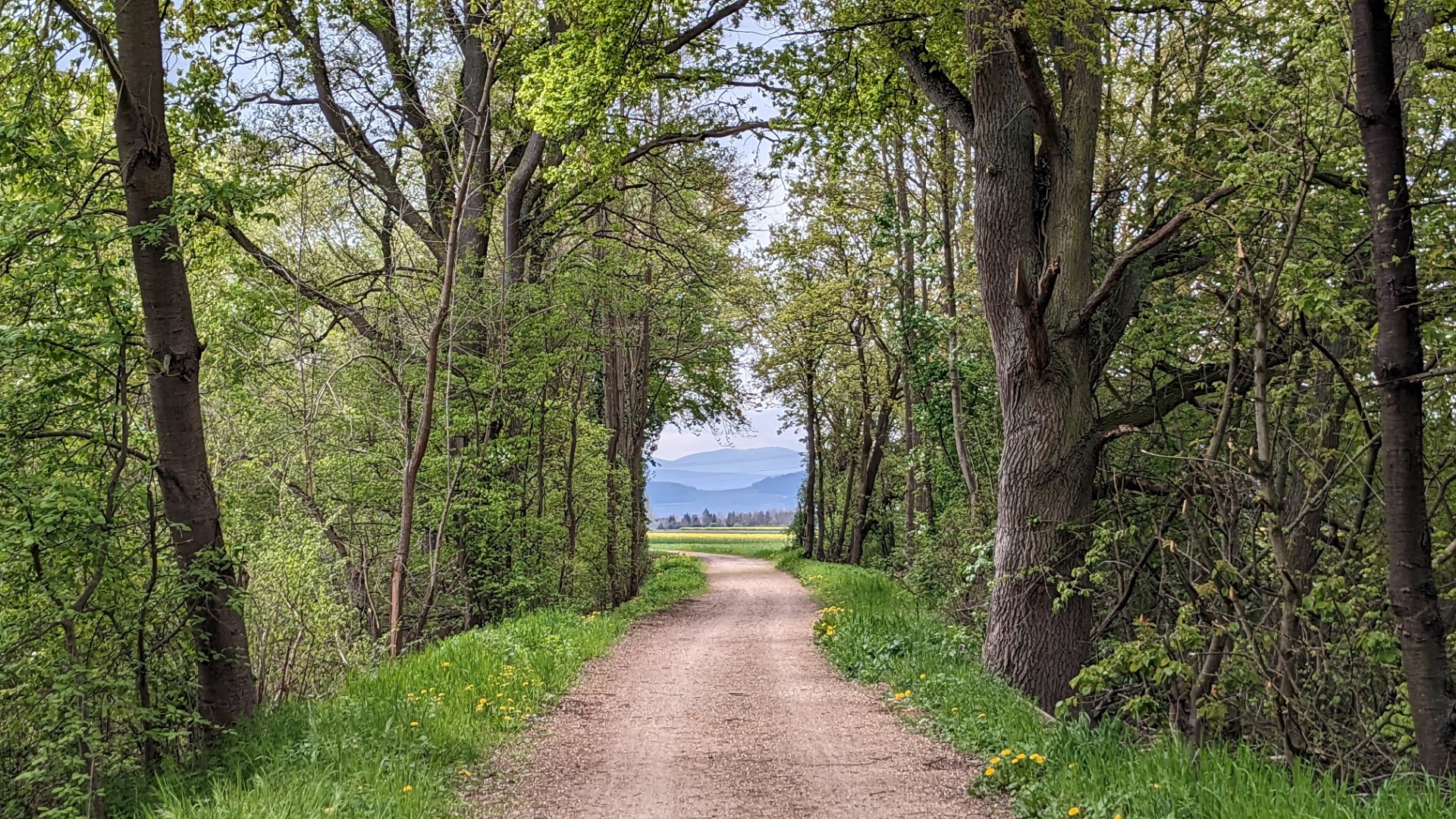
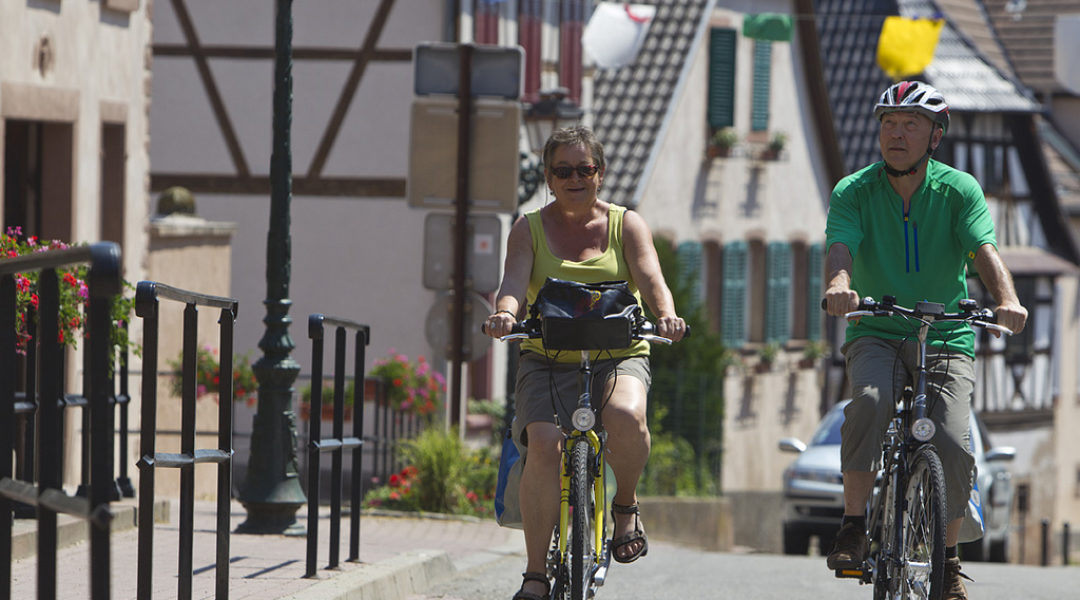
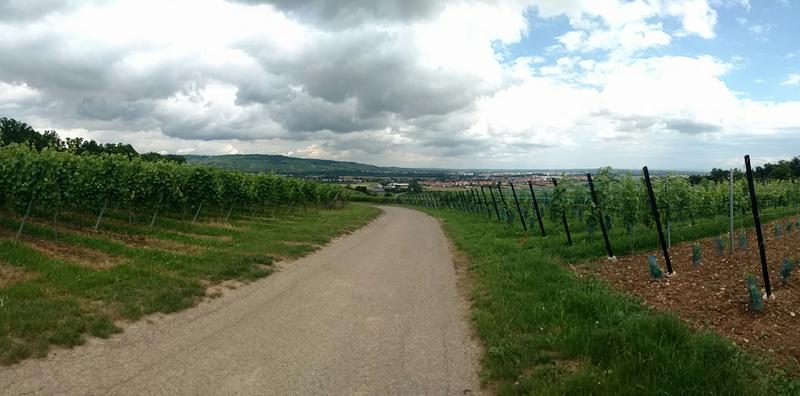
The route follows mainly cycle paths, quiet agricultural roads, and low-traffic secondary roads, offering a relaxed riding experience. While most of the terrain is flat, Days 4 and 5 include some gentle hills, adding a bit of variety without being too demanding.
How to get there
Tour start and end
Nearest airport: Strasbourg, France
Nearest train station: Strasbourg, France
There are excellent rail connections between Strasbourg and Paris, Basel, and Frankfurt.
Tips on getting to and from your tour
Loading reviews…
More About This Tour
 Related Bike Tours


French Alpes Tour: Alpes and Ventoux
 France

Paris, Bruges and Amsterdam: Premium Bike and Boat
France 
Custom and Private Bike Tours in France
France Related Day Tours
Champagne E-Bike Tour with Lunch & Wine Tasting
Champagne 
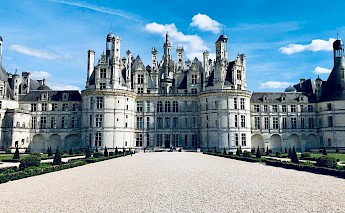
Loire Valley & Chambord E-Bike Tour with Food Tasting from Amboise
Chambord 
Saint-Émilion E-Bike Tour with Lunch & Wine Tasting
Saint-Emilion 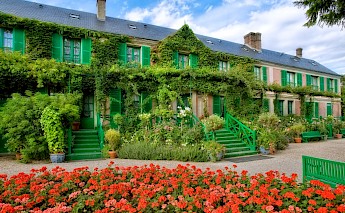
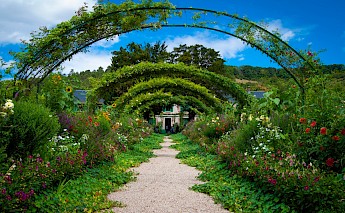
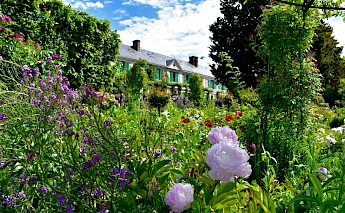
Monet's Gardens & Giverny Paris Bike Tour
Paris 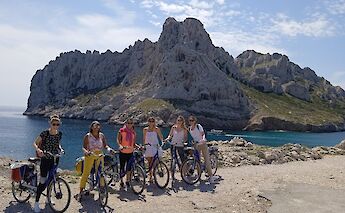
Marseille to the Calanques E-Bike Tour
Marseille 
Lyon E-Bike Tour with Food Tasting
Lyon 
 Email
Email Office Hours